
Zinc Phosphide Poisoning: India Today Investigation Exposes Online Loopholes After Mumbai Deaths and Mass Poison Plot
Zinc phosphide, a grey-black powder rodenticide with no known antidote, has triggered multiple fatalities and a foiled mass-casualty plot in Mumbai this year. An India Today investigation published July 2-3, 2026, documented online sellers offering 50 kg consignments with zero identity verification or licence checks. These findings expose critical gaps in India's pesticide over
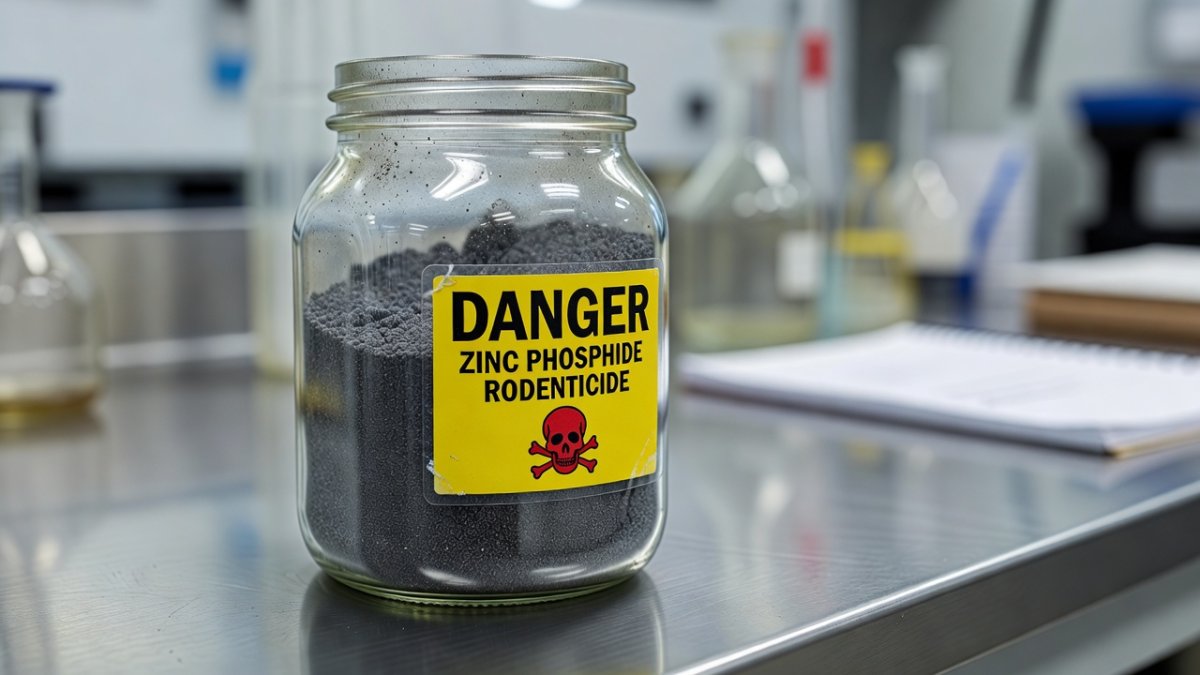
Zinc phosphide, a grey-black powder rodenticide with no known antidote, has triggered multiple fatalities and a foiled mass-casualty plot in Mumbai this year. An India Today investigation published July 2-3, 2026, documented online sellers offering 50 kg consignments with zero identity verification or licence checks. These findings expose critical gaps in India's pesticide oversight framework.
India's Online Pesticide Loopholes Fuel Preventable Tragedies
New Delhi – July 3, 2026 — Four members of the Dokadia family died in Pydhonie, South Mumbai, on April 25-26, 2026, after eating watermelon laced with zinc phosphide. Weeks later, Pune businessman Fayyaz Premji was arrested in Byculla for allegedly preparing 15,000 capsules of the same poison. Both cases trace back to unregulated online purchases that bypassed the Insecticides Act, 1968, and the February 2026 digital licensing rules.
Two Tragedies, One Poison
The Dokadia incident began when Abdullah Dokadia, a Pydhonie businessman, his wife and two daughters consumed watermelon on April 25. Initial symptoms resembled food poisoning, yet forensic tests by the Forensic Science Laboratory (FSL) confirmed zinc phosphide in liver, kidney, spleen, stomach contents, bile and abdominal fat of all four victims. A watermelon sample also tested positive. Kitchenware samples returned clean, leaving Mumbai Police investigating how the poison entered only the fruit.
Two months later, Byculla Police arrested 39-year-old Fayyaz Premji, a BBA graduate from Viman Nagar, Pune. He had ordered 50 kg of zinc phosphide plus 30,000 empty capsules online and stayed 15 days in a Dongri budget hotel filling capsules with approximately one gram each. Police recovered material sufficient for 14,900–15,000 doses. One person fell ill after ingesting a capsule before intervention. Premji allegedly told investigators he sought revenge after his wife left him and had used AI-assisted research to plan distribution at the Muharram procession in Byculla.

The Science of Zinc Phosphide Poisoning
Zinc phosphide (Zn₃P₂, CAS 1314-84-7) reacts with hydrochloric acid in the stomach to liberate phosphine gas. The gas rapidly damages lungs, liver, kidneys and the central nervous system. No antidote exists, and supportive care in Indian hospitals remains limited. The Bureau of Indian Standards issued Draft IS 9278 on March 10, 2026, updating handling and labelling requirements, yet the absence of a pharmacological countermeasure leaves clinicians reliant on early decontamination that is rarely feasible in mass-exposure scenarios.
Ministry of Health facilities, including those under the ICMR network, have recorded rising rodenticide cases in urban centres. Without specific antidotes or rapid diagnostic kits at primary health centres, survival rates remain low once phosphine absorption begins. The chemical's dual use as a legitimate agricultural rodenticide and potential weapon creates an inherent regulatory tension that Indian toxicology protocols have yet to resolve.
How the Poison Reaches Buyers: Online Sale Without Checks
The India Today investigation found multiple e-commerce sellers willing to dispatch 50 kg of zinc phosphide without GST invoices, buyer licences or physical verification. This occurred despite the substance being listed in the Schedule of the Insecticides Act, 1968. Section 27 empowers the central government to prohibit sales when public safety is at risk, yet enforcement for online transactions remains absent. CropLife India had already flagged unauthorised pesticide listings on platforms in January 2026.
The February 2026 Insecticides (Amendment) Rules introduced a digital licensing portal, but the system performs no physical checks on buyers. Sellers in Maharashtra and other states continue to operate with minimal oversight from the Directorate of Plant Protection, Quarantine and Storage under the Ministry of Agriculture and Farmers Welfare.
What the Law Says: The Insecticides Act, 1968
The Insecticides Act, 1968, and Insecticides Rules, 1971, govern all pesticide sales, including zinc phosphide. The 2026 amendment mandated online licensing, yet state agriculture departments and the Central Insecticides Board lack resources for real-time monitoring of e-commerce platforms. Mumbai Police and Byculla Police investigations revealed that both the Dokadia contamination and Premji's procurement exploited these gaps.
The Bureau of Indian Standards' Draft IS 9278 seeks tighter packaging and labelling, but compliance is voluntary until notified. Pollution Control Board (PCB) guidelines on hazardous chemical transport are rarely applied to small online consignments. Without coordinated action between the Ministry of Agriculture, Ministry of Health and state police, the legal framework remains largely symbolic for online transactions.
What This Means for Public Health in India
Residents of dense Mumbai neighbourhoods such as Pydhonie, Dongri and Byculla face elevated risk when a single 50 kg purchase can supply thousands of lethal doses. Taxpayers fund forensic and police investigations after preventable deaths, while hospitals absorb the cost of intensive care for survivors. The absence of antidote stockpiles at AIIMS-level facilities and district hospitals leaves the healthcare system unprepared for deliberate or accidental mass exposure.
Online marketplaces operating across India must now face the same licensing scrutiny applied to physical agrochemical dealers. Failure to close these channels will continue to undermine the Insecticides Act's core objective of protecting citizens from hazardous substances.
The Bottom Line
Four confirmed deaths, one foiled plot involving 15,000 capsules, and documented 50 kg sales without verification demonstrate that current enforcement of the Insecticides Act, 1968, and BIS Draft IS 9278 is insufficient. Until the Ministry of Agriculture and state regulators implement physical buyer verification and real-time platform audits, zinc phosphide will remain accessible to anyone with an internet connection and a delivery address in India.
— By Dr. Raj Patel, Staff Writer
What's Your Reaction?
 Like
0
Like
0
 Dislike
0
Dislike
0
 Love
0
Love
0
 Funny
0
Funny
0
 Wow
0
Wow
0
 Sad
0
Sad
0
 Angry
0
Angry
0

India/South Asia Correspondent at Global1.News. Analytical voice with a background in science and health journalism. Based in New Delhi, covering Indian politics, education, healthcare, technology, and policy. Breaks down complex data into clear, actionable reporting.















Comments (0)