
What really happens to your 'recycled' plastic – and what to do instead
The Mounting Scale of Plastic Waste The world faces a formidable challenge with plastic waste, projected to reach volumes equivalent to a pile the size of Manhattan and taller than one and a half Empire State Buildings by 2050 if current trends persist. This forecast underscores the urgency of addressing waste generation at its source rather than relying solely on downstream me
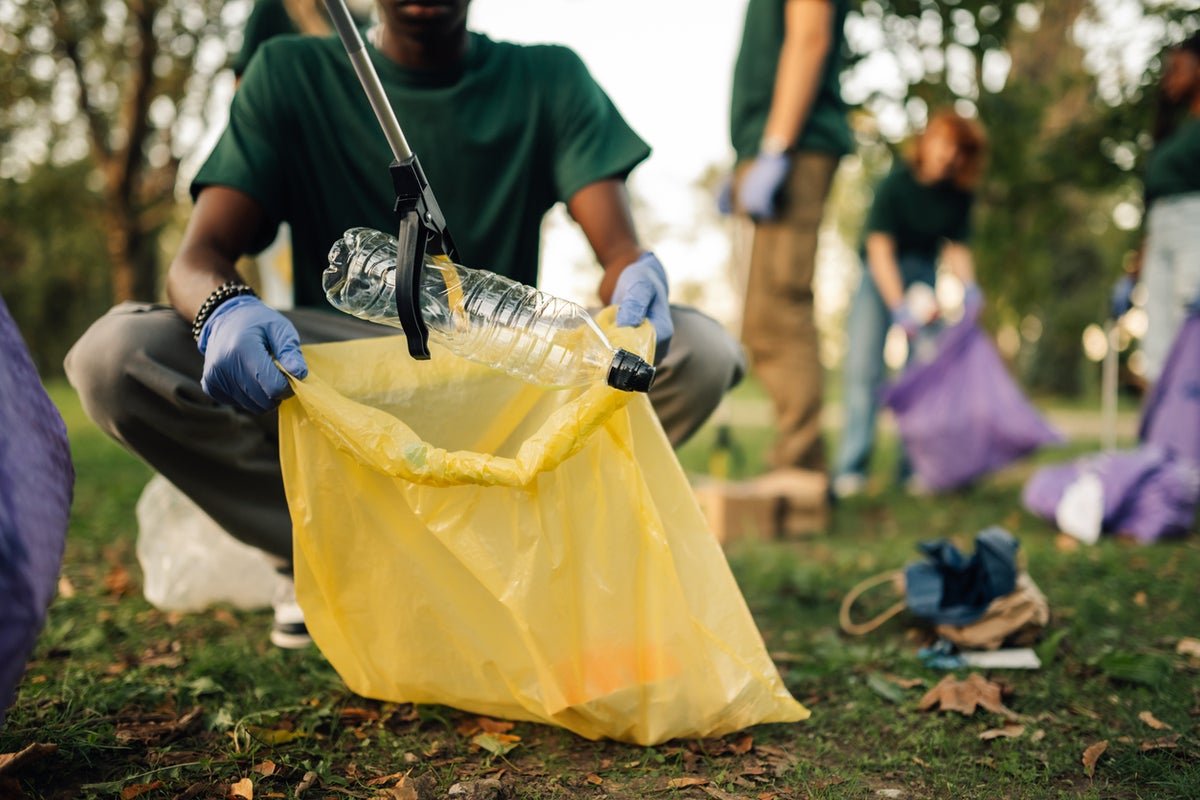
The Mounting Scale of Plastic Waste
The world faces a formidable challenge with plastic waste, projected to reach volumes equivalent to a pile the size of Manhattan and taller than one and a half Empire State Buildings by 2050 if current trends persist. This forecast underscores the urgency of addressing waste generation at its source rather than relying solely on downstream measures.
The Reality Behind Exported Plastic
Much of the plastic collected for recycling does not remain within national borders. In 2024, global imports of plastic waste totalled 9.34 million metric tons according to United Nations data. Following China’s 2018 decision to halt such imports, shipments shifted predominantly to countries in Southeast Asia and Turkey, where infrastructure for safe processing often proves inadequate.
Health Risks from Open Burning Practices
In lower- and middle-income destinations, open burning of excess plastic releases toxic pollutants including carbon monoxide, styrene gas, hydrogen cyanide, polycyclic aromatic hydrocarbons and dioxins. Researchers have linked these emissions to elevated risks of respiratory and cardiovascular disease as well as cancer. In Indonesia, particulate matter levels at large dump sites rose by an average of 3.3 per cent after China’s ban, correlating with increases in mortality risk from chronic obstructive pulmonary disease, lung cancer and lower respiratory infections.
Policy Shifts Across Affected Regions
Indonesia became a net importer in 2018 and later imposed restrictions, culminating in a full ban on plastic waste imports from 2025. Malaysia adopted a similar prohibition in mid-2025. Meanwhile, negotiations for a global treaty on plastic pollution, initiated in 2022, have encountered repeated delays. From November 2026 until at least May 2029, the European Union will prohibit exports of plastic waste to non-OECD countries.
Relevance for British Households
Households across the United Kingdom that separate plastics with care may assume their contributions support a closed-loop system. In practice, exported material can enter the same international flows now associated with open burning and air pollution in distant communities. The United Kingdom, as an OECD member, faces evolving restrictions that will influence how its waste is managed beyond domestic facilities.
Practical Measures for More Responsible Waste Handling
Individuals can reduce reliance on single-use plastics by choosing reusable containers and avoiding unnecessary packaging at the point of purchase. Supporting local repair initiatives and deposit-return schemes helps keep materials in circulation. When disposal is unavoidable, verifying local authority guidance on accepted materials ensures waste remains within regulated domestic streams rather than entering uncertain export routes.
By Erica Thornton, Staff WriterThis article was produced with AI-assisted research and editorial support. Reporting is based on sources cited in the article.
What's Your Reaction?
 Like
0
Like
0
 Dislike
0
Dislike
0
 Love
0
Love
0
 Funny
0
Funny
0
 Wow
0
Wow
0
 Sad
0
Sad
0
 Angry
0
Angry
0

US Politics and Policy Correspondent at Global1.News. Based in Washington DC, covering American politics, policy, elections, and the courts. Knows how the system works and tells you what it actually means.














Comments (0)