
US Strikes Iran After Strait of Hormuz Tanker Attacks
The Attack That Lit the Fuse On July 7, 2026, Iran fired on three commercial vessels in Oman's territorial waters near the Strait of Hormuz, instantly escalating regional tensions into a full-blown crisis. Two tankers were hit: the Saudi-flagged Wedyan and the Qatari Al Rekayyat. Iran's state TV claimed the LNG tanker was attacked after ignoring warnings, yet Qatar condemned th
The Attack That Lit the Fuse
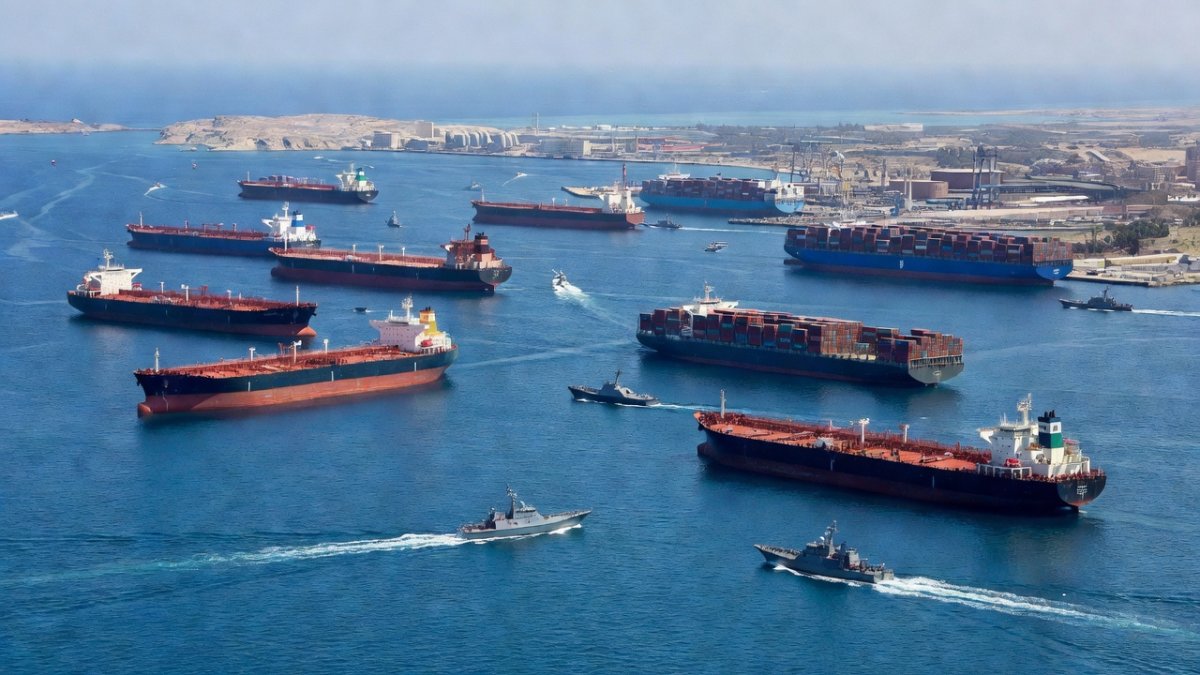
On July 7, 2026, Iran fired on three commercial vessels in Oman's territorial waters near the Strait of Hormuz, instantly escalating regional tensions into a full-blown crisis. Two tankers were hit: the Saudi-flagged Wedyan and the Qatari Al Rekayyat. Iran's state TV claimed the LNG tanker was attacked after ignoring warnings, yet Qatar condemned the strikes without hesitation. The location could not have been more volatile, as the Strait of Hormuz handles roughly 20 percent of global oil trade and serves as the narrow gateway for energy supplies from the Persian Gulf. This single day of aggression shattered any remaining illusions of stability in one of the world's most critical maritime chokepoints. Reports from Reuters and Al Jazeera confirmed the vessels' positions and the immediate damage, underscoring how quickly commercial traffic became a target. The choice of Oman's waters added another layer of provocation, drawing in neutral parties and complicating international response. Analysts at the Brookings Institution later described the incident as the spark that exposed the fragility of all prior containment efforts.
The human and economic stakes were immediate. Crews aboard the Wedyan and Al Rekayyat faced direct threats while carrying energy cargoes vital to global markets. Qatar's swift condemnation highlighted the attack's indiscriminate nature, even as Iran's narrative attempted to justify the action. With three vessels targeted in quick succession, the operation signaled a deliberate strategy to disrupt shipping lanes rather than isolated retaliation. This event did not occur in a vacuum but followed months of simmering disputes that had already strained naval patrols in the area. The proximity to Omani sovereignty raised urgent questions about territorial integrity and the safety of international transit. Global observers noted that such an assault on commercial traffic near the Strait of Hormuz carried the potential to halt flows far beyond the immediate zone of conflict.
America Strikes Back — Fast and Hard
The U.S. military launched strikes early on July 8 targeting Iranian air defense systems, missile launch sites, and port facilities in southern Iran. CENTCOM confirmed the precision of these operations, which aimed to neutralize immediate threats to shipping. President Trump stated that the United States will either reach a deal or finish the job, signaling little appetite for prolonged ambiguity. In tandem, the U.S. reimposed oil sanctions on Iran, tightening economic pressure at the exact moment military action began. These moves reflected a calculated decision to respond within hours rather than days, limiting Iran's ability to regroup or claim victory. CNN and NPR coverage emphasized the speed of the CENTCOM response, which caught many regional actors off guard. The strikes focused on assets directly linked to the prior day's attacks, avoiding broader escalation while still delivering a clear deterrent message. Reimposed sanctions compounded the military impact by targeting Iran's primary revenue source.
Trump's phrasing left no room for misinterpretation, framing the choice as binary between negotiation and decisive force. CENTCOM's public confirmation lent institutional weight to the operation and reassured allies monitoring the Strait of Hormuz. Port facilities in southern Iran were hit to disrupt logistics that could support further maritime interference. The combination of kinetic strikes and renewed sanctions created a dual-track pressure campaign designed to constrain both military and economic options. Observers from The Guardian noted that the rapid timeline prevented Iran from leveraging the tanker incidents for diplomatic cover. This approach prioritized restoring freedom of navigation over extended talks that had already proven ineffective.
The Ceasefire That Lasted Three Weeks
The fragile US-Iran ceasefire collapsed after only three weeks, revealing how little trust existed between the parties. The US-Iran war had begun earlier in 2026, and Iran's strikes on the commercial vessels effectively ended any hope of diplomatic resolution. Multiple rounds of back-channel discussions had produced only temporary pauses rather than lasting agreements. Reuters reporting traced the breakdown to repeated violations that eroded confidence on both sides. The three-week window proved too short for meaningful de-escalation, as underlying disputes over nuclear issues and regional influence remained unresolved. NPR and The New York Times documented how each side accused the other of bad faith, accelerating the return to open conflict. Iran's decision to target tankers in Omani waters served as the final rupture, demonstrating that military action remained the preferred tool.
Diplomatic efforts had centered on incremental confidence-building measures that never gained traction. The brevity of the ceasefire underscored the depth of mutual suspicion accumulated over years of sanctions and proxy confrontations. When the July 7 attacks occurred, they exposed the hollowness of prior commitments and forced the United States into an immediate military posture. Analysts noted that the collapse removed the last buffer against wider disruption of oil flows through the Strait of Hormuz. The failure left both capitals with fewer off-ramps and greater incentive to demonstrate resolve through force.
Oil Markets in Chaos — 64 Percent and Climbing
The Strait of Hormuz handles roughly 20 percent of global oil trade, making any sustained disruption an immediate threat to worldwide supply. The World Bank characterized the resulting shock as the largest oil market shock in history. Brent crude prices surged 64 percent since the crisis began, reflecting acute fears that tanker traffic would remain suppressed. The Brookings Institution labeled the episode the largest disruption in the history of the oil market, citing both volume and speed of the price spike. Tanker transits through the strait fell far below normal levels as operators diverted or idled vessels. CNBC and Reuters tracked daily price movements that outpaced previous crises in both velocity and magnitude. The combination of military strikes and reimposed sanctions amplified market anxiety, as traders priced in prolonged uncertainty.
Supply fears intensified as reports confirmed damage to Iranian port infrastructure that could affect export capacity. The 64 percent increase in Brent crude translated directly into higher costs for refiners and importers dependent on Hormuz crude. World Bank data highlighted how quickly inventories began drawing down in anticipation of extended shortfalls. Brookings analysts emphasized that no prior event had combined physical attacks on shipping with simultaneous sanctions tightening. These dynamics created a feedback loop in which reduced transits drove prices higher, which in turn encouraged further hoarding and rerouting. The scale of the shock left little doubt that energy markets would remain volatile for months.
What This Means for Americans at the Pump
American drivers faced immediate pressure at the pump as Brent crude's 64 percent surge fed through to retail gasoline prices. Supply chain disruptions threatened to raise costs for groceries and consumer goods reliant on diesel-powered trucking. Heating costs for households in colder regions stood to climb sharply once winter demand overlapped with constrained global supply. U.S. domestic production could offset some but not all of the shortfall, leaving the country exposed to imported crude priced at elevated levels. The reimposed sanctions on Iran removed a potential source of additional barrels, further tightening the market. Families already navigating inflation now confronted higher energy bills that reduced disposable income for other essentials. CNBC reporting connected these price movements directly to the July 7 attacks and subsequent U.S. response.
Grocery bills rose as transportation costs were passed along the supply chain, affecting everything from produce to packaged goods. The partial offset from domestic output proved insufficient to stabilize prices at pre-crisis levels. Heating oil and natural gas markets also reflected the broader energy premium, raising seasonal concerns for millions of households. These impacts illustrated how events thousands of miles away in the Strait of Hormuz translated into tangible daily costs for ordinary Americans. Policymakers faced pressure to mitigate the burden while maintaining the strategic posture established on July 8.
The Global Ripple Effect
India, China, and Japan, heavily dependent on Hormuz oil, scrambled to secure alternative supplies amid the 64 percent price increase. Tanker operators rerouted vessels around the Cape of Good Hope, adding weeks to delivery times and raising fuel consumption. War-risk insurance premiums spiked, making each transit through or near the Strait of Hormuz prohibitively expensive for many carriers. These shifts strained budgets in import-dependent economies already sensitive to energy volatility. Al Jazeera and The Guardian documented how Asian refiners absorbed the largest share of the immediate cost increases. The rerouting around the Cape of Good Hope reduced available tonnage for other routes, creating secondary shortages in unrelated markets. Insurance costs alone threatened to price smaller operators out of the trade entirely.
China's strategic reserves faced drawdown pressure as it sought to cushion domestic consumers from the full impact. Japan's reliance on steady LNG and crude flows made the Al Rekayyat incident particularly concerning. India's growing economy required uninterrupted diesel supplies, yet faced the same elevated premiums affecting all Hormuz traffic. The cumulative effect of longer voyages and higher insurance eroded profit margins across the shipping sector. These ripple effects demonstrated that the crisis extended well beyond the immediate combatants to touch every major economy tied to Middle East energy exports.
Where Do We Go From Here?
The path forward hinges on whether renewed military pressure can force a durable agreement or whether further escalation becomes inevitable. Options range from intensified sanctions enforcement to expanded naval presence protecting tanker lanes. Observers will watch Brent crude movements closely for signs that the 64 percent surge is peaking or accelerating. Diplomatic channels remain open but carry little credibility after the three-week ceasefire collapsed. The World Bank and Brookings Institution both stress that sustained high prices risk tipping vulnerable economies into recession. Reuters and CNN will continue tracking CENTCOM activity and Iranian responses for indicators of de-escalation. The reimposed oil sanctions add leverage but also prolong the very supply constraints driving global inflation.
Stakeholders must prioritize restoring safe passage through the Strait of Hormuz while avoiding actions that deepen the humanitarian and economic toll. Vigilance on tanker transits and insurance markets will reveal whether stability is returning or whether further shocks lie ahead. The events of July 7 and July 8 have reset the strategic landscape, demanding clear-eyed decisions rather than wishful diplomacy. Global leaders face a narrow window to prevent this crisis from defining energy security for years to come.
By Jessica Ali, Lead Anchor — Global 1 News
This article was produced with AI-assisted research and editorial support. Reporting is based on sources cited in the article.
What's Your Reaction?
 Like
0
Like
0
 Dislike
0
Dislike
0
 Love
0
Love
0
 Funny
0
Funny
0
 Wow
0
Wow
0
 Sad
0
Sad
0
 Angry
0
Angry
0

Editor-in-Chief at Global1.News. Atlanta-based journalist who cuts through the BS and tells it like it is. Lead anchor, host, and the voice you hear when the spin stops and the truth starts.












Comments (0)