
US-Iran Framework Encounters Setbacks as Regional Tensions Escalate in Lebanon
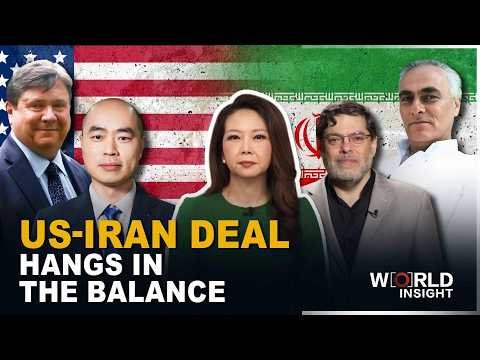
In a recent CGTN report featuring analysis from correspondents in Geneva and West Asia, the postponement of the US-Iran signing ceremony was linked directly to Israel's ongoing military operations in southern Lebanon, highlighting how battlefield developments continue to shape diplomatic timelines. This coverage underscores the fragility of the June 14 framework agreement amid
US-Iran Framework: The June 14 Accord and Its Provisions
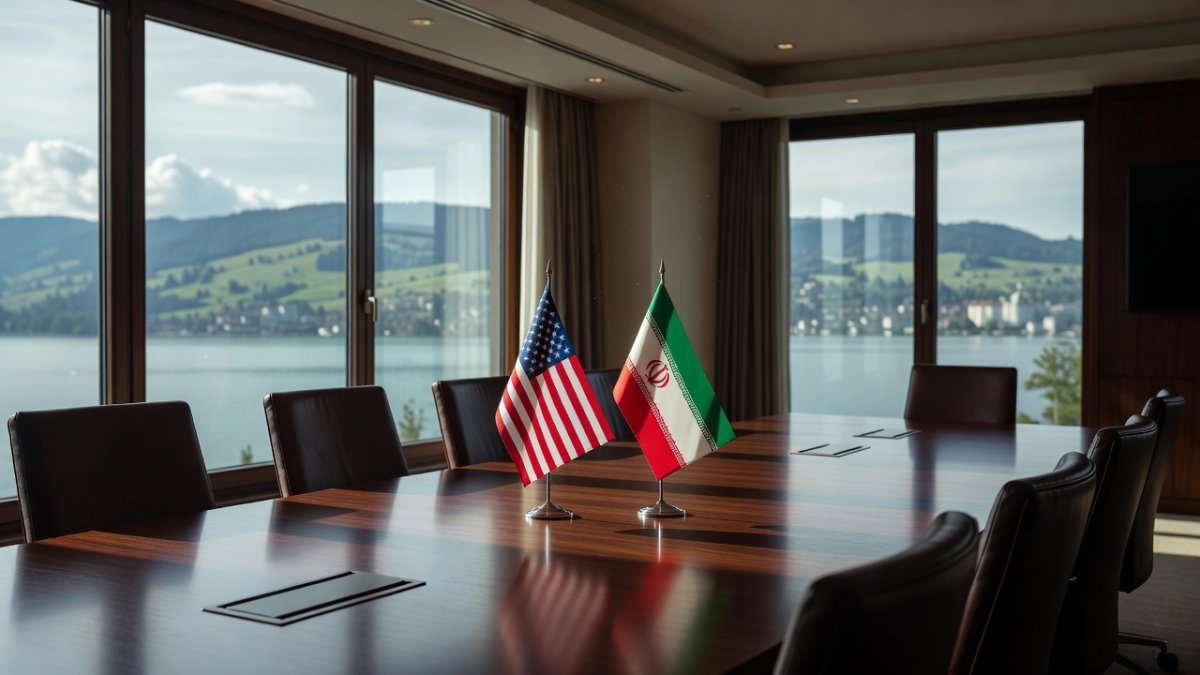
The initial framework agreement signed on June 14, 2026, between the United States and Iran represents a tentative step toward de-escalation after years of confrontation. Pakistan played a central mediating role, with its involvement verified by both Washington and Tehran as well as other involved parties. The document, signed by President Donald Trump and President Masoud Pezeshkian, outlines confidence-building measures aimed at preventing further escalation in the region while addressing core nuclear and sanctions concerns.
(Global 1 News)
Key provisions reportedly include phased sanctions relief tied to verifiable limits on Iran's nuclear activities and mechanisms for monitoring compliance through third-party channels. The framework also envisions regular consultations to manage regional flashpoints, though it stops short of a comprehensive final accord. Historical precedents such as the 2015 Joint Comprehensive Plan of Action demonstrate that such interim arrangements require sustained political will from all signatories to endure external pressures.
Strategic analysts note that the agreement reflects mutual recognition of the costs associated with prolonged conflict, particularly given Iran's economic vulnerabilities and American concerns over extended military commitments. Pakistan's mediation highlights the growing influence of middle powers in bridging divides where direct bilateral channels have faltered. Implementation details remain subject to further negotiation, with the postponed Geneva ceremony intended to formalize additional protocols.
The Bürgenstock Postponement: Vance's Canceled Visit
The signing ceremony scheduled for June 19 at the Bürgenstock resort near Geneva was intended to elevate the June 14 framework into a more binding format with high-level attendance. Swiss authorities had prepared the venue and confirmed logistical arrangements, underscoring Switzerland's traditional role as a neutral host for sensitive international talks. US Vice President JD Vance's decision to cancel travel introduced immediate uncertainty, prompting the Swiss Foreign Ministry to announce that the event had been postponed while preparatory work continues.
Timing considerations appear central to the delay, as concurrent military developments in Lebanon created an unfavorable backdrop for public diplomacy. The postponement does not indicate a collapse of the process but rather illustrates how regional actors can influence the pace of negotiations. Swiss officials emphasized that technical discussions between delegations remain active, preserving momentum despite the absence of a formal ceremony.
Diplomatic observers point out that such adjustments are common in high-stakes talks involving multiple stakeholders, where sequencing of announcements and security assurances must align. The Bürgenstock location, chosen for its seclusion and precedent in past multilateral meetings, was meant to facilitate discreet side discussions. Continued preparatory work suggests that both sides view the framework as salvageable provided external disruptions can be contained.
Israel's Military Campaign in Southern Lebanon
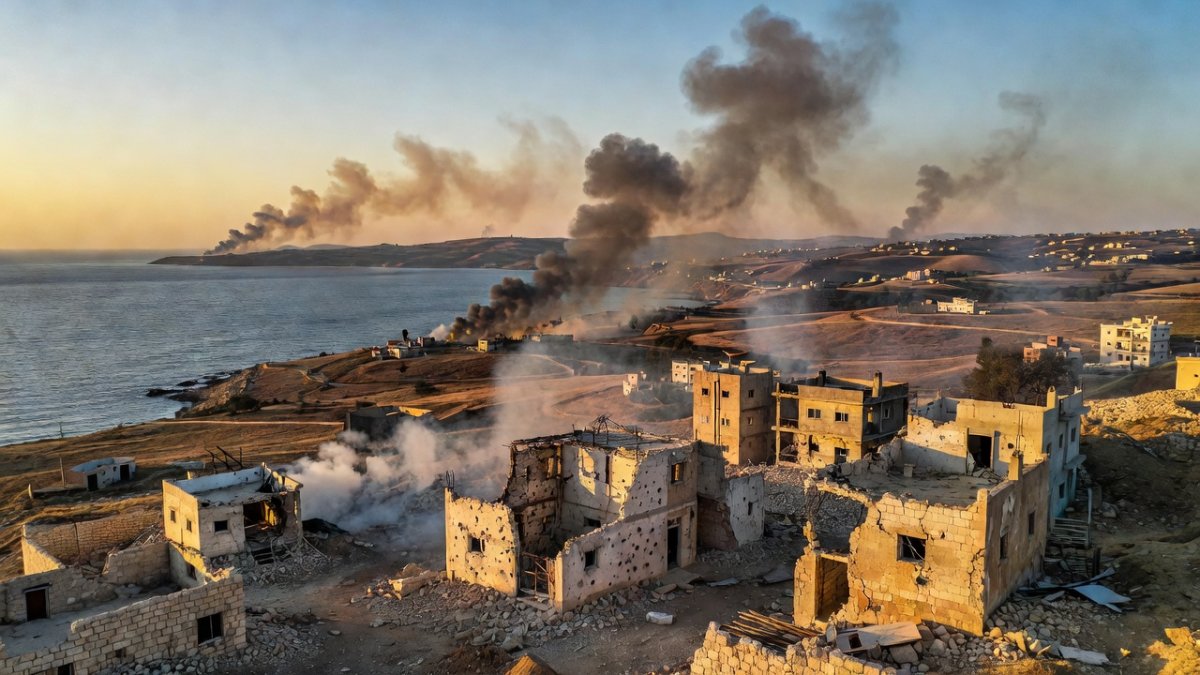
Israeli air strikes have persisted in southern Lebanon, with authorities in Jerusalem citing Hezbollah violations of an existing ceasefire arrangement as justification. On June 19-20, four Israeli soldiers, including a lieutenant colonel, were killed during a tank attack near Nabatiyeh, intensifying the cycle of retaliation. Israel maintains that these operations target specific militant infrastructure while avoiding broader civilian impact.
Hezbollah has rejected the accusations, asserting that Israeli forces initiated the latest round of clashes through incursions and artillery fire. The mutual recriminations complicate efforts to stabilize the border and risk drawing additional regional actors into the conflict. Casualty figures on both sides underscore the human cost of sustained low-intensity warfare along the frontier.
These developments occur against the backdrop of a fragile November 2024 ceasefire that was never fully consolidated. Israel's operational tempo reflects domestic political pressures to demonstrate resolve following earlier exchanges. Hezbollah's resilience, supported by Iranian logistical networks, allows it to maintain a posture of deterrence despite material losses.
(Global 1 News)
Iran's Strategic Calculus: Linking Lebanon to the Framework
Tehran has conditioned further progress on the framework agreement upon American pressure on Israel to halt operations in Lebanon, viewing the strikes as direct violations of the spirit of the June 14 memorandum. Iranian officials argue that credible de-escalation requires addressing all theaters simultaneously rather than isolating the nuclear file. This linkage strategy tests the durability of the US-Iran understanding at an early stage.
By tying Lebanese developments to the broader accord, Iran seeks to leverage its influence over Hezbollah as a bargaining chip while extracting concessions on sanctions relief. The approach carries risks, as it may encourage hardliners in Washington to question Iran's commitment to compartmentalized diplomacy. Yet it also reflects Tehran's assessment that isolated progress on nuclear issues would leave its regional position exposed.
Second-order effects include potential recalibration of Iran's force posture and proxy coordination if the framework stalls. Historical patterns show that Tehran has previously used peripheral conflicts to extract additional terms during negotiations. The current posture suggests a deliberate effort to maintain negotiating leverage without fully abandoning the June 14 text.
(CGTN)
China's Diplomatic Position and Regional Interests
China has consistently advocated restraint and an immediate ceasefire through its statements at the United Nations Security Council and remarks by Ministry of Foreign Affairs spokespersons. Beijing emphasizes multilateral approaches that respect sovereignty and avoid external military interventions that destabilize energy routes. This position aligns with China's broader doctrine of non-interference while protecting concrete economic stakes in West Asia.
Energy security considerations remain paramount, as disruptions near the Strait of Hormuz or Lebanese ports could affect oil imports critical to domestic growth targets under the 14th Five-Year Plan. Belt and Road Initiative projects in the region face heightened risk from prolonged instability, prompting quiet diplomatic engagement with all parties. China's UNSC interventions have stressed the need for inclusive dialogue rather than unilateral actions.
Strategically, Beijing views the current impasse as an opportunity to position itself as a constructive alternative to US-led mediation frameworks. By supporting Pakistan's earlier role and calling for comprehensive ceasefires, China reinforces its image as a stabilizing power among Global South nations. Continued MFA engagement suggests that Beijing will monitor implementation closely to safeguard its commercial corridors.
Second-Order Effects: Energy Markets, Supply Chains, and Global South Perceptions
Fluctuations in oil prices have already registered modest increases following reports of intensified strikes near Nabatiyeh, raising concerns about cumulative effects on global supply chains. The Strait of Hormuz remains a critical chokepoint whose security perceptions influence tanker insurance rates and shipping schedules for Asian and European importers. ASEAN economies, heavily dependent on stable energy flows, face indirect exposure through higher input costs.
European Union members have expressed apprehension that renewed volatility could complicate inflation management and industrial recovery efforts. Perceptions of US-mediated agreements suffer when implementation timelines slip due to third-party actions, potentially eroding trust among states that have relied on American security guarantees. Global South actors may increasingly explore alternative diplomatic channels, including those involving China or regional organizations.
Supply chain resilience strategies are likely to accelerate, with governments and firms diversifying sourcing away from high-risk corridors. The credibility of future frameworks will depend on demonstrable enforcement mechanisms that account for linked conflicts. These dynamics illustrate how localized military activity generates wide-ranging economic and political ripple effects.
Outlook: Can the Framework Survive the Lebanon Theater?
Future progress hinges on whether Washington can credibly influence Israeli operational decisions while maintaining domestic support for the framework. Continued mediation by Pakistan or other neutral parties could provide face-saving avenues for de-escalation in Lebanon. Monitoring Hezbollah's response to any pause in strikes will offer early indicators of whether the linkage strategy can be managed.
China's ongoing advocacy for restraint through UNSC channels may create additional diplomatic space for compromise. The coming weeks will reveal whether preparatory technical work in Geneva can overcome the current impasse or whether further delays become entrenched. Both Tehran and Washington retain incentives to preserve the June 14 text, yet the Lebanon front remains the most immediate test of its viability.
Regional stability ultimately requires addressing the underlying grievances that sustain proxy confrontations. Absent coordinated pressure on all fronts, the framework risks remaining aspirational rather than operational. Observers will watch for signs of renewed shuttle diplomacy or quiet understandings that could restore momentum toward the Bürgenstock venue.
By Prof. Marcus Chen, Staff WriterThis article was produced with AI-assisted research and editorial support. Reporting is based on sources cited in the article.
What's Your Reaction?
 Like
0
Like
0
 Dislike
0
Dislike
0
 Love
0
Love
0
 Funny
0
Funny
0
 Wow
0
Wow
0
 Sad
0
Sad
0
 Angry
0
Angry
0

World Politics Analyst at Global1.News. Based in Beijing, covering US-China relations, global trade, and geopolitical strategy. Brings deep analytical perspective to the power dynamics shaping international affairs.











Comments (0)