
Council Benefit Mistake Costs Derbyshire Couple £7,200 a Year
A terminally ill grandmother from Buxton in Derbyshire and her husband are £7,200 a year worse off after following incorrect benefit advice from High Peak Borough Council, in a case that exposes serious flaws in the communication chain between local authorities and the Department for Work and Pensions. Sandra Ralphson, 60, who lives with lupus, stage 3 kidney failure and chroni
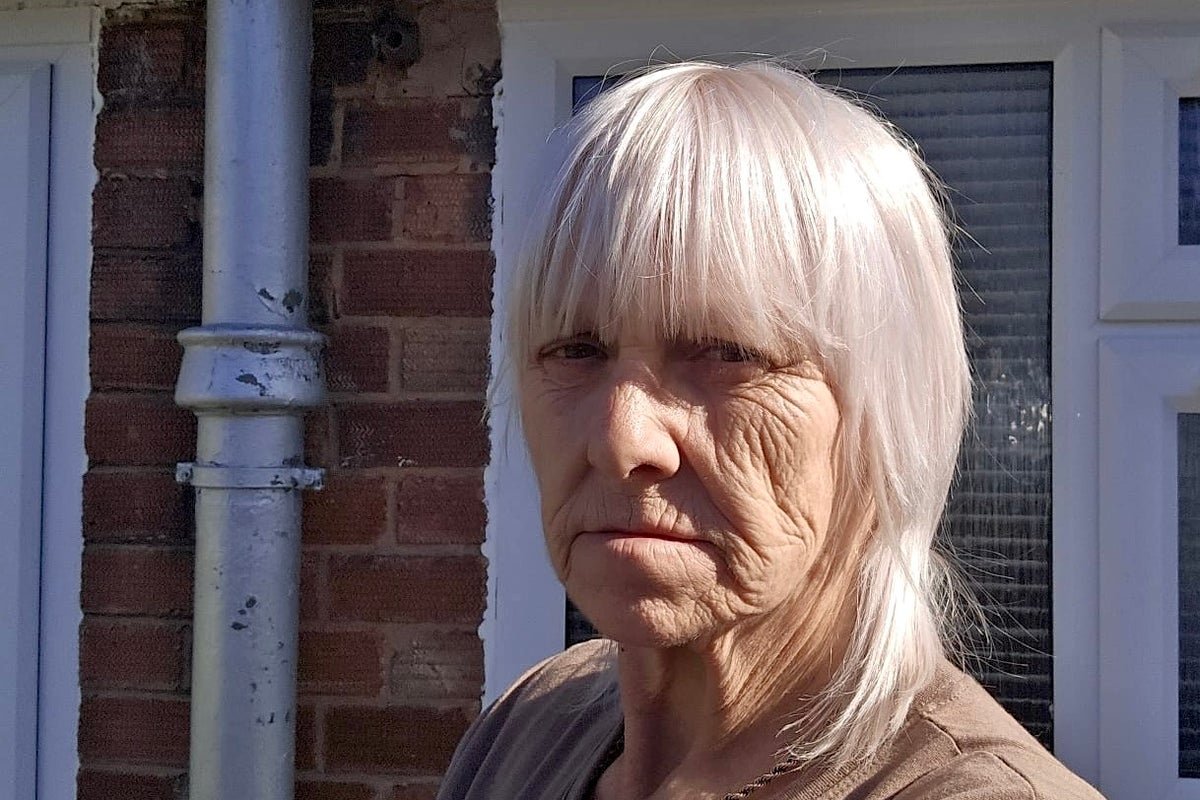
A terminally ill grandmother from Buxton in Derbyshire and her husband are £7,200 a year worse off after following incorrect benefit advice from High Peak Borough Council, in a case that exposes serious flaws in the communication chain between local authorities and the Department for Work and Pensions. Sandra Ralphson, 60, who lives with lupus, stage 3 kidney failure and chronic obstructive pulmonary disease, acted on a council letter instructing her to move from legacy benefits to universal credit within two weeks. The result has been a permanent loss of £600 a month, forcing the couple to cancel their television licence and struggle to afford food for Colin Ralphson, her husband, who recently suffered a heart attack. The council has admitted the letter could have provided greater clarity.
Sandra Ralphson, a terminally ill grandmother from Buxton whose family has lost £7,200 a year following incorrect benefit advice from High Peak Borough Council (The Independent)
The Circumstances Leading to the Erroneous Advice
In August last year, High Peak Borough Council sent Sandra Ralphson a letter stating that she must transfer from her existing legacy benefits to universal credit within two weeks because her husband Colin was approaching pension age at 66. The correspondence warned that the Department for Work and Pensions would otherwise terminate her main benefit, which at the time was employment and support allowance. This directive proved entirely inaccurate, as the DWP had already notified the council on two separate occasions about the implications of the couple becoming a mixed-age household.
Sandra Ralphson, who resides in Buxton, Derbyshire, immediately acted upon the council's instructions by visiting the official DWP "Move to Universal Credit" webpage and closing her ESA claim. No on-screen warning appeared regarding the potential permanent financial penalty. The couple's subsequent move left them without the transitional protection that would have preserved their previous benefit levels had they waited for an official migration notice from the DWP.
High Peak Borough Council later acknowledged that the letter lacked sufficient detail, with a spokesperson stating it could have offered "greater clarity" and "more detailed information" about the consequences. Welfare guidelines available to the council at the time permitted suspension of housing benefit during any investigation rather than issuing an immediate warning letter, a step that was not taken in this instance.
The Couple's Severe Health Conditions and Resulting Hardships
Sandra Ralphson, aged 60, manages multiple serious illnesses including lupus, stage 3 kidney failure and chronic obstructive pulmonary disease, conditions that severely limit her mobility and daily functioning. Her husband Colin, who turned 66 last year, suffered a heart attack shortly before the benefit change, adding further pressure on the household's limited resources. The £600 monthly reduction has forced Sandra to prioritise food purchases for Colin while she herself has lost significant weight.
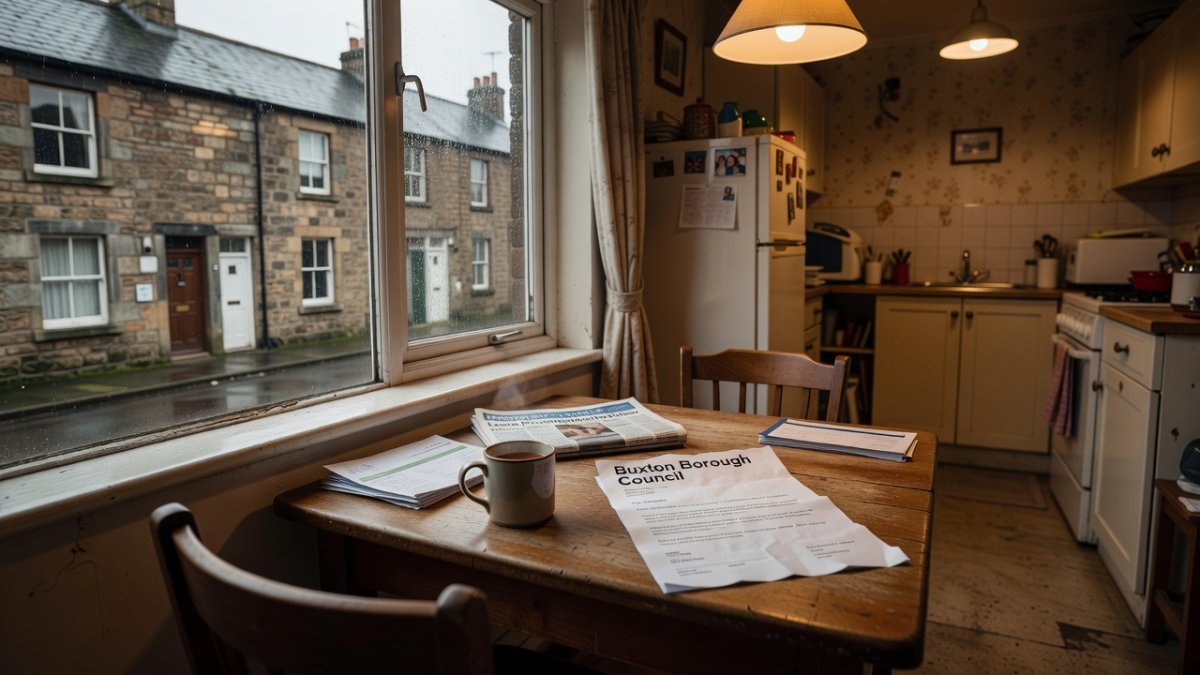
High Peak Borough Council correspondence that wrongly instructed the Ralphsons to move to universal credit (Global 1 News)
The financial strain has eliminated even modest comforts, with the couple cancelling their television licence, Sandra's sole remaining pleasure during prolonged illness. She has described her current state in stark terms: "I don't want to go out of the house, I don't want to get dressed. I think: 'This isn't me.' I'm Yorkshire. I should be stronger, but I'm not." Another remark captured the depth of despair: "My one pleasure while being ill was watching TV, but I've even cancelled my telly licence. I feel like I've given everything up. I'm not living any more, I'm just trying to survive."
These personal accounts illustrate the human impact of the error, which the council has conceded was not the fault of the Ralphsons themselves. The permanent £7,200 annual shortfall continues to affect every aspect of their existence in Buxton, from nutrition to heating and essential medical supplies.
Policy Framework Governing Legacy Benefits Migration
Since 2023 the government has accelerated the transfer of claimants from six legacy benefits to universal credit, a programme originally launched in 2012. The benefits involved include child tax credit, working tax credit, housing benefit, income support, income-based jobseeker's allowance and employment and support allowance. Official impact assessments describe the policy as a means to simplify a "complex array of benefits which interact in complicated ways" while improving work incentives and reducing welfare dependency.
Under current rules, claimants must receive a formal migration notice from the Department for Work and Pensions before moving to universal credit in order to qualify for transitional protection. This safeguard prevents immediate drops in income for those already receiving legacy payments. Sandra Ralphson reasonably interpreted the High Peak Borough Council letter as her official notice, a misunderstanding that the DWP later corrected only after the damage had occurred.
The DWP issued a formal correction notice confirming the council's advice had been mistaken, yet this arrived too late to restore the Ralphsons' previous entitlement levels. The council has since requested that the DWP consider granting transitional protection retrospectively in this specific case.
Institutional Admissions and Communication Failures
High Peak Borough Council has publicly accepted responsibility for the misleading letter, noting that greater detail could have prevented the couple's precipitous move to universal credit. The authority received two prior notifications from the DWP regarding the change in the Ralphsons' status as a mixed-age couple, yet the warning sent to Sandra did not reflect this information accurately.
The Department for Work and Pensions maintains that claimants should await an official migration notice, but local authorities remain responsible for housing benefit administration and often serve as the first point of contact. In this instance the breakdown in information sharing between the two bodies directly contributed to the £7,200 annual loss now faced by the Buxton household.
Caroline Abrahams, director of Age UK, highlighted the recurring nature of such problems, stating: "The complexities of the benefits system for mixed-age couples continue to cause confusion and administrative errors, often resulting in significant hardship." Her organisation has documented similar cases across Derbyshire and other regions where mixed-age couples have encountered comparable administrative pitfalls.
Financial Calculations and Long-Term Consequences
The £600 monthly reduction equates precisely to £7,200 per year, a figure confirmed by both the council and the couple's own calculations following the switch. This loss is permanent because the move to universal credit occurred without transitional protection, removing any mechanism for restoring the higher legacy benefit rates.
Daily budgeting has become an exercise in extreme restriction, with food costs now allocated primarily to Colin following his heart attack. Sandra's own nutritional intake has suffered as a direct result, exacerbating the effects of her stage 3 kidney failure and COPD. The cancellation of the television licence represents only the most visible of numerous economies forced upon the household.
Without intervention from the DWP, the Ralphsons face a future of sustained hardship in their Buxton home, where rising energy prices and medical expenses compound the benefit shortfall. The case has prompted local welfare advisers to review other potential mixed-age couple claims in the High Peak area.
Expert Perspectives on Systemic Issues
Caroline Abrahams of Age UK has called for clearer protocols when local authorities communicate with claimants nearing pension age. She emphasised that the Ralphson case reflects wider administrative shortcomings that disproportionately affect older claimants managing chronic health conditions such as lupus and COPD.
Policy analysts at the Child Poverty Action Group have noted that mixed-age couples represent a particularly vulnerable group under the current migration timetable, with transitional protection rules proving difficult for both claimants and local officials to navigate correctly. The organisation has urged the DWP to introduce automatic safeguards when councils issue any correspondence about benefit changes.
Derbyshire welfare rights services have reported an increase in similar enquiries since the acceleration of universal credit migration in 2023, suggesting the Ralphsons' experience may not be isolated. High Peak Borough Council has indicated it will review its internal procedures for handling DWP notifications about pension-age transitions.
Potential Remedies and Ongoing Developments
The council's formal request to the DWP for transitional protection in the Ralphson case remains under consideration, though no timeline for a decision has been provided. Should the protection be granted, the couple could recover the £600 monthly difference and avoid further deterioration in their health and living standards.
Advocacy groups including Age UK continue to press ministers for legislative changes that would prevent local authorities from issuing migration-style instructions without explicit DWP authorisation. Such reforms could reduce the risk of future cases mirroring the Buxton error.
For Sandra and Colin Ralphson, the immediate priority remains securing enough resources to cover basic needs while awaiting any resolution. Their experience underscores the critical need for precise communication between High Peak Borough Council, the Department for Work and Pensions and vulnerable claimants across Derbyshire.
By Erica Thornton, Staff WriterThis article was produced with AI-assisted research and editorial support. Reporting is based on sources cited in the article.
What's Your Reaction?
 Like
0
Like
0
 Dislike
0
Dislike
0
 Love
0
Love
0
 Funny
0
Funny
0
 Wow
0
Wow
0
 Sad
0
Sad
0
 Angry
0
Angry
0

US Politics and Policy Correspondent at Global1.News. Based in Washington DC, covering American politics, policy, elections, and the courts. Knows how the system works and tells you what it actually means.













Comments (0)