
US-Iran Doha Talks: Hormuz, Nuclear Deal, Oil Markets
**Keywords:** US-Iran talks, Doha Qatar, Strait of Hormuz, Iran nuclear deal, Trump Iran policy, WTI crude prices, Jared Kushner, Kazem Gharibabadi, Israel Lebanon Hezbollah, Gulf energy markets In the shadow of the February 2026 war that exposed the fragility of Gulf energy corridors and Levant proxy networks, indirect US-Iran technical talks in Doha have emerged as the primar
The Road to Doha: From February War to June 14 Accord
The February 2026 conflict began with coordinated US-Israeli strikes on Iranian nuclear facilities at Natanz and Fordow on February 12, prompting Iranian missile and drone attacks on US bases in Qatar and the UAE that killed 47 American personnel and wounded 312. Iranian forces also struck Saudi Aramco infrastructure near Ras Tanura, briefly halting 1.2 million barrels per day of exports. By late March, the fighting had expanded to include Hezbollah rocket barrages from southern Lebanon and Iraqi militia strikes on Jordanian logistics hubs, producing an estimated 4,800 total fatalities across all theaters.
Ceasefire efforts accelerated after Oman and Pakistan conveyed Iranian willingness to discuss de-escalation in exchange for asset relief. The June 14 interim accord, signed in Geneva under Swiss auspices, established a 60-day window ending August 13 for converting the truce into a permanent framework. The 14 points covered verifiable nuclear caps, phased release of $6 billion in South Korean-held funds, and creation of a joint Hormuz monitoring mechanism. Both Washington and Tehran treat the deadline as non-extendable, with daily technical sessions in Doha intended to produce annexes on inspection protocols and fee structures by July 15.
The Doha Technical Channel Opens
On July 1, 2026, US and Iranian delegations convened indirect technical talks in Doha under Qatari and Pakistani mediation. Iran’s Deputy Foreign Minister Kazem Gharibabadi led a team that included officials from the central bank and agriculture ministry. The United States participated through intermediaries while senior figures Jared Kushner and Steve Witkoff held separate meetings with Qatar’s prime minister but did not join the technical sessions directly.
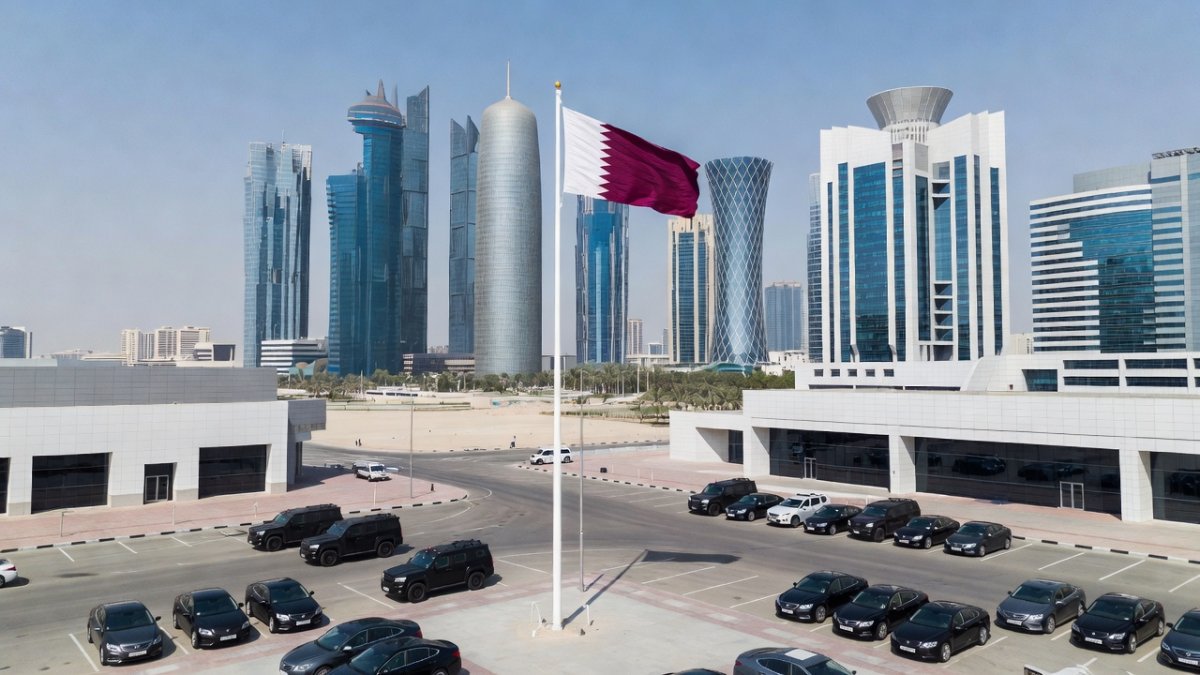
Qatari Foreign Minister Mohammed bin Abdulrahman Al Thani hosted the opening round at the Lusail Diplomatic Compound, with Pakistani Special Envoy Asad Majeed Khan shuttling written proposals between the two sides. Iranian participants emphasized that any progress on nuclear monitoring required simultaneous movement on asset recovery, while US intermediaries stressed that Hormuz transit rules must remain under international maritime conventions rather than unilateral Iranian authority.
Iran's Negotiating Position: Hormuz Control and Asset Recovery
Tehran’s core demand centers on Article 5 of the June 14 accord, which Iran interprets as granting it primary authority to designate safe transit lanes through the Strait of Hormuz. Iranian negotiators argue that this clause, combined with longstanding claims under the 1982 UN Convention on the Law of the Sea, entitles them to collect transit fees estimated at $0.25 per barrel on 21 million barrels of daily oil and LNG traffic. Legal advisers in Tehran cite Article 5’s reference to “coastal state regulatory competence” as sufficient basis for a fee regime projected to generate $1.9 billion annually.
Parallel to the fee issue, Iran insists on immediate access to the $6 billion in frozen assets held in South Korean banks since 2019. Central Bank Governor Mohammad Farzin has conditioned any nuclear concessions on full release of these funds plus an additional $3 billion in interest and penalties. US officials have signaled willingness to authorize incremental transfers through Qatari intermediaries but only after Iran accepts enhanced IAEA monitoring at three undeclared sites.
Washington's Calculus: Midterms, Oil Prices, and Domestic Pressure
The Trump administration views the Doha channel as a means to stabilize energy markets ahead of the November 2026 midterms, where Republican candidates face voter concern over gasoline prices averaging $3.41 per gallon nationally. White House officials calculate that a credible Hormuz arrangement could keep WTI crude below $72 through October, shielding vulnerable Senate races in energy-consuming states. At the same time, hard-line voices within the Republican conference, including Senator Tom Cotton, have warned against any deal that appears to reward Iranian aggression.
Domestic pressure also stems from agricultural exporters seeking relief from Iranian sanctions that have blocked $1.2 billion in annual US wheat and soybean sales. Treasury Secretary Scott Bessent has privately briefed farm-state lawmakers that partial sanctions waivers tied to the June 14 accord could unlock those markets without lifting the broader sanctions architecture. This economic constituency provides the administration limited political cover for continued engagement.
The Lebanon-Israel Track: Hezbollah Dismisses Framework
Parallel to the Doha process, US Special Envoy Amos Hochstein has advanced a security framework between Israel and Lebanon aimed at preventing Hezbollah from using southern Lebanon as a launchpad for attacks on Gulf shipping. The draft proposes a 10-kilometer buffer zone monitored by an expanded UNIFIL contingent of 15,000 troops and Lebanese army deployment of two additional brigades. Hezbollah Secretary-General Hassan Nasrallah rejected the proposal on June 28, calling it “an American-Israeli trap designed to disarm the resistance.”
Israeli Defense Minister Yoav Gallant has linked any Hormuz agreement to verifiable Hezbollah restraint, arguing that Iranian proxy capabilities in Lebanon could still close the strait through asymmetric attacks even if Tehran signs a transit pact. Lebanese Prime Minister Najib Mikati has urged Washington to condition further asset releases on Hezbollah acceptance of the framework, creating an explicit linkage between the two tracks that Iran has so far refused to acknowledge.
Strait of Hormuz Dispute at Center Stage
Iran argues that Article 5 of the June 14 agreement grants it authority to determine permissible routes through the Strait. Tehran seeks international recognition of its control and the right to levy transit fees. The United States and Gulf Arab states reject any unilateral Iranian regulatory role that could raise global energy costs. Oil markets have already priced in reduced risk: WTI crude fell to $69.12 per barrel, the lowest level since February 27, the day before the war began.
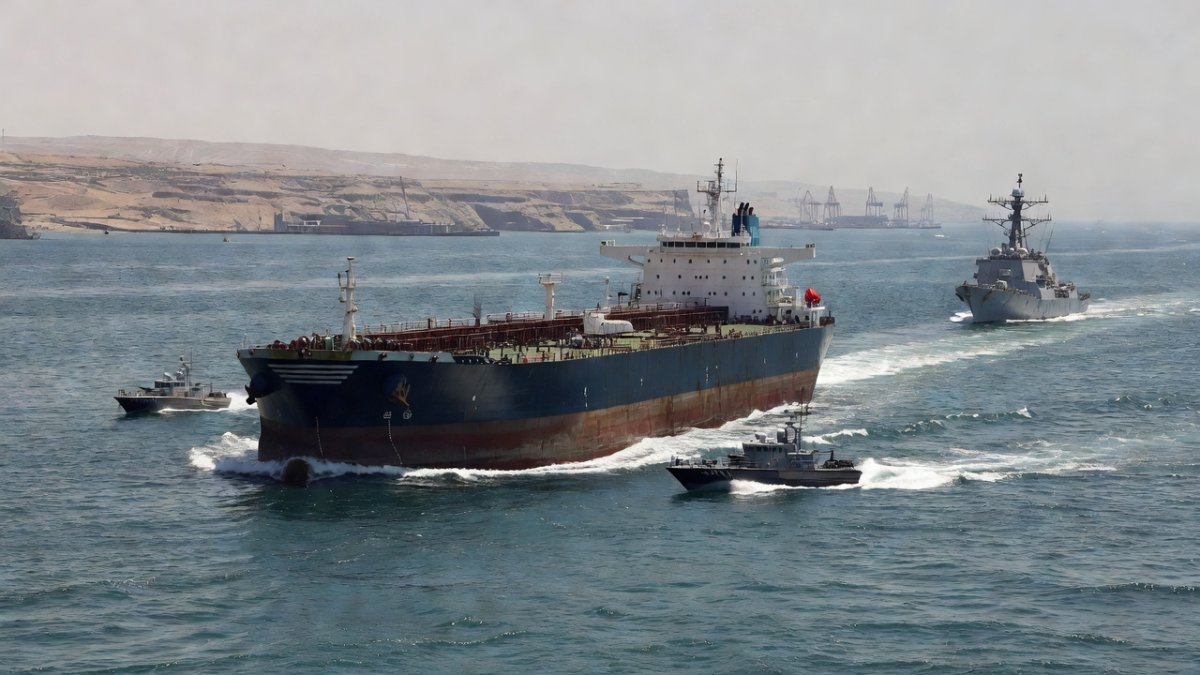
Technical discussions in Doha have focused on a proposed joint coordination center in Muscat that would include Iranian, Omani, and international observers. Iranian negotiators have floated a six-month pilot period during which fees would be capped at $0.15 per barrel, with revenues shared 60-40 between Iran and Oman. US intermediaries have countered with a proposal for zero fees and expanded freedom of navigation patrols involving NATO assets.
Oil Markets and Gulf State Interests
Saudi Arabia and the UAE have watched the Doha talks with measured caution, concerned that any Iranian fee regime could undermine their own diversification timelines under Vision 2030 and the UAE Centennial 2071 plan. Riyadh has privately urged Washington to reject transit fees outright, warning that even modest charges would add $4–6 billion annually to global shipping costs and slow foreign direct investment into Saudi petrochemical projects. UAE Energy Minister Suhail Al Mazrouei has emphasized that stable, fee-free Hormuz transit remains essential for ADNOC’s target of 5 million barrels per day by 2030.
Qatar, by contrast, has positioned itself as the indispensable mediator, leveraging its hosting of the talks to strengthen ties with both Washington and Tehran. Doha’s willingness to guarantee the $6 billion asset transfer through its own banking system has given it leverage in the negotiations while protecting its own LNG export routes that transit the same strait.
Nuclear Dimension and Regional Linkages
Denuclearization remains the most sensitive file. The interim accord requires Iran to accept enhanced monitoring in exchange for phased sanctions relief. Parallel to the Doha channel, Israel and Lebanon are pursuing a framework security arrangement concerning Hezbollah, though Hezbollah has already dismissed the proposal. These two tracks intersect because any durable Hormuz arrangement must account for Iranian proxy capabilities in Lebanon and Iraq that could disrupt Gulf shipping if talks collapse.
IAEA Director General Rafael Grossi has requested access to four additional sites by July 20, including the Parchin military complex, as a precondition for certifying Iran’s compliance with the 60-day window. Iranian officials have linked such access to simultaneous release of $2 billion in assets, creating a sequencing dispute that threatens to derail the entire technical channel.
Regional Implications
Successful implementation would ease pressure on Gulf diversification plans and reduce the incentive for extra-regional powers to deepen military footprints in the Strait. Failure risks renewed Iranian harassment of shipping and higher oil prices that could strengthen hard-liners in Tehran. Arab states that normalized with Israel see the talks as a test of whether US security guarantees remain credible after the February war. Turkey watches for any opening to expand its own mediation role, while China and Russia assess whether the 60-day window weakens their leverage over Iranian energy exports. The coming weeks will reveal whether the technical channel can convert the fragile June 14 ceasefire into a sustainable regional equilibrium. By Malik Hassan, Staff Writer
This article was produced with AI-assisted research and editorial support. Reporting is based on sources cited in the article.
What's Your Reaction?
 Like
0
Like
0
 Dislike
0
Dislike
0
 Love
0
Love
0
 Funny
0
Funny
0
 Wow
0
Wow
0
 Sad
0
Sad
0
 Angry
0
Angry
0

Middle East Correspondent at Global1.News. Based in Beirut, covering politics, conflict, energy, and society across the Middle East. Brings context and depth to a region often reduced to headlines.











Comments (0)