
UK special relationship with US ‘meaningless’ unless it boosts defence, Hegseth warns
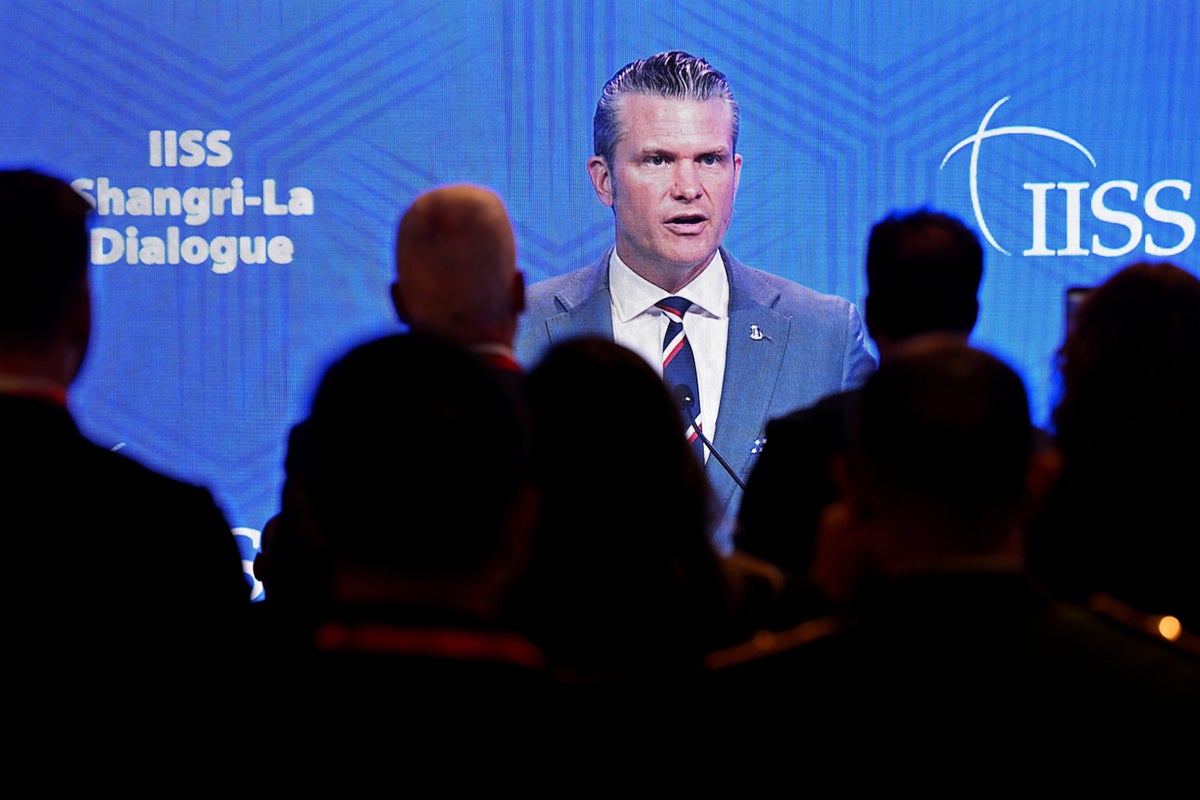
The warning from Pete Hegseth that the United Kingdom’s special relationship with the United States is meaningless unless it produces higher defence spending has immediate implications for how London positions itself in Washington. The statement frames future cooperation as conditional on spending levels, with compliant nations described as model allies that can expect advantages in arms sales and intelligence sharing.
This approach ties longstanding alliance rhetoric directly to budget decisions at a time when European governments face competing domestic priorities and shifting security demands. It signals that access to American technology and information may be calibrated according to how closely partners align with US expectations on expenditure.
Conditions attached to the special relationship
Hegseth’s remarks present the special relationship not as an automatic bond but as one that must demonstrate tangible results through increased defence budgets. The language indicates that rhetorical closeness alone will not sustain the depth of cooperation previously assumed. Instead, measurable spending increases become the test of whether the relationship delivers value to Washington. This conditional framing affects how British officials will need to present their budget choices in future discussions with American counterparts. Any shortfall in reaching expected spending targets could narrow the scope of joint activities, while meeting them could open additional channels for equipment purchases and shared assessments.Benefits outlined for compliant partners
The statement specifies that nations regarded as model allies, those that meet US demands on defence spending, stand to gain from greater access to American arms sales and intelligence. This linkage creates a direct incentive structure in which budget decisions influence the quality and quantity of security cooperation. Arms sales advantages could include priority consideration for new platforms and technology transfers, while intelligence access might involve broader or timelier exchanges of assessments. Both areas represent practical returns that governments can cite when justifying spending increases to their own parliaments and publics.Context within UK-US security ties
The special relationship has historically encompassed intelligence cooperation, military interoperability, and diplomatic coordination. Hegseth’s intervention places defence spending at the centre of that arrangement, suggesting that other elements of the partnership will be viewed through the lens of financial contribution. For the United Kingdom, which maintains extensive existing links with US defence and intelligence structures, the message reinforces the need to align spending trajectories with American expectations if those links are to remain as extensive. The statement does not detail specific spending thresholds, leaving room for negotiation but also placing the onus on London to demonstrate progress.Implications for future alliance management
By tying benefits explicitly to spending compliance, the approach introduces a transactional element into what has often been presented as a values-based partnership. British policymakers will need to weigh the domestic costs of higher defence allocations against the potential loss of preferred access to US systems and information. European allies more broadly may draw similar conclusions, adjusting their budget planning to secure or preserve the advantages described. The result could be a period of closer scrutiny of each nation’s spending record during bilateral and multilateral meetings with US representatives. The coming months will show how the United Kingdom responds in its budget statements and procurement plans, and whether those steps are sufficient to maintain the level of access previously taken for granted.By Erica Thornton, Staff Writer
This article was produced with AI-assisted research and editorial support. Reporting is based on sources cited in the article.
What's Your Reaction?
 Like
0
Like
0
 Dislike
0
Dislike
0
 Love
0
Love
0
 Funny
0
Funny
0
 Wow
0
Wow
0
 Sad
0
Sad
0
 Angry
0
Angry
0

Erica Thornton
US Politics and Policy Correspondent at Global1.News. Based in Washington DC, covering American politics, policy, elections, and the courts. Knows how the system works and tells you what it actually means.














Comments (0)