
Trump's $700 Million Coal Revival Threatens Latin America's Climate Goals
A far-reaching climate decision landed on June 4, 2026, when President Donald Trump invoked the 1950 Defense Production Act to direct $700 million toward reviving the United States coal industry. The funding package allocates approximately $425 million to upgrade 13 aging coal plants across roughly 10 states, including West Virginia, Pennsylvania, Kentucky, Indiana, and Ohio —
A far-reaching climate decision landed on June 4, 2026, when President Donald Trump invoked the 1950 Defense Production Act to direct $700 million toward reviving the United States coal industry. The funding package allocates approximately $425 million to upgrade 13 aging coal plants across roughly 10 states, including West Virginia, Pennsylvania, Kentucky, Indiana, and Ohio — states where coal communities have watched their industry shrink for two decades. Another $75 million advances a controversial coal export terminal in Oakland, California, designed to ship 12 million tons annually to Asian markets. An additional $185–200 million backs new facilities in Alaska and West Virginia alongside a restart of a shuttered plant in Maryland.
For Latin America, the implications are direct and measurable. Brazil maintains a 95 percent renewable electricity matrix powered by hydro, wind, and solar, yet its government auctioned 17 gigawatts of new coal and gas thermal capacity in the 2026 LRCAP auction — a move critics project will raise household electricity bills by up to 10 percent. Any net increase in global coal emissions makes limiting warming to 1.5°C or 2°C substantially harder, directly undermining the climate thresholds that scientists say are critical to prevent irreversible damage to the Amazon rainforest.
Trump's $700 Million Coal Revival Threatens Latin America's Climate Goals
São Paulo, Brazil — June 5, 2026 — The White House announcement reverberated across the hemisphere, drawing attention from environmental ministries from Brasília to Bogotá. The Defense Production Act invocation treats coal-fired electricity as a national security asset, framing reliable baseload power as essential for AI data centers and grid stability. But for communities from West Oakland to the Amazon basin, the decision represents a direct assault on hard-won climate progress.
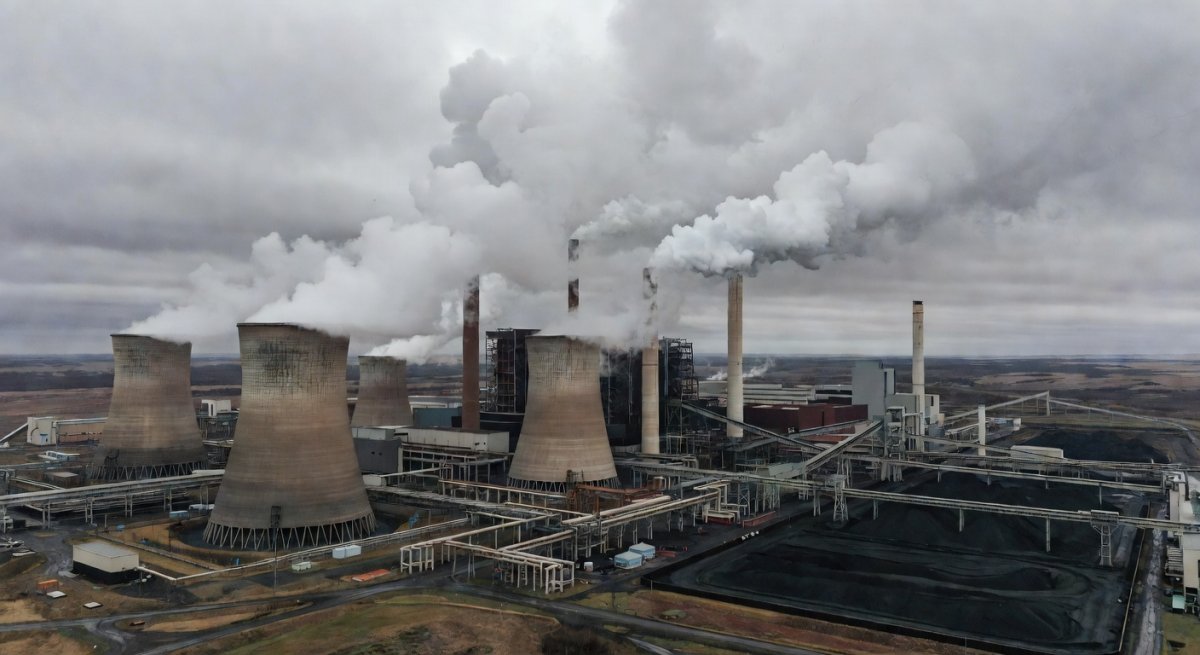
Targeted Investments in 13 Plants Across Ten States and Cross-Continental Emission Linkages
The $425 million designated for 13 plants will extend coal plant lifespans precisely when Central America's Dry Corridor faces heightened drought risk from the same greenhouse gas accumulation. Utilities including Duke Energy and American Electric Power stand to benefit substantially from these subsidies, locking in fossil fuel infrastructure that undercuts the clean energy transition Latin American nations have pursued. Brazil's $2.6 billion public-private Amazon protection fund aims to curb deforestation, yet rising global emissions from revived US coal operations make forest preservation targets harder to achieve. Each additional ton of coal burned in the Midwest contributes to temperature spikes that dry out Amazon soils and increase fire susceptibility hundreds of miles south. These investments ignore the economic reality that coal now costs $173 per megawatt-hour compared with $37 per megawatt-hour for renewables.
Oakland Export Terminal: Federal Override of Community Opposition
The $75 million Oakland Bulk and Oversized Terminal project in West Oakland has been blocked for over a decade by lawsuits from residents of a lower-income, predominantly Black and Latino neighborhood already suffering elevated asthma rates from port and freeway pollution. The federal government's invocation of the Defense Production Act now overrides years of community opposition and regulatory review. The terminal would export up to 12 million tons of coal annually from mines in Utah and Wyoming to Asian markets, intensifying global coal demand and indirectly fueling the land-use changes that threaten forests from the Amazon to the Andes.
Imazon satellite data showing a 17 percent decline in Amazon deforestation during Q1 2026 could reverse quickly if Asian markets absorb more US coal, reducing incentives for cleaner regional energy paths. Colombia's Amazon deforestation already rose 6 percent in 2025 to approximately 72,000 hectares, driven by cattle ranching, illegal mining, and road construction — trends that sustained global coal demand would accelerate.
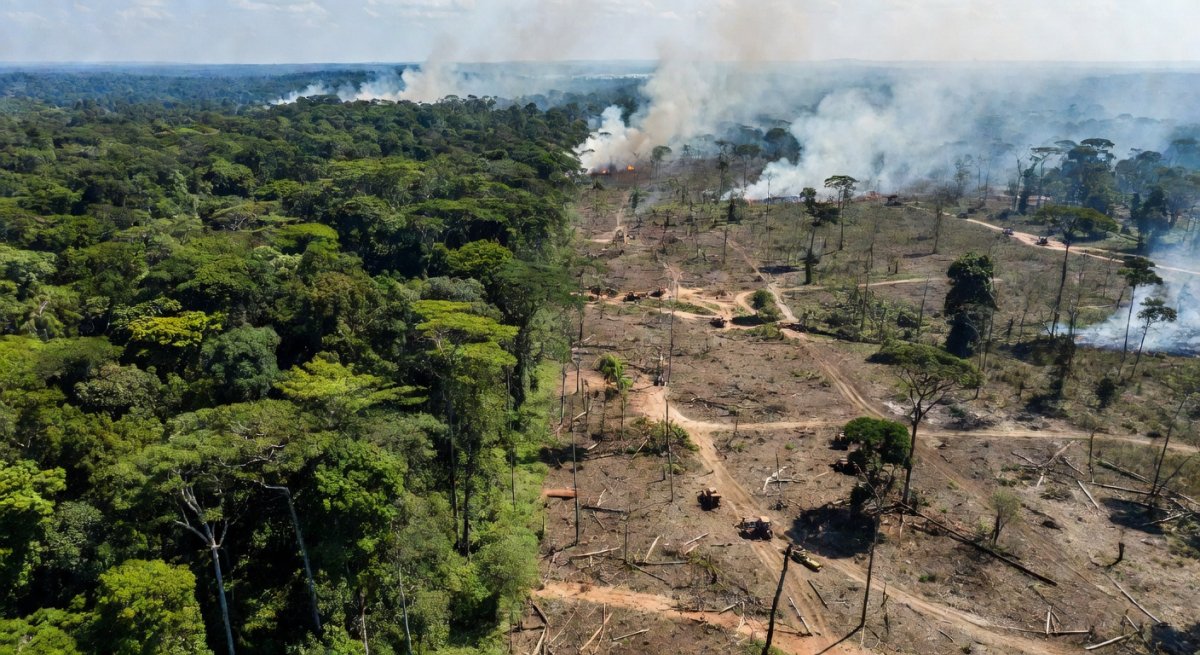
Coal's Dwindling Share Versus Renewables' Rising Economics
Coal currently supplies just 16 percent of US electricity, down sharply from approximately 50 percent in 2007, illustrating that market forces had already driven a significant transition before this federal intervention. Proponents of the $700 million package claim 14,000 jobs saved or created and $50 billion in consumer savings, but critics point to the stark cost divide: coal at $173 per megawatt-hour versus wind and solar at roughly $37 per megawatt-hour. Environmental lawsuits have already been filed challenging the funding on economic, health, and climate grounds.
These cost realities carry particular weight for Latin American nations charting their own energy futures. Brazil's government justified its 2026 thermal capacity auction on grid reliability grounds, yet analysts from Aurora Energy Research argue that expanded transmission infrastructure and battery storage would absorb renewable surpluses more cheaply than subsidizing coal and gas. The contrast between Brazil's renewable leadership and new thermal commitments illustrates the political and economic pressures facing even the most advanced clean energy systems in the region.
Health Burdens in West Oakland and Parallels Across Latin America
West Oakland residents face worsening asthma rates from expanded coal handling at the OBOT terminal — a localized environmental justice crisis that echoes respiratory health burdens in Brazilian communities near planned thermal plants. The broader atmospheric changes driven by sustained coal combustion contributed to record heat across Latin America in 2025, according to World Meteorological Organization data. Colombia's 72,000 hectares of Amazon forest loss in 2025 already correlates with increased regional air quality degradation. The policy choice to revive coal exports not only emissions but also public health pressures that Latin American health systems are least equipped to manage.
El Niño 2026 and the Hemispheric Climate Feedback Loop
Forecasters assign an 80 percent probability of strong El Niño conditions developing late in 2026. Such an event would intensify drought across Central America's Dry Corridor — Guatemala, Honduras, El Salvador, and Nicaragua — and northern South America, while triggering floods in southern Brazil, Uruguay, and Argentina. These climate shocks compound the vulnerabilities of small farmers, Indigenous communities, and riverside populations already adapting to shifting rainfall patterns. Andean glaciers are retreating at accelerating rates, threatening water supplies for millions of people in Peru, Bolivia, Ecuador, and Colombia.
The Amazon itself faces compounding risks. While Brazil recorded deforestation of approximately 985,000 hectares in 2025 — the lowest level in six years and roughly 50 percent below the 2022 peak — scientists warn that the 20–25 percent deforestation threshold could trigger irreversible savannification across the basin. Sustained US coal revival pushes the planet closer to that tipping point. Brazil's newly announced $2.6 billion Amazon protection fund and the progress documented by Imazon and INPE satellite data face headwinds from global emissions trajectories.
The Bottom Line: What Comes Next
Legal challenges to the Defense Production Act funding, the Oakland terminal, and the new plant investments are expected to continue. Environmental groups, community organizations, and state governments are preparing new litigation focused on air quality, climate impacts, and procedural overreach. The outcome will influence whether similar federal interventions occur in other fossil fuel projects and set precedents for how emergency powers can bypass local environmental review.
For Latin America, the stakes extend beyond immediate emissions. Stronger US coal use complicates regional efforts to attract green investment, protect the Amazon rainforest, and build resilient energy systems capable of withstanding the intensifying climate shocks that scientists project for the coming decade. The decisions made in Washington on June 4, 2026, will reverberate through interconnected climate systems that link Midwestern coal plants to Amazonian rainfall patterns, Andean glacier stability, and the daily lives of millions from the Dry Corridor to the Pantanal.
Internal Linking Opportunities
- Link "Brazil 2026 LRCAP auction" to previous article on Brazil's thermal capacity expansion and renewable energy challenges
- Link "Amazon deforestation 2025-2026" to Imazon and INPE satellite monitoring coverage
- Link "El Niño 2026 forecast" to WMO climate outlook and Central America Dry Corridor drought analysis
Social Media Teaser
Trump just spent $700M to revive US coal via the Defense Production Act. West Oakland communities and the Amazon will pay the price. Here's what it means for Latin America. Global1.News
Source Video
Al Jazeera English: Boosting US coal industry: Trump says initiative will bring down energy costs — https://www.youtube.com/watch?v=ZHEcu4not9E
By Elena Vasquez, Staff Writer
This article was produced with AI-assisted research and editorial support. Reporting is based on sources cited in the article.
What's Your Reaction?
 Like
0
Like
0
 Dislike
0
Dislike
0
 Love
0
Love
0
 Funny
0
Funny
0
 Wow
0
Wow
0
 Sad
0
Sad
0
 Angry
0
Angry
0

Latin America Correspondent at Global1.News. Based in Mexico City, covering politics, economics, energy, and culture across the region. Brings an on-the-ground perspective to stories spanning from the Rio Grande to Patagonia.















Comments (0)