
Trump Warns Iran Deal 'Not Final' as G7 Summit Ends
In a recent BBC News report, US President Donald Trump warned that the Iran peace deal is "not final" as the G7 summit concluded in Évian-les-Bains, France, casting uncertainty over an agreement set to be formally signed this week. Trump Warns Iran Deal 'Not Final' as G7 Summit Concludes in France Évian-les-Bains, France – 17 June 2026 — The US president's warning that the Iran
In a recent BBC News report, US President Donald Trump warned that the Iran peace deal is "not final" as the G7 summit concluded in Évian-les-Bains, France, casting uncertainty over an agreement set to be formally signed this week.
Trump Warns Iran Deal 'Not Final' as G7 Summit Concludes in France
Évian-les-Bains, France – 17 June 2026 — The US president's warning that the Iran peace deal is "not final" has injected deep uncertainty into a diplomatic process that had appeared on track for a formal signing in Geneva on Friday, as world leaders leave the French Alps with more questions than answers about the durability of the ceasefire framework.
The G7 Summit and the Iran Deal
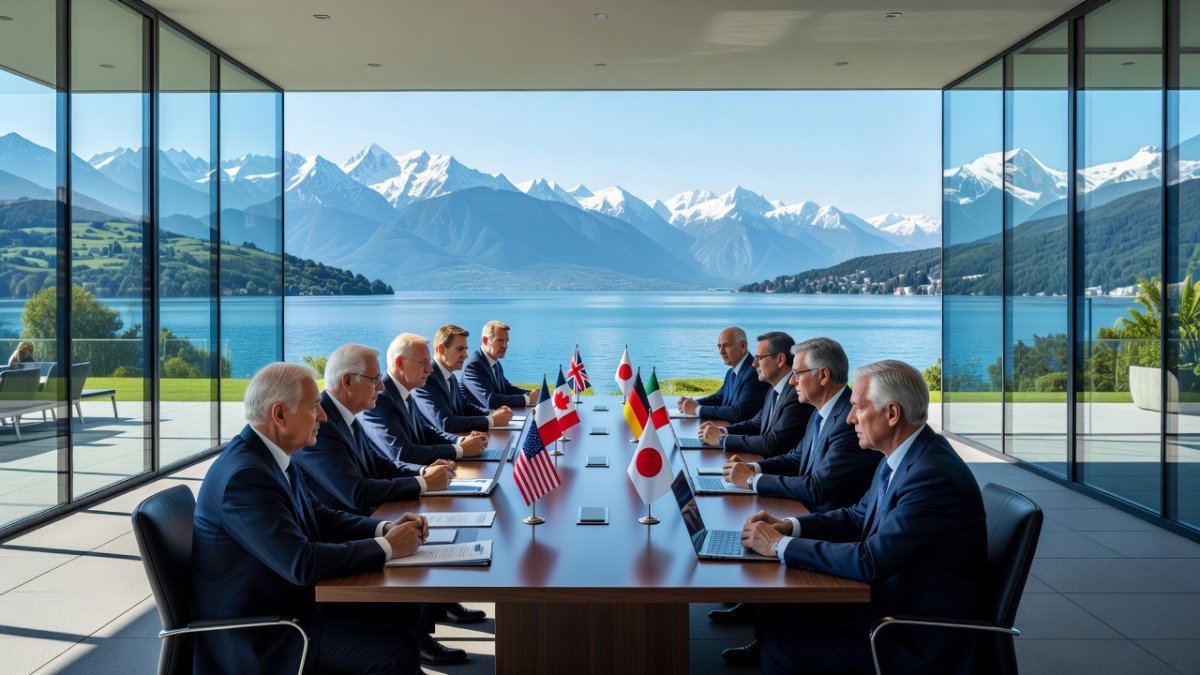
Trump's remarks came during the final day of the three-day G7 summit in the French Alpine town of Évian-les-Bains, where the US-Iran framework deal dominated discussions among the world's leading industrial democracies. Speaking alongside Secretary of State Marco Rubio and Commerce Secretary Howard Lutnick, the US president characterised the agreement as a preliminary memorandum of understanding rather than a binding final settlement — a distinction that appeared to catch even some of his own officials off guard. The 14-paragraph document, which has been circulated among G7 delegations, commits Iran to never producing nuclear weapons and establishes a $300 billion fund for the country's reconstruction and economic development. Crucially, the United States is not required to contribute to that fund, Trump emphasised, pushing back against reports suggesting American taxpayer money would flow directly to Tehran. G7 leaders issued a joint statement calling for a "robust" follow-up agreement to the MOU, signalling their collective desire for a more comprehensive and enforceable framework than the current interim arrangement provides.
The summit, which included leaders from Canada, France, Germany, Italy, Japan, the United Kingdom, and the European Union, also addressed the ongoing war in Ukraine, with Trump meeting Ukrainian President Volodymyr Zelenskiy on the sidelines. That meeting was described by multiple delegations as "very good," though few concrete outcomes were announced. The dual focus on Iran and Ukraine underscored the breadth of geopolitical challenges facing the G7 as it seeks to project unity on issues ranging from Middle East security to European stability. Egyptian President Abdel-Fattah el-Sissi, Qatar's emir, and the UAE's president also participated in regional talks on the sidelines, reflecting the summit's expanded scope beyond the core G7 membership.
Trump's Blunt Warning: 'Not Final'
In his most pointed remarks of the summit, Trump declared that the MOU with Iran was "not final" and that the United States would not hesitate to resume military action if Tehran failed to comply with the terms. "If they don't behave, we'll go right back to dropping bombs right smack in the middle of their head, OK?" Trump told reporters, using the kind of stark language that has defined his approach to the Islamic Republic throughout the conflict. The warning came despite the MOU's explicit commitment to the "immediate and permanent termination of military operations on all fronts, including in Lebanon," raising questions about how the agreement can be considered permanent if either side retains the option of unilateral escalation. The president also insisted that the MOU does not include immediate sanctions relief for Iran, though he acknowledged that the United States will eventually have to release Iran's frozen funds as part of the broader normalization process.
Trump's "not final" characterisation appeared to contradict earlier statements from his own administration suggesting the deal was effectively completed. US officials had confirmed days earlier that a digital MOU had already been signed, with ships beginning to move through the Strait of Hormuz as part of the initial ceasefire implementation. The contradiction highlights the fluid and personal nature of Trump's foreign policy decision-making, where off-the-cuff remarks can reshape the diplomatic landscape in moments. It also injects significant uncertainty into Friday's scheduled signing ceremony in Geneva, where Trump has indicated he "might" attend alongside Iranian President Masoud Pezeshkian, according to Iranian Foreign Ministry spokesperson Esmail Baghaei, who confirmed the idea was "on the table and is still being considered."
The 14-Paragraph Framework: What the MOU Actually Says
According to details confirmed by multiple news organisations including the BBC, the leaked 14-paragraph MOU represents a skeletal framework for ending the US-Israel war on Iran that began in the spring of 2025. The core commitment — that Iran will "never produce nuclear weapons" — addresses the central demand that prompted the conflict, though it leaves open questions about verification mechanisms, international inspections, and the fate of Iran's existing nuclear infrastructure. The document also declares an end to military operations across all fronts, explicitly including Lebanon, where Israeli strikes have continued even as ceasefire discussions progressed at the G7. The $300 billion reconstruction fund is described as a mechanism for Iran's "reconstruction and economic development," with the fund's administrators tasked to "work with Iranians and investors to plan and scope projects" during the 60-day negotiation period.
The MOU's most consequential structural element is the 60-day negotiation window, during which the US and Iran "commit to negotiating and achieving the final deal." This timeframe is extendable with mutual consent, but if talks collapse, the interim ceasefire arrangement — and with it, the cessation of hostilities — would be thrown into legal and practical limbo. The agreement also provides for Iran to resume oil exports once the MOU is signed, a provision that would fundamentally alter global energy markets by reintroducing significant Iranian crude supply. Analysts suggest this energy dimension may be the most powerful incentive keeping both parties at the negotiating table, given the potential economic benefits for Iran and the downward pressure on global oil prices that would benefit consuming nations across the G7. The MOU extends the ceasefire for 60 days as negotiators work toward a permanent deal, allowing Iran to export oil once the agreement is signed while keeping the Strait of Hormuz open to shipping. This re-entry of Iranian barrels could ease supply constraints that have supported elevated prices since the conflict began, though the interim nature of the arrangement leaves traders wary of sudden reversals.
Iran's Position: Between Engagement and Skepticism
Iranian officials have responded to the developing diplomatic situation with a careful balancing act, welcoming the cessation of hostilities while expressing deep skepticism about American intentions. Foreign Ministry spokesperson Esmail Baghaei confirmed that the possibility of President Pezeshkian signing the deal alongside Trump in Geneva remains under active consideration, a gesture that would carry enormous symbolic weight given the decades of enmity between the two nations. However, Iran's semi-official news agency Tasnim has reported significant internal debate within the Iranian establishment about the MOU's terms, particularly the $300 billion fund, which critics within Iran view as insufficient given the scale of destruction caused by the US-Israel bombing campaign. The question of who administers the fund and whether Iran retains sovereign control over reconstruction projects remains a point of contention.
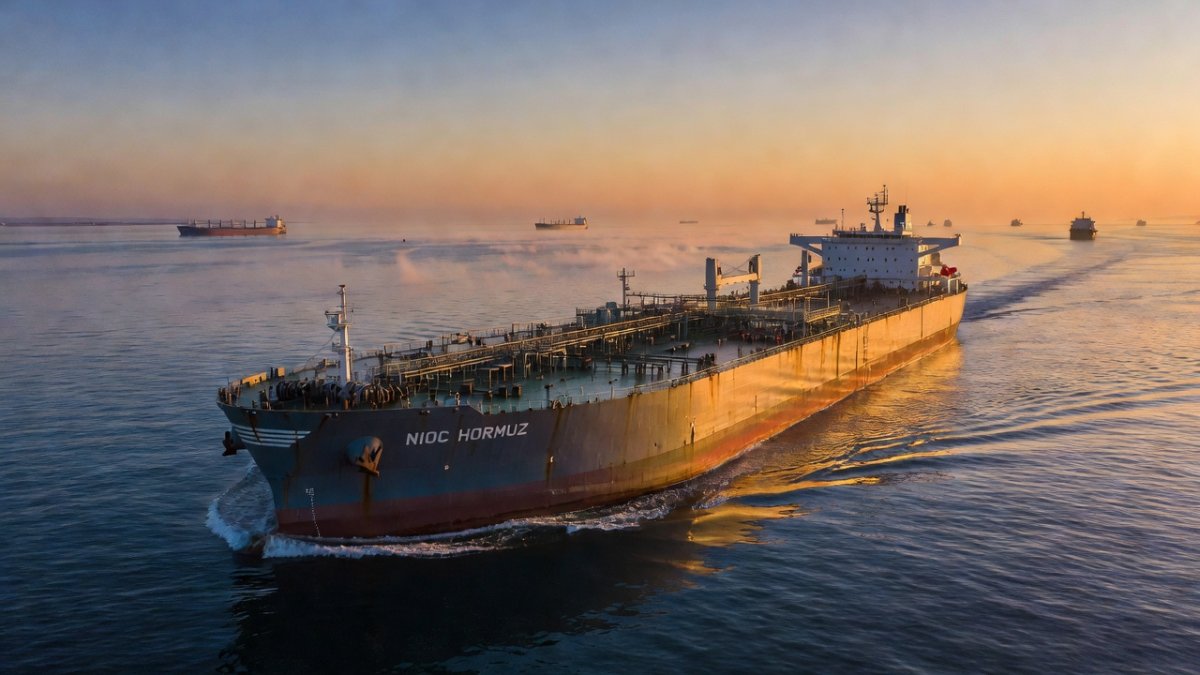
From Tehran's perspective, the MOU's most immediate benefit is the resumption of oil exports, which were effectively halted by the US naval blockade that was a central component of the military campaign. Iranian oil tankers have already begun testing the waters, with some successfully passing through the Strait of Hormuz as the blockade has been partially lifted in anticipation of Friday's signing. The economic lifeline is desperately needed: Iran's currency has plummeted, inflation has spiralled, and the sanctions regime that preceded the military conflict had already crippled large portions of the economy. Yet the "not final" framing from Washington gives Iranian hardliners ammunition to argue that the United States cannot be trusted to honour its commitments, potentially strengthening factions within Iran that advocate for a more confrontational posture rather than diplomatic engagement. Iranian President Masoud Pezeshkian could sign the deal alongside Trump, according to statements from Esmail Baghaei.
Russia and China: The Geopolitical Ripple Effects
The emerging US-Iran framework presents a complex diplomatic challenge for Moscow, which has cultivated a strategic partnership with Tehran throughout the conflict. Russia provided Iran with diplomatic cover at the United Nations and, according to Western intelligence, shared military intelligence that helped Iran counter US-Israeli air operations. A genuine US-Iran détente would fundamentally alter the calculus of Russia's Middle East strategy, potentially reducing Iran's dependence on Moscow while opening space for American economic penetration of a market Russia had considered within its sphere of influence. Kremlin-watchers in Moscow note that the Russian Foreign Ministry has been conspicuously measured in its public response to the MOU, neither endorsing nor condemning the framework — a stance that suggests uncertainty about how to navigate the new diplomatic terrain. This development affects Russia's energy politics, as closer US-Iran ties could shift oil market dynamics away from Russian influence in global supplies. Kremlin reactions have emphasized caution, with officials highlighting risks that any premature sanctions easing might undermine years of coordinated pressure on Tehran and weaken Moscow's leverage in energy negotiations.
China's position is equally significant. Beijing is Iran's largest trading partner and the primary purchaser of Iranian oil when sanctions permit. The reopening of Iranian oil exports under the MOU would benefit Chinese energy security by adding supply to global markets and potentially lowering prices. However, the $300 billion reconstruction fund creates opportunities for Chinese state-owned enterprises to bid on infrastructure projects in Iran, a development that Beijing would welcome but that Washington may seek to limit through whatever "robust" follow-up agreement the G7 has demanded. The interplay between US sanctions policy, Chinese investment, and Russian strategic interests creates a three-dimensional chess game in which Iran's reconstruction becomes a theater for great-power competition regardless of the ceasefire's ultimate fate. From Russia's viewpoint, any dilution of its leverage over Iranian energy exports could strain longstanding ties rooted in shared opposition to Western sanctions regimes.
What Comes Next: The 60-Day Window and Its Risks
The next 60 days will determine whether the MOU evolves into a lasting peace or collapses into renewed conflict. Negotiators face the formidable task of translating a 14-paragraph framework into a comprehensive agreement covering nuclear verification, sanctions relief timetables, the reconstruction fund's governance structure, and the status of Iranian-backed militias across the Middle East. Each of these issues has derailed previous diplomatic efforts, and the compressed timeline leaves little room for the trust-building measures that traditionally underpin successful arms control agreements. The mutual consent provision for extending the deadline provides some flexibility, but both sides enter the negotiation with entrenched positions and a recent history of intense military hostilities. G7 allies have stressed the need for verifiable steps before any broader sanctions adjustments occur.
For the G7, the coming weeks represent a test of whether the summit's rhetorical support for the Iran framework translates into concrete diplomatic and financial backing. European leaders, who were largely sidelined during Trump's direct negotiations with Tehran, may seek to embed the final agreement within a multilateral framework that includes robust inspection regimes and dispute-resolution mechanisms — precisely the kind of institutional architecture the Trump administration has historically resisted. European diplomatic perspectives stress the value of historical precedents such as the Joint Comprehensive Plan of Action, viewing them as models for sustainable engagement that balance security guarantees with economic incentives. The contrast between Trump's unilateralist approach and the G7's preference for rules-based order has not been resolved by the MOU; it has merely been deferred to the 60-day negotiating window. If that window closes without a final deal, the world could find itself back at the brink of a broader Middle Eastern war, with the "not final" tag hanging over every diplomatic exchange. Perspectives from Russia and China underscore how energy flows and reconstruction contracts could reshape alliances well beyond the immediate ceasefire terms. Oil market implications remain central, as sustained Iranian exports could moderate prices but also expose fragile supply chains to renewed geopolitical shocks should talks falter.
By Irina Volkov, Staff Writer
This article was produced with AI-assisted research and editorial support. Reporting is based on sources cited in the article.
What's Your Reaction?
 Like
0
Like
0
 Dislike
0
Dislike
0
 Love
0
Love
0
 Funny
0
Funny
0
 Wow
0
Wow
0
 Sad
0
Sad
0
 Angry
0
Angry
0
Russia/Eastern Europe Correspondent at Global1.News. Covering Russian politics, energy, security, and the shifting dynamics of the post-Soviet space. Provides clear-eyed analysis on one of the world's most opaque regions.









Comments (0)