
Ebola Outbreak in DR Congo: Bundibugyo Virus Expands to 676 Cases, 136 Deaths
Folks, the Bundibugyo virus has roared back to life in eastern DRC, and this time the numbers tell a story no one can ignore. Declared an outbreak on May 15, 2026, this marks the 17th time since 1976 that the world has faced this particular threat. Health workers on the ground describe scenes of rapid deterioration, families shattered overnight, and a virus that refuses to stay
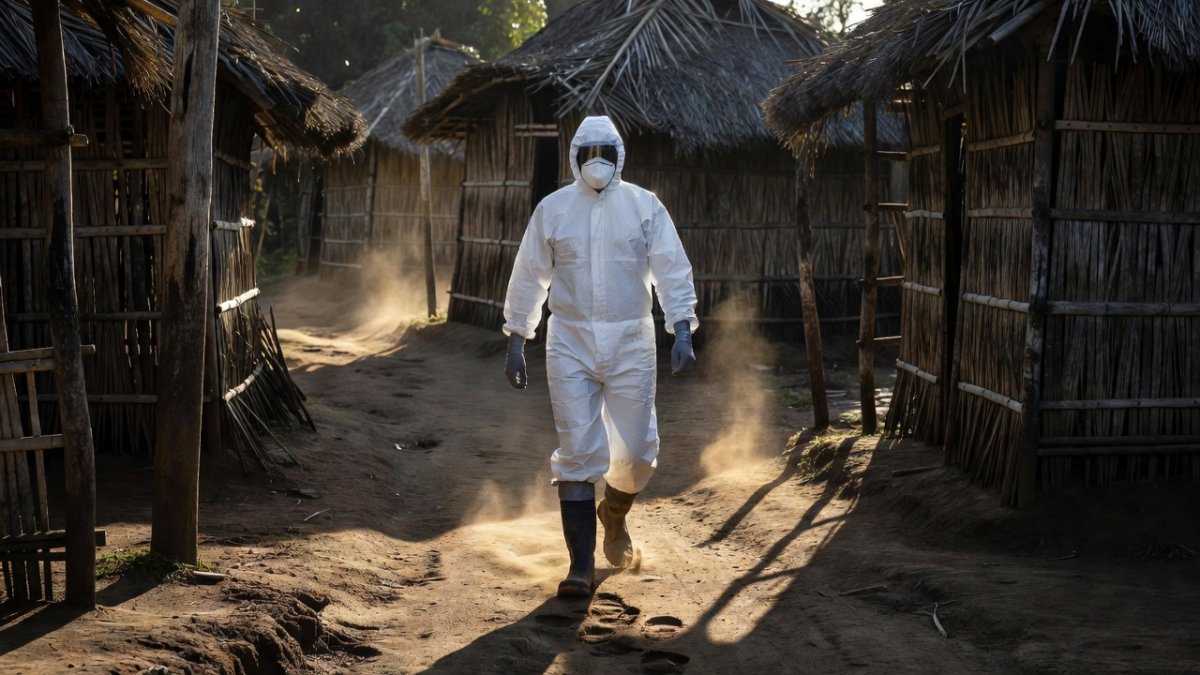
Folks, the Bundibugyo virus has roared back to life in eastern DRC, and this time the numbers tell a story no one can ignore. Declared an outbreak on May 15, 2026, this marks the 17th time since 1976 that the world has faced this particular threat. Health workers on the ground describe scenes of rapid deterioration, families shattered overnight, and a virus that refuses to stay contained. What started as scattered alerts has ballooned into a crisis demanding immediate global attention.
The Official Nod That Changed Everything
Let me be real with you: when the World Health Organization stamped confirmation on this Bundibugyo outbreak, it forced every neighboring district to wake up. May 15, 2026, now sits as the line in the sand. Before that date, local clinics treated mysterious fevers without the full protective protocols we now know are essential. The declaration triggered emergency supply chains and contact tracing teams that had been stretched thin for months. Yet the virus had already seeded itself across remote villages where roads wash out during rains. Officials admit the timing exposed gaps in surveillance that allowed early chains of transmission to multiply quietly. This is not just paperwork; it is the moment resources finally started flowing, though many argue it arrived weeks late for the hardest-hit families.
Counting the Confirmed Toll With Fresh Eyes
By early June the confirmed picture stood at 676 cases and 136 deaths, producing that chilling 20.1 percent fatality rate. But these figures only capture patients who reached testing centers. Rural communities still rely on traditional healers first, meaning many fatalities never enter official logs. Health teams now cross-reference burial reports and village leader testimonies to close the gap. The jump from earlier tallies shows the outbreak accelerating rather than plateauing. Every new confirmed patient represents missed opportunities for isolation. Workers describe 12-hour shifts tracing contacts who vanish into the forest when symptoms appear, fearing stigma more than the disease itself. These numbers are not static; they climb daily as labs process backlogged samples from the northeast corridors.
Deaths That Slipped Through Before May 15
Investigators are now digging into fatalities that occurred weeks before the official declaration. Preliminary reviews suggest dozens of unexplained deaths in eastern zones match Bundibugyo symptoms yet were recorded as malaria or typhoid. Families buried loved ones without protective gear, unknowingly amplifying spread. The undercount matters because it rewrites the timeline of when the virus truly took hold. WHO teams are interviewing survivors and reviewing clinic ledgers from March and April to build a clearer picture. This retroactive accounting reveals how fragile early-warning systems remain in regions with limited diagnostic capacity. Without those earlier interventions, the current caseload carries the weight of preventable tragedy that could have been contained at a much smaller scale.
The Growing Cloud of 119 Suspected Cases
Right now 119 suspected cases sit under active investigation, each one a potential spark for new clusters. These patients show compatible symptoms but await lab confirmation amid reagent shortages at field hospitals. Every suspected individual requires the same rigorous isolation as confirmed cases, stretching already exhausted nursing staff. Contact tracers work backward from these suspects, mapping movements across porous borders where people trade goods daily. Delays in results mean some suspects recover or worsen before classification, complicating resource allocation. The sheer volume signals that community transmission continues unchecked in pockets officials have not yet reached. Until those 119 move into confirmed or ruled-out columns, the true scope stays blurred and response planning stays one step behind reality.
Only 32 Recoveries Amid Mounting Pressure
Just 32 people have so far walked out of treatment units after beating Bundibugyo. That tiny recovery count underscores how aggressive this strain remains even with supportive care. Survivors often leave with lingering joint pain and vision problems that require months of follow-up most cannot access. Medical teams celebrate each discharge like a hard-won victory, yet the ratio of recoveries to deaths keeps morale low. Protocols emphasize early hydration and monitoring, but many patients arrive too late after days of traditional remedies. The low recovery figure also reflects limited access to experimental therapies that worked in previous outbreaks. Families wait outside fences for news, and each successful exit fuels hope that more can be saved if detection improves.
WHO Declares the Outbreak Continues Expanding
The World Health Organization has stated plainly that this Bundibugyo event continues to expand. Daily situation reports show new chains appearing in previously unaffected health zones. Expansion means more than added cases; it signals the virus exploiting weak points in border screening and safe burial practices. Field coordinators report that mobile populations moving for mining work carry the pathogen farther than models predicted. Containment rings that worked in past Ebola events struggle here because villages sit farther apart and roads are seasonal. The expansion warning serves as a direct call for neighboring countries to heighten vigilance rather than wait for spillover. Without accelerated support, the geographic footprint will keep widening into zones lacking even basic infection control supplies.
Reaching Fresh Eastern and Northeast Zones
The virus has now surfaced in eastern and northeast districts that never reported Bundibugyo before. These new areas bring different terrain challenges: dense jungle, limited airstrips, and communities speaking languages that slow risk communication. Health posts there were built for routine vaccinations, not high-containment outbreaks. Rapid response teams fly in supplies only to discover that cold-chain failures have spoiled critical reagents. Local leaders describe fear spreading faster than the pathogen as rumors fill the information vacuum. The geographic jump proves the outbreak refuses to respect old maps drawn from earlier events. Every new district adds layers of complexity to an already stretched logistics network trying to move protective equipment before the next rainy season isolates entire counties.
Africa CDC and Modeling Paint a Stark Horizon
Africa CDC leaders have stated the situation remains far from under control, and independent modeling backs that assessment. Projections from Scientific American range from 306 additional cases on the low end to more than 2,500 if current trends hold through late May. Those forecasts factor in delayed detection and variable compliance with isolation. The gap between best- and worst-case scenarios hinges on whether international partners deliver promised beds, vaccines, and contact-tracing apps in time. Africa CDC emphasizes that regional governments must own the response rather than rely solely on external aid. Without that ownership, models warn the outbreak could bleed into the next calendar year, turning an acute emergency into an entrenched regional problem that drains health systems for years.
By Jessica Ali, Staff Writer
This article was produced with AI-assisted research and editorial support. Reporting is based on sources cited in the article.
What's Your Reaction?
 Like
0
Like
0
 Dislike
0
Dislike
0
 Love
0
Love
0
 Funny
0
Funny
0
 Wow
0
Wow
0
 Sad
0
Sad
0
 Angry
0
Angry
0

Editor-in-Chief at Global1.News. Atlanta-based journalist who cuts through the BS and tells it like it is. Lead anchor, host, and the voice you hear when the spin stops and the truth starts.













Comments (0)