
Torre Reveals PNP Deployed Personnel in Davao to Steer Duterte Away From ICC Arrest
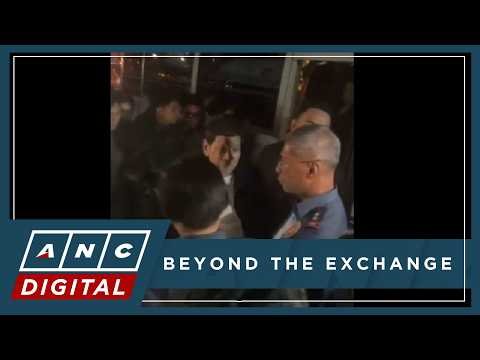
In a revealing ANC 24/7 interview on Beyond the Exchange with veteran journalist Rico Hizon, former Philippine National Police chief Nicolas Torre III disclosed a critical element of the operation that led to former President Rodrigo Duterte's arrest on an International Criminal Court warrant — the deliberate deployment of police personnel in Davao to steer the former leader aw
In a revealing ANC 24/7 interview on Beyond the Exchange with veteran journalist Rico Hizon, former Philippine National Police chief Nicolas Torre III disclosed a critical element of the operation that led to former President Rodrigo Duterte's arrest on an International Criminal Court warrant — the deliberate deployment of police personnel in Davao to steer the former leader away from his Mindanao stronghold.
Torre Reveals PNP Deployed Personnel in Davao to Steer Duterte Away From ICC Arrest: ANC Interview
Manila, this week — In his most detailed account yet of the March 2025 operation, Nicolas Torre III, now MMDA General Manager, told ANC 24/7 that authorities positioned surveillance and personnel in Davao City as part of a coordinated strategy to discourage former President Rodrigo Duterte from traveling to the southern Philippines, where an arrest would have been far more complicated to execute.
The Davao Deployment Strategy
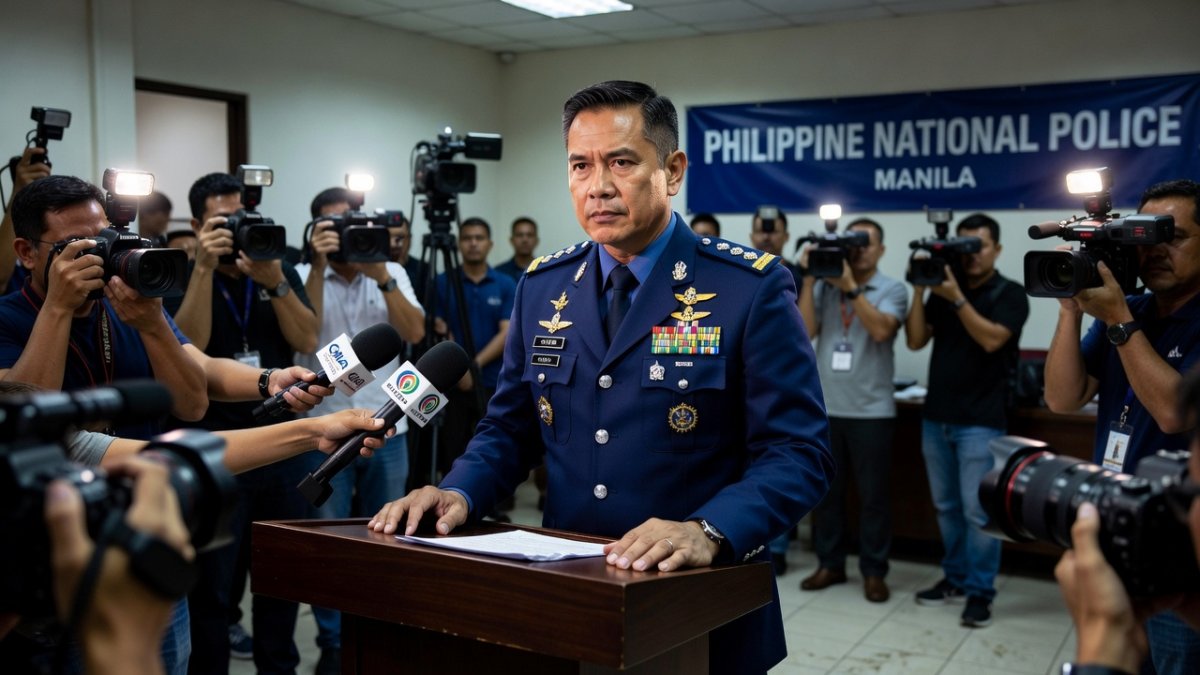
Torre confirmed during the 81st episode of Beyond the Exchange that the PNP deployed people in Davao to discourage Duterte from going there ahead of his arrest. The operation included careful surveillance and positioning of law enforcement personnel across the Davao Region, where the former president maintained deep political roots and significant support networks built during his decades-long career as mayor and later as the country's chief executive.
This pre-positioning formed part of a broader operational plan that Torre designed personally. "I really told them that let me succeed and fail on my plans," Torre said, reflecting on how he took full responsibility for every element of the arrest. "Because if I succeed, I succeed based on my plans. If I fail, I fail on my plans also, so there's no one else to blame but me." The meticulous planning included four dry runs at NAIA Terminal 3 before the actual operation.
How the Arrest Unfolded
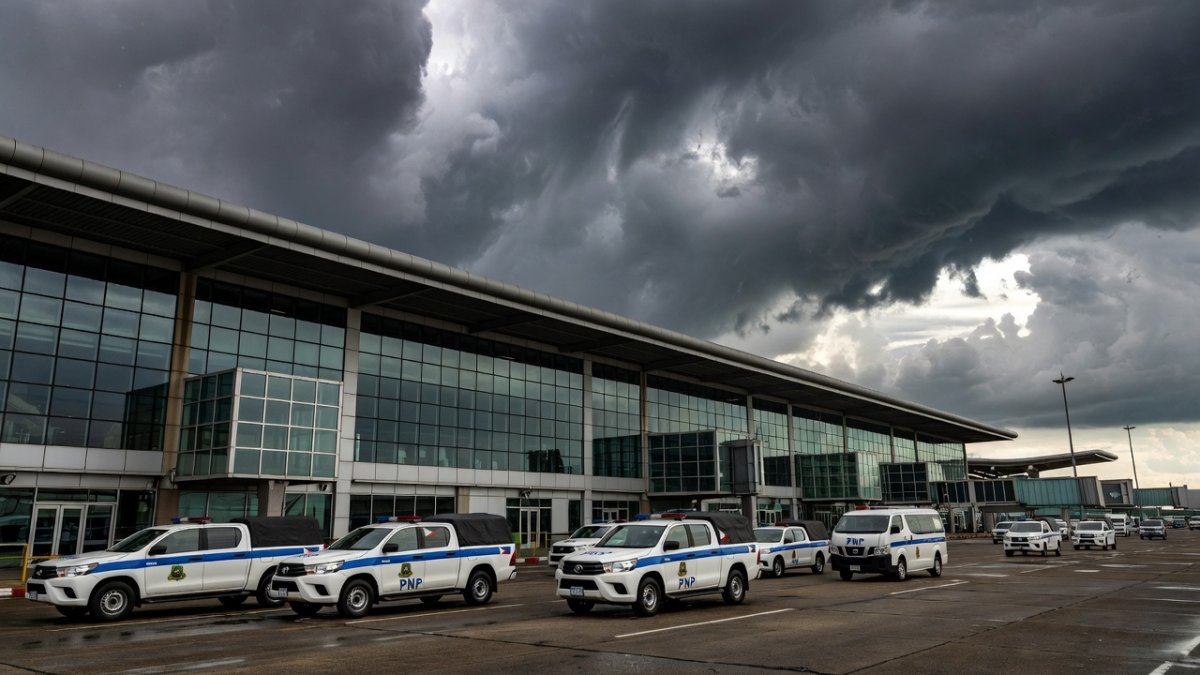
Duterte was taken into custody at NAIA Terminal 3 upon returning from a trip to Hong Kong. The ICC warrant charged the former president with three counts of crimes against humanity involving murder, tied to the deadly war on drugs that claimed thousands of lives from 2013 to 2018. The PNP acted on an Interpol notice, leveraging the country's membership in the international police organization even though the Philippines had withdrawn from the Rome Statute that established the ICC.
Torre, who at the time served as chief of the Criminal Investigation and Detection Group, emphasized that the operation was purely professional. "Walang halong personal na motibo — 'yan ay propesyonal lang, utos ng batas at 'yun ay kailangan, dapat gawin," he said in the ANC 24/7 interview. He added: "I fulfilled my duty in enforcing Duterte's arrest."
Due Process and Justice for Victims' Families
Torre stressed that the families of those killed in the war on drugs remain the ones most directly affected by the proceedings. He expressed measured sentiments toward the former president, saying: "Good luck sa trial niya, I hope he finds justice he's looking for." The confirmation of charges hearing took place from February 23 to 27, 2026, at The Hague, where three independent medical experts determined Duterte was fit to stand trial.
"Anuman ang paninindigan ng bawat isa sa usaping ito, hindi natin maaaring ipagsawalang-bahala ang sakit at pagdurusa ng kanilang dinanas," Torre said, emphasizing that the suffering of victims' families cannot be disregarded regardless of political positions on the case. The ICC prosecution has charged Duterte over at least 76 murders from the drug war period.
Broader National Issues and Leadership
Beyond the Duterte arrest, the wide-ranging ANC 24/7 interview touched on multiple pressing national concerns. Torre described the failure to capture high-profile fugitives as a factor affecting President Ferdinand Marcos Jr.'s approval ratings. He called on Vice President Sara Duterte to "help build up PH" and described the president as "a hard worker" who "needs all the help we can give."
On the controversial religious leader Apollo Quiboloy, Torre was blunt: "Napakayaman lang, napakalaki support group" — characterizing him as an ordinary criminal despite his resources and following. Torre also described former Vice President Leni Robredo as "somebody that we need" and said the Senate has existing mechanisms to resolve its leadership disputes.
Philippine Education and Corruption
Torre identified Philippine education as a national security issue, arguing that an educated populace is essential for the country's long-term stability and development. He called for a "moral, spiritual consensus to fight corruption," emphasizing that institutional integrity requires more than just laws and enforcement agencies.
Torre's Journey: From PNPA to PNP Chief
Born March 11, 1970, in Jolo, Sulu, and raised in Koronadal, South Cotabato, Torre graduated from the Philippine National Police Academy in 1993 as part of the Tagapaglunsad Class. He made history as the first PNPA graduate to serve as PNP chief, though his tenure lasted only 85 days — the shortest in the position's history. After his stint as PNP chief from June to August 2025, President Marcos appointed him MMDA General Manager in December 2025.
Torre previously served as provincial director of Samar, Quezon City Police District director, and Davao Region police chief. In Davao, he led the attempted arrest of Quiboloy and later, as CIDG chief, executed the Duterte arrest that would define his career. When asked about a potential 2028 presidential run, Torre declined to confirm, simply stating: "I'm just a public servant doing my job."
What to Watch For
The ICC proceedings against Duterte continue to develop, with victim testimonies and evidence presentations expected in the coming months. Torre's revelations about the Davao deployment add a new layer of public understanding about the operation's complexity. Meanwhile, as MMDA chief, Torre oversees traffic and urban management across Metro Manila, a role that keeps him directly involved in the daily lives of millions of Filipinos in the capital region. The question of whether he will enter the 2028 presidential race remains open, though he has given no indication of political ambitions beyond his current post.
The Beyond the Exchange interview with Rico Hizon, now in its 81st episode, continues to provide a platform for deep, candid conversations with key figures in Philippine governance and public life. Torre's account offers Filipinos a rare behind-the-scenes look at one of the most consequential law enforcement operations in the nation's recent history.
By Bella Reyes, Staff Writer
This article was produced with AI-assisted research and editorial support. Reporting is based on sources cited in the article.
What's Your Reaction?
 Like
0
Like
0
 Dislike
0
Dislike
0
 Love
0
Love
0
 Funny
0
Funny
0
 Wow
0
Wow
0
 Sad
0
Sad
0
 Angry
0
Angry
0

Philippines/Southeast Asia Correspondent at Global1.News. Manila-based journalist covering Philippine politics, environment, maritime security, and social issues. Passionate about marine conservation and the communities protecting the Philippines' natural heritage.









Comments (0)