
Tacloban School Shooting: Palace, Senate, and DOJ Respond
The Tragic Shooting at San Jose National High School The incident unfolded on June 22, 2026, when two minors identified as Rod, aged 15, and Nash, aged 14, opened fire inside the campus of San Jose National High School in Tacloban City. Three students lost their lives while 20 others sustained injuries, with 15 suffering direct gunshot wounds and five more hurt during the chaos
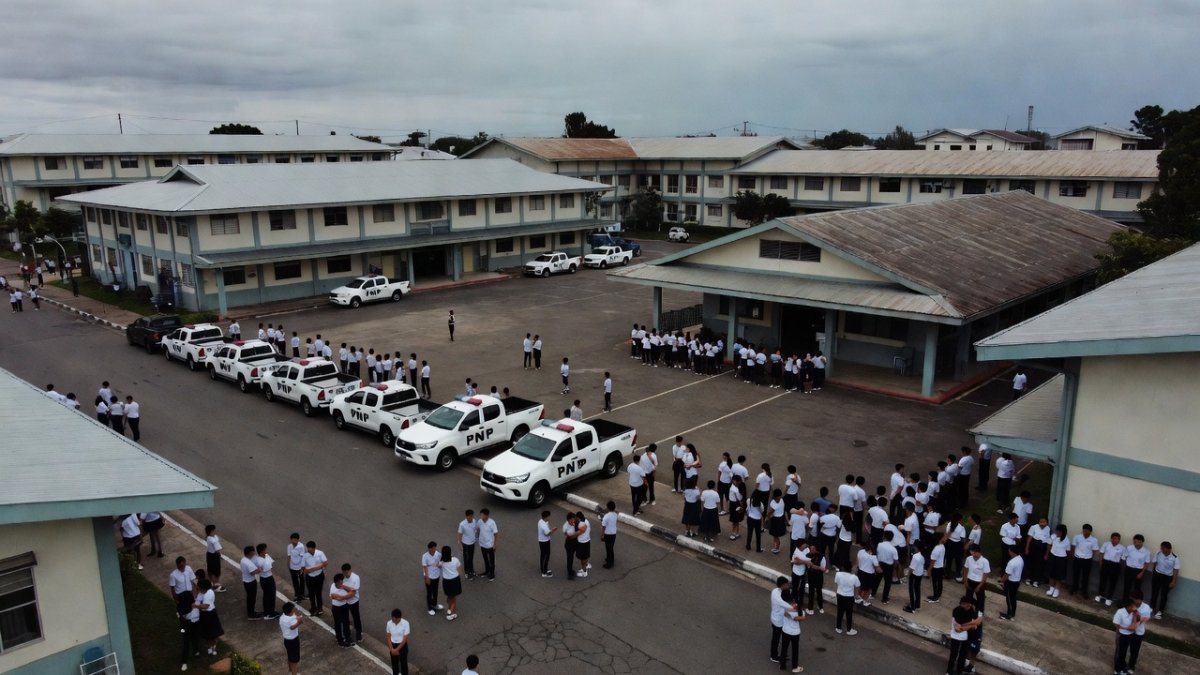
The Tragic Shooting at San Jose National High School
The incident unfolded on June 22, 2026, when two minors identified as Rod, aged 15, and Nash, aged 14, opened fire inside the campus of San Jose National High School in Tacloban City. Three students lost their lives while 20 others sustained injuries, with 15 suffering direct gunshot wounds and five more hurt during the chaos of escape and panic. The event sent shockwaves through a community that had long viewed its public schools as safe havens for learning and growth. Local residents described the morning as ordinary until the sounds of gunfire shattered the routine of classes and morning assemblies.
Authorities later confirmed that at least 34 bullets were fired during the attack, leaving visible damage across several classrooms and corridors. Families rushed to the scene in disbelief, searching for their children amid the confusion and emergency response. The school, serving many low-income households in Tacloban, became the center of grief as parents comforted one another outside the gates. Community leaders noted that such violence in an educational setting felt especially foreign to the tight-knit neighborhoods of the city.
Teachers who survived the ordeal spoke of the immediate need to account for every student while guiding the wounded to safety. The event forced many to confront how quickly a familiar space could turn into one of fear and loss. In the days that followed, the school remained closed as investigators collected evidence and counselors began reaching out to affected families. Tacloban residents gathered in small groups near the campus, sharing stories of the children who had been present that day.
Tacloban City, Leyte — San Jose National High School, scene of the June 22 shooting. (Global 1 News)
Profiles of the Young Suspects
Rod and Nash, both minors from Tacloban, were described by officials as students who had become deeply immersed in violent online games, particularly the mobile title GoreBox. Reports indicated that their addiction to these platforms may have played a role in shaping their actions on that June morning. Community members recalled seeing the boys spend long hours on their phones in neighborhood internet cafes before the incident. The revelation prompted immediate discussions among parents about the hidden dangers of unrestricted screen time.
Investigators noted that the pair had shown no prior signs of organized extremism but appeared influenced by the graphic content they consumed repeatedly. School records showed they attended classes regularly yet often seemed withdrawn during group activities. Families in the area expressed sorrow that two young lives had taken such a destructive path, leaving behind questions about guidance and supervision at home. Local barangay officials began informal conversations with other parents about monitoring online habits more closely.
The suspects were taken into custody shortly after the shooting, with authorities emphasizing their status as children under Philippine law. This classification meant their cases would follow specific procedures outlined in existing juvenile statutes. Community leaders stressed that the focus must remain on understanding the root causes rather than rushing to label the boys as irredeemable. Many residents voiced hope that support programs could still reach other at-risk youth in Tacloban before similar tragedies occurred.
Firearms Recovered and the Scale of the Attack
Police recovered two firearms at the scene: a .38-caliber Armscor revolver traced to a security agency in Cebu City and a 9mm Glock 17 pistol registered to a policewoman assigned to Police Regional Office 8. The presence of these weapons raised immediate questions about how they had left official or licensed possession and ended up with the minors. Investigators confirmed that the guns had been used to discharge at least 34 rounds inside the school building. The details underscored the challenges of securing firearms in a region where both private security firms and law enforcement operate.
Ballistic examinations linked the recovered ammunition directly to the injuries sustained by the 15 students with gunshot wounds. The five additional victims suffered fractures and bruises while fleeing the gunfire or during the resulting panic. Tacloban City police coordinated with national agencies to trace the chain of custody for both weapons. Community members expressed concern that such lapses could affect other schools if stronger accountability measures were not put in place.
Officials emphasized that the incident highlighted vulnerabilities in how firearms move between authorized holders and unauthorized users. Local leaders called for stricter inventory checks at security agencies and police units across Eastern Visayas. Families of the wounded students waited anxiously for updates on the investigation while coping with medical expenses. The scale of the attack left many residents wondering how two teenagers had managed to obtain and use the weapons without earlier detection.
Malacañang's Firm Response to the Incident
Presidential spokesperson Claire Castro rejected claims by Vice President Sara Duterte that the shooting represented an intelligence failure by government agencies. Castro stated clearly that the perpetrators were not terrorists but students addicted to violent online games. She announced that the administration was considering a ban on such gaming applications and tighter regulation of internet access for minors. The response focused on parental, guardian, and teacher responsibility in guiding young people away from harmful content.
Castro urged families across the country to become more involved in monitoring their children's digital activities. She highlighted the need for open conversations at home about the difference between entertainment and real-world consequences. Government agencies began reviewing existing policies on online platforms to prevent similar influences from reaching other Filipino youth. Tacloban officials welcomed the national attention while stressing that local support systems would also need strengthening.
The Palace statement emphasized compassion for the victims and their families rather than assigning broad blame to any single institution. Castro reiterated that the focus should remain on prevention through education and regulation. Community organizations in Tacloban began organizing parent forums to discuss the new recommendations. Many residents appreciated the measured tone that avoided politicizing the tragedy while still addressing its underlying factors.
Senate Probe into Online Influences
On July 1, Senator Risa Hontiveros, chair of the Senate committee on women and children, led the opening of a formal investigation into the role of online platforms in the Tacloban incident. The probe examined how digital spaces might contribute to the radicalization of children through repeated exposure to violent material. Hontiveros remarked that online platforms were becoming nests for brainwashing children, calling for greater accountability from technology companies. Lawmakers from multiple parties attended the initial hearings to hear testimony from educators and mental health experts.
Senator Sherwin Gatchalian announced the mobilization of the Parent Effectiveness Service Program under Republic Act 11908 to equip families with better tools for guiding their children. Senator Raffy Tulfo pushed for stronger enforcement of the Anti-Bullying Act in schools nationwide. Senator Paolo Benigno Aquino IV indicated plans to review the School Safety Act to address physical security gaps. Senator Christopher Go called for an examination of the Juvenile Justice and Welfare Act, Republic Act 9344, to ensure it balanced accountability with rehabilitation.
The hearings drew attention to the experiences of Tacloban families who had lost children or were caring for the wounded. Senators stressed that the goal was not punishment but systemic change to protect future generations. Local barangay captains shared stories of how the community was already beginning informal discussions about digital monitoring. The Senate inquiry was expected to produce recommendations that could influence national policy on both gaming and school safety.
Department of Justice's Assessment of Nihilistic Violent Extremism
Department of Justice spokesperson Polo Martinez stated that authorities were observing a possible pattern of nihilistic violent extremism, or NVE, in the Tacloban case. He clarified that the incident went beyond typical bullying and drew parallels to events such as the Columbine shooting in the United States. The assessment prompted the Cybercrime Investigation and Coordinating Center to issue a temporary ban on the GoreBox mobile game. Officials stressed that the classification would help guide future prevention strategies without stigmatizing all young gamers.
Under Republic Act 9344, children under 15 are exempt from criminal liability and must be placed in facilities such as Bahay Pag-asa for rehabilitation. Those aged 15 to 18 must demonstrate discernment before facing any legal consequences. Martinez emphasized that the DOJ would work closely with social welfare agencies to ensure the minors received appropriate care. Community leaders in Tacloban welcomed the focus on rehabilitation while still seeking justice for the victims.
The assessment also highlighted the need for mental health resources in public schools across the Philippines. Martinez noted that early intervention could prevent similar patterns from developing in other regions. Families affected by the shooting expressed hope that the legal framework would support both accountability and healing. The DOJ continued to coordinate with local authorities to gather additional evidence while respecting the rights of the young suspects.
The Human Toll on Tacloban Families and Community
Families in Tacloban continued to grieve the three children killed in the shooting while supporting the 20 wounded students recovering in local hospitals. Low-income households faced difficult choices between covering medical bills and meeting daily expenses such as food and transportation. Parents described sleepless nights worrying about their children's physical recovery and emotional scars. Community members organized small fundraisers to help offset costs that insurance or government aid had not yet covered.
Teachers at San Jose National High School questioned how they could restore a sense of security inside classrooms that had once felt routine and safe. Many expressed concern for students who now associated school with fear rather than learning. Barangay captains initiated informal talks with parents about monitoring online activity and recognizing signs of distress in their children. These conversations reflected the community's desire to prevent future incidents through collective vigilance.
The broader Tacloban population struggled to reconcile the violence with the city's reputation for resilience and close family ties. Local churches and civic groups opened their doors for counseling sessions and memorial gatherings. Wounded students shared stories of how the attack had interrupted their dreams of finishing high school and supporting their families. The human impact extended beyond the immediate victims to neighbors who now viewed public spaces with greater caution.
Broader Calls for Regulation and Support
Following the incident, national agencies began exploring ways to regulate violent gaming apps and limit minors' access to harmful online content. Officials emphasized that any measures would need to balance child protection with respect for family privacy and digital access. Community leaders in Tacloban advocated for increased funding for school counselors and mental health programs in public institutions. These efforts aimed to address the root causes rather than only the symptoms of youth violence.
Parents across Eastern Visayas expressed support for the proposed bans while stressing the importance of education on responsible internet use. Teachers called for clearer guidelines on identifying at-risk students before problems escalated. The incident prompted renewed discussions about how Philippine society could better support families in guiding their children through an increasingly digital world. Local organizations planned workshops to help parents recognize the signs of gaming addiction.
Residents hoped that the tragedy would lead to lasting changes that protect future generations of Filipino students. The focus remained on healing for the affected families and rebuilding trust in school environments. Community members continued to gather in small groups to share resources and emotional support. The collective response reflected Tacloban's enduring spirit of bayanihan in the face of unexpected loss. By Bella Reyes, Staff Writer
This article was produced with AI-assisted research and editorial support. Reporting is based on sources cited in the article.
What's Your Reaction?
 Like
0
Like
0
 Dislike
0
Dislike
0
 Love
0
Love
0
 Funny
0
Funny
0
 Wow
0
Wow
0
 Sad
0
Sad
0
 Angry
0
Angry
0

Africa Correspondent at Global1.News. Based in Lagos, covering politics, business, technology, and culture across the continent. Focused on telling African stories beyond the headlines — the innovation, entrepreneurs, and communities shaping the region's future.













Comments (0)