
Syria's First Post-Assad Parliament: A New Chapter in Damascus
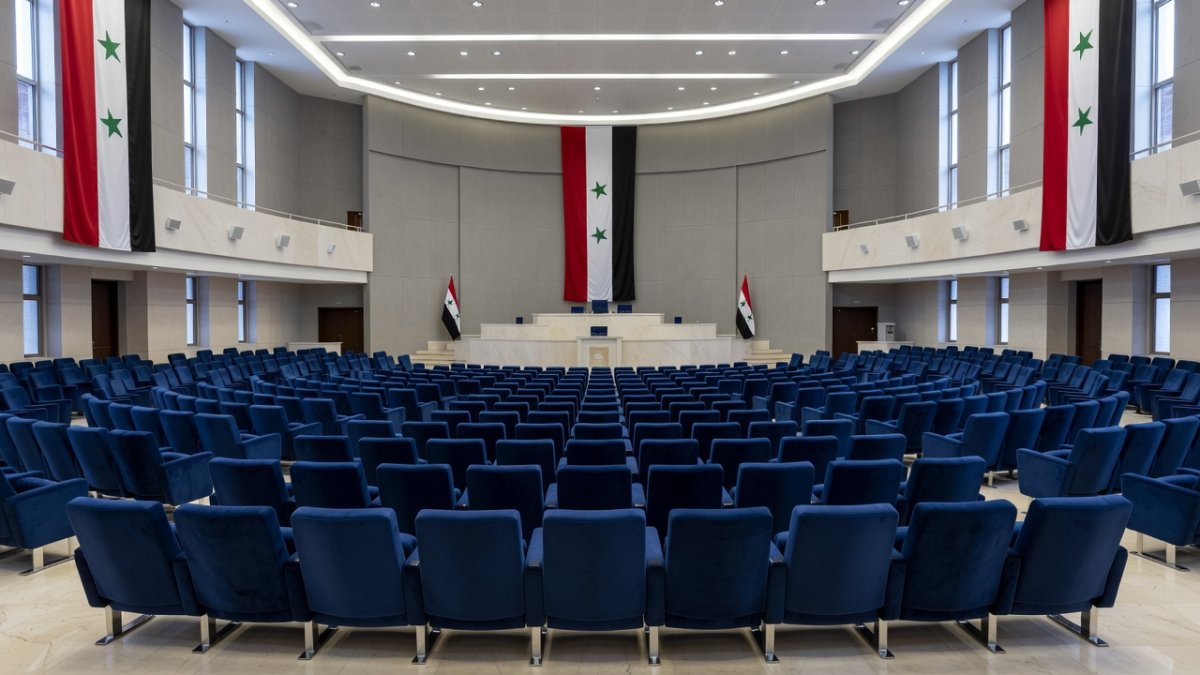
Formation of the 210-Seat Assembly The 210-seat People’s Assembly took final shape on 1 July 2026 when interim president Ahmed al-Sharaa appointed the remaining 70 lawmakers. This completed a body whose other 140 members had been chosen through regional electoral colleges during 2025, with the last seats in Raqqa and Hasakah filled only in June 2026. The process reflected both
Formation of the 210-Seat Assembly
The 210-seat People’s Assembly took final shape on 1 July 2026 when interim president Ahmed al-Sharaa appointed the remaining 70 lawmakers. This completed a body whose other 140 members had been chosen through regional electoral colleges during 2025, with the last seats in Raqqa and Hasakah filled only in June 2026. The process reflected both the hurried transition after the Assad regime’s collapse in December 2024 and the need to incorporate areas that had remained outside central control for years.
Al-Sharaa, who emerged as de facto leader on 8 December 2024 and was formally appointed president on 29 January 2025, used the appointments to balance regional representation with political reliability. The October 2025 elections produced uneven turnout, yet they established a baseline of local legitimacy that the later appointments were meant to reinforce rather than replace. The resulting chamber therefore mixes elected notables, technocrats and figures drawn from the former opposition.
The first session scheduled for 6 July 2026 marks the first parliamentary sitting since the fall of the previous regime. Its composition signals an attempt to project continuity with Syria’s pre-2011 institutional forms while adapting them to the new power realities. Observers note that the speed of completion was driven by the need to unlock further international financing and to demonstrate that transitional institutions are functioning.
Sectarian Balancing and Political Representation
The assembly contains between 15 and 17 women and 13 former political prisoners, figures that underscore both symbolic inclusion and the legacy of repression under the prior order. These numbers remain modest relative to the total, yet they represent a deliberate signal that the new authorities seek broader social legitimacy than their origins as a Sunni-majority movement might suggest. The transitional government formed in March 2025 already included Alawite, Christian, Kurdish and Druze ministers, and the parliament follows a similar logic of calibrated representation.
Sunni Muslims constitute the clear majority of members, consistent with Syria’s demographic makeup and the political base that propelled al-Sharaa to power. At the same time, the inclusion of minority representatives and former detainees is intended to blunt accusations of sectarian capture. Whether these members can exercise meaningful influence inside a chamber whose powers are tightly circumscribed remains an open question.
Analysts in Beirut and Ankara view the composition as a pragmatic compromise rather than a full embrace of pluralism. The presence of former prisoners offers a narrative of national reconciliation, yet their limited numbers suggest that security considerations continue to shape personnel decisions. The balance struck in July 2026 will be tested once the assembly begins to debate legislation and budgets.
Limited Powers Under Presidential Rule
The March 2025 constitutional declaration established a presidential system in which the head of state retains decisive authority over foreign policy, security and senior appointments. The new parliament therefore operates within narrow legislative bounds, its role largely confined to approving budgets and rubber-stamping executive initiatives. This framework was designed to prevent the institutional paralysis that characterised the final years of the previous regime.
Under the declaration, a permanent constitution must be drafted within three years, after which parliamentary and presidential elections could be held within a further year. Until then, the assembly functions more as a consultative body than a co-equal branch of government. Al-Sharaa’s supporters argue that strong executive authority is necessary during reconstruction; critics warn that the arrangement risks concentrating power indefinitely.
The limited mandate also reflects the transitional government’s desire to maintain policy coherence while managing competing regional and international demands. With US sanctions lifted in 2025 and Gulf capital beginning to flow, the priority is rapid decision-making rather than protracted legislative debate. The July 2026 session will therefore reveal how far the assembly is prepared to test the boundaries of its formal authority.
Turkey's Strategic Influence and the Kurdish Factor
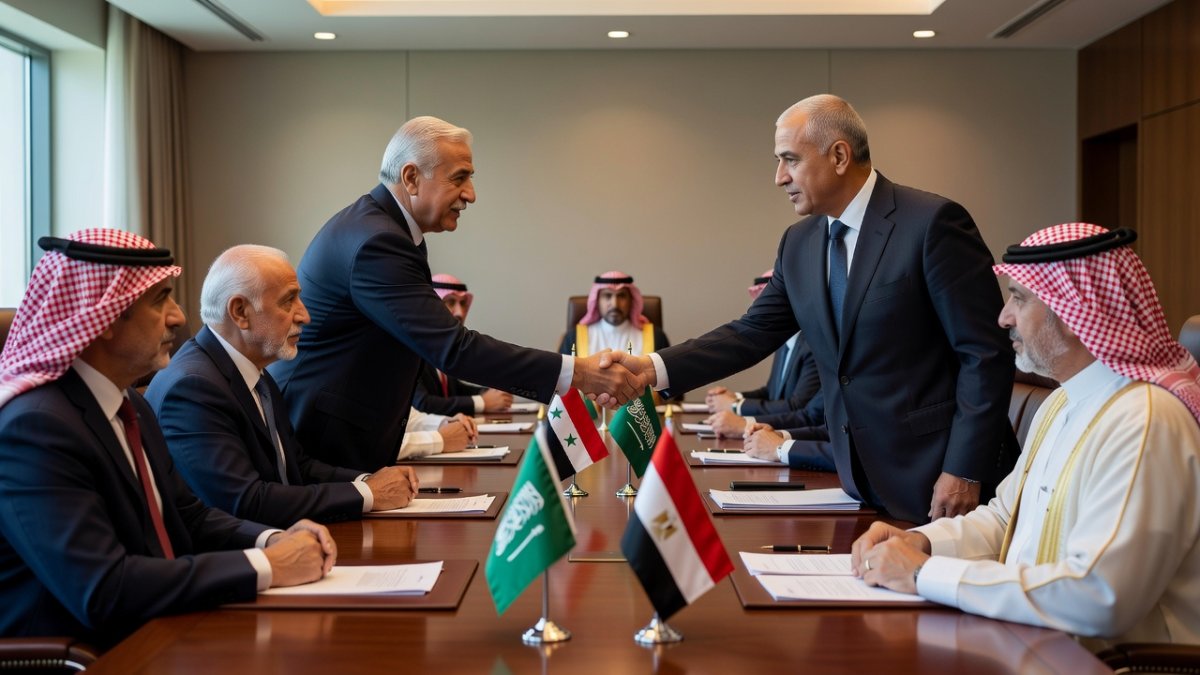
Turkey has maintained significant leverage over Syria’s transitional authorities since the Assad regime fell. Ankara’s security concerns regarding Kurdish groups have shaped both the SDF ceasefire with Damascus and the parameters of political inclusion in the north. The ceasefire, reached after months of quiet diplomacy, has reduced the risk of renewed clashes but has not resolved underlying disputes over governance in Kurdish-majority areas.
Al-Sharaa’s visits to Ankara formed part of a broader diplomatic campaign that also included Washington, London and Gulf capitals. Turkish officials have pressed for guarantees that no autonomous Kurdish entity will emerge along the border, while Damascus seeks Turkish support for reconstruction projects and the return of refugees. The parliament’s composition, with limited Kurdish representation, reflects these negotiations.
Observers expect Turkey to retain influence over security arrangements and infrastructure corridors in northern Syria. The SDF ceasefire remains fragile, dependent on continued coordination between Damascus and Ankara. Any future constitutional debate will have to address the status of Kurdish regions without triggering renewed Turkish intervention.
Gulf Investment and Economic Reconstruction
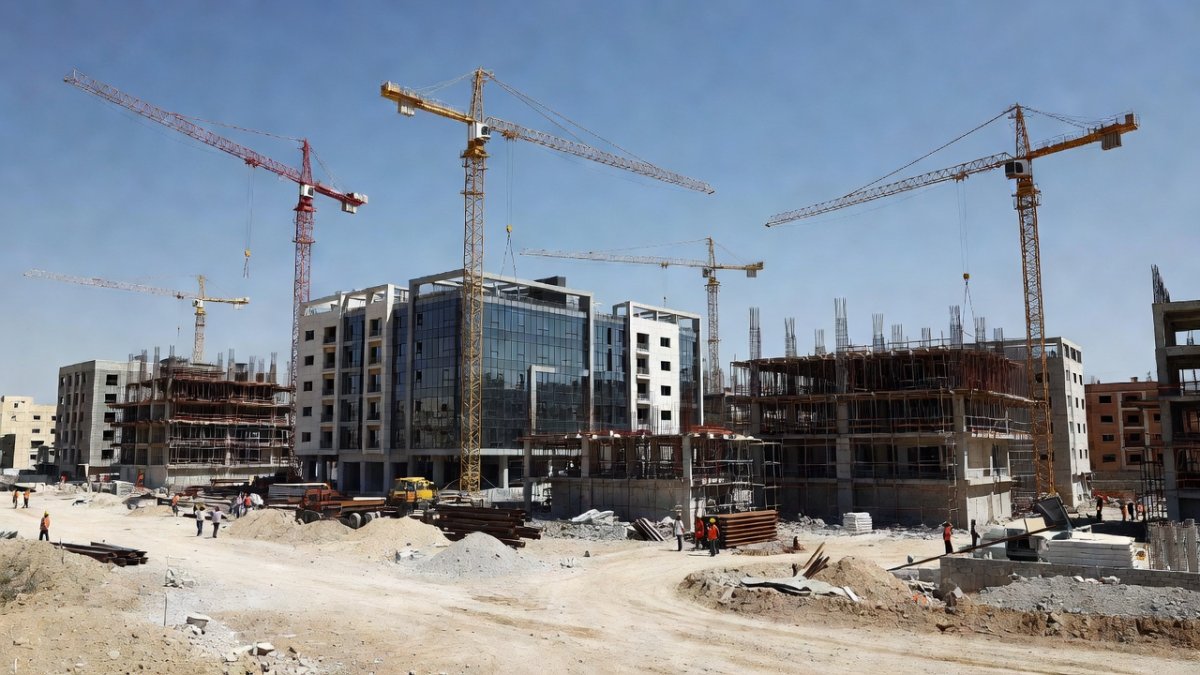
Saudi Arabia and Qatar have emerged as leading investors in Syria’s reconstruction, channelling funds through sovereign wealth vehicles whose combined assets exceed US$3 trillion. These commitments gained momentum after US sanctions were lifted in 2025 under the Trump administration, removing a major obstacle to large-scale capital inflows. IMF assessments released in early 2026 already note the beginnings of an economic turnaround driven by construction and energy projects.
The 23-minister transitional government has prioritised electricity, transport and housing rehabilitation, sectors where Gulf financing can deliver visible results quickly. Contracts awarded to regional firms have created employment while reinforcing political ties with Riyadh and Doha. Syrian officials emphasise that these investments are conditional on continued political stability and predictable governance.
Yet the scale of destruction remains vast, and the parliament’s limited budgetary powers mean that spending priorities will largely be set by the presidency and its international partners. The July 2026 session may debate reconstruction allocations, but real authority over major projects rests with the executive and Gulf funders. Sustained growth will depend on whether domestic institutions can absorb and manage these inflows effectively.
Broader Regional Implications
The convening of Syria’s new parliament occurs against a backdrop of shifting regional alignments. Iran’s influence has diminished markedly since December 2024, while Sunni-majority states have moved to normalise relations with the transitional authorities. This rebalancing has accelerated Arab efforts to reintegrate Syria into regional institutions and economic networks.
Gulf states view reconstruction assistance as both an economic opportunity and a means to shape Syria’s political trajectory. Their engagement reflects a broader diversification strategy that seeks to reduce dependence on any single external power. At the same time, Turkish and Gulf interests are not identical, creating potential friction over security arrangements and investment priorities.
The parliament’s formation therefore serves as a barometer of how far Syria’s new leadership can translate battlefield victory into durable regional acceptance. Success will be measured not only by institutional milestones but by the ability to maintain cooperative relations with Ankara, Riyadh and Doha simultaneously.
Al-Sharaa's Strategic Calculus
Ahmed al-Sharaa has pursued a dual track of domestic inclusion and international outreach since assuming the presidency. His 2025–2026 visits to Washington, London, Gulf capitals and Ankara were designed to secure sanctions relief, investment pledges and security understandings. Domestically, the appointment of minority ministers and the inclusion of former prisoners in parliament signal an effort to broaden the governing coalition without ceding core authority.
This balancing act is complicated by the origins of al-Sharaa’s movement and the expectations of its core supporters. The Sunni majority in the assembly reassures that base, while minority representation addresses external demands for pluralism. The limited powers granted to parliament further protect executive control during the sensitive reconstruction phase.
Whether this approach can be sustained depends on economic delivery and the absence of major security shocks. Al-Sharaa’s diplomatic gains have bought time, yet they have also raised expectations that the transitional authorities must now meet through tangible improvements in daily life.
Future Outlook: Constitution, Elections, and Stability Risks
The constitutional timeline set out in the March 2025 declaration gives the authorities up to three years to produce a permanent charter, followed by elections within four years. The July 2026 parliament will operate throughout this period, yet its influence over the drafting process remains unclear. Much will depend on whether the presidency chooses to involve the assembly substantively or treats it primarily as a legitimising body.
Stability risks include both over-centralisation and fragmentation. If the executive retains excessive control, opposition may grow among groups that feel excluded from meaningful decision-making. Conversely, premature decentralisation could embolden regional actors to challenge Damascus, particularly in the north where Turkish influence remains strong.
The coming months will test whether the new institutions can manage these tensions while delivering reconstruction dividends. Success would mark a decisive break with the Assad era; failure could return Syria to cycles of instability that have already exacted a devastating human and economic toll. By Malik Hassan, Staff Writer
This article was produced with AI-assisted research and editorial support. Reporting is based on sources cited in the article.
What's Your Reaction?
 Like
0
Like
0
 Dislike
0
Dislike
0
 Love
0
Love
0
 Funny
0
Funny
0
 Wow
0
Wow
0
 Sad
0
Sad
0
 Angry
0
Angry
0
Middle East Correspondent at Global1.News. Based in Beirut, covering politics, conflict, energy, and society across the Middle East. Brings context and depth to a region often reduced to headlines.









Comments (0)