
La Goyco Speaks Out on Ongoing Water Crisis Along Loíza Street
The water crisis gripping Puerto Rico has deepened with communities in the Santurce neighbourhood of San Juan now raising the alarm over interruptions lasting up to 90 days. Residents along Loíza Street, home to the renowned Taller Comunidad La Goyco cultural centre, are calling for urgent action as water trucks arrive sporadically and thousands struggle to access clean water f
The water crisis gripping Puerto Rico has deepened with communities in the Santurce neighbourhood of San Juan now raising the alarm over interruptions lasting up to 90 days. Residents along Loíza Street, home to the renowned Taller Comunidad La Goyco cultural centre, are calling for urgent action as water trucks arrive sporadically and thousands struggle to access clean water for daily needs. The situation has become so dire that the Governor has activated the National Guard and local mayors have taken legal action against the water authority.
La Goyco Speaks Out on Ongoing Water Crisis Along Loíza Street
San Juan, Puerto Rico — The water crisis gripping Puerto Rico has now reached a critical point along Loíza Street in the Santurce neighbourhood of San Juan, where residents have endured interruptions lasting up to 90 days. Communities there report going weeks without any running water at all, turning daily life into a constant struggle for basic needs. Taller Comunidad La Goyco, the community cultural centre housed in the former Pedro G. Goyco school on Loíza Street, has stepped forward to speak publicly about the situation, highlighting how the shortages affect not only homes but also vital community services such as plena music sessions, art workshops, the public library, and other neighbourhood programmes.
This ongoing shortage forms part of a wider pattern across Puerto Rico that has been escalating for more than a year, with some customers in San Juan experiencing intermittent service since early 2025. Nearly 40,000 customers faced water outages during the first weekend of June 2026 alone. The Santurce neighbourhood association has described the conditions as inhuman, noting that the lack of reliable water is destroying the emotional state of the people. In a region where more than 40 percent of Puerto Rico’s 3.2 million residents live below the poverty line, these disruptions hit the most vulnerable hardest, echoing challenges faced by small island developing states across the Caribbean where infrastructure often struggles under the weight of limited resources and increasing climate pressures.
La Goyco’s decision to speak out brings attention to how cultural and social hubs become lifelines when basic utilities fail. The centre continues its work despite the crisis, offering residents a place to gather and maintain community bonds even as water access remains unpredictable. This situation mirrors difficulties seen in other Caribbean nations, where water security is increasingly threatened by changing rainfall patterns linked to climate change, reminding us in Trinidad and Tobago how interconnected our regional vulnerabilities truly are.
The Heart of the Crisis on Loíza Street
The water crisis gripping Puerto Rico has now reached a critical point along Loíza Street in the Santurce neighbourhood of San Juan, where residents have endured interruptions lasting up to 90 days. Communities there report going weeks without any running water at all, turning daily life into a constant struggle for basic needs. Taller Comunidad La Goyco, the community cultural centre housed in the former Pedro G. Goyco school on Loíza Street, has stepped forward to speak publicly about the situation, highlighting how the shortages affect not only homes but also vital community services such as plena music sessions, art workshops, the public library, and other neighbourhood programmes.
This ongoing shortage forms part of a wider pattern across Puerto Rico that has been escalating for more than a year, with some customers in San Juan experiencing intermittent service since early 2025. Nearly 40,000 customers faced water outages during the first weekend of June 2026 alone. The Santurce neighbourhood association has described the conditions as inhuman, noting that the lack of reliable water is destroying the emotional state of the people. In a region where more than 40 percent of Puerto Rico’s 3.2 million residents live below the poverty line, these disruptions hit the most vulnerable hardest, echoing challenges faced by small island developing states across the Caribbean where infrastructure often struggles under the weight of limited resources and increasing climate pressures.
La Goyco’s decision to speak out brings attention to how cultural and social hubs become lifelines when basic utilities fail. The centre continues its work despite the crisis, offering residents a place to gather and maintain community bonds even as water access remains unpredictable. This situation mirrors difficulties seen in other Caribbean nations, where water security is increasingly threatened by changing rainfall patterns linked to climate change, reminding us in Trinidad and Tobago how interconnected our regional vulnerabilities truly are.
Voices from the Community: Personal Struggles
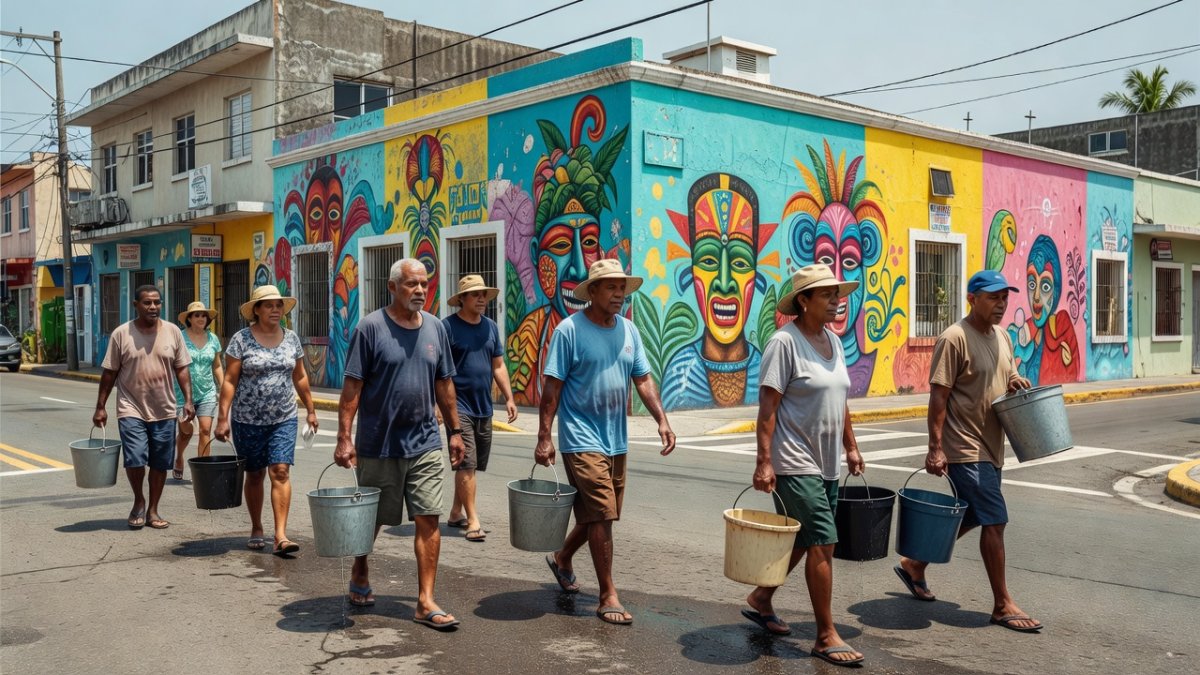
Residents along Loíza Street share heartbreaking accounts of the physical toll the water crisis has taken. Jeannette Mercado Rodríguez, aged 52, hauls five buckets and ten two-litre bottles up to her third-floor apartment every day, an effort that has already injured her shoulder. Elizabeth Sánchez, 79, injured her waist while carrying similar loads, and her husband has suffered a back injury from the same repeated task. These personal stories illustrate the daily burden placed on ordinary people who must secure water through sheer physical labour when taps run dry for weeks on end.
Luz Laborde, president of a neighbourhood association in Santurce, has been vocal about the human cost, stating that the situation represents another outrage because residents continue to receive bills for water they do not receive. She describes the overall impact as a disaster that feels inhuman and is eroding the emotional wellbeing of the community. Loíza Mayor Julia Nazario Fuentes of the PPD has echoed these sentiments, noting that the people are devastated, exhausted and frustrated by the prolonged uncertainty.
Such experiences highlight the resilience of Caribbean communities while underscoring the urgent need for reliable infrastructure. In Trinidad and Tobago, where we too have faced periods of water rationing, these accounts from Puerto Rico serve as a sobering reminder that water access is not merely a utility but a foundation for dignity and health. Climate change is intensifying these pressures across small island developing states, making community voices like those from Santurce essential in pushing for lasting solutions that protect the most vulnerable among us.
Official Responses and Deployments
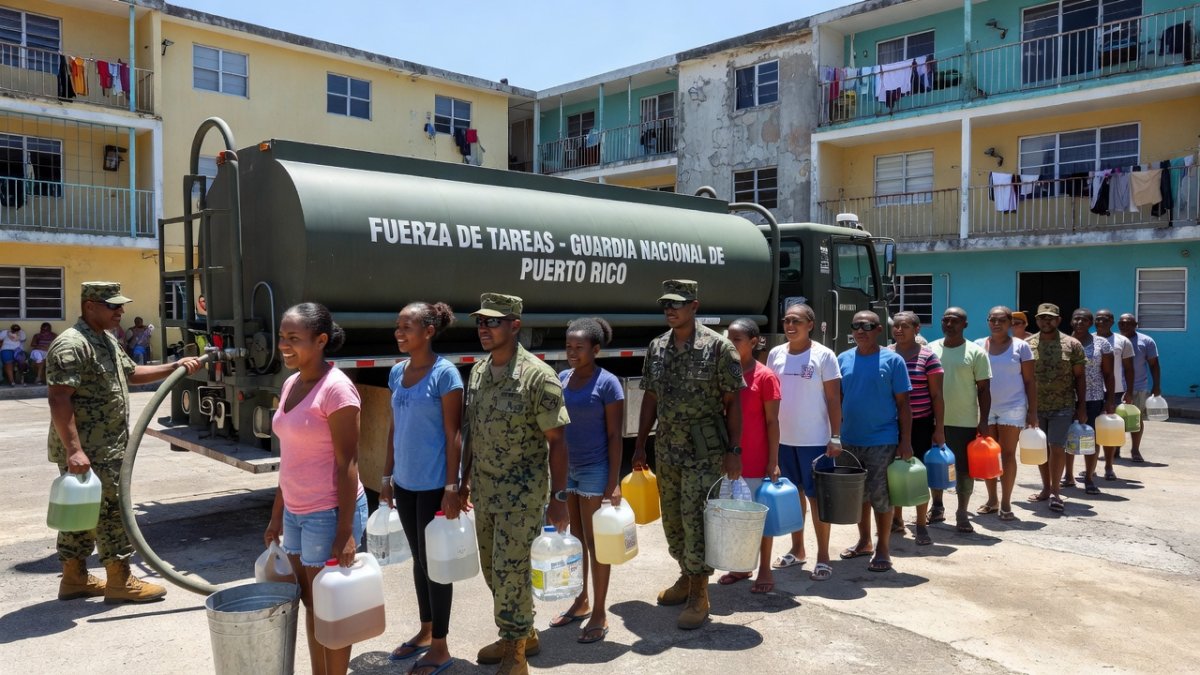
Governor Jenniffer González has taken steps to address the immediate needs by activating the National Guard and deploying four water trucks, each with a capacity of 2,000 gallons, to distribute water in affected areas. The Puerto Rico Tourism Company has supplemented these efforts with additional trucks holding 12,800 gallons each, specifically to serve hotels and short-term rentals that support the island’s vital tourism sector. The Department of Agriculture has also sanitised two milk transport trucks for use in potable water delivery, showing how existing resources are being repurposed in this time of need.
Despite these measures, residents report that water trucks often arrive without warning, meaning those at work frequently miss out on supplies. Stationary tankers have been known to sit empty for days, adding to the frustration. Governor González has announced $217 million in infrastructure projects aimed at tackling the water system’s shortcomings, while openly acknowledging that the infrastructure has lacked investment and maintenance for decades. These actions come alongside the recognition that Puerto Rico’s fragile electrical grid previously caused chronic power outages, and now water has joined the list of failing systems.
For Caribbean nations like Trinidad and Tobago, these responses offer both cautionary lessons and examples of adaptive thinking. Tourism remains a cornerstone of many island economies, and ensuring water security for visitors and locals alike is essential. As climate change alters rainfall and increases drought risks across the region, coordinated deployments of resources become ever more important in maintaining community stability and economic resilience.
Legal Actions and Investigations
San Juan Mayor Miguel Romero filed a lawsuit against the Puerto Rico Aqueduct and Sewer Authority, known as PRASA, in late May 2026, seeking accountability for the persistent shortages. A judge has since ordered experts to investigate the chronic water problems, with former PRASA regional director Roberto Martínez Toledo appointed to the investigative committee. These legal and expert-driven steps represent an attempt to uncover the root causes and push for systemic improvements beyond temporary relief measures.
The involvement of figures such as Roberto Martínez Toledo brings specialised knowledge to the inquiry, focusing on the decades of underinvestment that Governor González herself has highlighted. Residents and associations continue to press for answers, particularly regarding why billing persists despite non-delivery of water. Luz Laborde has called this practice another outrage, reflecting the deep sense of injustice felt across Santurce.
In the wider Caribbean context, such legal challenges underscore the importance of strong governance and transparent oversight in small island developing states. Trinidad and Tobago and neighbouring countries can draw from these developments as we confront our own infrastructure gaps. Climate change is placing additional strain on water resources throughout the region, making independent investigations and community advocacy crucial tools for securing equitable access and long-term planning that protects every citizen.
Infrastructure Failures and Regional Parallels
Puerto Rico’s water crisis reveals deep-seated infrastructure weaknesses that have built up over many years, now compounded by the effects of climate change on water security in small island developing states. The shift from chronic power outages to water shortages shows how interconnected these systems are, with limited maintenance leaving communities exposed when demand rises or weather patterns shift. Along Loíza Street, the reality of weeks without running water has forced residents to adapt in ways that affect health, work, and family life.
The $217 million in announced projects signals recognition of the need for major upgrades, yet the scale of the challenge remains significant given the history of underinvestment. Tourism implications are also clear, as the Tourism Company’s deployment of large-capacity trucks aims to protect visitor experiences while local neighbourhoods continue to struggle. This dual approach highlights the balancing act many Caribbean governments face between economic priorities and resident needs.
For Trinidad and Tobago, these parallels offer valuable perspective. We share similar vulnerabilities as small island nations, where climate change threatens rainfall reliability and ageing systems struggle to cope. Learning from Puerto Rico’s experience encourages us to prioritise proactive maintenance and community-centred planning, ensuring that water security supports both our people and our tourism industry in a warming world.
Community Resilience and Broader Lessons for the Caribbean
Through it all, the spirit of community remains strong in Santurce, with Taller Comunidad La Goyco continuing to provide cultural programmes and support services even amid the water shortages. The centre’s public stance on the crisis amplifies local voices and keeps attention focused on the human impact. Residents like Jeannette Mercado Rodríguez and Elizabeth Sánchez demonstrate quiet determination as they manage daily water collection, while associations led by Luz Laborde keep advocating for fair treatment and reliable supply.
The involvement of Loíza Mayor Julia Nazario Fuentes and the legal actions by San Juan Mayor Miguel Romero show how local leadership can drive accountability. Temporary measures such as the National Guard trucks and sanitised milk transport vehicles provide short-term relief, yet the call for lasting infrastructure investment grows louder. These efforts connect directly to regional concerns about climate change and water security that affect all small island developing states.
In Trinidad and Tobago, we watch these developments with empathy and a sense of shared purpose. The lessons from Puerto Rico remind us to strengthen our own systems, listen to community organisations, and prepare for the water challenges that climate change will bring. By standing together across the Caribbean, we can build more resilient futures where every neighbourhood has the water it needs to thrive.
By Sharon Sahatoo, Staff Writer
This article was produced with AI-assisted research and editorial support. Reporting is based on sources cited in the article.
What's Your Reaction?
 Like
0
Like
0
 Dislike
0
Dislike
0
 Love
0
Love
0
 Funny
0
Funny
0
 Wow
0
Wow
0
 Sad
0
Sad
0
 Angry
0
Angry
0

Caribbean Correspondent at Global1.News. Based in Port of Spain, Trinidad, covering Caribbean politics, economy, energy, climate, and culture. Amplifying the voices and stories of the Caribbean region.











Comments (0)