
Swiss Collector Aids First Nations Repatriation in Canada
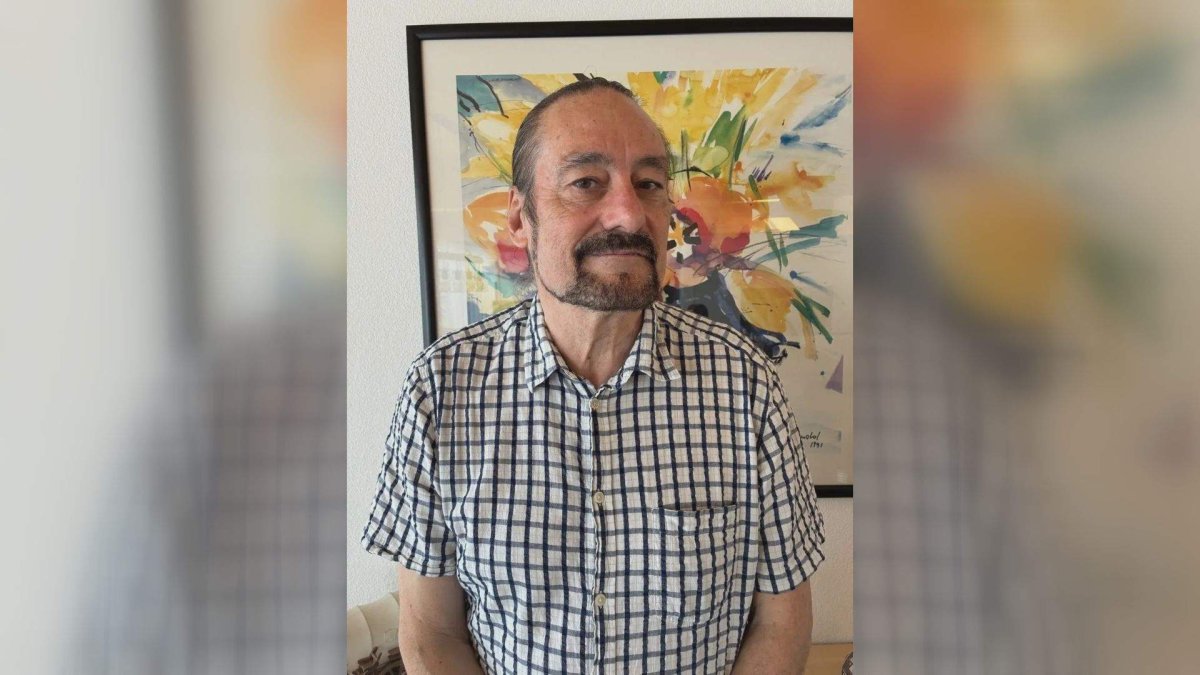
Repatriation Efforts Connect Swiss Collection to Canadian First Nations Swiss collector Vincent Escriba is collaborating with leaders from Manitoba-based First Nations to return thousands of ceremonial and historical items to their communities of origin. The initiative aligns with ongoing Canadian efforts to advance reconciliation through the return of cultural belongings. Thes
Repatriation Efforts Connect Swiss Collection to Canadian First Nations
Swiss collector Vincent Escriba is collaborating with leaders from Manitoba-based First Nations to return thousands of ceremonial and historical items to their communities of origin. The initiative aligns with ongoing Canadian efforts to advance reconciliation through the return of cultural belongings. These discussions reflect commitments under the Truth and Reconciliation Commission calls to action and the principles of the United Nations Declaration on the Rights of Indigenous Peoples.
Canadian institutions and Indigenous organisations have increased focus on provenance research and repatriation in recent years. The current project involves items from Dakota, Lakota, Ojibway, Cree, and Haida nations across the Canadian plains and beyond. Such work underscores the importance of federal-provincial coordination when addressing cross-border cultural heritage matters.
Repatriation remains a central element in restoring cultural continuity for Indigenous peoples in Canada. Leaders emphasise that returning these items supports language revitalisation, ceremony, and community identity. The Manitoba delegation's visit to Escriba's museum last year marked a concrete step toward potential transfer of the collection.
Details of the Private Collection Held Outside Zurich
Vincent Escriba, aged 67, maintains a private museum outside Zurich that houses thousands of items gathered from Indigenous nations in Canada and the northern United States. The collection includes ceremonial objects, historical artefacts, and cultural materials from multiple plains and coastal communities. Its estimated value ranges between thirteen and seventeen million dollars.
Escriba has stated that he wishes the items to remain together rather than be dispersed through individual sales. He requires the proceeds to support his retirement. This position creates both an opportunity and a constraint for Canadian repatriation advocates seeking to acquire the full assemblage.
The collector has indicated willingness to work with Indigenous representatives to facilitate the return. At the same time, he has made clear that alternative buyers will be sought if sufficient funds cannot be secured. The collection's scale and the collector's requirements shape the practical parameters of any transfer.
Manitoba Delegation Advances the Bringing Them Home Project
The Bringing Them Home Project, based in Manitoba, organised a delegation that visited Escriba's museum last year to examine the collection firsthand. Cree advocate Coleen Rajotte participated in that visit and contributed to discussions about the items' cultural significance. The project focuses on identifying and reclaiming materials held outside Canada.
Delegation members assessed the condition and provenance of numerous objects during their time in Switzerland. Their findings have informed subsequent planning for potential acquisition and transport. Canadian Indigenous organisations continue to coordinate with the project on documentation and community consultation.
The visit established direct communication between the collector and representatives of affected nations. This approach mirrors successful repatriation models that prioritise relationship-building over purely transactional arrangements. Project leaders have since shared updates with broader networks of First Nations, Inuit, and Métis organisations.
Financial Requirements Pose Significant Fundraising Challenge
Total costs for appraisal, purchase, and shipping of the collection could reach twenty million dollars. This figure exceeds the collection's estimated market value and accounts for specialised handling and international logistics. Canadian federal and provincial governments have not yet committed specific funding envelopes to this particular acquisition.
US tribal governments have been invited to contribute resources toward the purchase. Organisers are also exploring support from Canadian philanthropic sources and cultural institutions. The scale of the required sum means that multiple partners must align within a relatively short window.
If fundraising targets are not met, Escriba has indicated he will pursue other buyers. This possibility introduces time pressure on Canadian and American Indigenous groups working to keep the collection intact. Project coordinators continue to develop proposals that demonstrate both cultural necessity and financial accountability.
Canadian Repatriation Context Includes Vatican Returns and Museum Collaboration
The Vatican recently returned more than sixty items to Canadian Indigenous communities, providing a recent precedent for international repatriation. That transfer involved close coordination between the Holy See, Canadian diplomatic channels, and national Indigenous organisations. Such examples illustrate growing international recognition of Indigenous claims to cultural property.
The Canadian Museum of History is working with National Indigenous organisations on provenance research for items in its own holdings. These efforts support broader policy directions outlined in federal legislation and museum mandates. Collaboration between federal institutions and community representatives has become standard practise in contemporary Canadian heritage management.
Repatriation work in Canada frequently involves multiple jurisdictions because many collections crossed the Canada-US border historically. Federal-provincial relations therefore play a role when provincial museums or community organisations seek to participate in acquisitions. The current Swiss project adds an international dimension to these established domestic processes.
Indigenous Leaders Frame Repatriation as Essential to Reconciliation
First Nations, Inuit, and Métis leaders have consistently described repatriation as critical to advancing reconciliation in Canada. Returning ceremonial items allows communities to resume interrupted practices and to transmit knowledge across generations. These outcomes directly support the objectives set out in the Truth and Reconciliation Commission final report.
Advocates note that cultural belongings held in distant collections represent ongoing separation from their source communities. Reconnecting these items with living traditions strengthens identity and wellbeing. The Bringing Them Home Project embodies this perspective through its focus on collective return rather than individual display.
UNDRIP articles concerning cultural heritage provide an international framework that Canadian governments have endorsed. Implementation of these standards continues through policy development at federal and provincial levels. Indigenous organisations maintain that adequate resources must accompany policy commitments if repatriation is to succeed at scale.
Next Steps Involve Coordinated Fundraising and Risk Assessment
Project organisers are now developing detailed timelines for appraisal and negotiation with Escriba. These steps require careful coordination among Canadian Indigenous governments, US tribal partners, and potential funders. Any agreement must address both the collector's retirement needs and community expectations for the items' future care.
Risks include failure to reach the twenty-million-dollar target and the possibility that competing buyers could acquire portions of the collection. Alternative scenarios under discussion involve phased acquisitions or partnerships with established Canadian museums. Each option carries implications for long-term stewardship and public access.
Continued dialogue between the Bringing Them Home Project and the collector will determine whether a Canadian-led solution can be achieved. Success would represent a significant milestone in international repatriation involving Canadian First Nations. Failure would likely result in the collection entering the private market, with uncertain outcomes for the communities of origin.
Tags: repatriation, Indigenous artefacts, Bringing Them Home Project, Vincent Escriba, Canadian Museum of History, Truth and Reconciliation, UNDRIP, First Nations, Manitoba, cultural heritage
By Alex Thompson, Staff WriterThis article was produced with AI-assisted research and editorial support. Reporting is based on sources cited in the article.
What's Your Reaction?
 Like
0
Like
0
 Dislike
0
Dislike
0
 Love
0
Love
0
 Funny
0
Funny
0
 Wow
0
Wow
0
 Sad
0
Sad
0
 Angry
0
Angry
0

Canada Correspondent at Global1.News. Based in Toronto, covering Canadian politics, energy, trade, and US-Canada relations. Provides the Canadian perspective on North American and global affairs.














Comments (0)