
Strait of Hormuz Crisis Deepens as Trump and Iran Trade Threats Over Vital Waterway
Strait of Hormuz Crisis Deepens as Trump and Iran Trade Threats Over Vital Waterway The Strait of Hormuz, the narrow waterway through which roughly one-fifth of the world's oil supply passes, has become the epicentre of a fresh diplomatic crisis this weekend after Donald Trump threatened to impose American tolls on the channel and Iran's Revolutionary Guard declared it closed t
Strait of Hormuz Crisis Deepens as Trump and Iran Trade Threats Over Vital Waterway
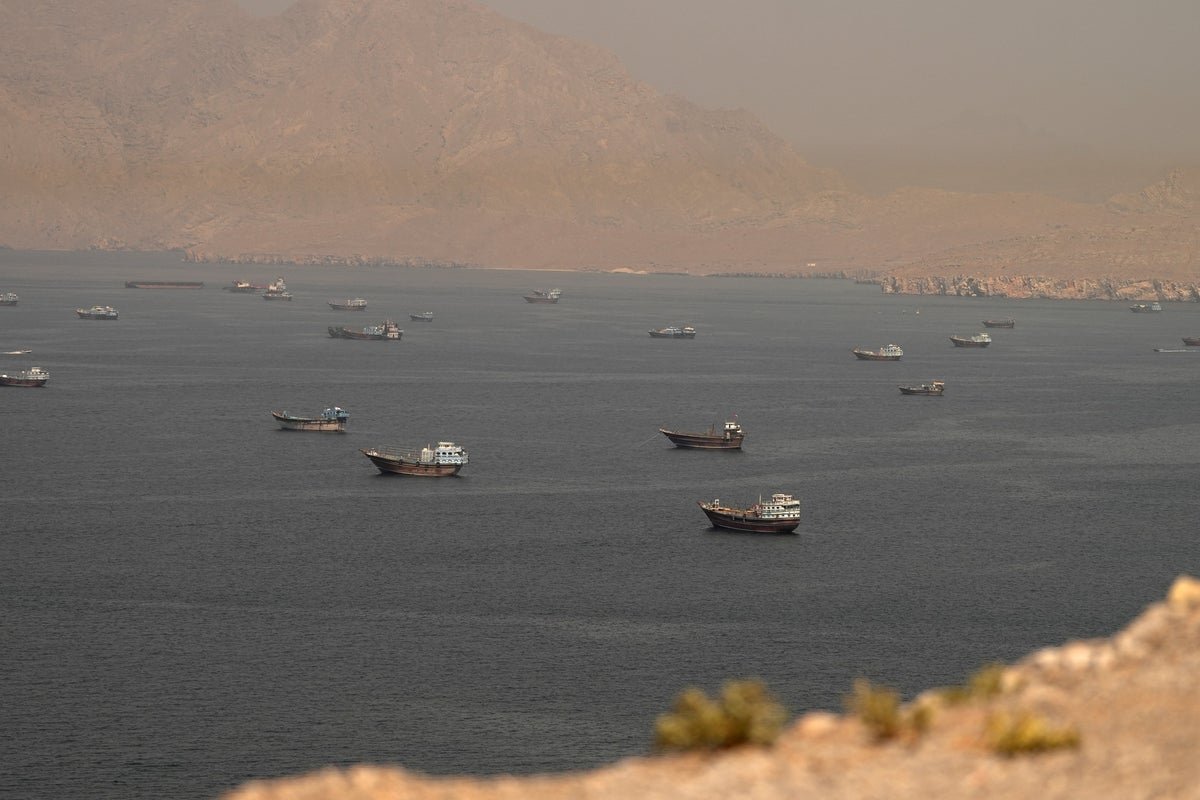
The Strait of Hormuz, the narrow waterway through which roughly one-fifth of the world's oil supply passes, has become the epicentre of a fresh diplomatic crisis this weekend after Donald Trump threatened to impose American tolls on the channel and Iran's Revolutionary Guard declared it closed to tanker traffic. The developments, unfolding just days after a fragile 60-day ceasefire was signed between Washington and Tehran, have raised urgent questions about global energy security, the stability of the interim deal, and what the escalating rhetoric means for British households already grappling with high fuel costs. Mr Trump's intervention via Truth Social on Saturday evening framed the United States as the self-appointed "Guardian Angel" of the Middle East, insisting that any tolls during the ceasefire period must benefit Washington alone for services rendered. This stance directly contradicted earlier assurances from the US military that tanker traffic continued uninterrupted through the strait, with American forces actively monitoring the situation to prevent any disruption. Analysts in London noted that such unilateral posturing risks undermining the very ceasefire brokered with Pakistani assistance, potentially exposing European allies to retaliatory measures from Tehran that could ripple through supply chains.
Further scrutiny of the tolls proposal reveals a calculated bid by Mr Trump to extract concessions before the interim deal advances. By positioning American oversight as indispensable, the US president appears to be leveraging the waterway's strategic value to pressure Iran into finalising terms favourable to US interests. Iranian officials, however, have dismissed the idea outright, viewing it as an infringement on their sovereign control over territorial waters. The Revolutionary Guard's declaration of closure, issued through the Khatam al-Anbiya Central Headquarters, was presented as the initial response to alleged ceasefire violations by both the United States and Israel. This move, while dramatic in tone, has yet to translate into physical blockades, according to shipping reports from the region, though the threat alone has prompted insurers to reassess premiums for vessels transiting the area.
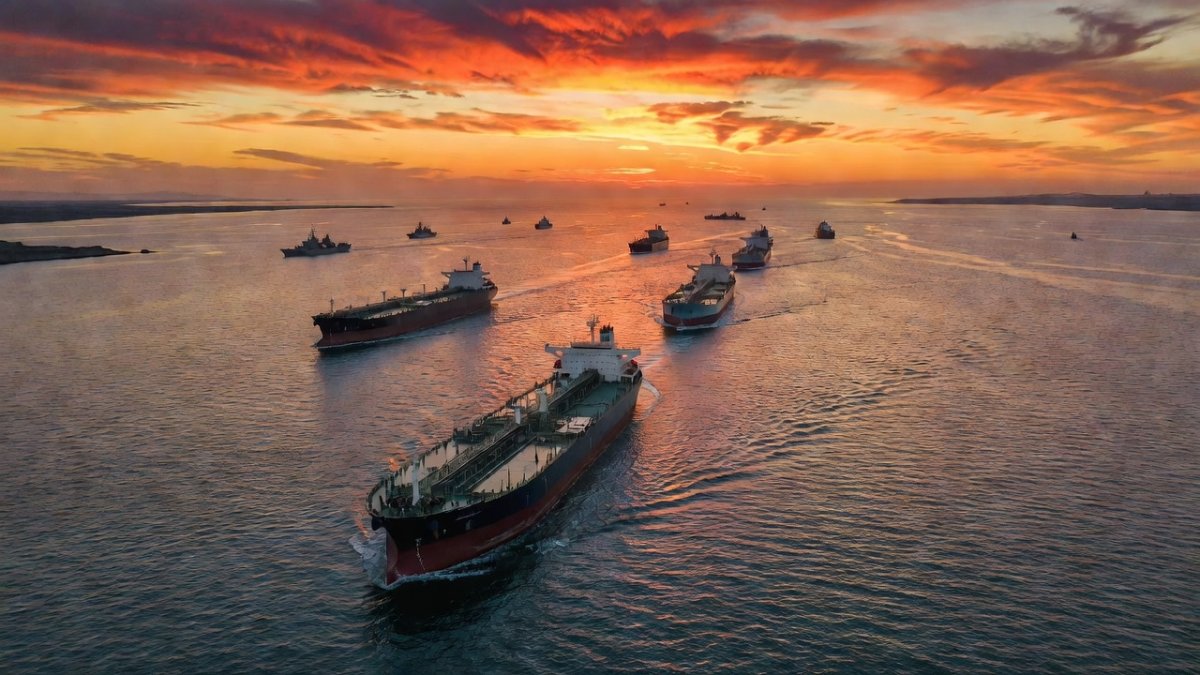
Global1.News illustration (AI-generated)
Iran's Closure Declaration and Its Practical Implications
Iran's top military command described the Strait of Hormuz shutdown as merely the opening gambit in a broader strategy against perceived aggression. The statement warned that additional steps would follow if violations persisted, a clear signal that Tehran intends to test the boundaries of the 60-day ceasefire without immediately derailing talks. In practice, the declaration has not halted all maritime movement, with the US military confirming ongoing tanker flows and vowing continued vigilance. Yet the psychological impact on global markets has been immediate, driving up spot prices for crude as traders factor in the possibility of future interruptions.
Regional experts emphasise that enforcing a full closure would require significant resources from Iran's Revolutionary Guard, including naval patrols and mine-laying operations that could invite direct confrontation. Such actions might also alienate neutral shipping nations reliant on the strait for energy exports. For Britain, any sustained disruption carries the risk of renewed volatility in petrol and heating oil costs, compounding existing pressures from post-pandemic recovery and European supply constraints. Diplomats in Brussels have already begun contingency planning, reviewing alternative routes via pipelines and longer sea voyages around the Cape of Good Hope.
The timing of Iran's announcement, just ahead of the Swiss talks, suggests a deliberate effort to strengthen Tehran's negotiating position. By raising the stakes publicly, Iranian leaders aim to extract guarantees against further Israeli or American incursions during the ceasefire window. Observers caution, however, that miscalculation on either side could collapse the fragile accord before substantive progress occurs.
Reuters
The Switzerland Negotiations and Key Figures Involved
Iran's negotiating delegation has arrived in Switzerland to engage with American counterparts on advancing the interim deal. US vice president JD Vance has indicated he may join the discussions for a day or two, expressing confidence that the ceasefire will hold despite the Hormuz rhetoric. He cited a lack of evidence that the strait has been physically sealed, underscoring Washington's determination to keep channels open. Meanwhile, senior US negotiators Jared Kushner and Steve Witkoff are already on the ground, preparing the ground for potential breakthroughs on sanctions relief and nuclear oversight.
The presence of these figures highlights the high-level stakes involved, with both sides seeking to build on the Pakistan-brokered ceasefire signed only days earlier. Iranian representatives are expected to press for verifiable commitments against further strikes, while American officials focus on compliance mechanisms. European diplomats, including those from Britain, are monitoring developments closely, aware that any deal could influence NATO's broader posture in the Gulf.
Challenges remain substantial, particularly around verification of the Revolutionary Guard's intentions. Past negotiations have faltered over trust deficits, and the current environment of public threats risks repeating those patterns. Still, the decision to convene in neutral Switzerland offers a structured forum that could de-escalate tensions if both parties demonstrate restraint.
Israeli Strikes on Lebanon Amid Ceasefire Tensions
Israeli strikes on Lebanon killed at least 20 people on Saturday, according to Lebanon's state news agency, in what Israel described as a response to overnight projectiles fired by Hezbollah. An Israeli military official confirmed that Hezbollah had launched more than 50 projectiles toward forces in southern Lebanon, prompting retaliatory action involving warplanes and drones across multiple sites in the south and the Bekaa Valley. Hezbollah has accused Israel of hundreds of ceasefire violations and warned that continued attacks will not go unanswered.
These exchanges underscore the interconnected nature of regional flashpoints, where tensions in one theatre can quickly affect others. The Lebanon incidents occurred against the backdrop of the US-Iran ceasefire, raising concerns that proxy dynamics could undermine the Swiss talks. Lebanon's National News Agency reported extensive damage to civilian areas, prompting calls from humanitarian organisations for immediate de-escalation.
British foreign policy analysts argue that such spillover risks demand coordinated international pressure to reinforce existing truces. Without swift intervention, the cycle of retaliation could draw in additional actors and complicate energy security calculations tied to the Strait of Hormuz.
The Clash Between Trump and Italian Prime Minister Meloni
Italian Prime Minister Giorgia Meloni directly confronted Mr Trump on Saturday, urging him to focus on his own popularity after he accused her of seeking photo opportunities to bolster domestic standing. Mr Trump had claimed Ms Meloni "begged" for an image during the recent Group of Seven summit in France, prompting a sharp Instagram response in which she labelled the remarks senseless and unprovoked. Her government's approval ratings have climbed to around 35 per cent, a development she defended as unrelated to Washington ties.
Ms Meloni also asserted Italy's sovereignty over US military bases on its territory, rejecting any implication of subservience. The exchange illustrates the personal frictions that can complicate alliance management, particularly when leaders engage through social media. European partners have watched the spat with unease, concerned it could distract from collective responses to Gulf instability.
Despite the rhetoric, both nations maintain extensive security cooperation, suggesting the dispute may remain rhetorical rather than operational. Still, it serves as a reminder that personal diplomacy under Mr Trump often carries unpredictable edges.
Implications for the United Kingdom's Energy Security and Political Landscape
British households face renewed uncertainty over fuel costs as the Hormuz crisis unfolds, with analysts warning that even temporary disruptions could add several pence per litre to petrol prices within weeks. Westminster has responded with calls for diversified energy sources, including accelerated investment in North Sea reserves and renewable infrastructure to reduce reliance on Gulf transit routes. Opposition figures have criticised the government for insufficient contingency planning, arguing that the 60-day ceasefire offers only a narrow window for strategic adjustments.
Energy minister statements have emphasised monitoring through international partners, while stressing the importance of stable transatlantic relations. The Meloni-Trump tensions add another layer of complexity, as European unity on sanctions and trade could be tested if personal disputes escalate. Meanwhile, shipping industry representatives in London have begun reviewing insurance protocols, anticipating higher premiums that would ultimately pass to consumers.
Longer-term, the episode highlights Britain's vulnerability to distant geopolitical shocks, prompting renewed debate in Parliament over energy independence targets. Policymakers are examining lessons from previous crises, including the need for strategic stockpiles and diplomatic engagement to prevent escalation. As talks in Switzerland proceed, UK officials will seek assurances that any interim deal incorporates safeguards for global maritime access, protecting both economic stability and alliance cohesion in an increasingly fractious region.
By Erica Thornton, Staff WriterThis article was produced with AI-assisted research and editorial support. Reporting is based on sources cited in the article.
What's Your Reaction?
 Like
0
Like
0
 Dislike
0
Dislike
0
 Love
0
Love
0
 Funny
0
Funny
0
 Wow
0
Wow
0
 Sad
0
Sad
0
 Angry
0
Angry
0

US Politics and Policy Correspondent at Global1.News. Based in Washington DC, covering American politics, policy, elections, and the courts. Knows how the system works and tells you what it actually means.











Comments (0)