
South Africa's World Cup Legacy: 2010 Stadiums to Bafana's 2026 Return
The 2010 World Cup — South Africa as first African host, the atmosphere, impact South Africa became the first African nation to host the FIFA World Cup in 2010, with the opening match at Soccer City in Johannesburg drawing 84,490 spectators on 11 June. The tournament featured 64 matches across nine venues, generating R93 billion in economic activity according to government repo
The 2010 World Cup — South Africa as first African host, the atmosphere, impact
South Africa became the first African nation to host the FIFA World Cup in 2010, with the opening match at Soccer City in Johannesburg drawing 84,490 spectators on 11 June. The tournament featured 64 matches across nine venues, generating R93 billion in economic activity according to government reports at the time. Bafana Bafana played their group stage games at Soccer City and Moses Mabhida Stadium in Durban, creating an electric atmosphere that mixed vuvuzela blasts with traditional amapiano rhythms echoing from the stands.
The event transformed infrastructure in cities like Cape Town, Durban, and Port Elizabeth, where new transport links such as the Gautrain and Cape Town Stadium precincts were completed ahead of the tournament. SAFA and SASCOC coordinated volunteer programs that trained over 10,000 locals, many from townships around Soweto and Khayelitsha. This first African hosting showcased South African rugby and cricket culture alongside football, with Springbok fans and Proteas supporters joining the celebrations at fan fests.
Legacy planning tied directly into national pride, as the 2010 World Cup coincided with the 16th anniversary of democracy. MultiChoice broadcast rights deals expanded coverage to rural areas, while SuperSport introduced dedicated channels that still operate today. The tournament's impact reached beyond football into broader sports development, influencing how Cricket South Africa and SA Rugby later used similar stadium precincts for major events.
Thriving stadiums — Soccer City/FNB (Kaizer Chiefs, Bafana), Cape Town Stadium (Stormers), Moses Mabhida (tourist attraction)
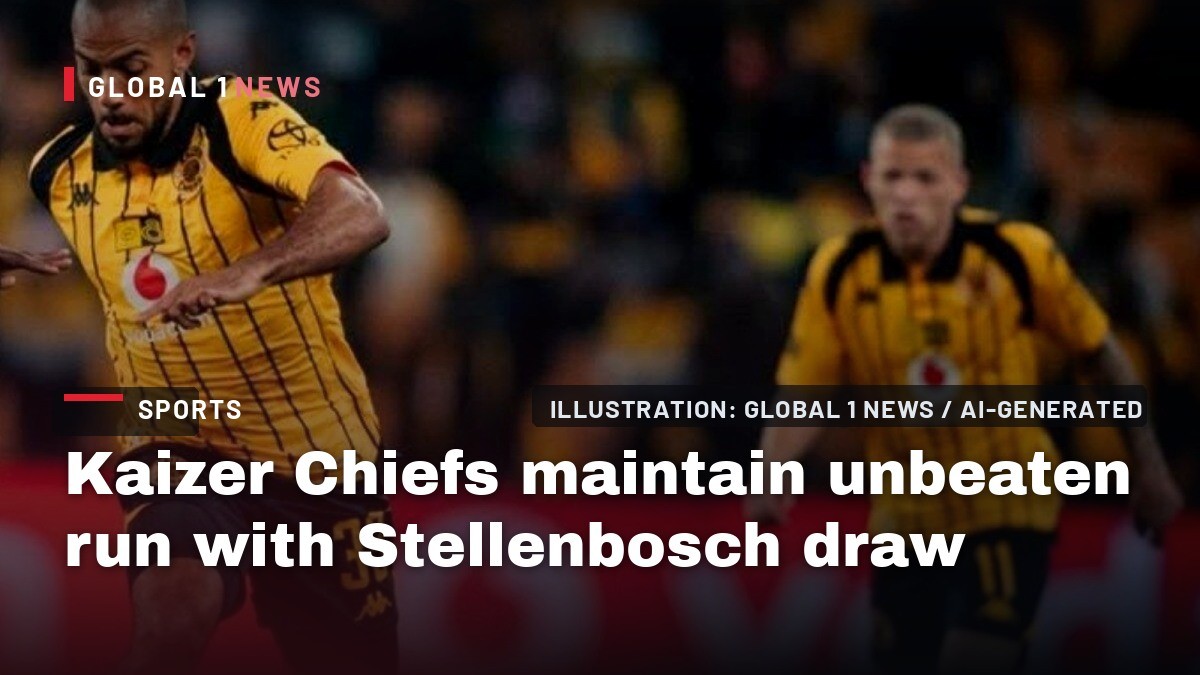
Soccer City, also known as FNB Stadium, remains the busiest venue from the 2010 tournament, regularly hosting Kaizer Chiefs matches in the Premier Soccer League and Bafana Bafana qualifiers. The 94,736-capacity ground in Nasrec, Johannesburg, has seen consistent upgrades funded partly through PSL revenue sharing. Kaizer Chiefs average attendances above 25,000 for home games, keeping the venue central to Soweto football culture and national team preparations.
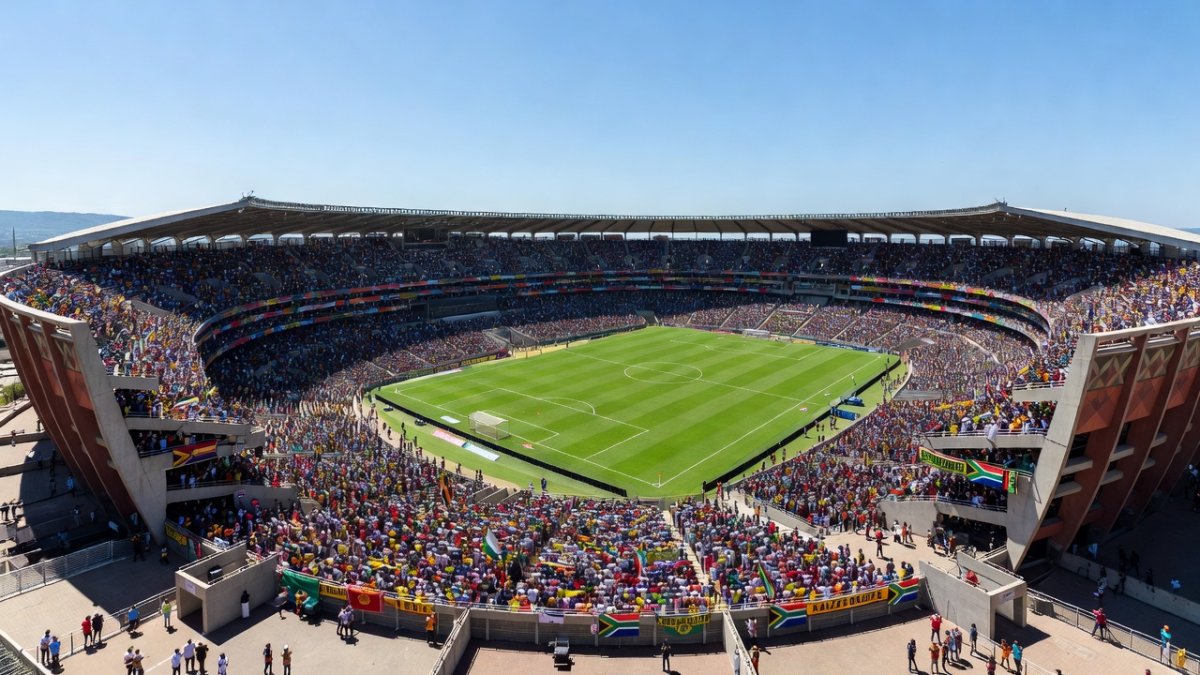
Cape Town Stadium has found strong secondary use through rugby, serving as the home ground for the Stormers in the United Rugby Championship. The 55,000-seat facility hosts matches that draw crowds from the Western Cape rugby heartlands, with SA Rugby scheduling key fixtures there during the Currie Cup and international tours. This integration with rugby has kept maintenance costs manageable while linking football infrastructure to the broader South African sports calendar.
Moses Mabhida Stadium in Durban operates primarily as a tourist and events destination, with its iconic arch offering adventure activities like the Big Rush swing. The 54,000-capacity venue still stages occasional PSL matches and Bafana Bafana games, while Durban's beachfront location helps attract international visitors year-round. These thriving sites demonstrate how 2010 infrastructure succeeded when aligned with existing club structures and multi-sport usage.
Underused stadiums — Mbombela, Peter Mokaba, Nelson Mandela Bay — why they struggle, regional economic factors
Mbombela Stadium in Nelspruit, built for the 2010 tournament with a 40,929 capacity, now sees limited use outside occasional PSL matches and school events. The Mpumalanga venue struggles because the region lacks a top-flight PSL club with consistent fan bases, leaving maintenance reliant on provincial government budgets that have faced cuts in recent years. Economic factors in the lowveld area, including reliance on agriculture and tourism rather than urban industry, have reduced regular event revenue.
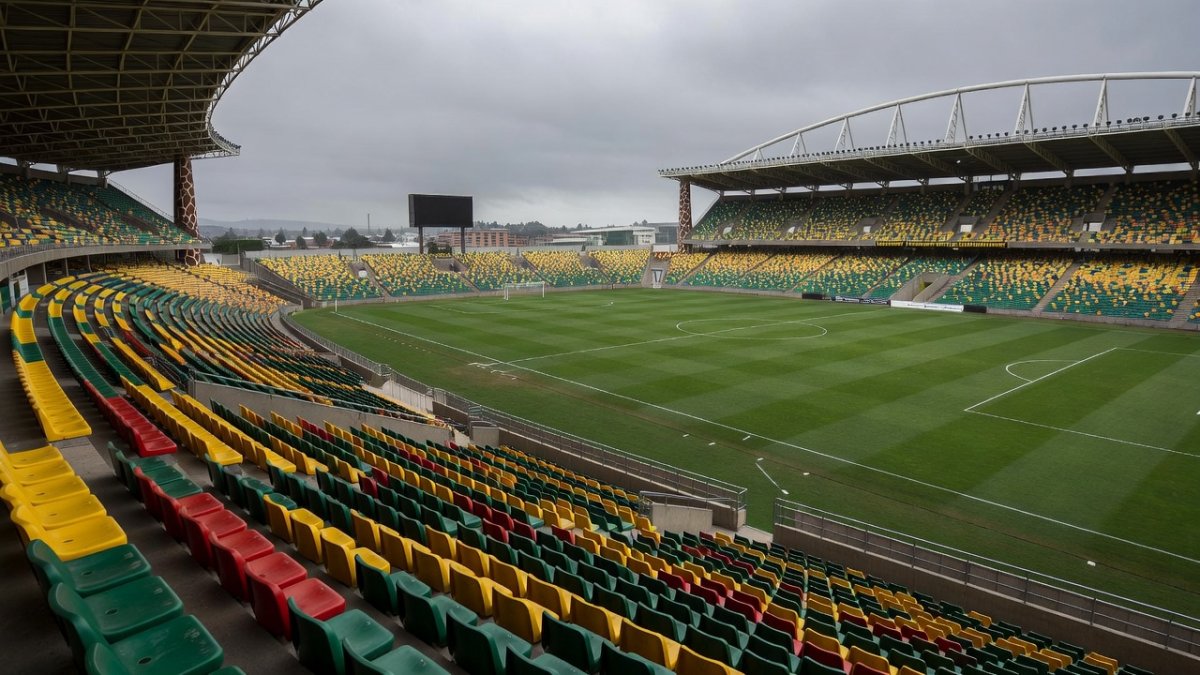
Peter Mokaba Stadium in Polokwane faces similar challenges, with its 41,733 seats largely empty except during rare national team fixtures or Limpopo provincial tournaments. The absence of a strong local PSL side means the venue cannot generate the match-day income needed for upkeep, while regional economic pressures from mining sector fluctuations have limited corporate sponsorship. SAFA has attempted to route youth tournaments there, yet attendance remains low compared with Gauteng venues.
Nelson Mandela Bay Stadium in Gqeberha, with its 46,082 capacity, has hosted fewer than ten major events annually in recent years. The Eastern Cape location suffers from weaker transport links and competition from Cape Town and Johannesburg for big matches, compounded by slower economic growth in the metro area. These underused stadiums highlight how 2010 planning did not fully account for long-term regional disparities in football infrastructure support.
Bafana Bafana's 2026 return — first WC since 2010, Hugo Broos, 48-team format, 10 African qualifiers
Bafana Bafana will return to the FIFA World Cup in 2026 for the first time since hosting in 2010, with coach Hugo Broos leading the side through CAF qualifiers. The expanded 48-team format gives Africa ten slots, increasing qualification chances for South Africa after years of near-misses in previous cycles. Broos has focused on blending experienced PSL players with overseas-based talent, using the larger tournament structure as motivation during training camps in Johannesburg.
The 2026 tournament, co-hosted by the United States, Canada, and Mexico, offers Bafana Bafana a realistic path through the expanded group stage. SAFA has aligned preparation with the 10 African qualifier spots, scheduling friendlies against other CAF nations and monitoring progress in the Africa Cup of Nations. This return connects directly to the 2010 legacy, as many current players grew up watching the original tournament on television in townships.
Qualification efforts have gained support from SuperSport and MultiChoice, which have increased coverage of Bafana matches to build national momentum. The 48-team format reduces the pressure that existed in 2010, allowing South Africa to aim for progression beyond the group stage. Hugo Broos continues to emphasize discipline and tactical awareness drawn from his experience with the national setup since 2021.
Grassroots development — MultiChoice Diski Challenge, SAFA programs, transformation, township football
The MultiChoice Diski Challenge has become a cornerstone of South African football development, providing competitive matches for PSL reserve teams and exposing young players from townships to professional standards. Launched after 2010, the competition runs parallel to the main PSL season and has produced talents who later represented Bafana Bafana. SAFA integrates Diski Challenge results into its national youth selection process, creating a clearer pathway from grassroots to senior level.
SAFA's transformation programs target historically disadvantaged communities, funding coaching courses and equipment distribution in areas such as Alexandra, Gugulethu, and Umlazi. These initiatives build on the 2010 legacy by using upgraded training facilities originally constructed for the World Cup. SASCOC has supported broader sports transformation targets that include football, ensuring demographic representation across national teams and administrative roles.
Township football remains the heartbeat of South African development, with informal leagues in Soweto and other areas feeding players into SAFA structures. The Diski Challenge and related programs have increased visibility for these players, while broadcasting partnerships with SuperSport allow scouts to identify talent without leaving their regions. This grassroots focus addresses gaps left by the 2010 stadium investments by prioritizing people over buildings.
Comparing host legacies — SA 2010 vs Qatar 2022 vs USA 2026
South Africa's 2010 World Cup legacy stands apart from Qatar's 2022 tournament because of the permanent infrastructure handed to local clubs and provinces. While Qatar built multiple new air-conditioned stadiums with limited post-event use planned, South Africa integrated venues into existing PSL and rugby ecosystems. The 2010 event also aligned with national transformation goals through SAFA and SASCOC, something less emphasized in the Qatari model.
The upcoming 2026 tournament in North America will use mostly existing NFL and MLS stadiums, avoiding the heavy new-build costs that affected both South Africa and Qatar. This approach may reduce underuse problems seen at Mbombela and Peter Mokaba, yet it offers fewer opportunities for long-term grassroots facility upgrades in host cities. South Africa's experience shows that legacy success depends on matching stadium capacity to local demand rather than tournament spectacle alone.
Comparing the three hosts reveals different economic contexts: South Africa's emerging market challenges, Qatar's state-funded model, and the commercial strength of North American sports. The 2010 legacy continues to influence how African football federations approach major events, with lessons on maintenance funding and multi-sport usage now discussed in CAF planning meetings. These comparisons underscore why Bafana Bafana's 2026 participation carries added significance for South African infrastructure debates.
What's next for SA football — PSL growth, broadcasting rights, SuperSport, future of underused stadiums
The Premier Soccer League continues to grow through improved broadcasting rights deals with SuperSport and MultiChoice, generating revenue that supports club operations and youth academies. Recent seasons have seen increased foreign investment in PSL teams, raising player salaries and match-day standards. This commercial progress builds on the visibility gained during the 2010 World Cup and positions South African football for stronger continental competition.
Underused stadiums like Mbombela and Nelson Mandela Bay require creative solutions, including potential conversion for rugby or concerts, or partnerships with SA Rugby to share maintenance costs. Provincial governments have begun exploring mixed-use developments around these venues to attract regular events beyond football. The 2026 World Cup cycle offers a new opportunity to revisit these facilities through national team matches and youth tournaments.
Future planning must connect PSL growth with grassroots programs such as the MultiChoice Diski Challenge to ensure balanced development. SAFA and SASCOC continue to advocate for targeted funding that addresses regional disparities exposed after 2010. With Bafana Bafana returning to the World Cup, renewed national focus could finally turn underused stadiums into active community assets rather than reminders of past ambitions.
By Dante Williams, Staff WriterThis article was produced with AI-assisted research and editorial support. Reporting is based on sources cited in the article.
What's Your Reaction?
 Like
0
Like
0
 Dislike
0
Dislike
0
 Love
0
Love
0
 Funny
0
Funny
0
 Wow
0
Wow
0
 Sad
0
Sad
0
 Angry
0
Angry
0

Breaking News and Investigations Correspondent at Global1.News. Based in London, covering global breaking news, security, and investigative stories. Known for digging deeper and connecting the dots across continents.











Comments (0)