
South Africa and Ghana in Diplomatic Row Over Migrant Killing
The Weight of a Single Life Lost The reported death of Bashiru Isak, a 40-year-old Ghanaian, in Cape Town's Khayelitsha township has sent ripples far beyond South Africa's borders. Ghana's Foreign Affairs ministry described receiving the news with profound shock, highlighting how one family's grief can strain relations between two nations that share deep African roots. This inc
The Weight of a Single Life Lost
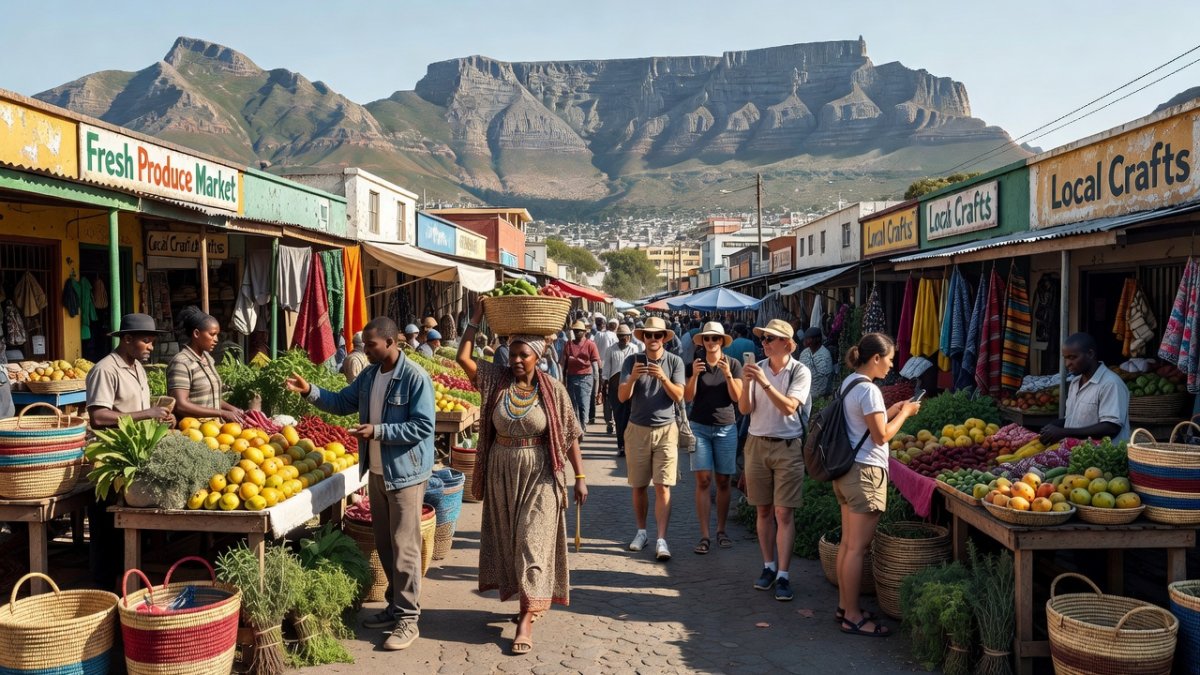
The reported death of Bashiru Isak, a 40-year-old Ghanaian, in Cape Town's Khayelitsha township has sent ripples far beyond South Africa's borders. Ghana's Foreign Affairs ministry described receiving the news with profound shock, highlighting how one family's grief can strain relations between two nations that share deep African roots. This incident, tied to claims of anti-migrant protests, brings into focus the daily realities faced by those who leave home seeking work in another country's economy.
Protests, Deadlines and Daily Realities
Tuesday marked an unofficial deadline set by South African anti-migrant groups for undocumented foreigners to leave the country. Thousands marched across major cities, creating an atmosphere of uncertainty for migrants who often fill low-paid positions in South Africa's developed economy. The police described the protests as largely peaceful, with around 900 people arrested, mostly for immigration-related offences and looting. Yet the human stories behind these movements reveal the vulnerability of people caught between economic necessity and rising local frustrations, including South Africa's unemployment rate exceeding 30 percent.
Official Responses and Questions of Truth
South Africa's justice minister expressed concern that Ghanaian authorities continue to communicate false information about developments on irregular migration. Police stated they had no record of the Khayelitsha murder involving Bashiru Isak, while noting they were investigating the earlier killing of 35-year-old Ghanaian Kwabena Boagen in Nyanga township, allegedly linked to extortion-related crime. These exchanges underscore the challenge of verifying events amid heightened tensions, where every report carries weight for families and communities on both sides.
Repatriation and the Bonds Across Borders
Ghana, Malawi and Nigeria stand among the African countries repatriating some citizens to escape violence and intimidation ahead of the deadline, with 25,000 people having left so far. For West African nations like Ghana and Nigeria, these returns reflect long-standing patterns of movement where people seek opportunities yet remain tied to their origins. The situation echoes experiences familiar across the region, where migration serves as both a lifeline and a source of cultural exchange, reminding communities of the shared dignity that should accompany any journey within the continent.
Pan-African Ties and the Search for Mutual Respect
This diplomatic row touches on deeper questions of how African nations relate to one another when migrants face hostility. South Africa continues to draw workers from poorer countries, yet the current climate tests the ideals of solidarity that have historically connected places like Ghana and its neighbors. As events unfold, the focus remains on protecting the humanity of those who cross borders, preserving the respect that underpins relations between countries with intertwined histories of movement and resilience.
Looking Toward Shared African Futures
The events in Cape Town highlight the need for careful dialogue that honors both local concerns and the aspirations of migrants. With protests largely contained and repatriations underway, attention turns to how nations can address underlying economic pressures while upholding the bonds that link West African experiences to those in southern Africa. In this moment, the emphasis lies on fostering understanding that strengthens rather than divides the continent's people.
By Amara Diop, Staff WriterThis article was produced with AI-assisted research and editorial support. Reporting is based on sources cited in the article.
What's Your Reaction?
 Like
0
Like
0
 Dislike
0
Dislike
0
 Love
0
Love
0
 Funny
0
Funny
0
 Wow
0
Wow
0
 Sad
0
Sad
0
 Angry
0
Angry
0

West Africa/Sahel Correspondent at Global1.News. Dakar-based journalist covering politics, security, climate, and development across Francophone and Anglophone West Africa. Tells the stories of a region undergoing profound transformation.












Comments (0)