
Carney Advances Defence Priorities at NATO Summit in Turkey
**Keywords:** Mark Carney, NATO summit, defence procurement, submarine fleet, Saab GlobalEye, Canada Turkey FTA, alliance spending, multinational defence bank, Anita Anand Prime Minister Carney Advances Canadian Defence Priorities at NATO Summit in Turkey Prime Minister Mark Carney arrived in Ankara this week for a series of high-level engagements on the margins of the NATO sum
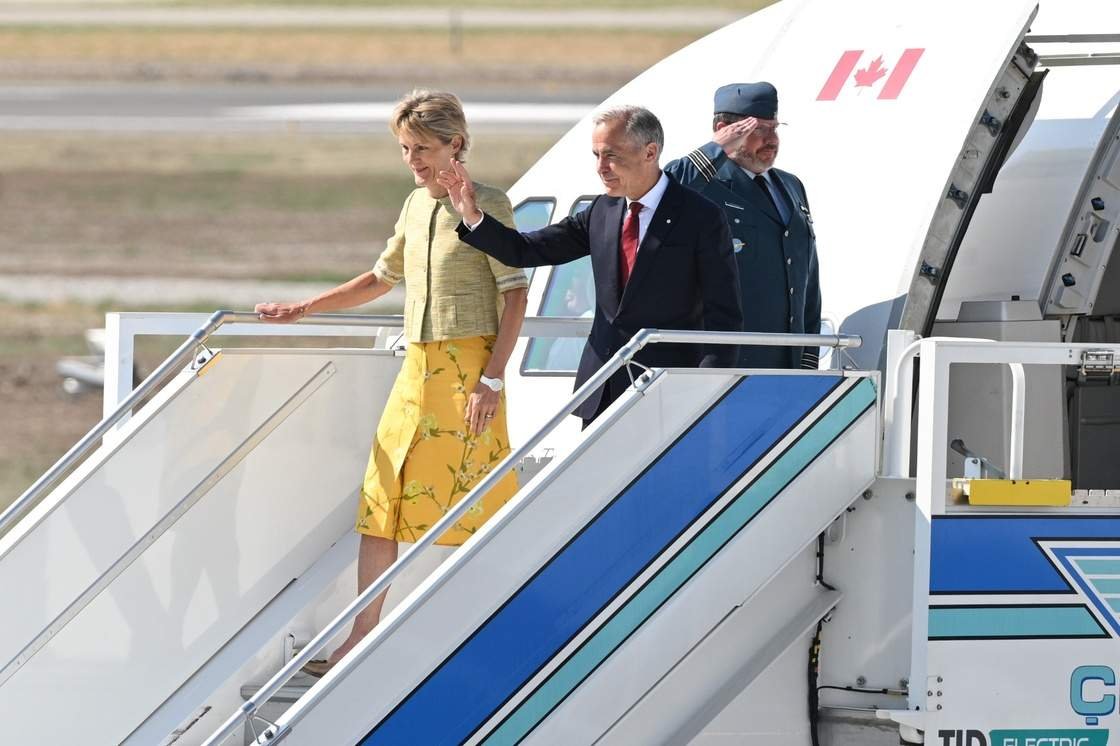
Prime Minister Carney Advances Canadian Defence Priorities at NATO Summit in Turkey
Prime Minister Mark Carney arrived in Ankara this week for a series of high-level engagements on the margins of the NATO summit hosted by Turkey. His schedule included multiple bilateral and trilateral discussions aimed at strengthening alliances and addressing pressing security challenges. These meetings occurred against a backdrop of heightened global instability that has prompted renewed focus on collective defence capabilities across the alliance.
Canadian officials emphasised that the prime minister's presence would help shape outcomes on procurement, financing, and industrial cooperation. The streamlined nature of this year's gathering allowed for targeted conversations rather than lengthy plenary sessions. Observers noted that such efficiency could produce concrete results for member states like Canada that seek to modernise their armed forces.
Carney Conducts Strategic Bilateral and Trilateral Meetings
Prime Minister Carney held a bilateral discussion with Turkish President Recep Tayyip Erdogan, whose government is hosting the summit in Ankara. The two leaders addressed regional security issues and opportunities for deeper cooperation between their nations. This encounter set a constructive tone for the remainder of Carney's engagements during the gathering.
A separate meeting with Ukrainian President Volodymyr Zelenskyy allowed Carney to reaffirm Canada's ongoing support for Ukraine amid its conflict with Russia. Discussions centred on military assistance and long-term reconstruction needs that could involve Canadian industry. Both leaders expressed appreciation for sustained allied solidarity in the face of aggression.
Carney also met South Korean President Lee Jae-myung to explore technology and defence industrial partnerships. Later, a trilateral session brought together German Chancellor Friedrich Merz and Norwegian Prime Minister Jonas Gahr Støre. These conversations focused on joint procurement projects and shared security interests in the North Atlantic region.
Preferred Bidder Selected for Royal Canadian Navy Submarine Fleet
Ahead of the summit, Prime Minister Carney announced that a German-Norwegian consortium had been named the preferred bidder to supply new submarines for the Royal Canadian Navy. The decision followed an extensive evaluation process that considered technical capabilities, cost, and industrial benefits for Canada. Officials indicated that the selection aligns with Canada's need to replace its aging Victoria-class vessels.
The consortium's proposal includes significant opportunities for Canadian firms to participate in construction and maintenance activities. This approach is expected to create skilled jobs and strengthen domestic shipbuilding capacity over the coming decade. Defence analysts noted that the choice reflects a preference for proven European designs that can operate effectively in Arctic and Atlantic waters.
Negotiations will now proceed to finalise contract terms, including delivery schedules and technology transfer arrangements. The Royal Canadian Navy anticipates that the new fleet will enhance its ability to conduct surveillance and sovereignty patrols in northern waters. Taxpayers can expect substantial investment, yet proponents argue the long-term strategic value justifies the expenditure.
Allies Announce Major Increases in Defence Budgeting
The NATO summit has prompted numerous member states to unveil commitments that collectively total tens of billions of dollars in additional military spending. These announcements respond to evolving threats and the need to replenish stockpiles depleted by recent conflicts. Canada has signalled its intention to meet alliance targets through phased increases over several years.
European partners in particular have accelerated their budgeting timelines following recent geopolitical developments. Such spending is projected to stimulate demand for equipment and services from Canadian suppliers in aerospace and shipbuilding sectors. Government economists anticipate modest but measurable effects on employment in key provinces.
Officials stressed that increased outlays must be accompanied by rigorous oversight to ensure value for Canadian taxpayers. Parliamentary committees are expected to review major procurement decisions as they advance. This transparency is intended to maintain public confidence in the government's defence strategy.
Saab GlobalEye Radar Jets to Feature Canadian Manufacturing
NATO Secretary-General Mark Rutte highlighted plans for the alliance to acquire a fleet of Saab GlobalEye radar jets, with substantial portions of the aircraft to be built in Canada. The project would leverage Bombardier's established expertise in regional jet production and systems integration. Canadian aerospace workers stand to benefit from contracts that could extend over multiple years.
The GlobalEye platform combines advanced surveillance radar with long-endurance flight capabilities suited to maritime patrol and early warning missions. Integration work performed in Canada would support technology development and maintain high-value engineering positions domestically. Industry representatives welcomed the announcement as validation of Canadian manufacturing strengths.
Procurement timelines remain subject to final alliance approvals, yet preliminary planning has already begun among participating nations. The initiative illustrates how multinational programmes can distribute economic benefits while enhancing collective situational awareness. Canadian officials view participation as consistent with broader efforts to grow the domestic defence industrial base.
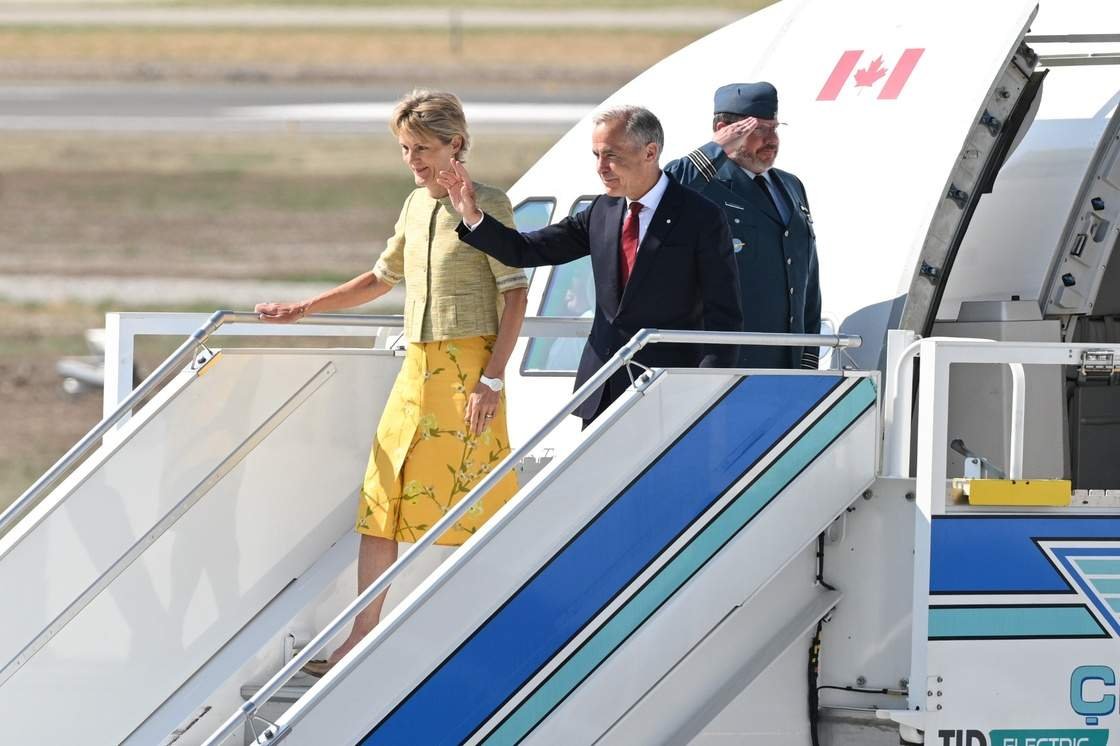
Carney Promotes Multinational Defence Bank Initiative
Throughout the summit, Prime Minister Carney continued to advocate for the creation of a multinational defence bank that would provide financing for allied military modernisation. The proposed institution would pool resources from member states to support large-scale projects that individual nations might struggle to fund alone. Proponents argue it could accelerate capability development across the alliance.
Carney had been scheduled to address the concept at a dedicated panel, yet that session was removed from his programme. Foreign Affairs Minister Anita Anand instead represented Canada during related discussions on financing mechanisms. Her participation ensured that Canadian perspectives on sustainable defence investment remained visible.
Critics have questioned whether such a bank would impose new fiscal obligations on Canada without clear governance safeguards. Supporters counter that coordinated financing could reduce duplication and improve interoperability among allied forces. The proposal continues to generate debate among finance and defence officials in Ottawa.
Trump's Actions Cast Shadow Over Alliance Discussions
U.S. President Donald Trump's recent statements and decisions continued to influence the atmosphere at the NATO gathering. His earlier advocacy for annexing Greenland and the surprise military operation against Iran without prior consultation with allies drew particular attention. Several leaders privately expressed concern about diminished trust within the alliance.
Canadian diplomats worked to maintain focus on shared priorities despite these distractions. The episode underscored the importance of diversified partnerships that do not rely excessively on any single member state. Carney's meetings with European and Asian counterparts reflected this strategic approach.
Observers noted that the streamlined summit format helped limit opportunities for public friction among leaders. Nevertheless, the underlying tensions remain a factor in long-term planning for Canadian defence policy. Officials in Ottawa continue to monitor developments in Washington closely.
Canada and Turkey Launch Free Trade Agreement Negotiations
Alongside the defence discussions, Canada and Turkey formally initiated negotiations for a comprehensive free trade agreement. Technical teams from both countries will now define the scope and ambition of the pact before the first round of talks begins. The move follows exploratory discussions held last month between trade ministers.
Officials stated that closer economic ties would support job creation, enhance supply chain resilience, and improve competitiveness for businesses in both nations. Sectors such as aerospace, agriculture, and advanced manufacturing are expected to see new opportunities once an agreement is concluded. The timing of the launch alongside the NATO summit was viewed as deliberate by analysts.
Negotiators will need to address sensitive issues including tariff reductions and regulatory alignment over the coming months. Canadian exporters have welcomed the development as a means to diversify markets beyond traditional partners. Progress will be monitored by parliamentary committees in Ottawa.
Implications for Canadian Industry, Taxpayers, and Policy Direction
The outcomes emerging from the Ankara summit point toward sustained growth in Canada's defence sector, with new contracts and industrial participation expected to materialise over the next decade. Shipbuilding and aerospace firms stand to gain from both the submarine programme and the GlobalEye initiative. These developments could help stabilise employment in regions that have experienced fluctuations in manufacturing activity.
Taxpayers will ultimately bear the cost of increased defence spending, yet government projections suggest economic multipliers from domestic production requirements. Parliamentary oversight mechanisms are being strengthened to ensure accountability throughout the procurement cycle. Policy makers are also examining how trade agreements such as the Canada-Turkey FTA can complement security objectives.
Overall, the summit reinforced Canada's commitment to alliance modernisation while advancing specific national interests in procurement and trade. The streamlined format and ministerial participation helped maintain momentum despite external uncertainties. Future federal budgets will need to balance these priorities against other domestic demands.
By Alex Thompson, Staff Writer
Tags: Mark Carney, NATO summit, defence procurement, submarine fleet, Saab GlobalEye, Canada Turkey FTA, alliance spending, multinational defence bank, Anita Anand
This article was produced with AI-assisted research and editorial support. Reporting is based on sources cited in the article.
What's Your Reaction?
 Like
0
Like
0
 Dislike
0
Dislike
0
 Love
0
Love
0
 Funny
0
Funny
0
 Wow
0
Wow
0
 Sad
0
Sad
0
 Angry
0
Angry
0
Canada Correspondent at Global1.News. Based in Toronto, covering Canadian politics, energy, trade, and US-Canada relations. Provides the Canadian perspective on North American and global affairs.












Comments (0)