
Thailand fight hard but fall 0-3 to Australia in Asian volleyball quarterfinal
Thailand’s men’s volleyball team showed heart and determination in Fukuoka on 10 September 2026, but the quarter‑final loss to Australia marked the end of their run in the 2026 AVC Men’s Volleyball Continent Championship.
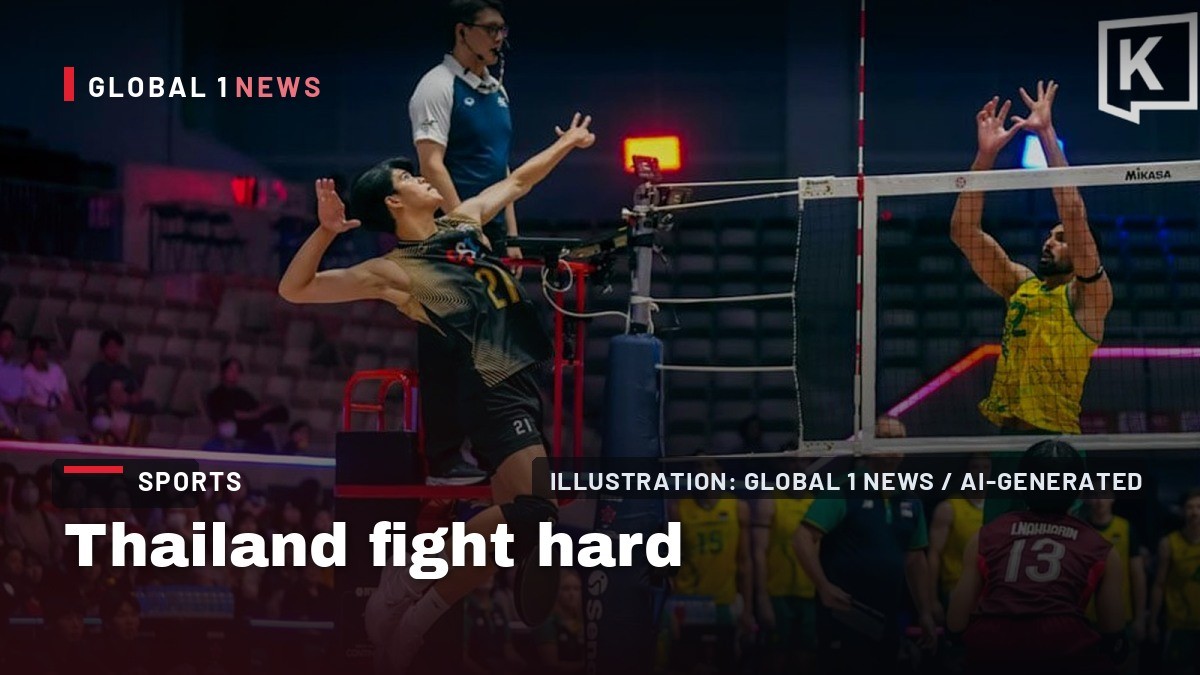
Thailand’s men’s volleyball team showed heart and determination in Fukuoka on 10 September 2026, but the quarter‑final loss to Australia marked the end of their run in the 2026 AVC Men’s Volleyball Continent Championship. The match, a 0‑3 defeat, was a bittersweet reminder of how sport can echo the patience and resilience taught in Thai Buddhist practice.
Journey to the quarter‑finals
Entering the tournament as the Group C winners, Thailand carried the hopes of a nation that cherishes collective effort. Ranked 48th in the world, the Thai squad broke a decade‑long barrier by reaching the Asian Championship quarter‑finals for the first time since 2015. This milestone reflected years of steady development within the national program, echoing the gradual progress of a monk’s meditation practice.
The path to Fukuoka was built on disciplined training and community support. Local fans in provinces such as Chiang Mai and Khon Kaen gathered to watch the team’s qualifying matches, offering chants and prayers that blended sport with the rhythm of daily life. Their encouragement helped the players maintain focus, much like the rhythmic chanting that steadies the mind in Thai temples.
While the team has never advanced to the semifinals, the 2026 campaign showed that the gap between aspiration and achievement is narrowing. The players’ determination to improve mirrors the Thai cultural value of “kreng jai,” the respectful concern for others that drives individuals to work harder for the collective good.
Match‑day lineup and preparation
Head coach Park Ki‑won, a Korean expatriate, selected a balanced starting six: Boonyarit Wongthorn, Napadech Phinitdee, Chaiwat Thungkam, Thanat Bamrungphakdee, Anuchit Phakdeekaew and Thoopdit Phraphut, with Nakarin Inthanu as libero. The lineup combined youthful vigor with seasoned experience, reflecting the Thai tradition of honoring elders while nurturing the next generation.
In the days leading up to the quarter‑final, the team engaged in meditation sessions at a local Buddhist temple in Fukuoka, seeking mental clarity. Such practices are common among Thai athletes, who view mindfulness as a tool to sharpen concentration on the court. The ritual underscored the deep intertwining of sport and spirituality in Thai culture.
Coach Park emphasized the importance of teamwork, reminding the players that “the whole is greater than the sum of its parts.” This philosophy resonates with the Thai concept of “sangkhom,” the harmonious coexistence of individuals within a community, a principle that guided the team’s preparation.
First set: A tight contest
The opening set unfolded as a closely fought battle, with both sides exchanging points in rapid succession. Thailand managed to stay within striking distance, illustrating the team’s resilience. The scoreboard reached 22‑25, a narrow margin that highlighted the Thai side’s ability to challenge a higher‑ranked opponent.
Key moments saw Boonyarit Wongthorn delivering powerful spikes, while Napadech Phinitdee’s defensive digs kept rallies alive. Yet, Australia’s composure in the final minutes allowed them to edge ahead, a reminder that in volleyball, as in life, the smallest lapse can shift momentum.
Fans in the arena, many wearing Thai flag colors, offered encouraging chants that echoed the rhythmic drums of traditional festivals. Their support created an atmosphere akin to a “songkran” celebration, where collective joy fuels individual effort.
Second set: Extending the fight
The second set saw Thailand raise its intensity, pushing the Australian side to a 24‑26 finish. The Thai players displayed remarkable endurance, trading points point‑for‑point and keeping the match alive. Their perseverance mirrored the Thai practice of “tham bun,” the merit‑making acts that sustain moral strength.
During critical rallies, Thoopdit Phraphut’s serves proved particularly effective, forcing the Australians into difficult receptions. Yet, Australia’s ability to seize the crucial points at the end of the set demonstrated their experience in high‑pressure situations.
After the set, coach Park gathered the team for a brief meditation, encouraging them to release disappointment and refocus. This moment reflected the Thai belief that inner calm can restore balance after external turbulence.
Third set: The final stretch
The concluding set ended 19‑25 in favor of Australia, sealing the match. Thailand’s effort remained spirited, but the Australians maintained a steadier rhythm in the latter stages. The Thai side’s determination, however, left a lasting impression on spectators and commentators alike.
Throughout the match, Nakarin Inthanu’s performance as libero was notable, providing reliable passes that enabled the hitters to execute attacks. His role illustrated the Thai value of “khun,” the humility and service that underpin many community roles.
When the final whistle blew, the Thai players bowed to the Australian team, a gesture of respect deeply rooted in Thai cultural etiquette. This act of humility underscored the broader lesson that honor lies not only in victory but also in gracious conduct.
Implications for Thai volleyball
Reaching the quarter‑finals after an 11‑year gap signals a positive trajectory for Thailand’s men’s volleyball program. The experience gained against a higher‑ranked opponent will inform future training, tactical planning, and talent scouting across the country.
The performance also sparked renewed interest among young athletes in provinces that have traditionally focused on sports like sepak takraw. Schools reported an uptick in volleyball enrollment following the tournament, suggesting that the team’s journey resonated with the Thai youth’s desire to compete on the international stage.
Moreover, the match highlighted the importance of mental preparation. The integration of mindfulness and meditation into the team’s routine may become a model for other Thai sports organizations seeking to enhance athletes’ psychological resilience.
Looking ahead: Regional pride and future hopes
Australia’s advance to the semifinals sets the stage for a potential showdown with another Asian powerhouse, while Thailand returns home to reflect and rebuild. The Thai volleyball federation plans to hold a series of friendly matches and training camps, aiming to close the gap with regional rivals.
Beyond the court, the team’s journey reinforces the broader narrative of Southeast Asian cooperation and friendly competition. As nations gather in Japan for the championship, they share not only sport but also cultural exchange, echoing the spirit of ASEAN solidarity.
In the months ahead, Thai fans will continue to support their team, chanting prayers at local temples and gathering around televisions to watch the semifinals. Their unwavering encouragement embodies the Thai belief that collective hope can uplift individual effort, a lesson that will guide the players as they prepare for the next chapter of their volleyball story.
This article was produced with AI-assisted research and editorial support. Reporting is based on the source material cited below. Sources: Khaosod English; khaosodenglish.com; Global1.News (10 September 2026).
By Ann Srisawat, Staff Writer
What's Your Reaction?
 Like
0
Like
0
 Dislike
0
Dislike
0
 Love
0
Love
0
 Funny
0
Funny
0
 Wow
0
Wow
0
 Sad
0
Sad
0
 Angry
0
Angry
0

Southeast Asia Correspondent at Global1.News. Based in Bangkok, covering Thai and Southeast Asian politics, economy, technology, and culture. Deep regional perspective on one of the world's most dynamic regions.















Comments (0)