
UN Warns Israel's Southern Syria Presence May Amount to War Crimes as Netanyahu Tours Mount Hermon
The UN's Independent International Commission of Inquiry on Syria says Israeli raids, checkpoints and detentions in Quneitra and Daraa may amount to war crimes, with 49 Syrians detained and four reported kidnappings in a single week. The warning landed as Netanyahu and Katz toured Mount Hermon inside Syrian territory and Damascus condemned the visit as a flagrant violation of its sovereignty.
In a recent Middle East Eye report, Israeli Prime Minister Benjamin Netanyahu was shown visiting troops stationed on Mount Hermon on the Syrian side of the border, declaring that Israel controlled the territory "from Mount Hermon to the Yarmouk River and onward to the Mediterranean Sea." The visit came in the same week that the UN's Independent International Commission of Inquiry on Syria told the Human Rights Council in Geneva that Israel's military operations in southern Syria had become "increasingly sustained and entrenched," and that documented acts, including the detention and cross-border transfer of Syrian civilians, "may amount to war crimes."
UN Warns Israel's Syria Presence May Be War Crimes
Quneitra, southern Syria - September 9, 2026 - Israeli forces entered al-Muallaqa village in the southern Quneitra countryside on Wednesday with five armoured vehicles, setting up a temporary checkpoint and searching passers-by, according to the Syrian state news agency SANA. The same day, Prime Minister Benjamin Netanyahu stood on Mount Hermon inside Syrian territory and described Israel's control of the area as one of the major achievements of what he called the "War of Revival." A day earlier in Geneva, UN commissioners had warned that Israel's deepening military presence in Quneitra and Daraa provinces may cross the threshold of international crimes. For residents of the southern countryside, the two events are not separate stories but a single, daily reality.
UN Commission Documents Detentions and Possible War Crimes
The UN's Independent International Commission of Inquiry on Syria presented an update to the Human Rights Council in Geneva on Tuesday, September 8, 2026. Commissioner Fionnuala Ni Aolain told the council that Israeli military operations in southern Syria had become "increasingly sustained and entrenched," citing recurring ground incursions, patrols, raids and searches affecting civilians. The commission documented the establishment of temporary checkpoints and fixed military infrastructure by Israel on Syrian territory, particularly in the southern provinces of Quneitra and Daraa. As of June 2026, the commission said it had identified 49 Syrians, including two children, detained by the Israeli military on Syrian territory and believed to have been transferred across the border. Ni Aolain said such acts "may amount to war crimes." The commission added that some detainees were held incommunicado, raising concerns about potential torture or ill-treatment, and that Israeli military activity had caused displacement among residents. It described Israel's presence in the area as a "belligerent occupation." Ni Aolain said local residents reported "bewilderment" at Israeli actions while the country undergoes reconstruction. The commission said it shared UN Secretary-General Antonio Guterres's assessment that violations of Syria's sovereignty and territorial integrity were unacceptable and must stop. Israel's mission in Geneva rejected the findings, accusing the commission of conducting an "Israel-bashing session" and saying Israel has no territorial aspirations in Syria. It said Israel "maintains a temporary buffer zone amounting to 0.1% of Syria to protect its citizens from proven security threats." Syria's representative to the council welcomed the findings and condemned Israel's military operations, accusing Israel of violating international law and the 1974 disengagement agreement.
Netanyahu and Katz on Mount Hermon: 'We Will Not Move From Here'
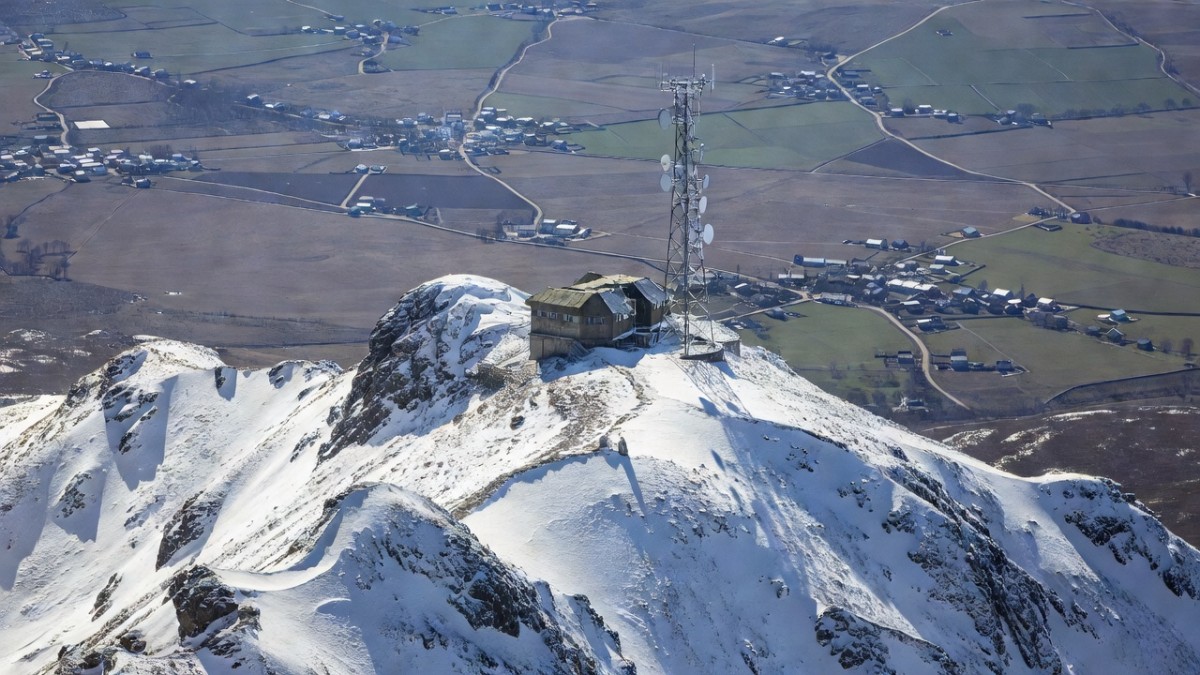
On Wednesday, September 9, 2026, Netanyahu visited Mount Hermon on the Syrian side of the Israel-Syria border with Defence Minister Israel Katz and senior military officers. He was briefed on operations by Northern Command chief Maj. Gen. Rafi Milo and 210th Division commander Brig. Gen. Yair Peli. Netanyahu said Israel controlled the area "from Mount Hermon to the Yarmouk River and onward to the Mediterranean Sea," and that "we will not allow any terror army to establish itself on our border." He described control of the area as one of the major achievements of Israel's "War of Revival," and said Israel's main remaining task was to defeat the "terror regime" in Iran, claiming Israel was "very close" to that goal and that the Iranian-led regional "axis" would ultimately collapse. Katz, in a separate video statement, said: "We are here on Mount Hermon, and we will not move from here." He said the visit sent a "very strong and clear message to the president of Syria, who sits 35 kilometers away down there in his palace in Damascus." Katz has separately said Israel does not intend to withdraw from the security zone in southern Syria while what Israel describes as jihadist threats remain. Katz made an earlier visit to Israeli troops on Mount Hermon on August 25, 2026, which also drew Syrian condemnation. Israel frames its presence as a temporary security measure tied to the instability that followed the collapse of Bashar al-Assad's government.
Damascus Condemns the Visit and Invokes the 1974 Agreement
Syria's Foreign Ministry said it "strongly condemns" Netanyahu's unauthorized entry into Syrian territory and his tour of Mount Hermon. It called the move provocative and "a flagrant violation of Syria's sovereignty, territorial integrity and international law." The ministry said continued Israeli incursions and attacks inside Syrian territory represent a dangerous escalation that threatens security and stability in the region. It held Israel fully responsible for the consequences and called on the United Nations, international organizations and influential countries to halt the attacks and return to the 1974 Disengagement of Forces Agreement. That agreement, reached after the 1973 Middle East war, established a buffer zone along the Golan Heights patrolled by UN forces for decades. Israeli forces entered the UN-patrolled buffer zone after the collapse of Bashar al-Assad's government in December 2024. Israel declared the 1974 disengagement arrangement void on December 8, 2024, and moved into the UN-monitored buffer zone, describing the move as temporary and necessary to secure its border during Syria's political transition. Israel has since carried out hundreds of strikes on Syrian military infrastructure and seized new positions deeper into Syria. The Syrian government and the United Nations say the deployment violates Syrian sovereignty and the 1974 agreement. Syria's president is Ahmed al-Sharaa, whose administration is seeking to stabilise and rebuild nearly two years after Assad's fall ended more than five decades of his family's rule.
On the Ground: Checkpoints, Searches and Documented Violations
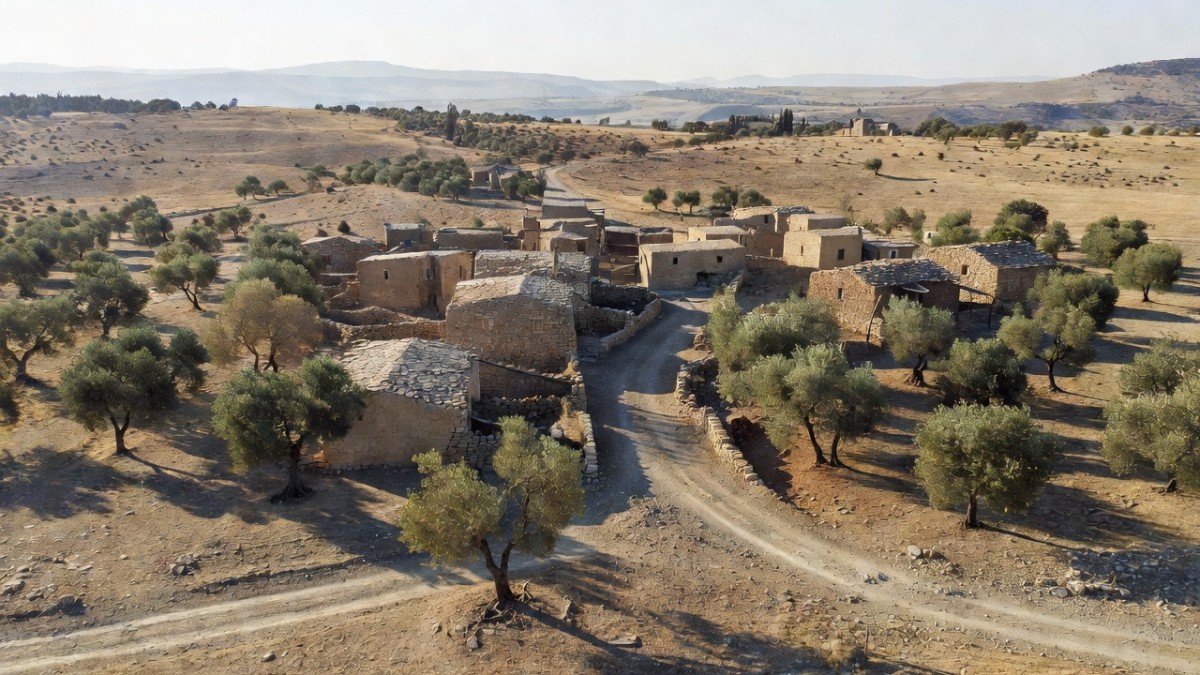
The diplomatic exchanges in Geneva and Damascus played out alongside daily military movement across the southern countryside. On Wednesday, September 9, Israeli forces entered al-Muallaqa village in the southern Quneitra countryside with five armoured vehicles and set up a temporary checkpoint, searching passers-by. SANA said troops detained one Syrian man, who was released several hours later. The patrol held the checkpoint inside the village for about an hour, conducted limited searches of the surrounding area and temporarily closed several side roads. The force then withdrew toward al-Hiran village, passing through al-Rafidah town before turning north toward the Tal al-Ahmar West base, a key strategic position Israel has held since the fall of the former Syrian government. TRT World reported a larger column of seven military vehicles and tanks advancing into the southern Quneitra countryside and searching several homes; a separate force of four military vehicles entered Sida al-Hanout and three tanks advanced toward Tal al-Darayat before withdrawing. On Tuesday, Israeli forces also entered Maariya village in the western Daraa countryside and Al-Bassali village in southern Quneitra, according to SANA. The monitoring group Sijil Centre documented at least 49 Israeli violations in Daraa and Quneitra over the past week, including four kidnappings of local residents. Political researcher Anas al-Khatib told The New Arab that "the Israeli movements are based on a methodology that uses force as a tool of pressure."
A Regional War Overshadows Reconstruction in the South
The Mount Hermon visit took place as fighting continues in a six-month regional war that the United States and Israel launched against Iran at the end of February 2026, with Tehran and Washington locked in a stalemate over the Strait of Hormuz and both sides trading attacks in the past week. Netanyahu used the occasion to frame Israel's remaining task as defeating the "terror regime" in Iran, tying the southern Syria deployment to a wider confrontation. Diplomacy has not been absent: Syria and Israel held high-level, US-mediated talks in Amman in late August 2026 aimed at reducing tensions, two days before Katz's earlier Mount Hermon visit. Those talks have not halted the incursions. The Quneitra and Daraa countryside is largely agricultural, built on olive groves, wheat, livestock herding and small family farms. Residents there have told reporters that near-daily raids, road closures and checkpoints have disrupted harvests, schooling and access to medical care. The UN commission noted that local residents reported "bewilderment" at Israeli actions while the country undergoes reconstruction, a phrase that captures the collision between a national rebuilding effort and a military presence that residents say makes ordinary recovery impossible. For farming families in villages like al-Muallaqa, Maariya and Al-Bassali, the war's regional dimensions are felt less as geopolitics than as a closed road at harvest time.
International Law, Accountability and the Meaning of Occupation
Last week Amnesty International called for an investigation into what it described as Israel's deliberate destruction of civilian homes in Quneitra province, saying the acts could constitute "war crimes." Amnesty said the destruction took place without "absolute military necessity" and represented serious violations of international humanitarian law requiring compensation. The UN commission's use of the term "belligerent occupation" is legally significant: under the Fourth Geneva Convention, an occupying power is bound by obligations covering the protection of civilians, the prohibition of forced transfers and the humane treatment of detainees. The commission's finding that 49 Syrians, including two children, were detained on Syrian territory and believed transferred across the border raises specific questions under those rules, as does its concern that some were held incommunicado. Israel rejects the commission's characterisation, saying it has no territorial aspirations in Syria and maintains only a temporary buffer zone amounting to 0.1% of Syria. Accountability options remain limited in practice. The commission's mandate is investigative rather than prosecutorial, and its findings feed into a broader UN record that could inform future proceedings, including before the International Court of Justice or the International Criminal Court, though neither path is imminent. Syria's representative at the council welcomed the findings and condemned Israel's operations, accusing Israel of violating international law and the 1974 disengagement agreement. In the meantime, the gap between documentation and remedy is measured in seasons, not sessions.
For the people of Quneitra and Daraa, the week's events form a closed loop: a checkpoint in al-Muallaqa, a detention that lasts hours, a visit on a mountain, a warning in Geneva. The UN commission has now placed on the record that these acts may amount to war crimes, and Amnesty International has called for investigation into destroyed homes. But documentation does not reopen a road or return a harvest. As Syria attempts to rebuild after more than five decades of Assad family rule, the residents of the southern countryside are being asked to reconstruct their lives inside a security zone that Israel says it will not leave while its stated threats remain. Whether the Amman talks resume, whether the 1974 agreement is restored, and whether any accountability mechanism advances will determine whether the next harvest in Quneitra is planted at all.
By Fatima Al-Rashid, Staff Writer
This article was produced with AI-assisted research and editorial support. Sources: Middle East Eye, UN Independent International Commission of Inquiry on Syria, Reuters, SANA, North Press Agency, Amnesty International, The New Arab.
What's Your Reaction?
 Like
0
Like
0
 Dislike
0
Dislike
0
 Love
0
Love
0
 Funny
0
Funny
0
 Wow
0
Wow
0
 Sad
0
Sad
0
 Angry
0
Angry
0

Gulf/MENA Correspondent at Global1.News. Based in Doha, covering Gulf politics, energy markets, diplomacy, and development across the Middle East and North Africa. Tracks the economic transformation of the Gulf states.













Comments (0)