
The Gambia's Blackout Crisis Tests Patience and Politics
The frustration has spilled from homes into the streets of Banjul, and the echoes of that unrest are being felt far beyond the Gambia River, reaching right here to Dakar, where we know all too well the weight of an unreliable grid.
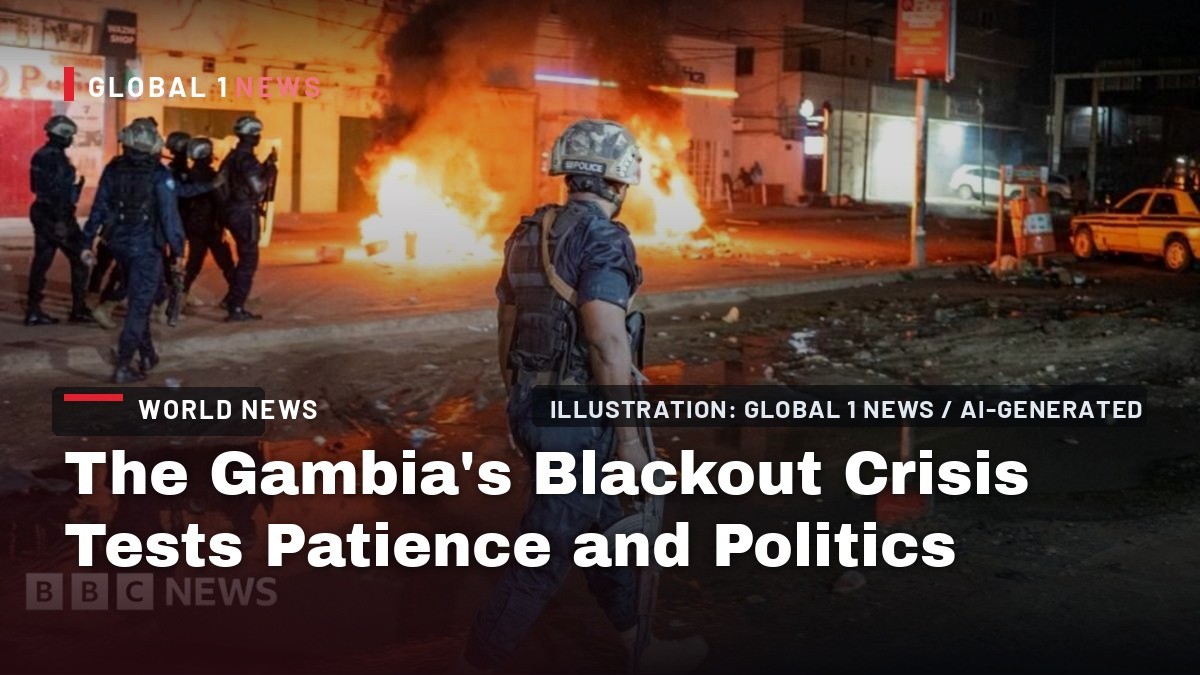
In the heavy heat of a West African night, darkness has become a shared burden. Across the border in The Gambia, families are lying awake, fans stilled, as the country endures its most severe electricity crisis in years. The frustration has spilled from homes into the streets of Banjul, and the echoes of that unrest are being felt far beyond the Gambia River, reaching right here to Dakar, where we know all too well the weight of an unreliable grid.
The Gambia's Blackout Crisis Tests Patience and Politics
Banjul, The Gambia — President Adama Barrow has taken to national television to appeal for calm, asking citizens to endure the blackouts that have plunged much of the country into darkness for up to 48 hours at a time. His address on Tuesday night came just a day after protesters burned tyres and blocked roads in the capital, forcing police to fire tear gas to disperse crowds near the headquarters of the national electricity company. It is a moment of acute national stress, and one that carries deep resonance for The Gambia's neighbours, particularly Senegal, which supplies a significant portion of its smaller neighbour's imported power.
A Nation Sweltering in the Dark
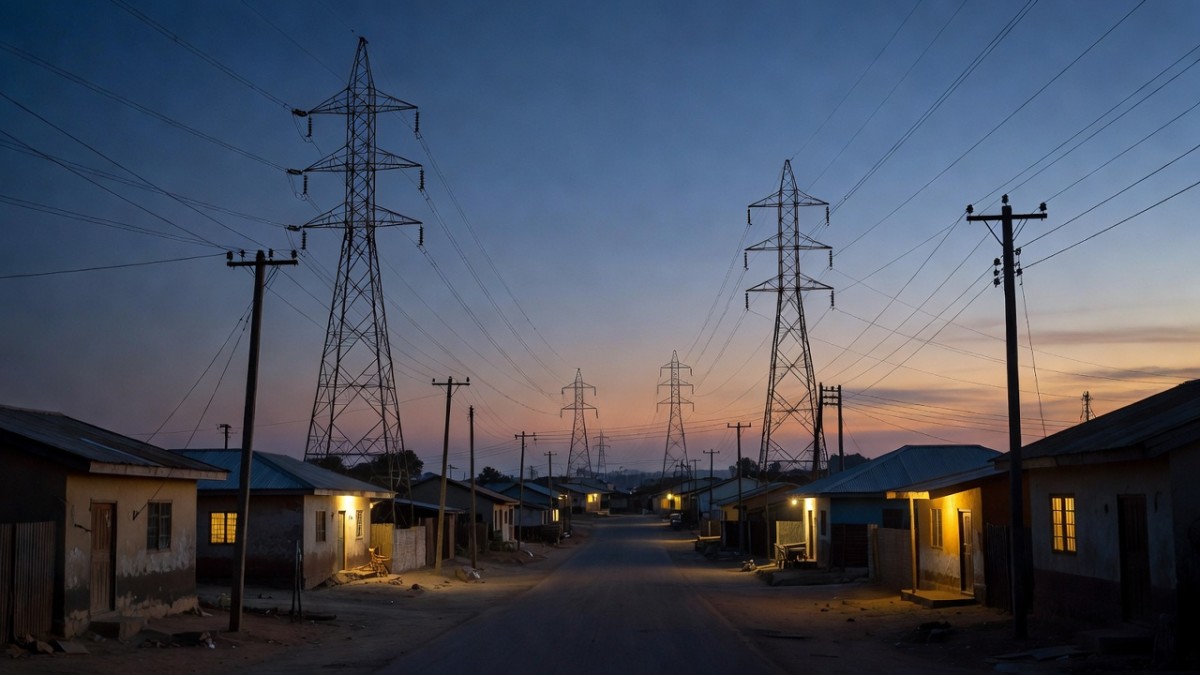
The Gambia has been grappling with persistent blackouts since June, but the situation has deteriorated sharply during the current hot season. As temperatures have soared, so too has the demand for electricity to power fans and air conditioners, overwhelming a system that was already struggling to keep the lights on. Residents in Banjul and surrounding areas report outages that stretch on for a full day or more, leaving homes without refrigeration, businesses without customers, and students without light to study by.
The human cost of these outages is written in the daily routines of ordinary Gambians. Food spoils in warm refrigerators, water pumps fall silent, and the nights bring little relief from the oppressive heat. The national utility, Nawec, had warned in August that unusually high temperatures were driving a surge in demand, while a technical fault had also knocked out a major generating unit that supplies imported power. The combination has proven devastating for a country that relies heavily on electricity brought in from its neighbours to supplement its own limited generation capacity.
Barrow's Plea and Promises of Power
In his televised address, President Barrow struck a tone of empathy, acknowledging the profound hardship the blackouts have inflicted on the nation. "I know that the fans have stopped turning, children work in the dark, mothers throw away stale food, and the heat is unbearable by day and by night," he said, painting a picture of daily life that will feel painfully familiar to many across the region. He urged citizens to remember that this crisis is not unique to The Gambia, saying, "When you lie down in the heat and the dark, believe that you are not alone in that darkness."
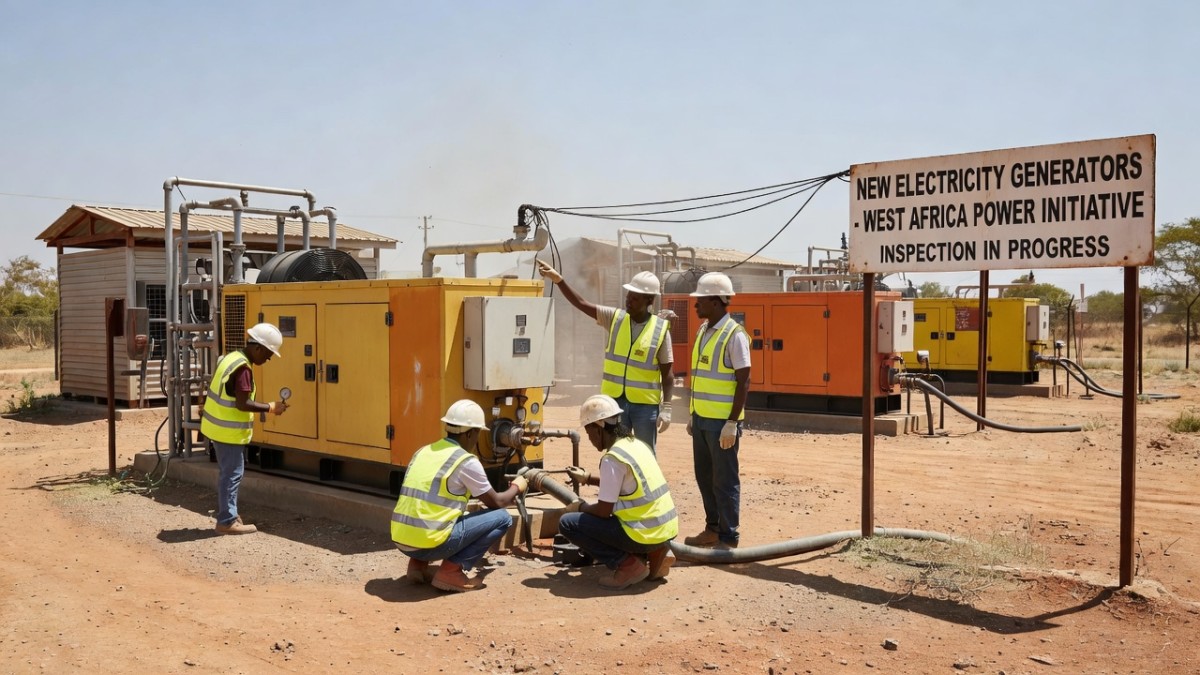
The president's message was one of reassurance, promising that the situation would improve by the end of October. He outlined a series of concrete measures designed to boost the country's power supply, including the installation of a new 24-megawatt generating unit at the Brikama power station, which he said would be commissioned by the end of next month. He also announced that a contract had been awarded for a 50MW solar power plant in Soma, though he did not provide a completion date for that project. "For a system of our size, this is considerable power, enough to make a big difference in your homes," Barrow added, seeking to instil confidence in his government's ability to resolve the crisis.
Protests in the Capital and a Firm Warning
The president's address came against a backdrop of significant public anger. On Monday night, protesters took to the streets in Banjul and surrounding areas, burning tyres and blocking roads to voice their frustration over the prolonged power cuts. The demonstrations escalated as crowds moved towards the headquarters of Nawec in the Westfield area, where police used tear gas to disperse them. Some protesters were heard chanting "Barrow must go," while others gathered outside the vice-president's residence in Farato, where banners at an office of the ruling National People's Party were damaged.
While acknowledging the legitimacy of public frustration, President Barrow issued a firm warning against the destruction of public property. "Let us not destroy in a moment of anger what we suffered so long to gain," he said, arguing that vandalism would only worsen the disruption and divert scarce resources towards repairs. He admitted that there had been shortcomings in the government's planning, power generation, and maintenance systems, going so far as to label the resulting outages "a national security issue" and an "emergency." The admission marks a significant shift in tone for a government that has often been defensive about its handling of the country's infrastructure challenges.
A Regional Grid Under Strain
The roots of The Gambia's crisis extend far beyond its own borders, touching on the fragility of the entire West African power network. The Gambia imports electricity from neighbouring Senegal and Guinea to supplement its own generation, making it acutely vulnerable to disruptions in the regional supply. Gallo Saidy, the chief of Nawec, appealed for patience on Tuesday, explaining that reduced electricity imports from the regional grid had contributed significantly to the shortages. He pointed to a specific culprit: lower rainfall this year had reduced the amount of electricity available through the regional network, which relies heavily on hydroelectric power from dams in Guinea and other upstream countries.
This is a story that resonates deeply here in Senegal, where we share the same regional grid and face many of the same vulnerabilities. When the rains fail in the Fouta Djallon highlands of Guinea, the effects ripple downstream, reducing the capacity of dams like Manantali that supply power to multiple countries. The Gambia's crisis is a stark reminder that our energy security is intertwined, and that a shortfall in one country can quickly become a blackout in another. For Senegal, which has invested heavily in its own power generation capacity in recent years, the situation in Banjul serves as a cautionary tale about the dangers of over-reliance on a shared and sometimes unpredictable system.
An Election Looming in the Shadows
The timing of the blackout crisis could hardly be worse for President Barrow. The unrest comes just months before a presidential election expected in December, in which Barrow is seeking a controversial third term in office. The protests in Banjul, with their chants of "Barrow must go," suggest that the power cuts have become a rallying point for opposition to his rule. The damage to party banners at the National People's Party office in Farato is a symbolic reminder that the anger over the blackouts is quickly becoming political.
For a president already facing criticism over his decision to seek another term, the electricity crisis presents a significant political challenge. The government's response will be closely watched by voters, who will judge whether the promised improvements by the end of October materialise in time to make a difference. The opposition is likely to seize on the blackouts as evidence of government incompetence, while Barrow will seek to portray himself as a leader taking decisive action to address a regional problem. The coming weeks will be crucial in determining whether the president can regain the trust of a population that is growing increasingly weary of life in the dark.
West Africa's Energy Paradox
From a Senegalese perspective, the crisis in The Gambia is a window into a broader regional paradox. West Africa is rich in energy resources, from the solar potential of the Sahel to the hydroelectric power of its major rivers and the natural gas reserves off its coasts. Yet millions of people across the region still lack reliable access to electricity, and even those who are connected to the grid face frequent and prolonged outages. The Gambia's struggles are a reminder that the path to energy security is not simply about building new power plants, but about maintaining them, managing demand, and diversifying supply sources.
The promise of a 50MW solar plant in Soma is a step in the right direction, reflecting a growing recognition across the region that renewable energy must play a central role in our future. But the immediate crisis in Banjul is a reminder that such projects take time to come online, and that in the meantime, countries remain vulnerable to the vagaries of weather and the limitations of ageing infrastructure. As President Barrow noted, the Gambia is not alone in its darkness, but that shared experience offers little comfort to those who must endure another night without power. The true test for leaders across West Africa will be whether they can turn this moment of crisis into a catalyst for lasting change, building the resilient and diversified energy systems that our people deserve.
This article was produced with AI-assisted research and editorial support. Sources: BBC News — "You're not alone in the darkness": Gambia president urges calm after violent blackout protests (bbc.co.uk/news/articles/cgmr22kpd9yo, 9 September 2026).
By Amara Diop, Staff Writer
What's Your Reaction?
 Like
0
Like
0
 Dislike
0
Dislike
0
 Love
0
Love
0
 Funny
0
Funny
0
 Wow
0
Wow
0
 Sad
0
Sad
0
 Angry
0
Angry
0

West Africa/Sahel Correspondent at Global1.News. Dakar-based journalist covering politics, security, climate, and development across Francophone and Anglophone West Africa. Tells the stories of a region undergoing profound transformation.













Comments (0)