
Guanaco 65B: Run ChatGPT-Level AI Locally on One GPU
Jessica Ali reports on the Aitrepreneur video teaching local Guanaco 65B deployment via QLoRA, a UW breakthrough enabling 99.3% of ChatGPT performance on a single GPU. She explains NF4 quantization, licensing, and hardware needs, urging viewers to start with smaller models and embrace o...
Folks, if you’ve been waiting for the moment when artificial intelligence stops being a rich man’s toy and becomes a garage tinkerer’s dream, that moment is now. The internet is buzzing over a video that claims you can get 99% of ChatGPT’s power running on your own rig, and for once, the hype isn’t entirely hot air. This is about Guanaco 65B, QLoRA, and a research breakthrough from the University of Washington that flipped the economics of AI on its head. I’m Jessica Ali, and we’re about to cut through the noise and get to the raw, technical truth.
Guanaco 65B: Run ChatGPT-Level AI Locally Now
The video in question, from the popular channel Aitrepreneur, walks you through installing and running Guanaco 65B using TextGen WebUI, also known as Oobabooga. It’s a step-by-step guide that promises the impossible: a 65-billion-parameter model running on a single powerful GPU, no cloud subscription, no data leaks, no monthly fee. And here’s the thing—the underlying science backs up the audacity. This isn’t a scam; it’s a revolution wearing a tutorial’s clothing.
The Headline Moment
Let’s set the scene. On May 23, 2023, a paper titled "QLoRA: Efficient Finetuning of Quantized LLMs" hit the arXiv servers and sent shockwaves through the machine learning community. The authors—Tim Dettmers, Artidoro Pagnoni, Ari Holtzman, and Luke Zettlemoyer from the University of Washington—didn’t just tweak an existing method. They introduced a new way to finetune massive language models that made the old rules obsolete.
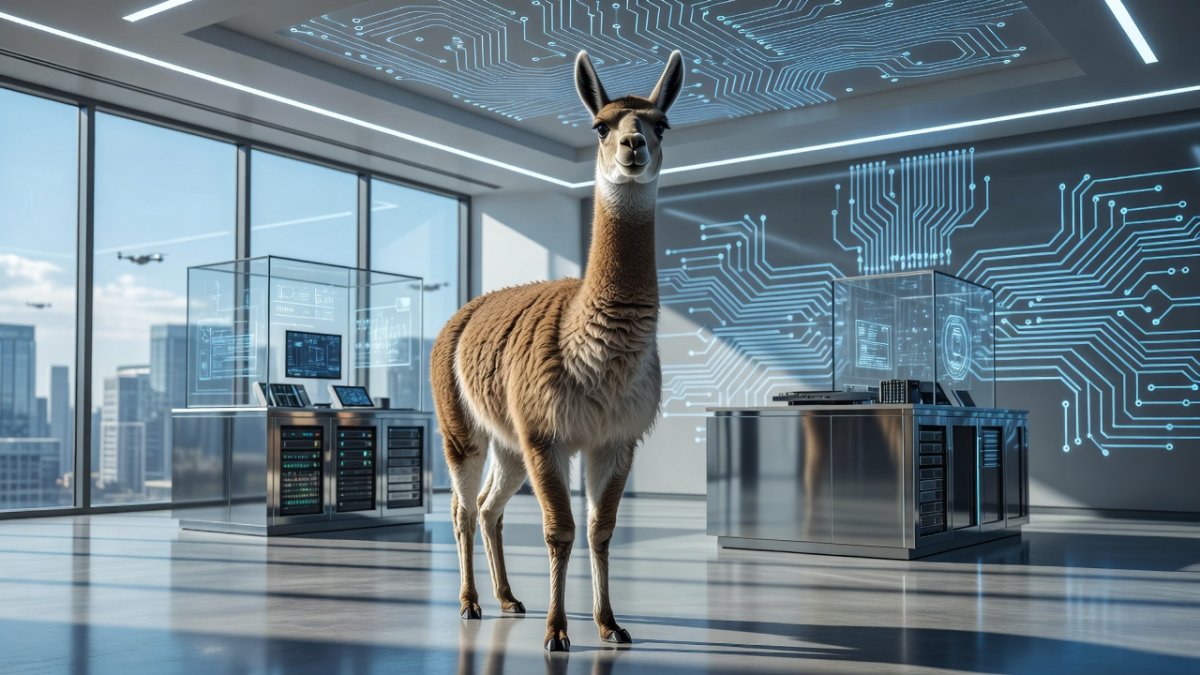
The headline that grabbed everyone’s throat was this: Guanaco 65B, a model based on Meta’s LLaMA architecture, achieved 99.3% of ChatGPT’s performance on the Vicuna benchmark. And it did that after just 24 hours of finetuning on a single 48GB GPU. Folks, that’s not a marginal improvement. That’s a paradigm shift. The Aitrepreneur video capitalizes on this exact moment, showing everyday users how to harness that power without a data center budget.
What QLoRA Actually Does
Now, let’s get technical, because you deserve more than buzzwords. QLoRA stands for Quantized Low-Rank Adapters. The core trick is that it backpropagates gradients through a frozen, 4-bit quantized pretrained model into Low Rank Adapters, or LoRA. In plain English, it keeps the massive brain of the original model locked and unchanging, but trains a tiny, efficient set of adapters that steer its behavior. This slashes memory requirements while preserving the full 16-bit finetuning task performance.
The paper’s magic doesn’t stop there. It introduces three key innovations: NF4, or NormalFloat4 quantization, which optimally maps weights to a 4-bit format; double quantization, which squeezes additional memory savings by quantizing the quantization constants themselves; and paged optimizers, which manage memory spikes during training. These aren’t incremental tweaks—they’re a complete rethinking of how to handle massive models on limited hardware.
Here’s the kicker: the 33B Guanaco model can be trained on consumer-grade 24GB GPUs in less than 12 hours. That means a gamer’s graphics card can now train a model that rivals commercial giants. The Aitrepreneur video leans hard on this, and rightfully so. It’s the democratization of AI, delivered through a YouTube tutorial.
The Numbers That Made the Internet Gasp
Let’s talk data, because that’s where the rubber meets the road. The Guanaco family—7B, 13B, 33B, and 65B—is based on LLaMA and trained on the OpenAssistant dataset, known as OASST1. The 65B variant’s 99.3% score on the Vicuna benchmark, which uses 80 prompts judged by GPT-4, was a jaw-dropping statistic. It outperformed all previously openly released models on that benchmark, period.
But I’m going to give you the honest nuance, because that’s my job. The 99.3% number came from GPT-4 judging outputs on a small set of 80 prompts. The field later learned to distrust this evaluation method—it’s subjective, narrow, and prone to bias. So while the number is real, it’s not gospel. What is gospel is the efficiency gain. Finetuning a 65B model on a single 48GB GPU was previously considered impossible. QLoRA made it routine. That’s the legacy that matters.
How the Video Breaks It Down
Aitrepreneur’s video, titled "GET Guanaco 65B NOW! 99% Of ChatGPT Power With QLoRA! INSANE!" is a masterclass in practical AI deployment. It walks you through the entire process using TextGen WebUI, the open-source interface from Oobabooga that has become the go-to tool for local LLM enthusiasts. The video doesn’t just show you a command line; it shows you the full pipeline, from downloading the adapter weights to loading the model on your GPU.
The critical detail here is licensing. The Guanaco adapter weights are released under the Apache 2.0 license, which is permissive and business-friendly. However, the base LLaMA weights require access through Meta’s LLaMA license. The video addresses this head-on, guiding viewers through the proper channels to get the base model legally. That’s the kind of responsible instruction we need more of in this space.
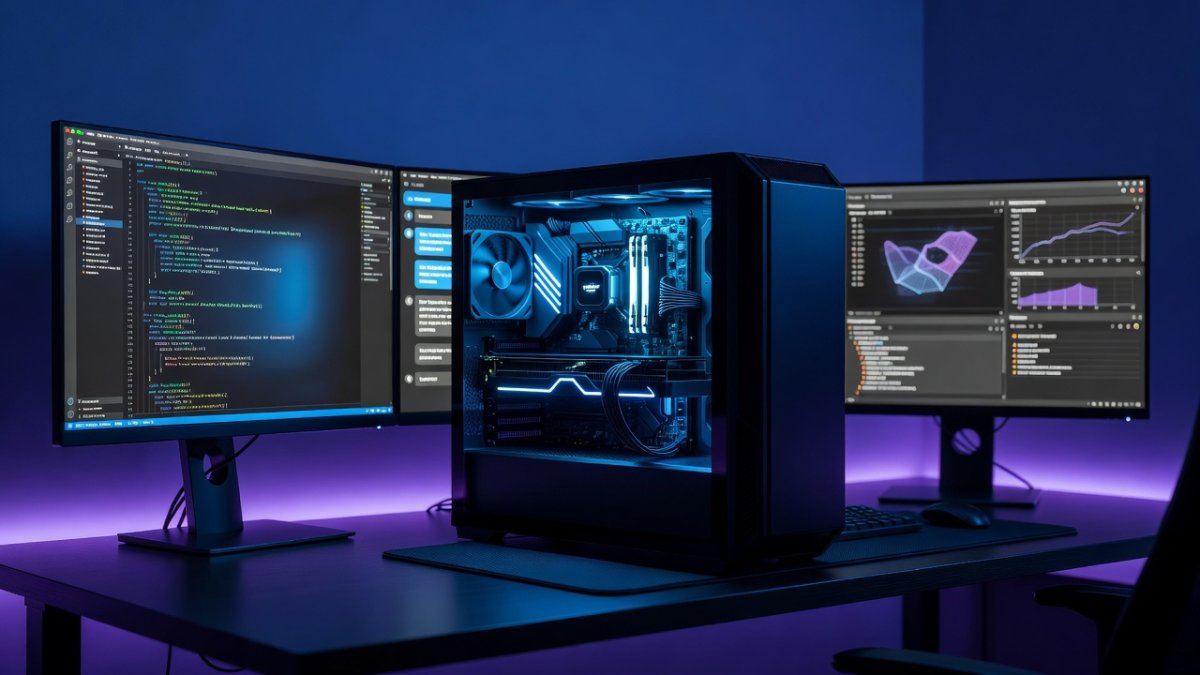
For the average user, the video demystifies what was once a research-only endeavor. It shows you how to configure TextGen WebUI, set the right quantization parameters, and run inference on a single powerful GPU. It’s not a five-minute setup, but it’s accessible to anyone with moderate technical skills and a decent graphics card. That’s the point—this isn’t for the elite; it’s for the curious.
The Open-Source Ripple Effect
This isn’t just about one model or one video. QLoRA’s release triggered a wave of innovation across the open-source AI community. Suddenly, researchers and hobbyists could finetune models that were previously locked behind enterprise paywalls. The ability to adapt a 65B model to your specific domain—legal, medical, creative writing—without renting a server farm is a game-changer.
The ripple effect is visible in the explosion of finetuned models on Hugging Face, the platform that hosts the Guanaco weights. Thousands of derivative models have emerged, each tailored to niche tasks. The Aitrepreneur video is part of this ecosystem, serving as a gateway for newcomers who might otherwise be intimidated by the technical complexity. It’s a testament to how far we’ve come from the days when running a large language model required a supercomputer.
But let’s not sugarcoat the challenges. The 65B model still requires a 48GB GPU, which is not exactly consumer hardware. The 33B variant is more accessible, but even that demands a 24GB card. The barrier to entry has lowered dramatically, but it hasn’t disappeared. The video is honest about this, showing you what hardware you need and how to optimize your setup. That transparency is refreshing in a world of overhyped AI promises.

What This Means
Here’s where I give you my unfiltered take. The 99.3% number is a marketing gift and a scientific headache. It’s a great hook, but it’s based on a flawed evaluation method. GPT-4 judging 80 prompts is not a rigorous benchmark. The AI community has since moved toward more robust evaluation suites, and we should too. That said, the core achievement of QLoRA—finetuning a 65B model on a single GPU—is undeniable and transformative.
What this means for you, the viewer, is that the power to create custom AI is no longer locked in Silicon Valley boardrooms. It’s in your hands, provided you have the hardware and the willingness to learn. The Aitrepreneur video is a bridge between academic research and practical application. It’s not perfect, and it’s not for everyone, but it represents a genuine shift in who gets to play with the most powerful technology of our time.
The real story here is democratization. QLoRA’s legacy isn’t a benchmark score; it’s the fact that a student in a dorm room can now finetune a model that rivals commercial offerings. That’s the kind of disruption that changes industries. And it’s happening right now, one YouTube tutorial at a time.
Your Move: Run It Yourself
So, what are you waiting for? If you have a GPU with at least 24GB of VRAM, you can start with the Guanaco 33B model. If you’re lucky enough to have a 48GB card, go for the 65B. Head to Hugging Face, grab the adapter weights, and follow the Aitrepreneur video step by step. Use TextGen WebUI to simplify the process. Don’t be afraid to break things—that’s how you learn.
Start with the 7B model if you’re on a budget. Get comfortable with the workflow. Then scale up. The point isn’t to replicate ChatGPT; it’s to build something that’s yours. Finetune it on your data, your style, your problems. That’s the power QLoRA gives you. That’s the future we’re walking into, and it’s open to anyone with the curiosity to try.
Folks, the age of AI gatekeeping is over. The tools are here, the tutorials are free, and the only barrier left is your own initiative. Go build something. Go learn something. And don’t let anyone tell you it’s too hard. It’s not. It’s just new.
— Jessica Ali, Global 1 News — cutting through the BS, one story at a time.
This article was produced with AI-assisted research and editorial support. Reporting is based on sources cited in the article.
What's Your Reaction?
 Like
0
Like
0
 Dislike
0
Dislike
0
 Love
0
Love
0
 Funny
0
Funny
0
 Wow
0
Wow
0
 Sad
0
Sad
0
 Angry
0
Angry
0

Editor-in-Chief at Global1.News. Atlanta-based journalist who cuts through the BS and tells it like it is. Lead anchor, host, and the voice you hear when the spin stops and the truth starts.













Comments (0)