
UK Air Traffic Control Failure Strands Hundreds of Thousands
Britain's air traffic control operator NATS suffered a flight-processing system failure on September 8, forcing more than 1,750 flight cancellations and stranding hundreds of thousands of passengers. Chief executive Martin Rolfe has one week to explain the second major outage in three years.
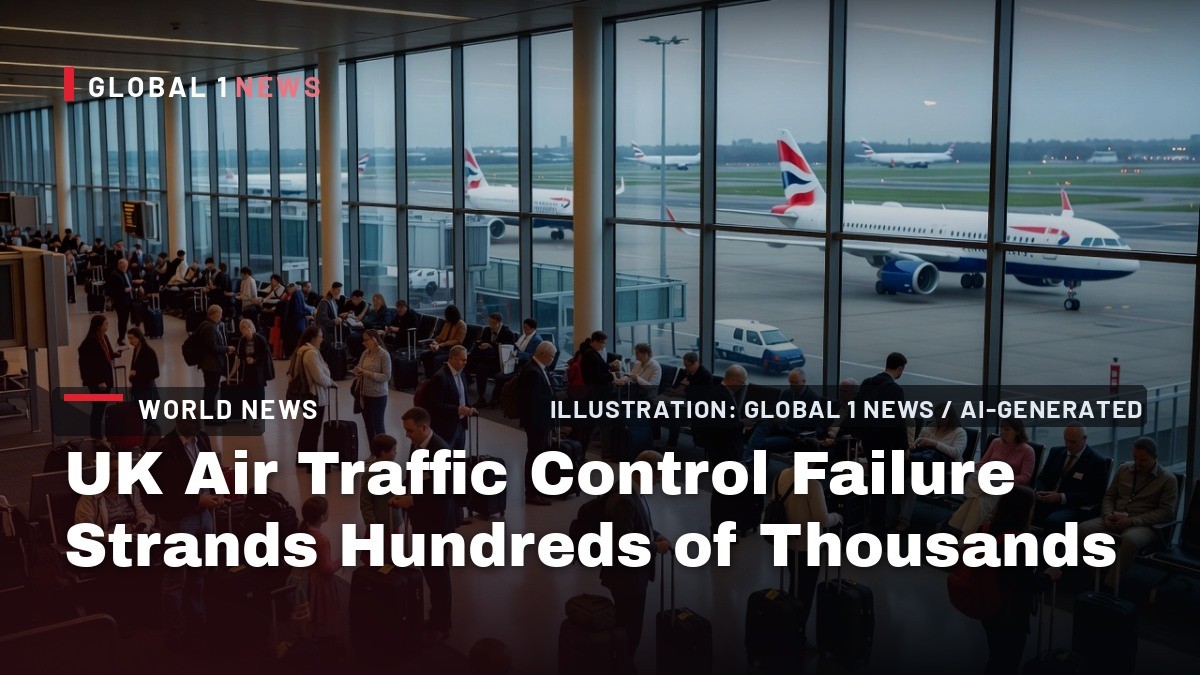
Britain’s air traffic control system suffered a catastrophic computer failure on Tuesday, September 8, 2026, grounding more than 1,750 flights and stranding hundreds of thousands of passengers in the second major NATS meltdown in three years. The outage, which began shortly after 1 p.m. local time, knocked out the flight-processing system that controllers rely on to safely guide aircraft through UK airspace, forcing airports from Heathrow to Manchester to halt departures. While engineers restored the system by Wednesday, the fallout is expected to ripple through global travel for days as airlines scramble to rebook stranded passengers and reposition aircraft.
System Failure Grounds the Nation
The failure occurred in NATS' flight-processing system, the critical computer network responsible for handling flight data submitted by airlines. Without it, air traffic controllers lost vital safety information needed to manage the thousands of aircraft transiting British airspace daily. NATS, whose headquarters and control operations are based near Southampton, England, confirmed the cause in a statement: "We have identified that the issue was in our flight processing system."
Engineers worked through the night to restore normal operations, and NATS said the issue had been resolved by Wednesday, but warned that recovery would take time. A NATS spokeswoman was emphatic that this was not the same issue as the 2023 outage, which was triggered by a rogue flight plan. This failure, she said, affected the flight data system itself, raising fresh questions about the resilience of the UK's air traffic infrastructure.
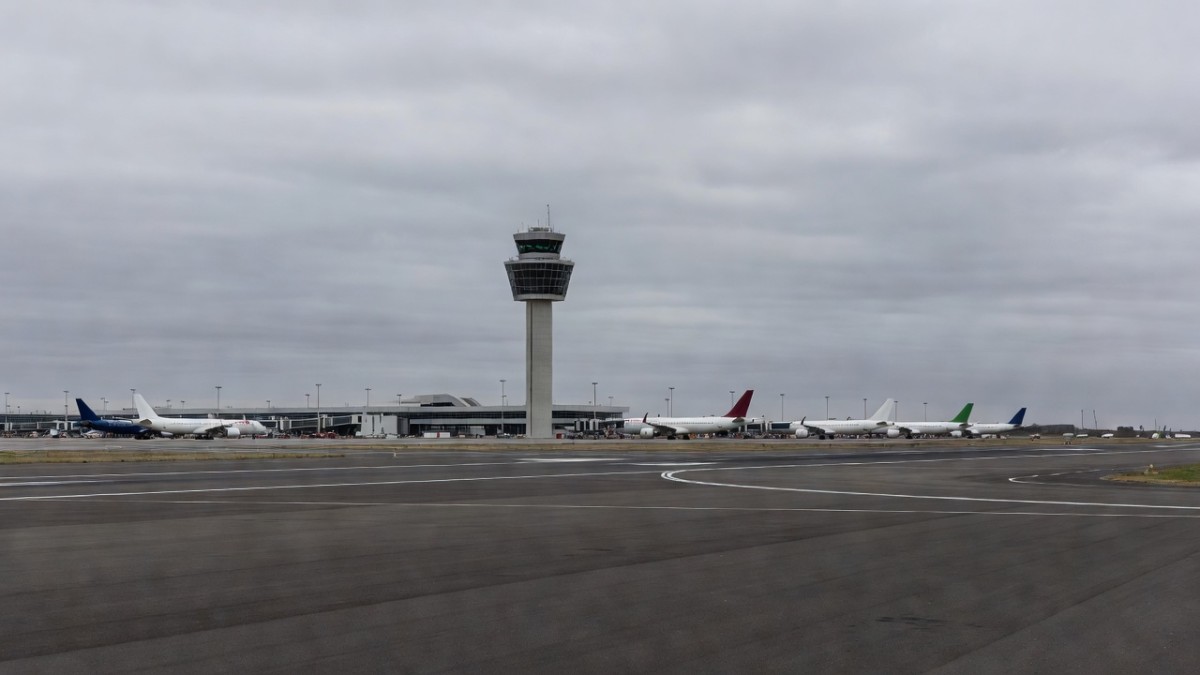
The timing could not have been worse. Tuesday afternoon is peak travel time for transatlantic arrivals and European short-haul connections, and the sudden loss of flight data processing forced controllers to take drastic action. Heathrow, Europe's largest airport, paused departures around lunchtime, and airports from Copenhagen to Cardiff were told to prepare for the unexpected arrival of diverted UK-bound flights.
Scale of the Chaos: 2,000 Flights Affected
The numbers are staggering. More than 1,750 flights had been canceled by Wednesday morning, according to an Associated Press count, while aviation analytics company Cirium confirmed that about 2,000 flights to and from UK airports were affected on Tuesday and Wednesday combined. Cirium's data shows 30% of scheduled departures were grounded on Tuesday, with another 5% canceled on Wednesday as the system struggled to recover.
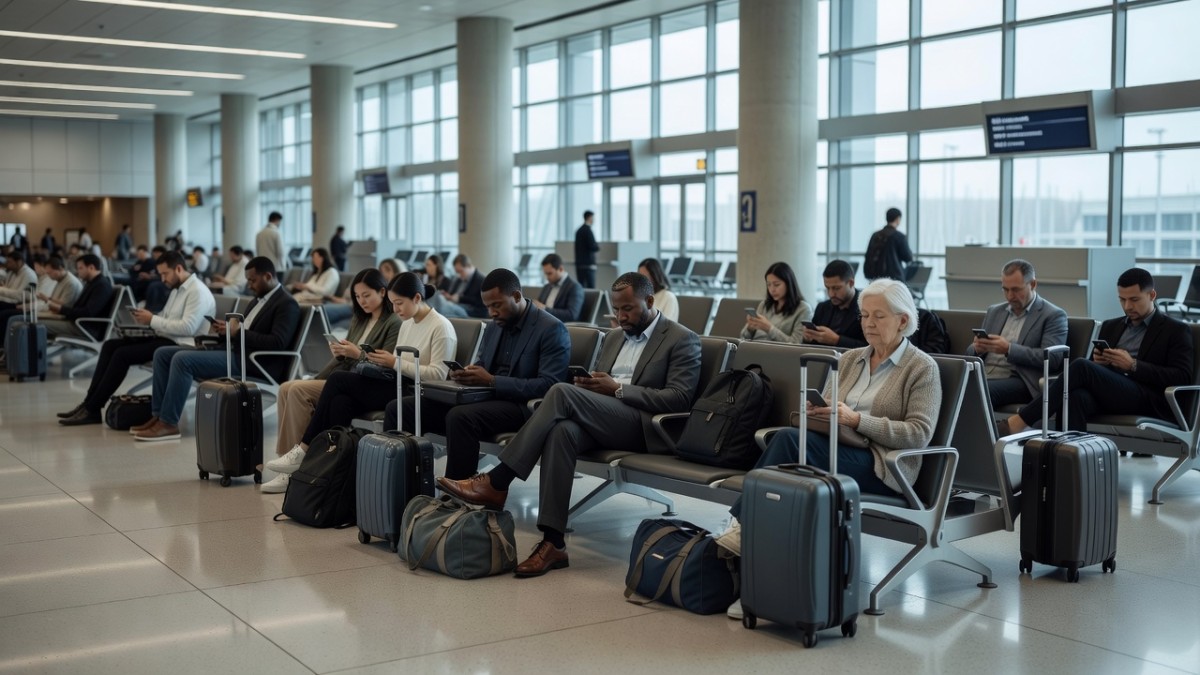
Hundreds of thousands of passengers were left stranded, with some waiting for hours on airport runways and in terminals as airlines worked to untangle the mess. The disruption rippled across at least 15 UK airports, including Heathrow, Gatwick, Stansted, Manchester, Birmingham, East Midlands, and airports in Scotland. The knock-on effects extended far beyond Britain's shores, with European hubs forced to absorb diverted flights and hold departures bound for the UK.
Heathrow said Wednesday that 190 British Airways flights had been canceled, adding to the more than 100 flights the carrier had already canceled or diverted on Tuesday afternoon. The airport urged passengers to check flight status and "only travel if your flight is confirmed to be operating," a clear sign that the recovery would be neither quick nor smooth.
Airlines Count the Cost
The financial toll is mounting rapidly. Ryanair said more than 65,000 of its passengers were disrupted on Tuesday alone, with over 50 flights canceled. By Wednesday, the airline's total had ballooned to 260 flights canceled, affecting 48,000 passengers, with losses of about 3 million pounds ($4 million) so far. EasyJet said some flights were "unable to operate" and that the system failure caused "delays to flights across Europe," while Wizz Air also reported significant disruption.
The operational nightmare extends beyond canceled flights. Airlines are now grappling with aircraft and crews stranded in the wrong locations, a logistical puzzle that will take days to solve. More than 250 additional flights were canceled Wednesday morning as carriers worked to reposition planes and reassign crews, and passengers face a long wait for rebooking on flights that are already running at near-full capacity.
For airlines, the costs go far beyond refunds and rebooking fees. They are legally obligated to provide meals, accommodation, and reasonable expenses for stranded passengers, costs that Tim Alderslade, chief executive of industry body Airlines UK, says should not fall on carriers when the cause lies entirely outside their control. In a letter to the government, Alderslade wrote: "The latest NATS failure has again exposed a gap in the UK's aviation regulatory framework. Airlines are expected, in supporting passengers, to absorb the costs of disruption, even when the cause lies entirely outside their control."
Political Fallout: One Week to Explain
The political response was swift and pointed. Transport Secretary Heidi Alexander summoned NATS chief executive Martin Rolfe to a meeting to explain what went wrong, and a spokesperson for Prime Minister Andy Burnham said the government had confidence in Rolfe but gave him just ONE WEEK to report back on the incident. The message was clear: patience with repeated infrastructure failures is wearing thin.
After meeting Rolfe, Alexander told Parliament she did not believe the outage was caused by a cyberattack, but added a damning assessment: "I do not believe this issue was unavoidable." She announced a separate independent review by the Civil Aviation Authority (CAA), which will report back in six months. "I am clear that passengers should not have to face this disruption," Alexander said. "I have therefore asked the CAA to conduct an independent review to establish cause and ensure that our air traffic control systems can get passengers to where they need to be."
Rolfe apologized Wednesday for the inconvenience but defended the system's safety record, telling the BBC: "Our job is also to make sure that people stay safe. We never do this lightly. We only ever do it when there is an issue that cannot be resolved quickly, and we have to take action to make sure those who are flying, who are in the air at that time, are safe." The Telegraph reported that Rolfe is paid about 1.5 million pounds a year, a figure that is likely to fuel further criticism.
A Troubling History of Failures
This is not an isolated incident. Tuesday's failure marks the second major NATS shutdown in three years, following the August 2023 outage that caused travel chaos and cost airlines about 100 million pounds ($136 million). That failure was triggered by a rogue flight plan, a single piece of bad data that brought the entire system to its knees. There was also a radar-related technical issue in July 2025 that affected major airports including Heathrow, canceling about 150 flights.
The pattern is deeply concerning for an industry that depends on absolute reliability. Ryanair chief executive Michael O'Leary called Tuesday's outage "an absolute rerun" of the 2023 shutdown and repeated his call for Rolfe to step down. Ryanair chief operating officer Neal McMahon was even more blunt: "How many more failures do passengers have to suffer before overpaid failure Nats CEO Martin Rolfe accepts responsibility for his repeated mismanagement and resigns? Over three years after Nats' catastrophic 2023 system meltdown, it's clear that nothing has changed."
Ryanair is already suing NATS in London's High Court for more than 7 million pounds over the 2023 outage and has called on the company to reinvest its profits in performance improvements and staffing. NATS is a public-private partnership partly owned by airlines including British Airways and easyJet, pension funds, and the government. It paid its owners 175 million pounds in dividends in 2025, a figure that raises uncomfortable questions about whether profits are being prioritized over system resilience.
What Passengers Need to Know About Refunds
For the hundreds of thousands of passengers affected, the news on compensation is not good. The CAA said passengers would generally NOT be entitled to compensation because the disruption was likely to qualify as an "extraordinary circumstance," a legal carve-out that lets airlines off the hook for cash payouts. This is cold comfort for travelers who have lost holiday time, missed business meetings, or been forced to sleep in airports.
However, airlines are still legally required to provide refunds or rebooking for canceled flights, plus meals, accommodation, and reasonable expenses for stranded passengers. Passengers should keep all receipts for expenses incurred during the disruption and submit them to their airline promptly. Those who booked package holidays may have additional protections under UK law, and travel insurance policies may cover some costs, though coverage varies widely.
The CAA's position on "extraordinary circumstances" is likely to face legal challenge, particularly given that this is the second major NATS failure in three years. Airlines UK's Alderslade has already signaled that the industry believes the current framework is broken, arguing that airlines are being forced to absorb costs for failures that are entirely outside their control. Passengers caught in the middle of this regulatory gap are left with little recourse beyond basic refunds and rebooking.
Critical Infrastructure Under Strain
Tuesday's failure raises fundamental questions about the resilience of Britain's critical infrastructure. NATS handles millions of flights a year, and its flight-processing system is the digital backbone of UK aviation. When it fails, the consequences are immediate and severe, as hundreds of thousands of passengers discovered this week. The fact that this is the second major failure in three years suggests systemic problems that go beyond bad luck or isolated technical glitches.
The government's response, including the independent CAA review and the one-week deadline for Rolfe to report, is a step in the right direction. But six months is a long time for an industry that needs answers now. The review must examine not just the technical cause of Tuesday's failure, but also the broader questions of investment, staffing, and governance at NATS. Is the company investing enough in system redundancy and fail-safes? Are its engineers adequately trained and supported? Is the public-private partnership model, which prioritizes dividend payments to owners, compatible with the reliability demands of modern aviation?
For travelers, the message is sobering: the UK's air traffic control system is safe, but it is not resilient. Rolfe's assertion that the system remains "one of the safest and most efficient in the world" may be true, but safety and reliability are not the same thing. A system that fails every few years, stranding hundreds of thousands of passengers and costing airlines hundreds of millions of pounds, is not delivering the service that passengers and carriers have a right to expect. Until the underlying issues are addressed, the risk of another shutdown will hang over every flight that enters British airspace.
By Jessica Ali, Staff Writer
This article was produced with AI-assisted research and editorial support. Sources: Associated Press, Reuters, BBC News, CNN, The Telegraph.
What's Your Reaction?
 Like
0
Like
0
 Dislike
0
Dislike
0
 Love
0
Love
0
 Funny
0
Funny
0
 Wow
0
Wow
0
 Sad
0
Sad
0
 Angry
0
Angry
0

Editor-in-Chief at Global1.News. Atlanta-based journalist who cuts through the BS and tells it like it is. Lead anchor, host, and the voice you hear when the spin stops and the truth starts.















Comments (0)