
Sheinbaum Mañanera: Teachers, World Cup Community Spirit
Keywords: Claudia Sheinbaum, CNTE, World Cup 2026, Mario Delgado, Rosa Icela Rodríguez, USMCA, Estadio Azteca The Mañanera Sets the Stage for World Cup Excitement Thursday morning brought a unique energy to the presidential briefing as Mexico prepared for the 2026 FIFA World Cup opening ceremony just hours away. The capital buzzed with anticipation while families in nearby colo
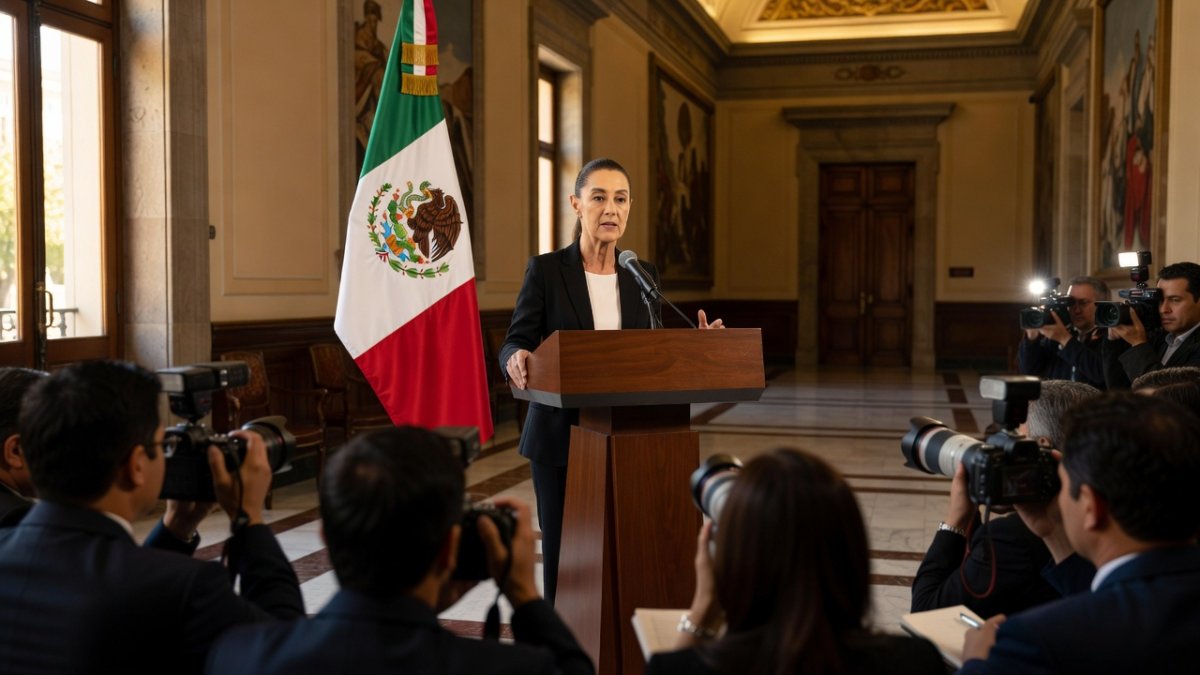
The Mañanera Sets the Stage for World Cup Excitement
Thursday morning brought a unique energy to the presidential briefing as Mexico prepared for the 2026 FIFA World Cup opening ceremony just hours away. The capital buzzed with anticipation while families in nearby colonias prepared to celebrate the global event. President Claudia Sheinbaum delivered her remarks with the stadium only fifteen kilometers distant. This setting created a backdrop filled with national pride and community focus.
Residents from various neighborhoods watched the proceedings closely. Many hoped the tournament would highlight everyday Mexican stories rather than political tensions. The briefing touched on education, social programs, and public safety. These topics resonated with teachers in rural pueblos and workers in maquiladoras alike.
Sheinbaum emphasized unity during this historic moment. Her words reached small business owners near the Zócalo and street vendors setting up tianguis stalls. The atmosphere blended excitement with practical concerns about daily life. Communities across the country tuned in to see how the government would balance celebration and responsibility.
Local families gathered around screens in their homes. They discussed how the World Cup might bring opportunities to their areas. The mañanera served as both a policy update and a moment of shared national reflection. This approach kept the focus on people rather than spectacle alone.
CNTE Union Engages in Extended Negotiations
The dissident CNTE teachers union spent the week staging marches near Estadio Azteca. Their actions aimed to draw attention to long-standing demands. Education Minister Mario Delgado confirmed four rounds of talks had taken place. The core issues centered on the teacher career evaluation unit known as Usicamm and pension changes.
Despite lengthy discussions the union decided to proceed with marches near the stadium. Government officials arrived at each meeting with prepared materials. ISSSTE head Mario Batres noted that the CNTE offered no counterproposals during the sessions. This detail highlighted the challenges in reaching common ground.
Teachers in indigenous comunidades and rural schools followed the developments closely. Many expressed hope for solutions that would improve their working conditions. The talks reflected broader concerns about education funding and support systems. Community leaders in ejidos watched how these negotiations might affect local classrooms.
Delgado pointed to political motivations behind some union actions. He suggested the timing sought to affect Mexico's international image. Families of maquiladora workers worried about potential disruptions to daily routines. The ongoing dialogue showed the government's commitment to continued conversation.
Direct Teacher Consultations Begin in August
President Sheinbaum announced a new approach to hearing from educators across Mexico. Starting in August the government will consult teachers directly during the pre-semester preparation week. This process will occur school by school rather than through union leadership alone. Sheinbaum stated that teachers themselves should decide key matters.
The plan aims to give voice to those working in classrooms every day. Educators in remote pueblos and urban colonias will have the chance to share their views. This method seeks to move beyond traditional negotiation channels. Many small business owners who support local schools welcomed the inclusive step.
Sheinbaum stressed that decisions should reflect the experiences of practicing teachers. The initiative comes at a time when education remains central to community development. Families in indigenous areas hoped the consultations would address practical needs. The approach signaled a shift toward broader participation in policy discussions.
School communities prepared for the upcoming sessions with anticipation. Teachers discussed how their input might shape future programs. This direct outreach represented an effort to strengthen connections between government and educators. The focus stayed on improving outcomes for students nationwide.
Pension Discussions Highlight Government Proposals
On the topic of pensions Sheinbaum rejected calls to simply repeal the 2007 ISSSTE reform. She explained that the government had presented detailed options during the talks. Mario Batres reinforced this point by noting the absence of counterproposals from the CNTE. The discussions revealed differences in how each side viewed long-term solutions.
Retired teachers and current staff in various regions considered the implications. Many relied on stable pension systems to support their families. The government's stance emphasized careful analysis over abrupt changes. Communities in ejidos and colonias followed these updates with personal interest.
Sheinbaum maintained that sustainable reforms required thoughtful planning. Officials stressed the need for proposals that could endure over time. This position reflected concerns about fiscal responsibility and worker security. Local families hoped for outcomes that balanced fairness with practicality.
The pension topic connected to wider conversations about public sector support. Educators in rural areas expressed a desire for clear communication. The government continued to offer detailed information at each meeting. These efforts aimed to build trust through transparency and direct engagement.
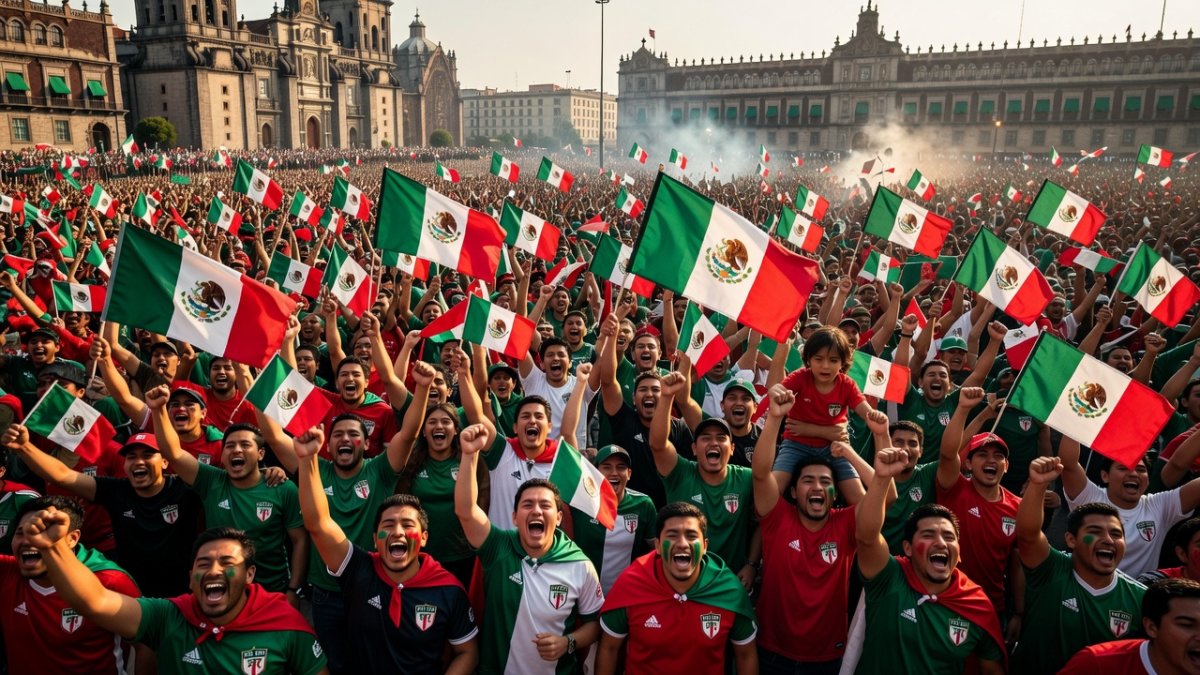
Community Projects Mark Social World Cup Efforts
More than 1.2 million youths took part in community work to rehabilitate sports courts across the country. A total of 4,150 courts received attention through these initiatives. Additionally 6,004 murals were painted in neighborhoods from north to south. These activities brought residents together in shared projects.
Young people in vocational schools and local colonias contributed their energy. The projects created spaces for recreation and cultural expression. Families in maquiladora communities appreciated the focus on youth involvement. The efforts highlighted how the World Cup could extend beyond the stadium.
Sheinbaum described the distribution of 500 federal tickets entirely to citizens. No tickets went to government employees. This choice reflected a desire to share the experience with everyday people. Students and workers from various backgrounds received the opportunity to attend.
One standout story involved Estrella a student from a SETI vocational high school in Tamaulipas. As the daughter of a single maquiladora worker she won first place at an international science competition in Chile. She was selected to perform the opening coin toss. Her journey inspired many families watching from their homes.
USMCA Trade Partnership Receives Strong Defense
President Sheinbaum spoke in support of the USMCA trade agreement during the ongoing review process. She highlighted its importance for Mexican workers and industries. The deal affects maquiladora operations and small businesses throughout the country. Communities near the border watched the discussions with particular attention.
Officials noted that stable trade relations support jobs in many sectors. Street vendors and local producers benefit from predictable economic conditions. Sheinbaum emphasized the need to maintain strong partnerships with neighboring countries. This position aligned with broader goals of economic security for families.
The defense of USMCA came amid questions about future adjustments. Government representatives stressed the agreement's role in regional cooperation. Workers in various industries hoped for outcomes that would protect employment. The topic connected daily life in colonias to international policy decisions.
Sheinbaum presented the trade framework as a foundation for continued growth. Her comments reassured communities that relied on cross-border commerce. The approach kept the focus on practical benefits for Mexican citizens. Local economies in ejidos and urban areas stood to gain from steady relations.
Search Collectives Raise Concerns at Protests
Interior Minister Rosa Icela Rodríguez addressed protests by families of disappeared persons. She expressed solidarity with their cause while noting details about some participants. Reports indicated that individuals from Jalisco arrived on organized buses. Authorities began investigating who had arranged the transportation.
Sheinbaum clarified that officials had confirmed the arrival of people from Jalisco by bus. The situation reflected ongoing efforts to support families seeking answers. Communities across the country understood the pain of those affected. The government maintained open channels for dialogue on these sensitive matters.
Protests occurred alongside other events in the capital. Officials balanced respect for the families with public safety considerations. Rodríguez emphasized the importance of understanding all aspects of the gatherings. This careful approach aimed to address concerns while maintaining order.
Families in indigenous comunidades and urban neighborhoods followed the reports. Many hoped for continued progress in locating missing loved ones. The minister's statements showed awareness of the human stories involved. Government actions focused on both compassion and factual investigation.
Security Preparations and Fan Fest Celebrations
Security measures included around 200 officers in riot gear along the Periférico Ring Road. Heavy checkpoints appeared on Tlalpan Avenue ahead of the events. CNTE teachers blockaded certain highways downtown intersections and federal buildings. Only residents with valid registration and ticket holders could approach the stadium area.
The AICM airport advised travelers to arrive early due to demonstrations blocking Metro stations. These steps sought to manage crowds while allowing the tournament to proceed. Communities near the venues adjusted their routines accordingly. Local businesses prepared for both challenges and opportunities.
Meanwhile the Zócalo Fan Fest reached its 40,000 capacity with fans lining up as early as 3 a.m. Sheinbaum watched the match from the Gustavo A. Madero borough. She leapt with joy when Raúl Jiménez scored and waved a Mexican flag in celebration. The moment captured the shared excitement felt across neighborhoods.
Mexico defeated South Africa 2-0 with goals from Julian Quiñones in the ninth minute and Raúl Jiménez in the sixty-seventh. Three red cards marked the game. Gilberto Mora at seventeen years and two hundred forty days became the youngest Mexican man to appear at a World Cup. Estadio Azteca made history as the first venue to host matches at three men's World Cups. The victory added to the sense of national pride felt in colonias and pueblos alike.
Tags: Claudia Sheinbaum, CNTE, World Cup 2026, Mario Delgado, Rosa Icela Rodríguez, USMCA, Estadio Azteca, ISSSTE, teachers union, social programs
By Rosa Martinez, Staff Writer
Internal Linking Opportunities: Link to previous coverage of CNTE negotiations and USMCA updates on Global1.News. Social Media Teaser: "Sheinbaum puts teachers first while Mexico celebrates its World Cup opening—read the full mañanera recap!"This article was produced with AI-assisted research and editorial support. Reporting is based on sources cited in the article.
What's Your Reaction?
 Like
0
Like
0
 Dislike
0
Dislike
0
 Love
0
Love
0
 Funny
0
Funny
0
 Wow
0
Wow
0
 Sad
0
Sad
0
 Angry
0
Angry
0
Latin America/Andes Correspondent at Global1.News. Based in Bogota, covering politics, environment, energy, and social movements across the Andean region. Passionate about environmental journalism and communities protecting their land.












Comments (0)