
Mexico 2-0 South Africa: World Cup 2026 Kicks Off at Estadio Azteca
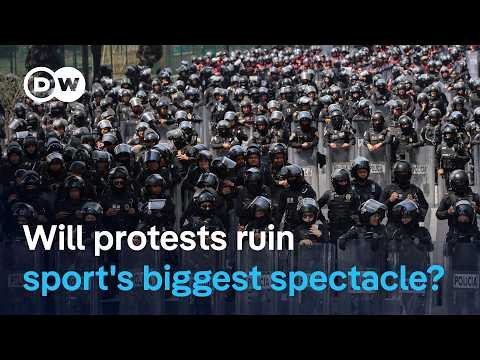
In a video report by DW News, the 2026 FIFA World Cup officially began on Thursday, June 11, 2026, at Estadio Azteca in Mexico City, where the Mexican national team defeated South Africa 2-0 in front of 83,452 fans. Colombian-born striker Julián Quiñones scored the tournament's first goal in the ninth minute, and Raúl Jiménez added a second-half header, sending waves of joy thr
In a video report by DW News, the 2026 FIFA World Cup officially began on Thursday, June 11, 2026, at Estadio Azteca in Mexico City, where the Mexican national team defeated South Africa 2-0 in front of 83,452 fans. Colombian-born striker Julián Quiñones scored the tournament's first goal in the ninth minute, and Raúl Jiménez added a second-half header, sending waves of joy through families gathered in homes from Mexico City's Coyoacán neighborhood to public viewing parties in Monterrey's Macroplaza and Guadalajara's Plaza de la Liberación. This marks the third time Mexico has hosted a World Cup opening match after 1970 and 1986, with Estadio Azteca now the first stadium in history to host matches across three different men's World Cups.
Mexico 2-0 South Africa: 2026 World Cup Opening Match
Mexico City, Mexico — The 2026 FIFA World Cup officially began on Thursday at Estadio Azteca, where Mexico defeated South Africa 2-0 in the tournament's opening match. Goals from Julián Quiñones and Raúl Jiménez propelled El Tri to an early lead in Group A, while the opening ceremony featuring Shakira and Burna Boy set the stage for what promises to be the largest World Cup in history.
Shakira, Burna Boy, and Latin Stars Ignite Opening Ceremony
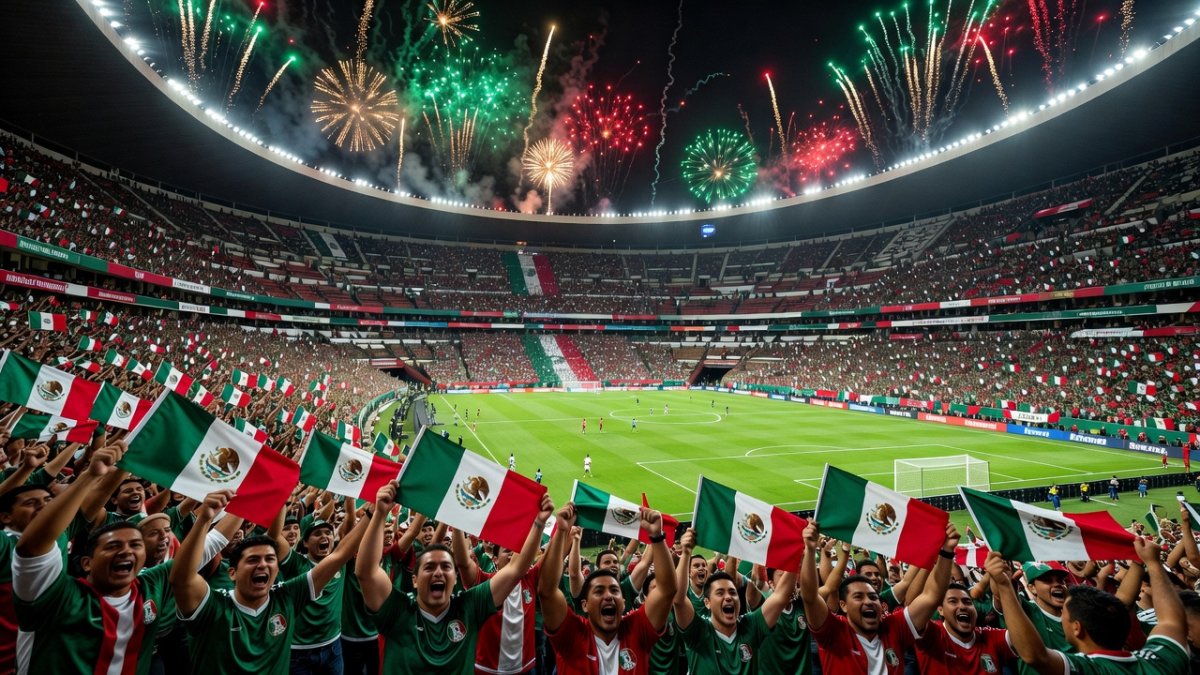
The opening ceremony featured a towering model of the FIFA World Cup trophy placed at the center of the pitch, while Colombian superstar Shakira and Nigerian artist Burna Boy performed the official tournament song "Dai Dai." Colombian singer Tyla and other Latin music performers joined the celebration, reflecting the cultural ties that bind Mexico to its Latin American neighbors. For millions of Mexican families watching on Televisa and TV Azteca broadcasts, the performances evoked memories of past triumphs in 1970 and 1986, when the nation united around the Tricolor. In Oaxaca's central squares and Mérida's parks, community groups organized screenings that turned the event into a shared cultural festival, strengthening bonds between generations of football fans.
Quiñones and Jiménez Deliver Victory as Young Mora Makes History
Julián Quiñones, who was born in Colombia but chose to represent Mexico after rejecting a call-up from his birth country, opened the scoring early and became an instant hero in neighborhoods like Iztapalapa and Ciudad Nezahualcóyotl. His naturalization story resonates deeply with Mexican communities that value loyalty and hard work. Raúl Jiménez, playing for the national team many still call "El Tri," rose above defenders to score with a powerful header in the second half. Meanwhile, 17-year-old Gilberto Mora became the youngest player ever to appear for Mexico in a World Cup, stepping onto the pitch at Estadio Azteca to thunderous applause from 4,200 National Guard personnel and excited supporters. Mexico controlled 60 percent of possession and generated an expected-goals advantage of 0.66 to 0.06, while South Africa created zero big chances with an expected-goals total of just 0.07.
Three Red Cards Mark Chaotic Opener and Suspensions Follow
The match became the first World Cup opener to feature three red cards. South Africa's Sphephelo Sithole was sent off for an illegal tackle, followed by teammate Themba Zwane after a VAR review. Mexico's César Montes received a red card for a strong challenge late in the game. As a result, Sithole and Zwane will miss South Africa's next match against Czechia, while Montes is suspended for Mexico's upcoming Group A clash with South Korea. South Africa coach Hugo Broos had warned his players about the intense atmosphere created by the raucous Mexico City crowd, yet the visitors struggled to generate meaningful attacks throughout the 90 minutes. These disciplinary events added drama that will be discussed for weeks in taquerías across Tijuana and street markets in Cancún.
Security, Controversy, and Economic Hopes Surround Tournament Launch
Police maintained a heavy presence in Mexico City, with reported scuffles at outdoor viewing areas in downtown streets near the Zócalo. FIFA President Gianni Infantino addressed reporters at a news conference amid ongoing controversies over high ticket prices and visa denials, including the case of the Somali referee who was barred from entering the United States before the tournament. Attorneys general in New York, New Jersey, Texas, and California are investigating FIFA's ticketing policies. The FBI issued warnings to drone operators to stay away from all World Cup venues. Despite these issues, Mexican officials expect the 48-team tournament, which includes 104 matches across Mexico, the United States, and Canada over 39 days, to generate nearly $41 billion in economic output. The final is scheduled for July 19 at MetLife Stadium in New Jersey. For families in working-class districts of Puebla and León, this financial boost offers hope for jobs in hospitality, transportation, and local commerce tied to the month-long football extravaganza.
National Pride Swells from Mexico City to Rural Towns
The victory has ignited national pride across Mexico, where football remains the heartbeat of community life. In small towns outside Guadalajara, fathers and sons replayed Quiñones' goal on neighborhood fields, while mothers in Mérida prepared special meals to celebrate with extended families. The success of naturalized citizen Quiñones and teenage sensation Mora symbolizes the inclusive spirit of Mexican society, where talent from diverse backgrounds strengthens the national team. This opening win positions Mexico at the top of Group A and sets an optimistic tone for the squad managed under the watchful eye of the Mexican Football Federation. As fans prepare for the next match against South Korea, the entire country — from bustling streets in Ciudad Juárez to quiet plazas in Oaxaca — feels a renewed sense of unity and possibility.
Why This World Cup Matters for Everyday Mexican Families
For Mexican readers, this tournament represents far more than 11 players on a pitch. It connects directly to the daily realities of millions who see football as an escape and a source of collective identity. The $41 billion economic forecast could translate into concrete opportunities for street vendors near Estadio Azteca, hotel workers in Cancún, and transportation employees in Monterrey. At the same time, controversies surrounding ticket prices and visa issues highlight ongoing tensions between FIFA's global ambitions and the needs of host communities. The historic third opening match at Estadio Azteca reminds older generations of the 1970 and 1986 tournaments, when Mexico last stood at the center of the football world, while younger fans like those cheering for Gilberto Mora see a future where their own dreams might reach similar heights. The three red cards and dominant performance will fuel passionate debates in homes, workplaces, and on social media platforms popular throughout Latin America.
Looking Ahead as Mexico Prepares for South Korea Clash
With the win secured, Mexico now turns its focus to the next Group A fixture against South Korea, while South Africa must regroup without two suspended key players for their meeting with Czechia. The 17-year-old Mora's debut has already sparked discussions within the Mexican Football Federation about nurturing young talent from grassroots programs in states like Jalisco and Nuevo León. As the 39-day tournament unfolds across three nations, Mexican communities will continue gathering in public spaces and private living rooms to support "El Tri." The opening night at Estadio Azteca, filled with music from Shakira and Burna Boy, goals from Quiñones and Jiménez, and the electric atmosphere only Mexico City can produce, has set a memorable standard for the rest of the 2026 FIFA World Cup.
This victory is more than a scoreline. It is a moment when families in every corner of Mexico — from the highlands of Chiapas to the beaches of Baja California — felt united under one flag and one passion. The historic achievements at Estadio Azteca, the first stadium to host three World Cups, will be remembered long after the final whistle in New Jersey on July 19. For now, the streets of Mexico City remain alive with celebration, and the entire nation carries the pride of a successful opening chapter in what promises to be an unforgettable summer of football.
By Rosa Martinez, Staff Writer
This article was produced with AI-assisted research and editorial support. Reporting is based on sources cited in the article.
What's Your Reaction?
 Like
0
Like
0
 Dislike
0
Dislike
0
 Love
0
Love
0
 Funny
0
Funny
0
 Wow
0
Wow
0
 Sad
0
Sad
0
 Angry
0
Angry
0
Latin America/Andes Correspondent at Global1.News. Based in Bogota, covering politics, environment, energy, and social movements across the Andean region. Passionate about environmental journalism and communities protecting their land.












Comments (0)