
Scorching Skies, Silent Deaths: Mexico's 2026 Heatwave Claims 25 Lives
**Keywords:** Mexico heatwave 2026, golpe de calor, heatstroke deaths, CONAGUA, Secretaría de Salud, El Niño, climate change Mexico, Latin America heat crisis, extreme temperatures, canícula, public health emergency, Monterrey heat, Sonora 45C, Tabasco heat deaths As Mexico endures its deadliest heatwave season on record in 2026, at least 25 people have already perished from ex
As Mexico endures its deadliest heatwave season on record in 2026, at least 25 people have already perished from extreme temperatures driven by a strengthening El Niño and accelerating climate change, with northern and southern states alike buckling under 45°C-plus conditions that show no sign of easing before the canícula peaks.
Scorching Skies, Silent Deaths: Mexico's 2026 Heatwave Claims Lives Across a Nation Unprepared
Mexico City, Mexico — June 23, 2026 — Twenty-five confirmed deaths and more than 820 cases of heat-related illness have already struck Mexico this season, according to Secretaría de Salud data, as temperatures soar past 45°C in Sonora and heat indices climb to 50-60°C in multiple states while El Niño threatens to rival the catastrophic 1877-1878 event.
Deadly Toll: 25 Deaths and Rising
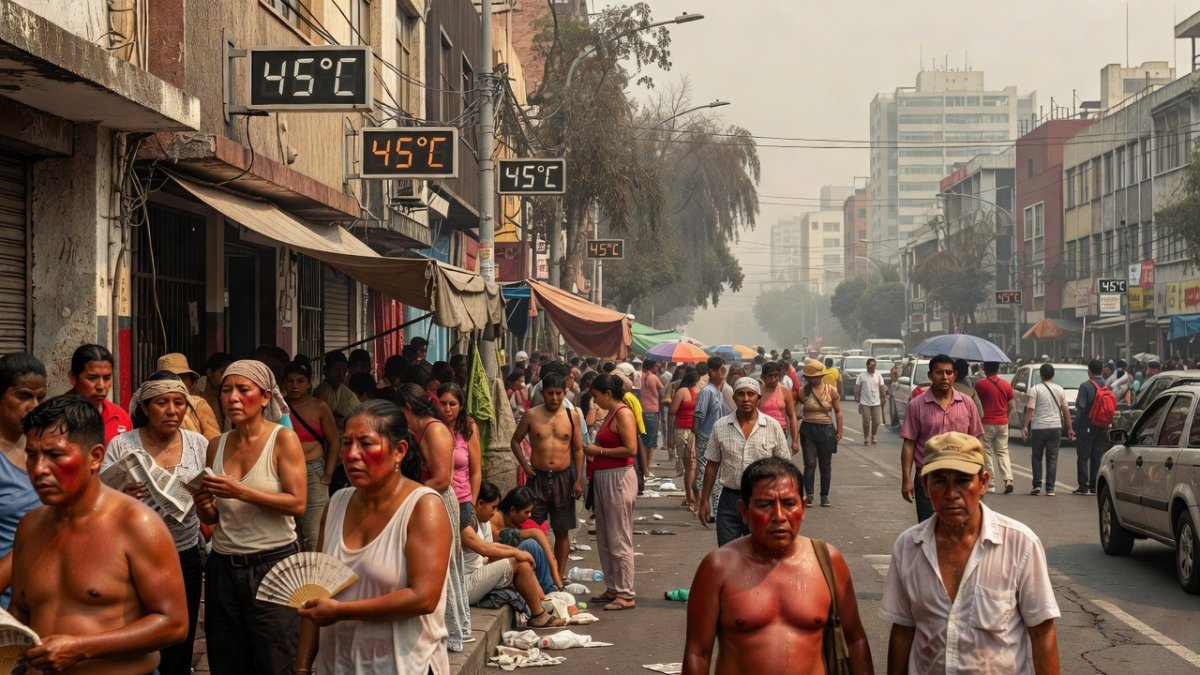
The human cost is stark and rising fast. Secretaría de Salud has verified 25 deaths from the 2026 heatwave season: 24 from heatstroke, known locally as golpe de calor, and one from severe dehydration. These figures come from rigorous epidemiological tracking across all 32 states, yet experts at the National Institute of Public Health warn that underreporting remains likely in rural and indigenous communities where access to medical care is limited. Tabasco alone accounts for three deaths and 124 cases, representing 15 percent of the national total of 820-plus heat-related illnesses. Baja California, Chiapas, and Veracruz each report three deaths, while Guerrero, Nayarit, and Oaxaca have each lost two residents. Single fatalities have been recorded in Baja California Sur, Campeche, Quintana Roo, Querétaro, Sonora, San Luis Potosí, and Tamaulipas. The pattern reveals that both northern deserts and southern tropical lowlands are equally vulnerable when humidity spikes the heat index. Children, the elderly, outdoor laborers, and those with chronic conditions face the highest risk, especially households without air conditioning or reliable electricity. Daily CONAGUA alerts have become routine, yet the death toll continues its grim climb as the canícula approaches in July and August.
Where the Heat Hits Hardest
Regional disparities paint a map of suffering. In Sonora, Hermosillo has repeatedly exceeded 45°C, turning streets into ovens where asphalt softens underfoot. Monterrey in Nuevo León has seen sustained readings above 40°C, triggering record electricity demand that has caused rolling blackouts across northern cities and left thousands without fans or refrigeration during the worst hours. Tabasco leads in reported cases with 124 illnesses, its humid lowlands amplifying the felt temperature to dangerous levels even when air temperatures are slightly lower than in the north. Southern states such as Chiapas and Veracruz suffer from the double burden of heat and humidity, while central and western regions including Guerrero and Oaxaca report deaths tied to agricultural work under direct sun. The contrast between arid north and steamy south underscores how climate change intensifies existing vulnerabilities rather than creating uniform conditions. CONAGUA’s Servicio Meteorológico Nacional issues daily bulletins, yet many communities lack the resources to act on them. As the canícula dry period looms, forecasters anticipate even more extreme peaks that could push heat indices beyond 60°C in multiple states simultaneously.
Health Systems Under Pressure
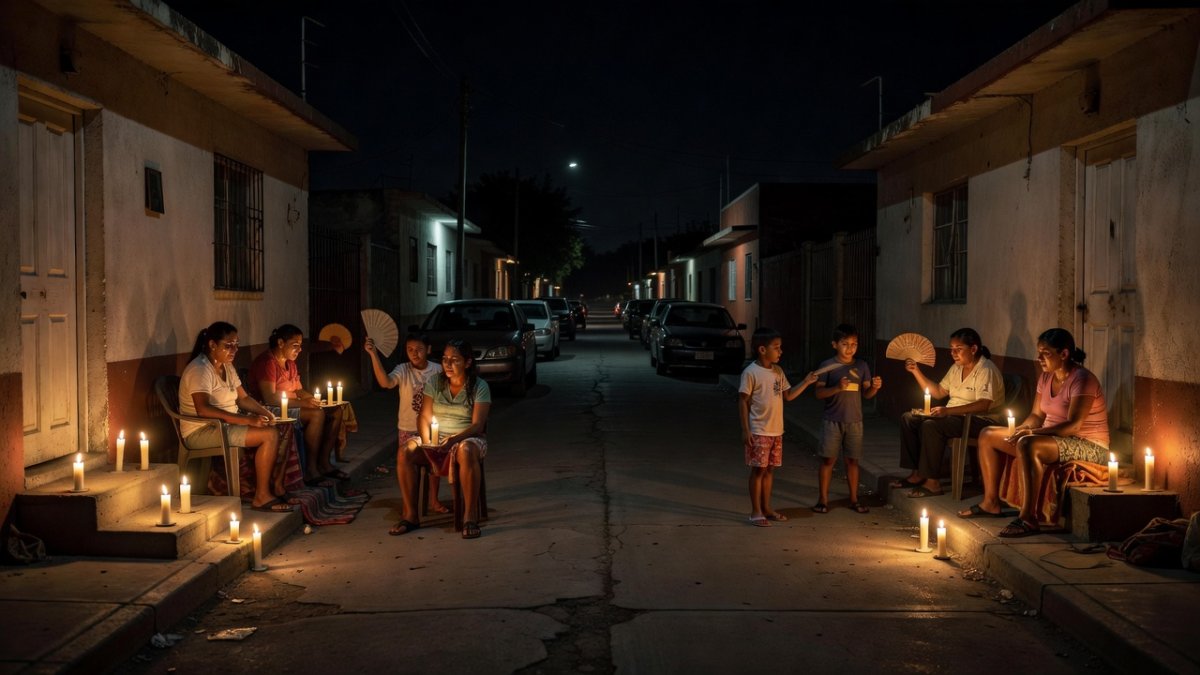
Hospitals and emergency services across Mexico are stretched thin. INSP research links each additional degree of temperature rise to measurable increases in heatstroke admissions, cardiovascular strain, and renal failure, particularly among patients with preexisting conditions. Treatment protocols for golpe de calor demand rapid cooling, intravenous fluids, and intensive monitoring, yet many facilities in smaller cities report shortages of beds and equipment during peak events. Vulnerable populations—children under five, adults over sixty-five, outdoor workers, and residents without cooling access—account for the majority of both deaths and the 820-plus cases. Public health measures include nationwide hydration campaigns, opening of cooling centers in state capitals, and temporary adjustments to school schedules and outdoor work hours. Still, these interventions reach only a fraction of those at risk. The Secretaría de Salud has urged families to check on elderly neighbors and limit midday activity, but enforcement is uneven. As blackouts compound the crisis in the north, health officials fear secondary impacts from spoiled medications and contaminated water. The data from this season already exceeds previous years, signaling that Mexico’s health infrastructure must adapt rapidly or face far higher mortality in coming summers.
The Climate Driver: El Niño and Warming
Behind the immediate suffering lies a clear climate signal. A strengthening El Niño, already producing ocean heat records across the Pacific, is projected to become a “Super” event potentially rivaling the devastating 1877-1878 episode that triggered global famines. CONAGUA and the Servicio Meteorológico Nacional are monitoring daily anomalies, while the World Meteorological Organization notes that 2025 already delivered record extreme heat across Latin America. Climate change amplifies these natural cycles, pushing baseline temperatures higher and extending the duration of dangerous heat. The upcoming canícula, the mid-summer dry period, is expected to bring prolonged stretches of clear skies and minimal rainfall, locking in extreme conditions through July and August. Scientists warn that without rapid emissions reductions, such seasons will become the new normal rather than outliers. Ocean temperatures feeding El Niño remain elevated, and atmospheric patterns suggest the current event could persist into 2027. For Mexico, this means repeated assaults on public health, agriculture, and energy systems that the country is only beginning to confront with the urgency required.
What This Means for Latin America
The crisis is hemispheric. The Dominican Republic faces potential forecasts of 43-44°C through August to October, while Europe simultaneously endures a June 2026 heatwave exceeding 40°C. FAO warnings highlight how deepening droughts and floods threaten millions with hunger across Central and South America, as crops wither and supply chains fracture under extreme weather. Central American nations already grappling with migration pressures now confront additional heat-driven displacement. South American countries from Colombia to Argentina report parallel spikes in heat-related illness and wildfire risk. The 2026 season demonstrates that no region is insulated; simultaneous heat stress across the hemisphere strains global response capacity and underscores the need for coordinated early-warning systems. WMO data from 2025 already showed Latin America bearing disproportionate impacts, and this year’s Mexican toll serves as a stark preview of what awaits the broader region if adaptation lags behind the warming trajectory.
The Bottom Line — Protecting Lives in a Hotter World
Forward-looking action is no longer optional. Mexico and its neighbors must accelerate heat action plans, expand early-warning systems, invest in urban cooling infrastructure such as green roofs and shaded public spaces, and strengthen public health capacity for rapid response. Adaptation funding must prioritize the most vulnerable communities rather than waiting for disasters to strike. Regional cooperation through bodies like the WMO and FAO can share best practices on hydration campaigns, cooling centers, and agricultural protections. Without these steps, the 25 deaths recorded so far will represent only the beginning of a far larger tragedy. Latin America stands at a crossroads: either build resilient systems now or accept escalating loss of life each summer. The data from 2026 demands immediate, passionate commitment to protecting every community in this hotter world.
By Elena Vasquez, Staff Writer
This article was produced with AI-assisted research and editorial support. Reporting is based on sources cited in the article.
What's Your Reaction?
 Like
0
Like
0
 Dislike
0
Dislike
0
 Love
0
Love
0
 Funny
0
Funny
0
 Wow
0
Wow
0
 Sad
0
Sad
0
 Angry
0
Angry
0

Latin America Correspondent at Global1.News. Based in Mexico City, covering politics, economics, energy, and culture across the region. Brings an on-the-ground perspective to stories spanning from the Rio Grande to Patagonia.














Comments (0)