
Retail Sales Tumble as Consumers Pull Back — What the 1% Drop Really Means
Retail Sales Tumble as Consumers Pull Back — What the 1% Drop Really Means Retail Sales Take a Surprising Hit The Commerce Department reported that retail sales fell 1 percent in March from the prior month, a steeper decline than the 0.4 percent drop economists had anticipated according to Refinitiv. This comes after a revised 0.2 percent decline in February, showing the pullba
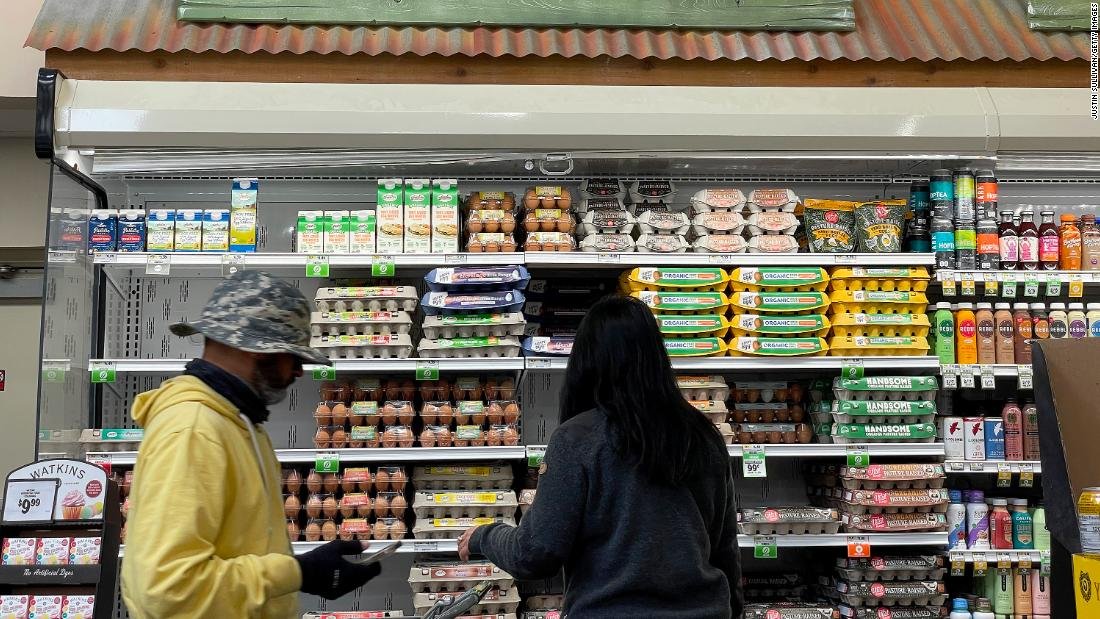
Retail Sales Take a Surprising Hit
The Commerce Department reported that retail sales fell 1 percent in March from the prior month, a steeper decline than the 0.4 percent drop economists had anticipated according to Refinitiv. This comes after a revised 0.2 percent decline in February, showing the pullback is accelerating rather than easing. Even when excluding volatile gas station sales, spending retreated 0.6 percent month over month. Year-over-year figures still show a 2.9 percent gain, yet that masks the sudden reversal in momentum that matters most for assessing near-term economic health. Investors have attributed part of the weakness to delayed tax refunds and growing worries about a cooling labor market, but the data reveal consumers are already dialing back purchases in meaningful ways. Spending at general merchandise stores plunged 3 percent, while gas station outlays dropped 5.5 percent. These figures are not adjusted for inflation, meaning the real volume of goods moving off shelves is falling even faster. The Commerce Department numbers paint a picture of households choosing to conserve cash rather than spend freely, a shift that carries direct implications for retailers and the broader economy. When month-to-month declines exceed forecasts by such a wide margin, it signals that recession fears sparked by recent banking turmoil are beginning to influence behavior. This is not yet a collapse, but the direction is clear and the pace is faster than expected.
The Tax Refund Factor — $25 Billion Less in Pockets
The IRS issued 84 billion dollars in tax refunds during March, roughly 25 billion dollars less than the 109 billion dollars distributed in the same month last year, according to Bank of America analysts. That shortfall left households with noticeably thinner wallets precisely when many Americans rely on refunds to fund larger purchases. BofA analysts directly link the smaller refunds to reduced spending at department stores and on durable goods such as appliances and furniture. March has historically been the peak month for refund arrivals, so the gap was felt immediately by families who had budgeted around last year’s larger checks. Credit and debit card spending per household tracked by Bank of America researchers slowed to its weakest pace in more than two years. The combination of smaller refunds and other pressures forced consumers to prioritize essentials over discretionary buys. This is not merely a timing issue; it represents a real reduction in available cash that will not automatically reappear next month. Retailers counting on post-refund surges found themselves facing empty aisles instead. The data underscore how sensitive spending remains to even modest changes in household liquidity, especially after years of elevated prices. When 25 billion dollars vanishes from circulation in a single month, the ripple effects reach far beyond tax preparers and into every major retail category.
Benefits Expiration Compounds the Pressure
Enhanced pandemic-era SNAP benefits expired in February, removing another layer of support just as tax refunds shrank. Bank of America Institute data show credit and debit card spending per household moderated in March to the slowest pace in more than two years, reflecting the simultaneous disappearance of two key income cushions. Households that had counted on extra food assistance suddenly faced higher grocery bills without corresponding wage gains to offset them. The timing could not have been worse, arriving alongside banking-sector jitters that already made consumers more cautious. Economists note that these expired benefits held back spending more than many models anticipated, particularly among lower- and middle-income families who allocate a larger share of refunds and assistance to everyday purchases. The result is a broad-based softening rather than an isolated dip in one or two categories. When two major supports vanish within weeks of each other, the cumulative effect on discretionary outlays becomes visible in the Commerce Department figures. Retailers in the general merchandise space felt the squeeze first, but the pattern suggests further weakness could spread if no new supports emerge. Consumers are not choosing to save aggressively out of optimism; they are conserving because the safety net has thinned.
Wage Growth Is Cooling — and That Matters
Average hourly earnings rose 4.2 percent year-over-year in March, down from the prior month’s 4.6 percent annualized increase and the smallest annual gain since June 2021, according to Bureau of Labor Statistics data. The Employment Cost Index has similarly shown moderating pay gains throughout the past year. Aditya Bhave, senior U.S. economist at BofA Global Research, highlighted how these trends compound the impact of smaller refunds and expired benefits. Slower wage growth leaves households with less incremental income to absorb higher prices or replace lost supports. Michelle Meyer, North America chief economist at Mastercard Economics Institute, emphasized that income growth remains a critical pillar for consumer resilience, yet the latest readings indicate that pillar is losing strength. When pay gains shrink to the slowest pace in nearly two years, families must stretch existing resources further. This moderation is not yet a collapse in earnings, but it removes one of the buffers that had previously supported spending through inflation. The Bureau of Labor Statistics figures reveal a labor market that is still adding jobs while simultaneously delivering smaller raises, a combination that squeezes household budgets from both directions. Retail sales data already reflect the early consequences.
Labor Market Still Solid — but Losing Steam
Employers added 236,000 jobs in March, a robust figure by historical standards yet below the average monthly pace recorded over the prior six months, according to the Bureau of Labor Statistics. The JOLTS report showed job openings remained elevated in February but had fallen more than 17 percent from the March 2022 peak of 12 million positions. Revised data also indicated that weekly unemployment claims were higher than previously reported. These details matter because a cooling labor market directly influences consumer confidence and spending willingness. While 236,000 new jobs still represent meaningful hiring, the downward trend in openings and the upward revision to claims suggest momentum is fading. Michelle Meyer noted that the labor market’s overall health continues to support household balance sheets for now, yet the trajectory points toward further softening. When job openings decline sharply from their peak and claims tick higher, workers naturally grow more cautious about big-ticket purchases. The Bureau of Labor Statistics data do not show an imminent surge in layoffs, but the direction of travel is unmistakable. Retail sales weakness in March aligns with these labor-market signals, indicating households are already adjusting behavior ahead of any deeper downturn.
Consumer Sentiment Waits for the Other Shoe to Drop
University of Michigan consumer sentiment held steady in April despite the banking crisis, but year-ahead inflation expectations jumped a full percentage point from 3.6 percent in March to 4.6 percent in April. Joanne Hsu, director of the surveys of consumers at the University of Michigan, stated that consumers did not perceive material changes in the economic environment in April yet remain wary. Her assessment captures the mood precisely: households are expecting a downturn and are waiting for the other shoe to drop. Sentiment had already begun deteriorating before the Silicon Valley Bank and Signature Bank collapses, and the latest reading shows only a pause rather than a rebound. Higher gas prices helped push inflation expectations higher, adding another layer of caution to spending decisions. When consumers anticipate tougher times ahead, they prioritize saving over spending even if current income and employment figures remain acceptable. The University of Michigan data reveal a public that is neither panicked nor optimistic, but instead braced for further bad news. This mindset helps explain why retail sales fell more sharply than expected in March. Households are conserving resources in preparation for the slowdown that official forecasts now place later this year.
The Bottom Line for the American Wallet
Fed economists forecast that the U.S. economy will enter recession later this year as the lagged effects of higher interest rates take hold, a prediction made even before the collapses of Silicon Valley Bank and Signature Bank. The March retail sales figures demonstrate that consumers are already feeling the cumulative weight of smaller tax refunds, expired benefits, cooling wage growth, and a labor market losing steam. For everyday households, this means tighter budgets and harder choices at the checkout line. Spending at department stores and on durable goods has declined because cash flow has tightened, not because preferences have suddenly shifted. Joanne Hsu’s observation that consumers are waiting for the other shoe to drop reflects a widespread recognition that the current softness is likely to deepen. Michelle Meyer’s more optimistic view of underlying income and labor-market health offers some reassurance, yet the Commerce Department data show spending responding faster than those fundamentals might suggest. Aditya Bhave’s analysis ties the 25-billion-dollar refund shortfall directly to the spending drop, underscoring how sensitive household finances remain. The bottom line is straightforward: American wallets are under pressure, and the 1 percent decline in retail sales is the first clear evidence that caution is winning out over consumption. Further weakness appears probable unless new supports materialize or labor-market conditions stabilize quickly.
By Jessica Ali, Staff WriterThis article was produced with AI-assisted research and editorial support. Reporting is based on sources cited in the article.
What's Your Reaction?
 Like
0
Like
0
 Dislike
0
Dislike
0
 Love
0
Love
0
 Funny
0
Funny
0
 Wow
0
Wow
0
 Sad
0
Sad
0
 Angry
0
Angry
0

Editor-in-Chief at Global1.News. Atlanta-based journalist who cuts through the BS and tells it like it is. Lead anchor, host, and the voice you hear when the spin stops and the truth starts.















Comments (0)