
Record Tornadoes Hit Canada's Prairies Amid Heat Wave
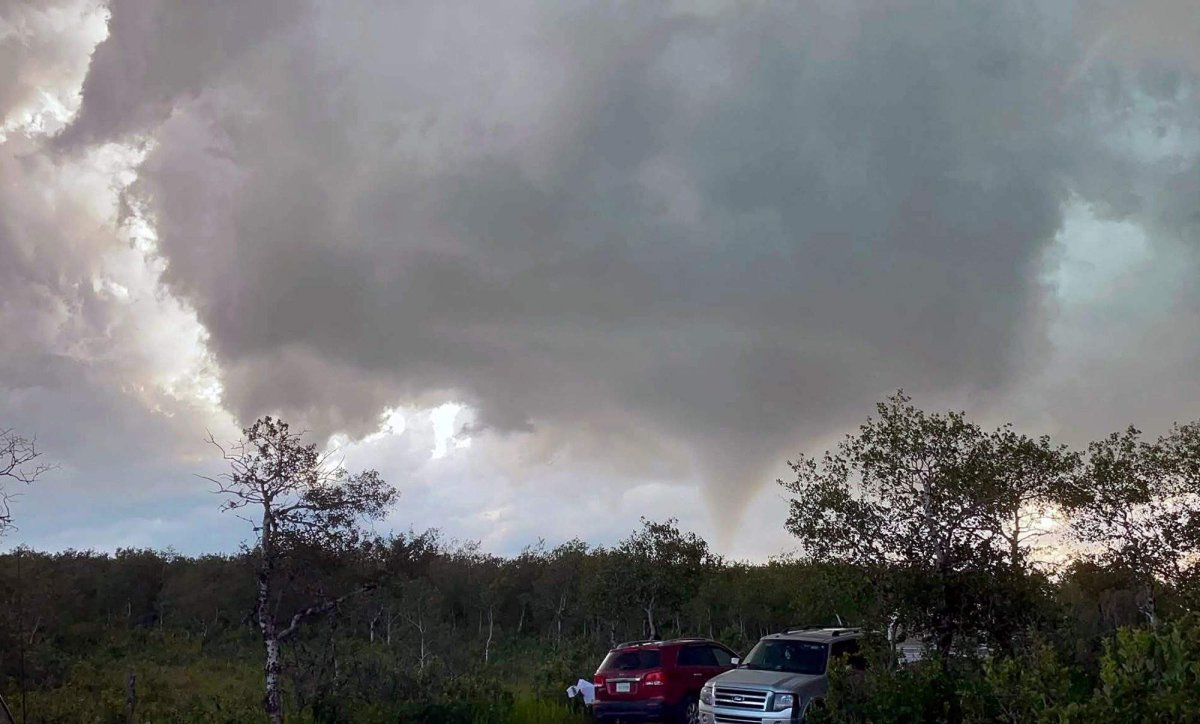
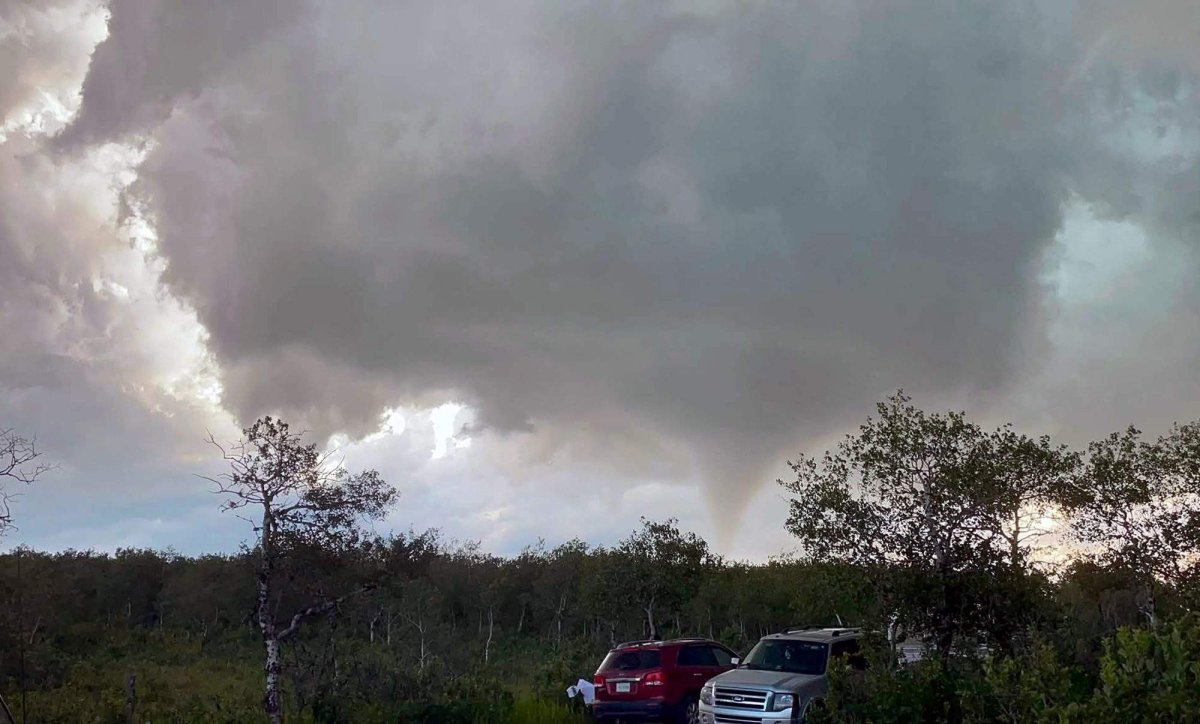
More Tornadoes Recorded in Canada's Prairies Amid Humid Heat Wave Environment Canada issued a red tornado warning for the County of Vermilion River on Saturday evening as severe weather swept across the Prairies. The alert, posted around 5:30 p.m., was cancelled roughly 30 minutes later after the threat passed. A viewer-submitted image captured the funnel cloud touching down ne
More Tornadoes Recorded in Canada's Prairies Amid Humid Heat Wave
Environment Canada issued a red tornado warning for the County of Vermilion River on Saturday evening as severe weather swept across the Prairies. The alert, posted around 5:30 p.m., was cancelled roughly 30 minutes later after the threat passed. A viewer-submitted image captured the funnel cloud touching down near Tulliby Lake, approximately 60 kilometres northwest of Lloydminster, Alberta.
Record Tornado Counts Reported Across Alberta and Saskatchewan
The confirmed touchdown marks the 24th tornado recorded in Alberta so far this year. That figure represents an increase of more than 50 per cent compared with the total for 2025. Environment Canada continues to verify reports, and officials caution that final seasonal numbers may shift as additional assessments are completed.
Further east, a separate thunderstorm warning was issued for parts of Manitoba on Saturday night. Forecasters noted the potential for tornado development along with damaging winds, large hail, and locally intense rainfall. No confirmed touchdowns had been reported in Manitoba at the time of writing.
Ten Tornadoes Confirmed in Saskatchewan on a Single Day
On Friday, Environment Canada meteorologist Kayla Bilous told Global News that ten tornado reports had been received from across Saskatchewan. The storms formed during a prolonged heat event that settled over southern portions of both Saskatchewan and Manitoba. Heat warnings remain in effect for much of those regions, with orange-level alerts covering southeastern Saskatchewan and southern Manitoba where humidex values are forecast to reach the mid-40s.
Climate Patterns and Prairie Vulnerability
Canada’s Prairies have long experienced summer thunderstorms, yet the clustering of tornadoes within a short period has drawn renewed attention to shifting atmospheric conditions. Environment Canada scientists have documented rising temperatures and increased atmospheric moisture across the region, factors that can contribute to more energetic storm systems. Federal climate policy, including carbon pricing administered by the Canada Revenue Agency, aims to reduce greenhouse-gas emissions that drive these long-term changes.
Provincial governments in Alberta, Saskatchewan, and Manitoba hold primary responsibility for emergency preparedness and land-use planning. Coordination with federal agencies such as Public Safety Canada occurs through established protocols, though jurisdictional boundaries sometimes complicate rapid response in rural areas.
Impacts on Agriculture and Rural Communities
The Prairies produce a significant share of Canada’s grain, oilseeds, and livestock. Sudden severe weather can flatten crops, damage infrastructure, and disrupt harvest schedules. Farmers near Lloydminster and in southeastern Saskatchewan have already reported concerns about lodging in cereal crops following Friday’s storms. Insurance programs administered through provincial crop insurance corporations provide some coverage, yet deductibles and waiting periods can strain smaller operations.
Indigenous communities on Treaty lands in the region also face unique challenges. Many First Nations maintain strong connections to the land and rely on traditional harvesting activities that can be interrupted by extreme weather. Federal commitments under the United Nations Declaration on the Rights of Indigenous Peoples (UNDRIP) underscore the importance of including Indigenous knowledge in climate adaptation planning.
Environment Canada’s Warning System and Public Safety
Environment Canada operates the national weather-warning framework that alerts residents to tornado, thunderstorm, and heat risks. The agency’s meteorologists, including Kayla Bilous, issue statements that are disseminated through provincial emergency management organisations and local media. Residents are encouraged to monitor official channels and to have shelter plans in place, particularly in areas without basements or community safe rooms.
Public safety messaging also highlights the importance of not driving through flooded roadways and securing outdoor items ahead of high winds. These practical steps align with longstanding Canadian values of preparedness and mutual support in rural communities.
Looking Ahead: Monitoring and Adaptation
With heat warnings still active across southern Saskatchewan and Manitoba, Environment Canada will continue to monitor conditions through the weekend and into next week. Officials have not announced any changes to warning criteria or staffing levels at this time. Historical records show that tornado seasons in the Prairies can extend into late summer, so additional activity remains possible.
Broader discussions about infrastructure resilience, early-warning technology, and agricultural adaptation are expected to continue at both federal and provincial levels. Parliament Hill committees have previously examined the intersection of climate trends and disaster management, and further study may be requested as seasonal data are finalised.
Tags: tornadoes, Prairies, Environment Canada, heat warnings, Alberta, Saskatchewan, Manitoba, climate, extreme weather
By Alex Thompson, Staff Writer
This article was produced with AI-assisted research and editorial support. Reporting is based on sources cited in the article.
What's Your Reaction?
 Like
0
Like
0
 Dislike
0
Dislike
0
 Love
0
Love
0
 Funny
0
Funny
0
 Wow
0
Wow
0
 Sad
0
Sad
0
 Angry
0
Angry
0

Canada Correspondent at Global1.News. Based in Toronto, covering Canadian politics, energy, trade, and US-Canada relations. Provides the Canadian perspective on North American and global affairs.














Comments (0)