
Ex-SC Justice Azcuna: Grave Threats Charge Strongest in Sara Duterte Impeachment Trial
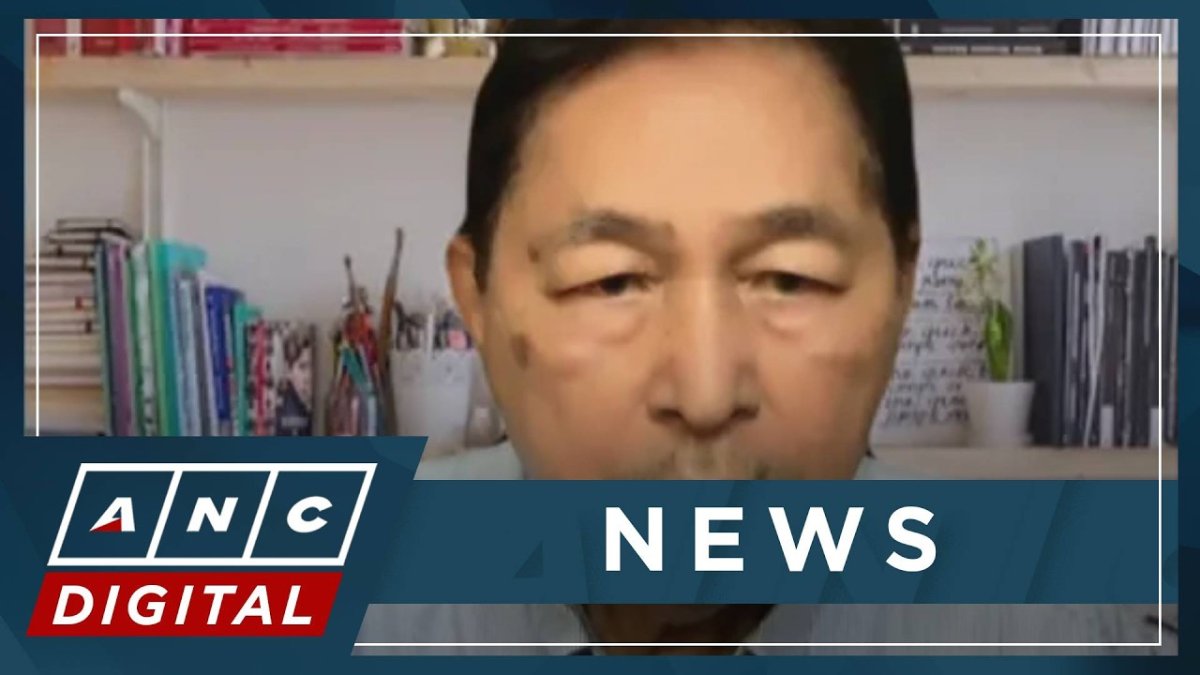
In the ANC 24/7 Headstart video aired recently, Karen Davila interviewed former Supreme Court Associate Justice Adolfo Azcuna about the impeachment trial of Vice President Sara Duterte that opened on July 6, 2026. Azcuna stated that Article IV on grave threats stands as the strongest of the four articles yet proving malice remains the hardest element for prosecutors to establis
In the ANC 24/7 Headstart video aired recently, Karen Davila interviewed former Supreme Court Associate Justice Adolfo Azcuna about the impeachment trial of Vice President Sara Duterte that opened on July 6, 2026. Azcuna stated that Article IV on grave threats stands as the strongest of the four articles yet proving malice remains the hardest element for prosecutors to establish before the Senate impeachment court. The discussion highlighted how the 92-day schedule with 62 days allocated to the prosecution and 30 days to the defense will test both sides in the historic proceeding.
Azcuna Stresses Proof Challenges in Sara Duterte Grave Threats Article During ANC 24/7 Headstart Interview
Manila, Philippines – Former Supreme Court Associate Justice Adolfo Azcuna told Karen Davila on the ANC 24/7 Headstart program that Article IV alleging grave threats against President Ferdinand Marcos Jr., First Lady Liza Marcos, and House Speaker Martin Romualdez carries the most weight among the four articles of impeachment. Azcuna noted that while the article appears strong on its face, the prosecution must still demonstrate clear malice on the part of Vice President Sara Duterte to secure conviction. The Senate impeachment court requires 16 of 24 senators to convict, a two-thirds threshold that Azcuna said will demand airtight evidence from the House prosecutors.
Azcuna's Detailed Analysis of the Impeachment Articles
During the ANC 24/7 Headstart interview with Karen Davila, Adolfo Azcuna explained that Article IV on grave threats, assassination plots, and inciting sedition presents the clearest path for conviction because it involves direct statements attributed to Vice President Sara Duterte. Azcuna emphasized that the prosecution must still overcome the high bar of proving malicious intent rather than mere political rhetoric. He pointed out that the other three articles on culpable violation of the Constitution, graft and corruption, and betrayal of public trust require more extensive documentation from government agencies in Manila and Davao City.
Azcuna further told Karen Davila that the 255 House votes recorded on May 11, 2026, to impeach Vice President Sara Duterte mark this as the first time a sitting vice president has faced impeachment and the first time any official has been impeached twice in Philippine history. The former justice stressed that the Senate must carefully weigh testimony from National Bureau of Investigation agents such as Lotoc and Calilung who appeared in Week 1. Azcuna warned that any gaps in establishing malice could allow the defense team based in Davao to create reasonable doubt among the 24 senators.
Azcuna added in the ANC 24/7 Headstart segment that the 92-day trial schedule gives the prosecution 62 days to present its case while the defense receives 30 days, a structure that favors thorough examination of evidence from agencies in Quezon City and Pasay City. He noted that Senator Francis Escudero, elected presiding officer by a 12-8 vote, will play a critical role in maintaining order during heated exchanges. Azcuna concluded that public perception in barangay communities across Metro Manila could shift depending on how clearly malice is proven in Article IV.
Background of the Trial and the Four Articles of Impeachment
The impeachment trial of Vice President Sara Duterte formally began on July 6, 2026, inside the Senate chamber in Manila with Senator Francis Escudero chosen as presiding officer after receiving 12 votes against eight for his opponent. The four articles charge culpable violation of the Constitution, graft and corruption, betrayal of public trust, and grave threats including an alleged assassination plot and inciting sedition against President Ferdinand Marcos Jr., First Lady Liza Marcos, and House Speaker Martin Romualdez. Article IV is being heard first because prosecutors believe it contains the most direct evidence from public statements made by the vice president.
House prosecutors secured 255 votes on May 11, 2026, to transmit the articles to the Senate, making this the second impeachment proceeding against Vice President Sara Duterte and the first ever against a Philippine vice president. The 24-member Senate sitting as an impeachment court must reach a two-thirds majority of 16 votes to convict, a threshold that would permanently disqualify the vice president from holding any future public office. Atty. Reginald Tongol serves as the official spokesperson for the impeachment court and has coordinated media access for proceedings held at the Senate building along Roxas Boulevard.
Defense lawyers operating from their base in Davao City have already signaled they will challenge the sufficiency of evidence on all four articles, particularly the requirement to prove malice under Article IV. The National Bureau of Investigation, with headquarters in Manila, supplied key witnesses including agents Lotoc and Calilung whose Week 1 testimony focused on alleged communications linked to the grave threats charge. Protests organized by various groups have gathered daily outside the Senate gates with Philippine National Police personnel maintaining security perimeters around the complex.
Week 1 Proceedings and Initial Testimonies
Week 1 of the trial featured testimony from National Bureau of Investigation agents Lotoc and Calilung who detailed investigative findings related to the grave threats outlined in Article IV against President Ferdinand Marcos Jr., First Lady Liza Marcos, and House Speaker Martin Romualdez. The agents presented documents and communications gathered from offices in Quezon City and Davao City that prosecutors say support claims of inciting sedition. Senator Francis Escudero, as presiding officer, ruled on several procedural objections raised by the Davao-based defense team during these sessions.
Atty. Reginald Tongol, the impeachment court spokesperson, confirmed that the first week established the foundation for the prosecution's 62-day presentation window within the overall 92-day schedule. Protesters outside the Senate building in Manila held placards referencing the 255 House votes from May 11, 2026, while Philippine National Police officers monitored the crowds to prevent any disruption. Observers from civil society organizations in Pasig City noted that the early focus on Article IV aligns with Azcuna's assessment that this charge carries the strongest potential for conviction if malice can be proven.
The defense cross-examination of agents Lotoc and Calilung centered on the chain of custody for evidence collected in Davao City and the absence of direct links to Vice President Sara Duterte's personal directives. Azcuna had already cautioned in the ANC 24/7 Headstart interview with Karen Davila that such cross-examination could expose weaknesses in proving malicious intent. Government workers in nearby agencies followed the proceedings via live broadcasts organized in break rooms across the civil service complex in Quezon City.
Week 2 Preview and Upcoming Subpoenas
Week 2 of the trial is scheduled to open with testimony from Zuleika Lopez, chief of staff to Vice President Sara Duterte, after the Senate issued a subpoena for her appearance before the impeachment court. Prosecutors plan to question Lopez about internal communications that may relate to the grave threats charge in Article IV. Atty. Reginald Tongol announced that additional witnesses from the National Bureau of Investigation will also return to clarify points raised during the cross-examination of agents Lotoc and Calilung in Week 1.
The 92-day schedule allocates the bulk of the next phase to the prosecution's presentation of evidence gathered from offices in Manila and Davao City. Senator Francis Escudero has indicated that the court will maintain strict time limits to ensure the defense receives its full 30 days later in the trial. Philippine National Police personnel continue to secure the Senate perimeter amid ongoing protests by groups supporting and opposing the vice president.
Defense lawyers based in Davao City are preparing motions to limit the scope of Lopez's testimony, arguing that some areas fall outside the four articles transmitted on May 11, 2026. Azcuna noted during the ANC 24/7 Headstart interview with Karen Davila that the subpoena for Lopez could prove pivotal if she provides direct insight into the vice president's statements on the alleged threats against President Ferdinand Marcos Jr., First Lady Liza Marcos, and House Speaker Martin Romualdez.
Political Stakes for the 2028 Presidential Race
Vice President Sara Duterte remains the frontrunner in early surveys for the 2028 presidential election, making the outcome of the impeachment trial a defining factor in the country's political landscape. A conviction by 16 of the 24 senators would permanently bar her from seeking any public office, reshaping the field of candidates from Davao City and other regions. Political analysts in Manila note that the trial's focus on Article IV could influence voter sentiment in key provinces ahead of the next national polls.
The 255 House votes recorded on May 11, 2026, already signaled deep divisions within the political establishment, divisions that have carried over into Senate proceedings presided over by Senator Francis Escudero. Supporters of the vice president have organized rallies in Davao City while opponents gather near the Senate in Manila, each side citing the four articles as evidence of either political persecution or accountability. The Supreme Court may ultimately hear appeals if the Senate reaches a conviction, adding another layer of legal complexity to the 2028 timeline.
Local party leaders in Cebu and Iloilo have begun discussing alternative candidates should Vice President Sara Duterte be disqualified, reflecting the national ripple effects of the trial that began on July 6, 2026. Atty. Reginald Tongol has reminded the public that the impeachment court operates independently of electoral calendars, yet the stakes for future candidacies remain high. Azcuna reiterated in the ANC 24/7 Headstart interview with Karen Davila that proving malice under Article IV will determine whether the vice president's political future ends here.
Impact on Filipino Families and Communities Nationwide
Overseas Filipino worker families in Manila and Cebu have expressed concern that prolonged political uncertainty from the impeachment trial could affect remittance flows and government support programs tied to the vice president's office. Barangay officials in Davao City report that residents are organizing Bayanihan community forums to discuss how a conviction might alter local development projects funded through national allocations. Government workers in Quezon City agencies have followed the Week 1 testimony of agents Lotoc and Calilung with particular attention to potential administrative changes.
Jeepney drivers along major routes in Metro Manila and sari-sari store owners in provincial towns have begun informal discussions about the trial's implications for daily economic stability, especially if the 92-day schedule extends into the holiday season. The presence of Philippine National Police personnel around the Senate has also affected traffic and small businesses operating near Roxas Boulevard. Azcuna's comments on the ANC 24/7 Headstart program with Karen Davila about the difficulty of proving malice have been shared widely in these community conversations.
Advocacy groups in Pasig City and Makati have launched information campaigns explaining the four articles and the 16-vote threshold needed for conviction, helping residents understand the historic nature of impeaching a vice president for the first time. The defense team's location in Davao City has prompted some southern communities to feel more directly connected to the proceedings. These local impacts underscore how the trial that opened on July 6, 2026, extends far beyond the Senate chamber.
What to Watch for in the Coming Weeks of the Trial
Observers will closely monitor the testimony of Zuleika Lopez in Week 2 to see whether her statements strengthen the prosecution's case on Article IV or provide openings for the Davao-based defense team. Senator Francis Escudero's rulings on evidence admissibility will also shape how quickly the prosecution can move through its 62-day allotment within the 92-day schedule. Atty. Reginald Tongol has scheduled regular briefings to update the public on procedural developments.
Potential appeals to the Supreme Court remain a key factor if the Senate convicts Vice President Sara Duterte by the required 16 votes, a possibility Azcuna highlighted during the ANC 24/7 Headstart interview with Karen Davila. Continued protests outside the Senate building in Manila and parallel gatherings in Davao City will test the Philippine National Police's ability to maintain order throughout the trial. The coming weeks will reveal whether the grave threats article can overcome the challenge of proving malice as Azcuna predicted.
By Bella Reyes, Staff WriterThis article was produced with AI-assisted research and editorial support. Reporting is based on sources cited in the article.
What's Your Reaction?
 Like
0
Like
0
 Dislike
0
Dislike
0
 Love
0
Love
0
 Funny
0
Funny
0
 Wow
0
Wow
0
 Sad
0
Sad
0
 Angry
0
Angry
0

Philippines/Southeast Asia Correspondent at Global1.News. Manila-based journalist covering Philippine politics, environment, maritime security, and social issues. Passionate about marine conservation and the communities protecting the Philippines' natural heritage.











Comments (0)