
Europes Extreme Heatwave Sparks Wildfires From Spain to the UK
At least 12 people are dead and 23 missing after a ferocious wildfire tore through Almería Province in southern Spain on 9 July 2026, with four of the victims believed to be British nationals found in a burnt-out vehicle. As Spain battles one of its deadliest wildfires in recent history, the United Kingdom is enduring its third heatwave of the summer, with temperatures exceedin
At least 12 people are dead and 23 missing after a ferocious wildfire tore through Almería Province in southern Spain on 9 July 2026, with four of the victims believed to be British nationals found in a burnt-out vehicle. As Spain battles one of its deadliest wildfires in recent history, the United Kingdom is enduring its third heatwave of the summer, with temperatures exceeding 30°C across England and Wales and the Met Office issuing urgent wildfire warnings from the Peak District to the South West.
Europe's Twin Crisis: Deadly Spanish Wildfires and Britain's Escalating Heatwave
London, UK – 12 July 2026 — The crisis unfolding across Europe this week links southern Spain directly to British communities, from holidaymakers caught in the flames to residents in Derbyshire living under the smoke of a moorland fire entering its third week. This is the story of a continent under heat — and the human cost that keeps rising.
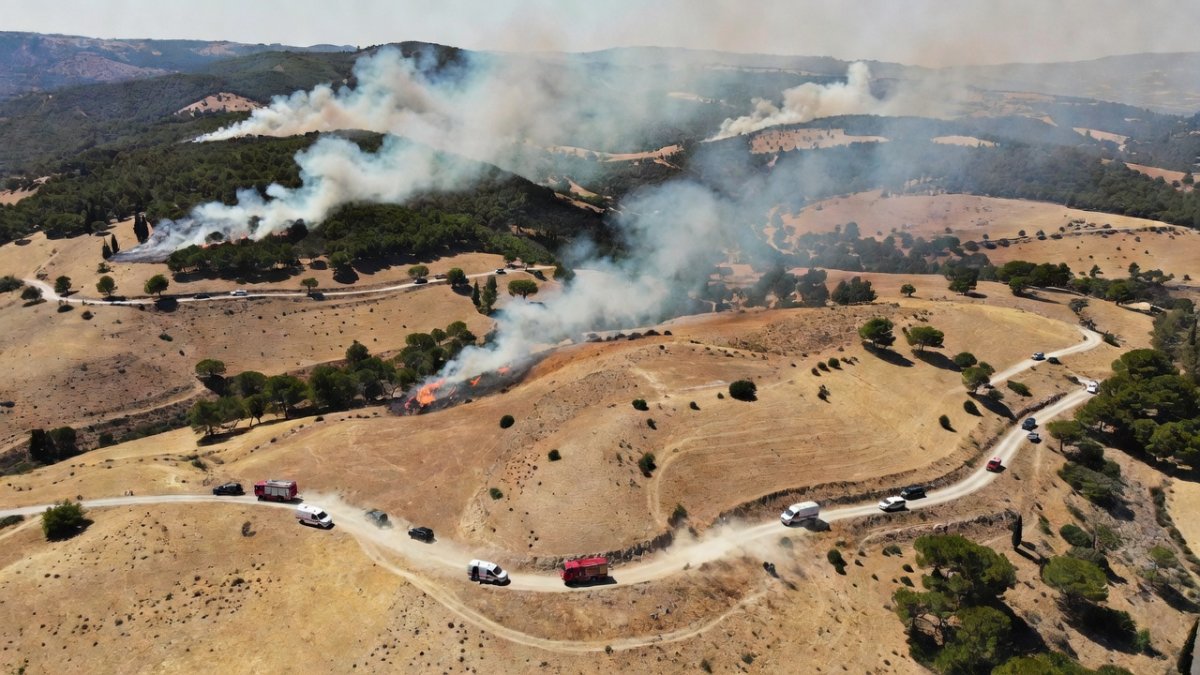
Almería Inferno: How the Los Gallardos Fire Unfolded
The blaze erupted near Los Gallardos in Almería Province, Andalusia, on 9 July 2026, during a period of extreme temperatures that had left the region's vegetation tinder-dry. Driven by intense heat and shifting winds, it rapidly consumed more than 3,200 hectares, overwhelming the hamlet of Bedar and surrounding settlements in the Sierra de Los Filabres mountains. Investigators have identified a fallen power line as the suspected ignition source.
The fire moved with terrifying speed, cutting off escape routes and trapping residents and tourists alike. Local authorities reported that the speed of the advancing flames left little time for organised evacuation, forcing many to flee on foot or by vehicle. Approximately 1,400 people were moved to safety overnight, while Spain's Military Emergencies Unit (UME) deployed alongside hundreds of firefighters and soldiers to establish containment lines and conduct aerial water drops.
Andalusia's regional president, Juanma Moreno, confirmed the death toll, describing the event as one of the deadliest wildfires in Spain's recent history. Despite the deployment of extensive resources, the intensity of the flames forced repeated tactical withdrawals, with officials emphasising that extreme heat continued to hamper containment efforts.
British Victims: Four Nationals Killed Trying to Flee
Among the 12 confirmed dead, four victims believed to be British were discovered inside a burnt-out vehicle while attempting to escape the advancing flames. Belgian nationals are also understood to be among the fatalities, underscoring the international nature of the tragedy in a region popular with British expatriates and holidaymakers. Eight people were injured, and 23 remain unaccounted for.
DNA samples from the unidentified remains have been transferred to Madrid for analysis, a process expected to take several days given the condition of the bodies. The Foreign, Commonwealth and Development Office has confirmed consular support is being provided to affected families, with staff from the British embassy in Madrid coordinating with Spanish authorities on identification and repatriation procedures.
UK Enters Third Heatwave With Temperatures Above 30°C
While southern Europe battled active infernos, the United Kingdom entered its third heatwave of summer 2026. The Met Office confirmed that temperatures exceeded 30°C across large parts of England and Wales on 11 July, with forecasts indicating the hot conditions would persist into the following week. England had already recorded its warmest June on record, leaving soils parched and vegetation exceptionally dry.
The UK Health Security Agency (UKHSA) issued yellow heat health alerts covering the East Midlands, West Midlands, East of England, London, South East and South West England. These alerts highlight heightened risks for vulnerable populations, particularly the elderly and those with respiratory conditions, as urban heat islands intensify overnight temperatures in cities including Birmingham, Manchester and London. Hospitals and care homes across the affected regions have implemented additional hydration protocols and heat-related illness monitoring.
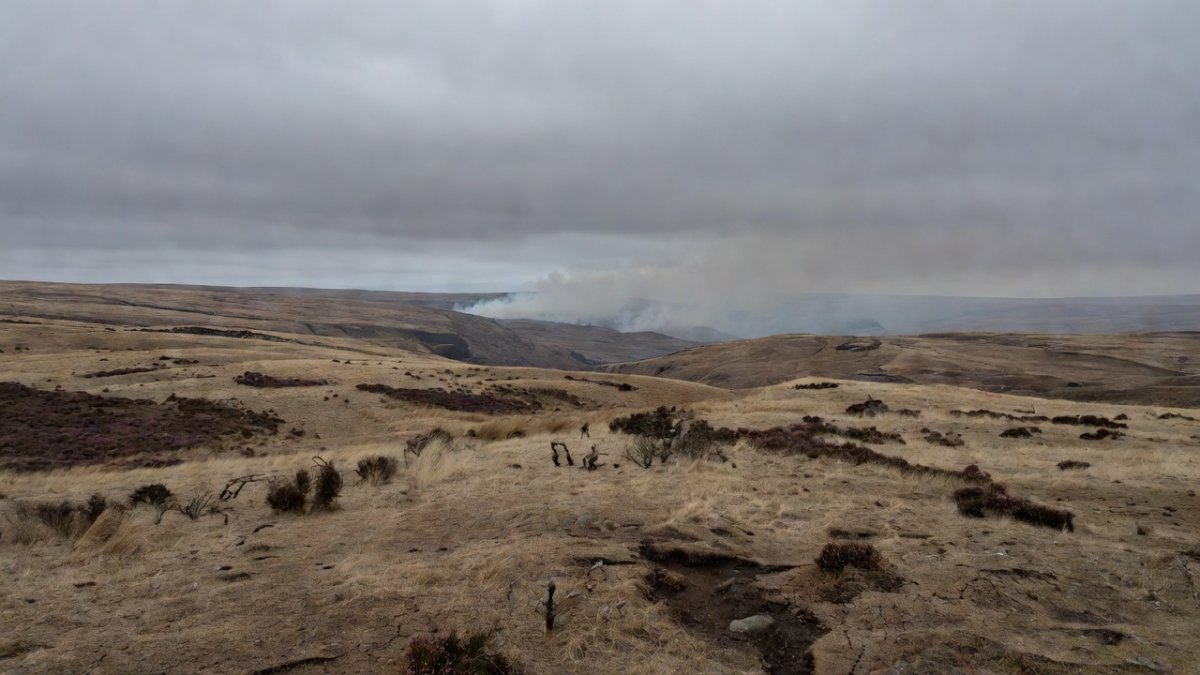
Derbyshire's Tintwistle Moor Fire Enters Third Week
In the Peak District, the Tintwistle Moor wildfire has now burned for three weeks since igniting on 24 June. The A628 Woodhead Pass, a vital route connecting Manchester and Sheffield, remains closed in both directions, disrupting daily commutes and freight transport across the northern Pennines. Derbyshire Fire and Rescue Service has established an exclusion zone around the site to permit safe helicopter water-dropping operations, with Greater Manchester Fire Service providing additional support.
Local residents in nearby villages report being unable to open windows due to smoke and ash, while farmers have expressed concern over livestock and hay stores threatened by the slow-moving blaze. The prolonged incident illustrates how even northern regions of England, traditionally less prone to wildfire, now face extended threats under sustained dry conditions. Fire chiefs have described the current danger level in the region as "extreme" and urged the public to avoid moorland and heathland areas entirely.
Met Office Warnings and National Preparedness
The Met Office has placed large parts of England and Wales under high wildfire risk warnings, citing the combination of record heat, low humidity and accumulated fuel moisture deficits from the warmest June on record. The warning level covers both rural moorland and urban fringe areas where dry grassland can ignite from a single discarded cigarette or barbecue ember.
Fire chiefs across the country have described the current danger level as extreme, warning that conditions mirror those that preceded the devastating Spanish blaze. Emergency planners in London, the South East and the East of England have activated contingency measures including additional water tenders and public information campaigns urging residents to avoid barbecues and bonfires in rural and greenbelt areas. The government faces renewed scrutiny over its preparedness for climate-driven extremes, with campaign groups calling for increased investment in wildfire response capability and landscape management to reduce fuel loads.
Regional Impacts Across England and Wales
Across the warned regions, the human impact is already being felt. Daily life has been disrupted for thousands: school sports days cancelled, outdoor workers advised to limit hours, and rail operators monitoring tracks for heat-related buckling. In the South West, coastal communities accustomed to cooler summers now contend with parched moorland and elevated fire risk on popular walking routes across Dartmoor and Exmoor. In the East of England, care homes have implemented additional hydration protocols for elderly residents, while hospitals report increased admissions for heat exhaustion and respiratory complications.
The cumulative effect has placed additional strain on already stretched public services during the peak summer holiday season. Rural communities in the Peak District, Cotswolds and South West feel the impact most acutely, with tourism-dependent businesses reporting cancellations and local authorities warning of pressure on water supplies in areas experiencing prolonged dry spells.
Climate Context: This Summer's Extreme Weather Pattern
Scientists have linked the intensity and simultaneity of the Almería wildfire and the UK's third heatwave to broader patterns of rising global temperatures. The combination of prolonged dry conditions and extreme heat has created tinderbox landscapes from the Sierra de Los Filabres mountains in Andalusia to the Peak District and South West moorlands. UK institutions including the Met Office, Environment Agency and UK Health Security Agency continue to track these developments, providing data that shapes emergency responses in real time.
The events of July 2026 illustrate how climate impacts no longer respect traditional geographic or seasonal boundaries. As one of the deadliest wildfires in Spain's modern history unfolds alongside the UK's third heatwave of the same summer, the demand for coordinated emergency response — from Westminster to regional fire services and from Whitehall to the Spanish government — has never been more urgent.
The Bottom Line: What Comes Next
With DNA identification ongoing in Madrid and the Tintwistle Moor fire still burning in Derbyshire, authorities on both sides of the Channel remain on high alert. The coming days will test whether containment efforts in Almería succeed and whether the UK can avoid further wildfire outbreaks as the heat persists into the week ahead. For families in Britain awaiting news of loved ones in Spain, and for communities living under the pall of smoke in northern England, the cost of this summer's extreme weather is already devastatingly clear.
By Erica Thornton, Staff Writer
This article was produced with AI-assisted research and editorial support. Reporting is based on sources cited in the article.
What's Your Reaction?
 Like
0
Like
0
 Dislike
0
Dislike
0
 Love
0
Love
0
 Funny
0
Funny
0
 Wow
0
Wow
0
 Sad
0
Sad
0
 Angry
0
Angry
0

US Politics and Policy Correspondent at Global1.News. Based in Washington DC, covering American politics, policy, elections, and the courts. Knows how the system works and tells you what it actually means.













Comments (0)