
Ex-OWWA Chief Arnell Ignacio Indicted Over P1.4B Land Deal
Background: The P1.4 Billion Property Deal The Office of the Ombudsman has ordered the filing of a usurpation of official functions charge against former Overseas Workers Welfare Administration administrator Arnaldo "Arnell" Ignacio over a P1.4-billion property deal that allegedly bypassed the agency's board, the Department of Migrant Workers said. This transaction involved the
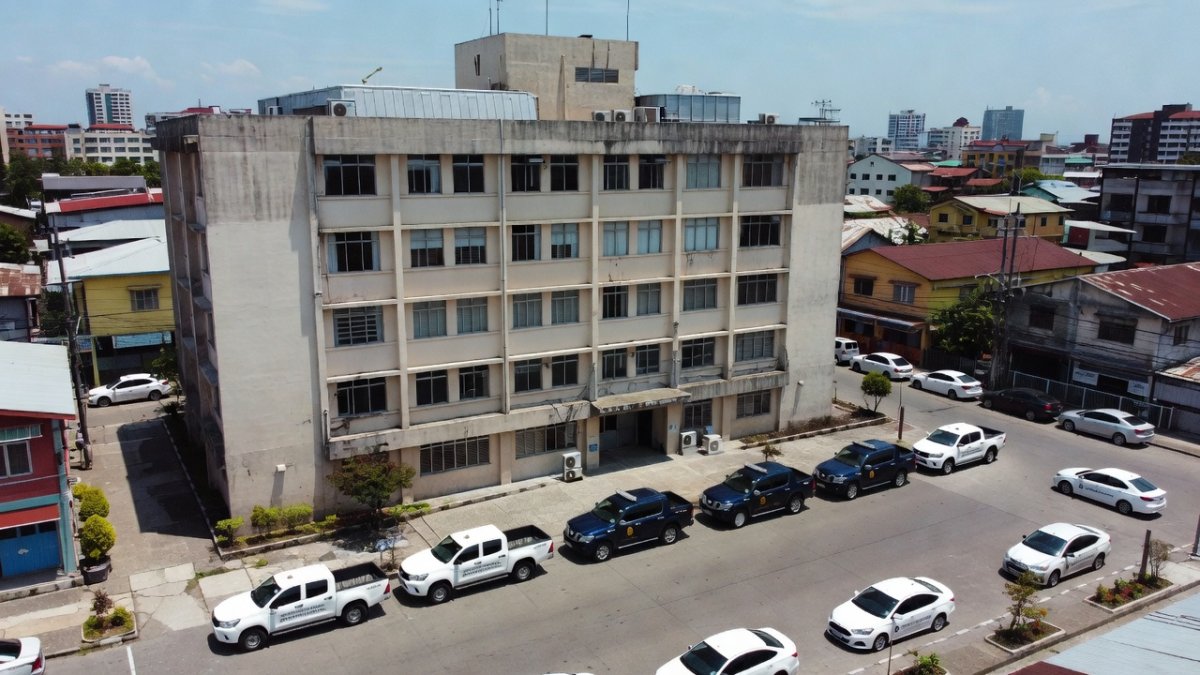
Background: The P1.4 Billion Property Deal
The Office of the Ombudsman has ordered the filing of a usurpation of official functions charge against former Overseas Workers Welfare Administration administrator Arnaldo "Arnell" Ignacio over a P1.4-billion property deal that allegedly bypassed the agency's board, the Department of Migrant Workers said. This transaction involved the acquisition of real estate intended to support overseas Filipino workers, yet it proceeded without the mandatory approval from the OWWA Board of Trustees. Migrant Workers Secretary Hans Leo Cacdac emphasized that the deal represented a significant misuse of funds collected from OFW contributions, which are meant to provide welfare services such as housing assistance, repatriation support, and livelihood programs back in their home barangays across the Philippines. The P1.4 billion sum, drawn from public resources, was meant to benefit the families of millions of OFWs who rely on bayanihan spirit to sustain communities, much like how sari-sari stores serve as lifelines in rural areas. Ignacio was removed as OWWA administrator in 2025 over loss of trust and confidence in connection with the P1.4-billion land deal, highlighting how such decisions ripple through Congress and Senate discussions on migrant worker protections. The entire episode underscores the vulnerability of welfare funds that OFW families depend on for education, healthcare, and daily survival in the provinces.
Ombudsman Findings: What the Investigation Revealed
The Department of Migrant Workers received on July 7 the Ombudsman's June 19 resolution on the OWWA property acquisition. "The finding of the Ombudsman is to charge the former administrator with usurpation of official functions under Article 177 of the Revised Penal Code," Cacdac said at a press briefing. According to the DMW, the Ombudsman found that Ignacio signed the contract to sell, deed of absolute sale and addendum, then approved the release of public funds without the required authority from the OWWA Board of Trustees. The resolution said Ignacio acted under the pretense of authority from the board, conduct that went beyond administrative noncompliance and constituted a criminal violation under Article 177 of the Revised Penal Code. While the Ombudsman directed the filing of a criminal information against Ignacio for usurpation of official functions, it dismissed complaints for plunder, malversation of public funds and violations of the Anti-Graft and Corrupt Practices Act against him, other former OWWA officials and private sellers. This selective outcome has prompted the DMW to coordinate with the DOJ for further review, ensuring that every layer of accountability is examined to protect the hard-earned remittances that sustain Filipino households from Luzon to Mindanao.
Paid in Full Before the Papers Were Signed
To show alleged undue advantage, Cacdac said the transaction was rushed without the required oversight, transparency and approval of the OWWA Board of Trustees. He said two Land Bank checks totaling about P1.4 billion were issued to the seller nearly two weeks before the deed of absolute sale was executed. Records also showed that the seller acknowledged receiving full payment a day before the deed was signed, he added. Such premature disbursement of funds meant that taxpayer money and OFW welfare contributions were handed over without proper safeguards, leaving families in far-flung barangays without the promised housing support that could have eased their burdens. The haste in processing these two Land Bank checks, bypassing standard protocols, raises questions about how public resources are managed when they are supposed to embody the collective bayanihan effort of the nation. This sequence of events, where payment preceded documentation, directly contributed to the Ombudsman's finding of criminal conduct under Article 177, as Ignacio proceeded as if board authority existed when it did not.
Condominium Units That No Longer Exist
Cacdac also questioned the inclusion of 51 condominium units valued at about P97 million in the total purchase price. Although the government holds titles for the units, a physical inspection found that the structures had already been demolished and no longer exist, he said. Cacdac said this contributed to an estimated P198 million in overpricing, meaning public funds were spent on non-existent real estate that was originally intended to help house overseas Filipino workers. "The government paid for condominium units that no longer exist. That is the damage. That is the prejudicial aspect of this anomalous transaction," Cacdac said. These 51 units, now reduced to rubble, symbolize lost opportunities for OFW families who could have benefited from stable housing upon return, instead facing continued struggles in makeshift homes near sari-sari stores or crowded urban centers. The P198 million overpricing represents not just financial loss but a betrayal of the trust placed in agencies like OWWA to safeguard resources for those who toil abroad to support the Philippine economy.
DMW Fights Back: Motion for Reconsideration
Cacdac said the DMW would file a motion for reconsideration, arguing that the Ombudsman resolution overlooked evidence submitted by the department. He said the DMW would ask the Ombudsman to revisit what the department believes was evidence of undue advantage to the seller and damage to the government. The Department is duty-bound to exhaust all available legal remedies to protect public funds, uphold accountability in the use of government resources, and safeguard the welfare funds of our overseas Filipino workers," he added. By pursuing this motion, the DMW aims to bring in additional documentation that could reinstate charges dismissed earlier, ensuring that the full weight of the P1.4 billion transaction is scrutinized. This step involves close coordination with the DOJ to strengthen the case, reflecting the government's commitment to transparency amid ongoing Senate and Congress inquiries into migrant welfare programs. The effort seeks to restore faith among OFWs whose contributions fund these initiatives, preventing similar bypasses of board authority in future deals.
What This Means for OFWs and Filipino Taxpayers
The implications of this case extend far beyond the courtroom, touching the daily lives of OFW families who send remittances home to sustain barangay economies and support local businesses like sari-sari stores. The P1.4 billion deal, marred by the unauthorized actions of Arnaldo "Arnell" Ignacio and the subsequent findings in the June 19 resolution received by the DMW on July 7, highlights systemic risks in managing welfare funds meant for housing and other services. With two Land Bank checks issued prematurely and 51 demolished condominium units contributing to P198 million in overpricing, Filipino taxpayers bear the burden of funds that vanished into non-existent assets. Hans Leo Cacdac's push for reconsideration through the DMW underscores the need for stronger oversight, potentially influencing future legislation in Congress and the Senate to protect these resources. Ultimately, this episode calls for renewed bayanihan among institutions to ensure that every peso serves the overseas workers and their loved ones, preventing further erosion of public trust in agencies tasked with their welfare.
By Bella Reyes, Staff WriterThis article was produced with AI-assisted research and editorial support. Reporting is based on sources cited in the article.
What's Your Reaction?
 Like
0
Like
0
 Dislike
0
Dislike
0
 Love
0
Love
0
 Funny
0
Funny
0
 Wow
0
Wow
0
 Sad
0
Sad
0
 Angry
0
Angry
0

Philippines/Southeast Asia Correspondent at Global1.News. Manila-based journalist covering Philippine politics, environment, maritime security, and social issues. Passionate about marine conservation and the communities protecting the Philippines' natural heritage.













Comments (0)