
Quinto Elemento Lab Exposes Cartel Slavery in Tarahumara
**Keywords:** quinto elemento lab, cartel slavery, sierra tarahumara, human rights mexico, indigenous exploitation, cartel abuses Modern Slavery in the Sierra Tarahumara - The Quinto Elemento Lab investigation The Quinto Elemento Lab investigation reveals a six-part report on modern slavery affecting campesinos and rural families across the Sierra Tarahumara in Chihuahua state.
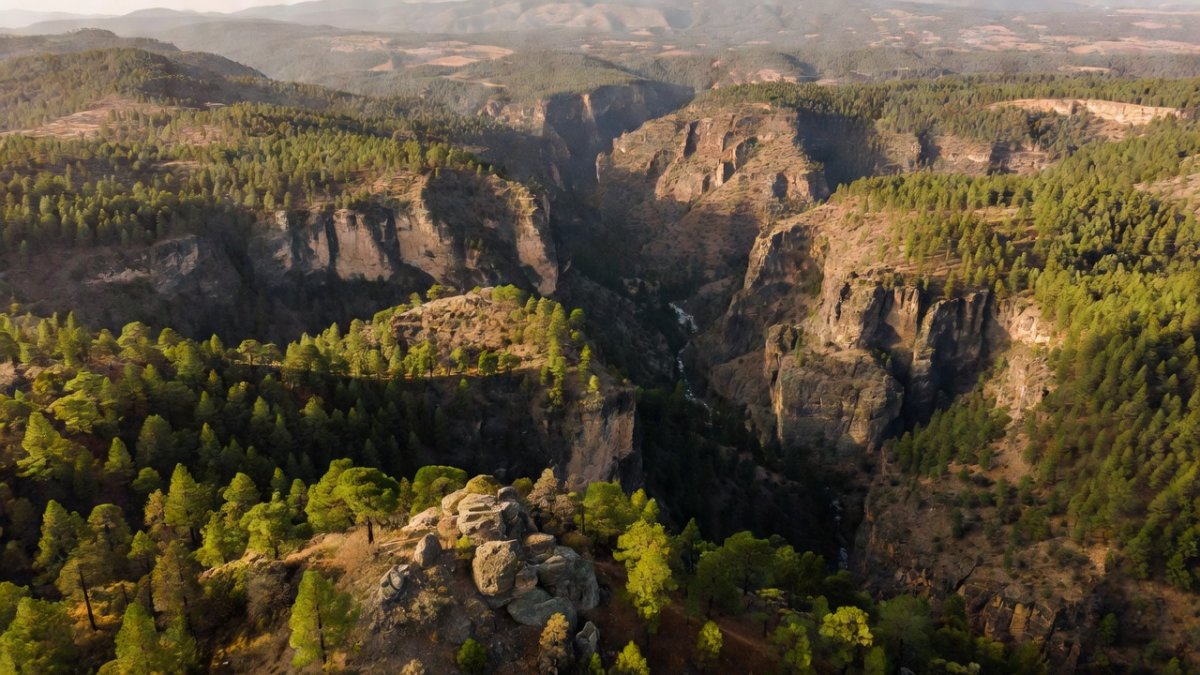
Modern Slavery in the Sierra Tarahumara - The Quinto Elemento Lab investigation
The Quinto Elemento Lab investigation reveals a six-part report on modern slavery affecting campesinos and rural families across the Sierra Tarahumara in Chihuahua state. Men were recruited with fake job offers that led them into forced labor on narco-controlled poppy and marijuana fields. Up to 300 men endured torture, starvation, and work without pay at eight locations including Guadalupe y Calvo, Guachochi, Batopilas, and Urique. This exploitation continued until 2024 and targeted vulnerable ejidos and colonias where families seek stable income.
Reporter Reyna Haydee Ramirez highlighted the findings during a mananera at the Palacio Nacional, noting how forced recruitment disrupted daily life for Raramuri communities. The report details how workers faced constant threats while cultivating crops in remote areas of the Golden Triangle. These practices left lasting scars on families who rely on agriculture for survival, pulling able-bodied men away from their homes and traditional ways of supporting their colonias.
Details from the investigation show the scale of control exerted over laborers, with no escape from the fields until the operations wound down. Campesinos who accepted the offers found themselves trapped in cycles of abuse that affected entire households in the Sierra Tarahumara. The report underscores the human cost borne by communities already navigating economic pressures in Chihuahua state.
Sheinbaum Responds at the Mananera - Her defense of federal programs
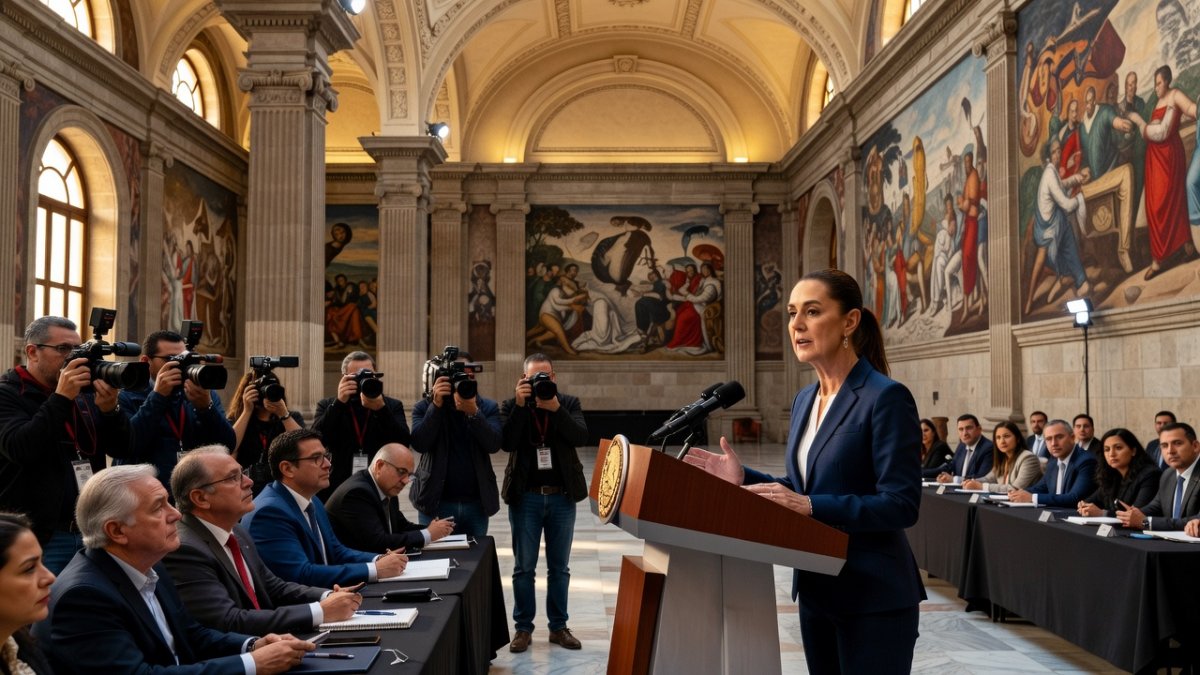
President Claudia Sheinbaum addressed the issue at the mananera after the reporter raised the Quinto Elemento Lab report on forced recruitment in the Sierra Tarahumara. She highlighted federal welfare programs such as Sowing Life and Youths Building the Future, along with artisanal roads, electrification projects, a nursing school in Guachochi, and Guardia Nacional presence. These initiatives aim to support Raramuri communities and campesinos by creating opportunities that reduce vulnerability to exploitation in Chihuahua state.
Sheinbaum emphasized that the federal government is attending to the Sierra Tarahumara through coordinated efforts from the Presidencia. She noted the need for the Chihuahua state government to focus additional resources on the region to complement national programs. When questioned about ongoing issues, she stated: We are making progress. We presented a 46% reduction in homicides. This response framed the federal approach as one that builds long-term stability for ejidos and colonias.
The defense centered on how programs like Sowing Life provide direct support to rural families, helping them maintain their lands rather than seek risky employment. Electrification and road improvements connect isolated areas to broader markets, while the nursing school in Guachochi trains local youth. Guardia Nacional operations add security layers that protect communities from external pressures in the Golden Triangle zone.
Raramuri Communities and Rural Families at Risk - Displacement and impact
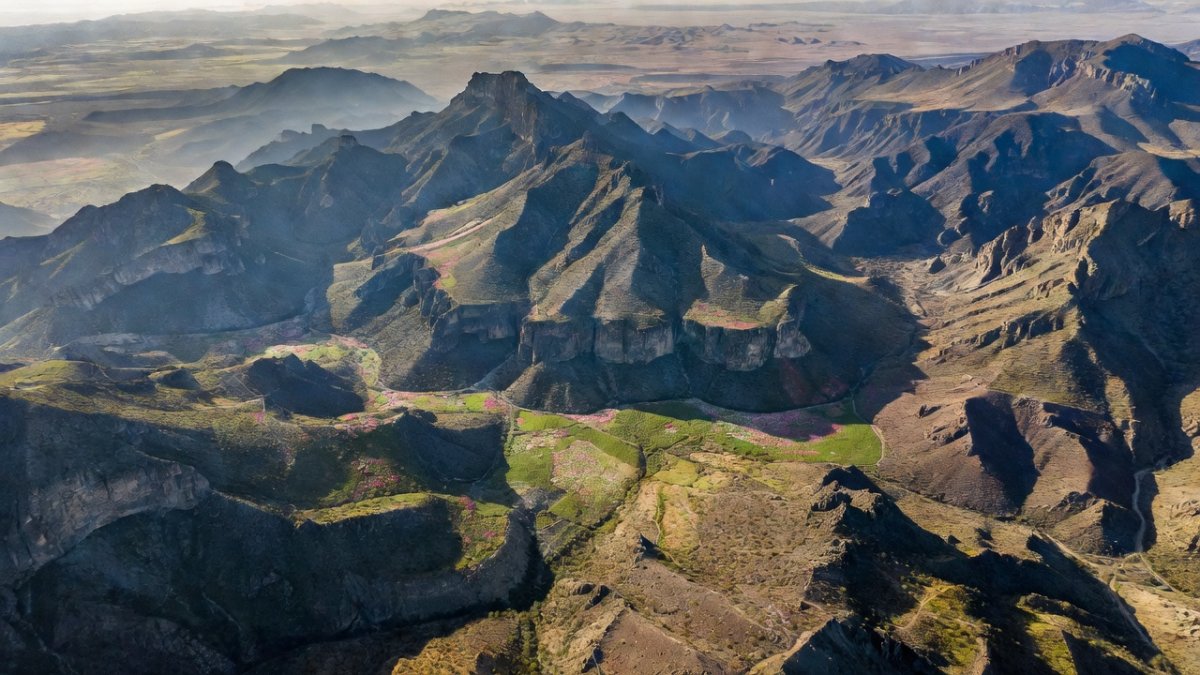
Raramuri communities and rural families in the Sierra Tarahumara face heightened risks from forced recruitment that pulls men into distant fields. This displacement separates workers from their ejidos and colonias, leaving women and elders to manage daily life without key providers. The impact ripples through traditional support networks that have sustained these groups for generations in Chihuahua state.
Campesinos who fall victim to fake job offers often cannot return home promptly, disrupting planting seasons and family economies. Up to 300 men affected across eight locations illustrate the widespread reach into vulnerable households. Such losses compound challenges already present in areas where access to steady work remains limited, forcing families to adapt in ways that strain community bonds.
The ongoing effects include emotional and economic burdens on those left behind in the Sierra Tarahumara. Raramuri families must navigate reduced labor for crops while worrying about loved ones held in narco-controlled zones. This situation calls for stronger state-level attention alongside federal efforts to restore stability and prevent further erosion of rural life in the region.
The Sinaloa Cartel and the Golden Triangle - How exploitation works
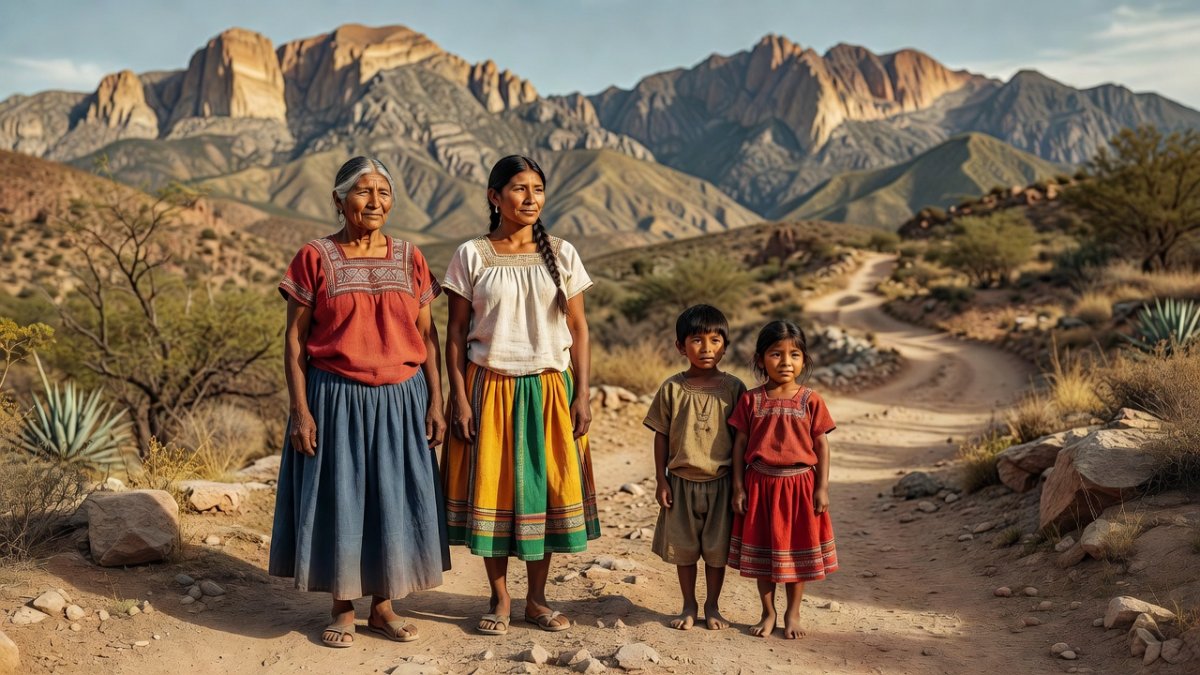
The Sinaloa Cartel maintains control over poppy and marijuana fields in the Golden Triangle, using forced labor at sites such as Guadalupe y Calvo, Guachochi, Batopilas, and Urique. Exploitation begins with deceptive recruitment that targets men from Raramuri communities and nearby ejidos in Chihuahua state. Once on site, workers face starvation, torture, and unpaid labor that sustains cartel operations until 2024.
This system thrives in remote parts of the Sierra Tarahumara where oversight is minimal, allowing the cartel to expand cultivation through captive labor. The eight locations identified in the report show a pattern of isolating victims far from their colonias, cutting ties to family support. Guardia Nacional presence seeks to counter these dynamics, yet the structure persists through fear and isolation.
Sheinbaum pointed to federal programs as tools to offer alternatives that weaken the cartel's hold on rural economies. By investing in roads, schools, and welfare initiatives, the approach aims to give campesinos viable paths that bypass the risks of the Golden Triangle. Continued focus from both federal and state levels remains essential to protect communities from repeated cycles of recruitment and displacement.
Federal Presence vs. State Abandonment
In the mananera at the Palacio Nacional, President Claudia Sheinbaum made clear that the federal government stands with the Raramuri communities and campesinos of the Sierra Tarahumara. She pointed to ongoing support through programs like Sowing Life and Youths Building the Future, along with artisanal roads, electrification projects, a new nursing school in Guachochi, and the steady presence of the Guardia Nacional. These efforts reach deep into ejidos and colonias where families have long faced hardship from the Sinaloa Cartel operations in the Golden Triangle.
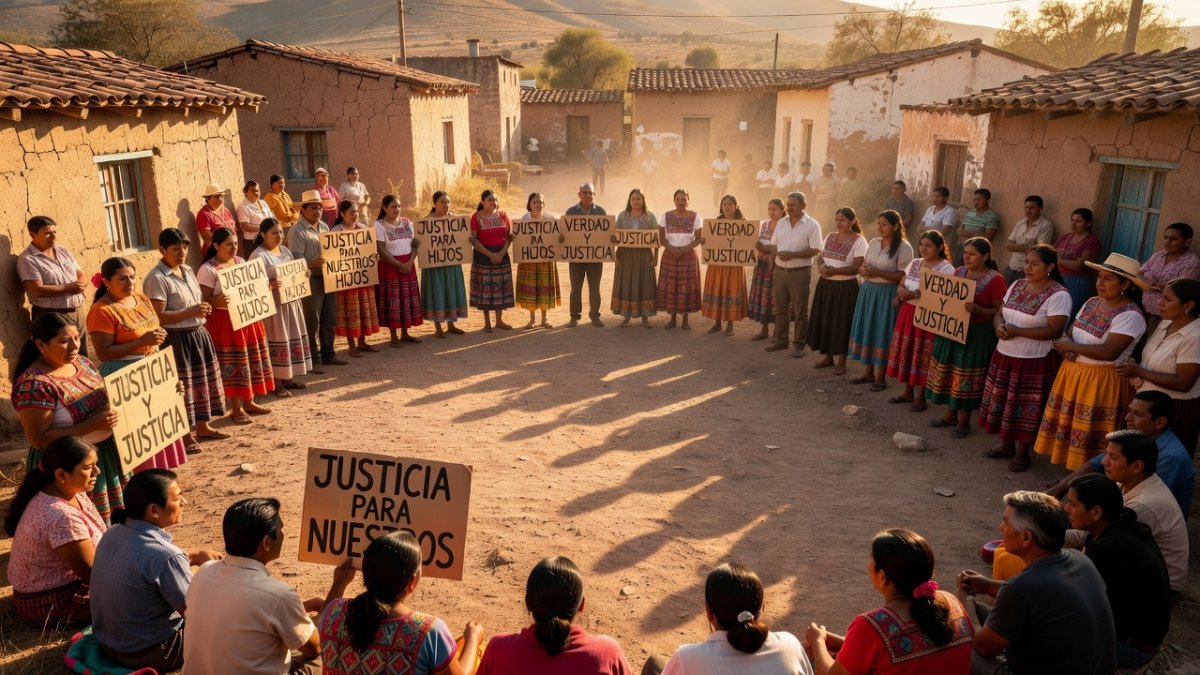
Yet Sheinbaum also placed direct responsibility on the Chihuahua state government to focus attention on the Sierra. When questions arose about why slavery persisted in the region, she responded with measured progress, noting a 46 percent reduction in homicides as evidence of forward movement. This balance shows the federal commitment while urging state leaders to step up for the same communities that have endured forced labor in narco-controlled fields until 2024.
The contrast highlights how federal programs bring resources to remote areas, yet local coordination remains essential. Campesinos in places like Guadalupe y Calvo and Batopilas continue to look toward both levels of government for lasting change that protects their way of life.
Human Rights and Justice for Mexican Families
The Quinto Elemento Lab report shared at the mananera revealed the deep pain felt by families across the Sierra Tarahumara. Up to 300 men from Raramuri communities and nearby colonias were drawn in by false promises, only to face torture, starvation, and unpaid work in poppy and marijuana fields run by the Sinaloa Cartel. This modern slavery touched eight locations, including Guachochi, Urique, and others in the Golden Triangle, leaving lasting wounds on entire ejidos.
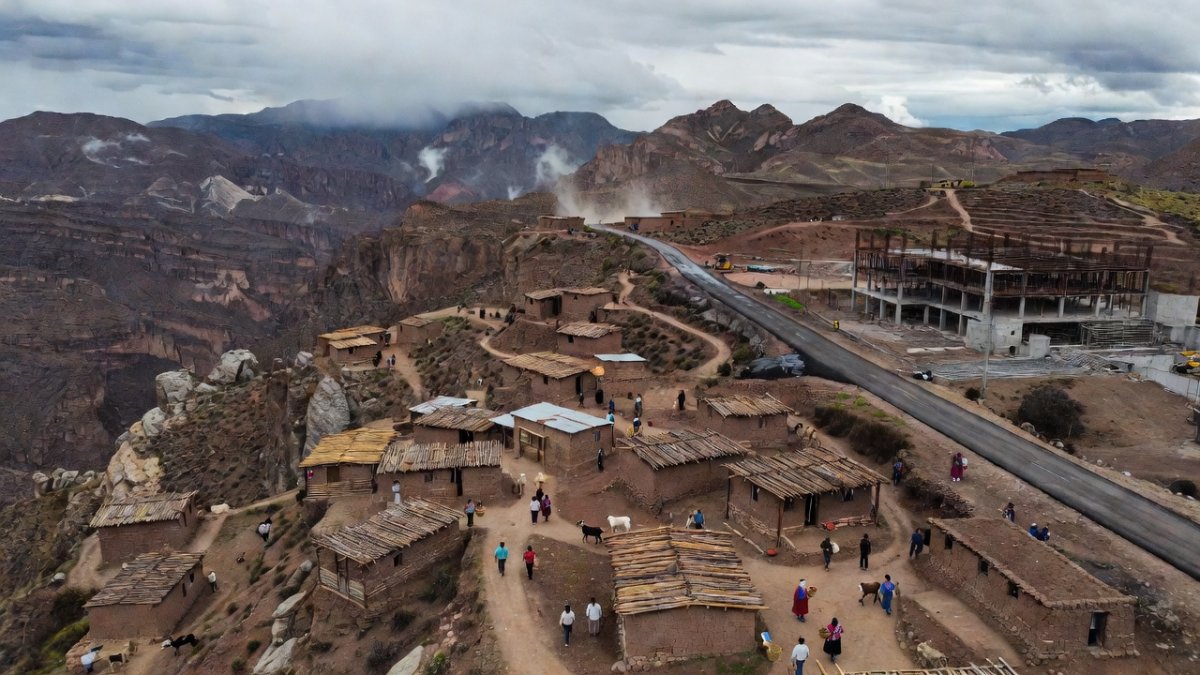
Impunity remains a heavy burden for these families. The federal response through the Guardia Nacional and welfare initiatives offers a path forward, but true healing requires accountability that reaches every level. President Sheinbaum’s emphasis on progress reminds communities that justice must accompany the 46 percent drop in homicides to restore dignity for those who suffered.
Mexican families in the Sierra deserve systems that prevent such exploitation from returning. Connecting federal support with stronger state action can help ensure no more campesinos endure the horrors described in the six-part investigation.
What to Watch For
Looking ahead, the future of the Sierra Tarahumara depends on sustained attention from both the Presidencia and Chihuahua state authorities. The mananera exchange signals continued federal involvement through existing programs and Guardia Nacional efforts, yet follow-up on the Quinto Elemento Lab findings will be key for the eight affected sites.
Communities in ejidos and colonias will watch for how the 46 percent homicide reduction translates into everyday safety. Further investigations into forced recruitment by the Sinaloa Cartel in the Golden Triangle could bring more clarity and protection for local families. President Sheinbaum’s call for state focus suggests upcoming coordination that might strengthen these outcomes.
Residents hope these steps lead to lasting improvements that honor the resilience of Raramuri people and prevent any return to the conditions that lasted until 2024.
Tags: Sierra Tarahumara, modern slavery, Sinaloa Cartel, Chihuahua state, federal programs, Raramuri communities, human rights, mananera
By Rosa Martinez, Staff Writer
This article was produced with AI-assisted research and editorial support. Reporting is based on sources cited in the article.
What's Your Reaction?
 Like
0
Like
0
 Dislike
0
Dislike
0
 Love
0
Love
0
 Funny
0
Funny
0
 Wow
0
Wow
0
 Sad
0
Sad
0
 Angry
0
Angry
0

Latin America/Andes Correspondent at Global1.News. Based in Bogota, covering politics, environment, energy, and social movements across the Andean region. Passionate about environmental journalism and communities protecting their land.













Comments (0)