
Questions over safety as 16 pupils die in another Kenya school fire

Questions Over Safety as 16 Pupils Die in Another Kenya School Fire
By Amara Diop, Global1 News
The night began like any other at the boarding school in Kenya’s Rift Valley, with students settling into their dormitories after evening prep. By dawn, 16 young lives had been lost to a blaze whose cause remains under investigation, leaving families across the region in anguished limbo. Twelve hours after the first flames were reported, several parents still stood outside the charred remains, clutching worn photographs and waiting for any word on their children. This latest tragedy has reignited urgent conversations about school safety that echo far beyond Kenya’s borders, touching communities from Dakar to Nairobi who place their hopes in education as the surest path forward for the next generation.
The Night the Fire Tore Through the Dormitory
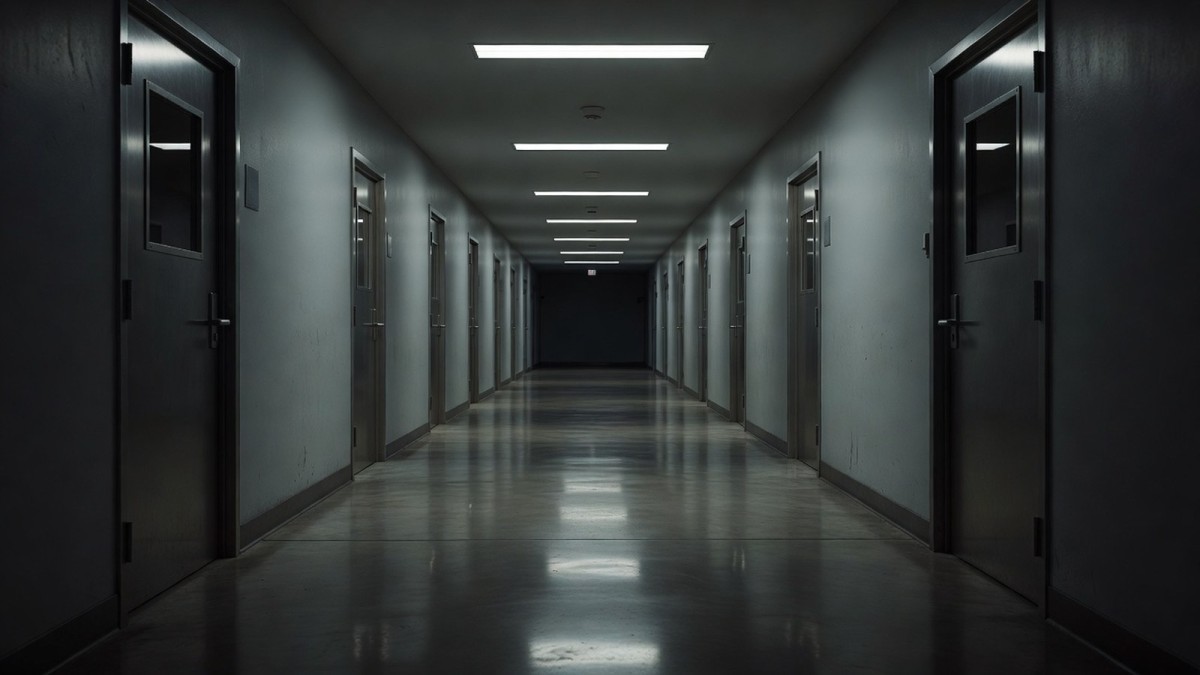
According to preliminary reports from local authorities, the fire erupted shortly after midnight in a girls’ dormitory housing more than 120 students. Witnesses described thick smoke filling the single-story structure within minutes, with narrow exits quickly becoming impassable. Rescue efforts were hampered by the absence of functional fire extinguishers and the lack of an on-site alarm system. Of the 16 confirmed fatalities, most were between 13 and 16 years old; several others sustained serious injuries and remain in hospital. The delay in official confirmation left parents in a painful holding pattern, some driving through the night from distant villages only to be met with cordoned-off grounds and incomplete lists of the missing.
Recurring Tragedies Reveal Systemic Weaknesses
Kenya has recorded at least 25 major school fires since 2015, resulting in dozens of student deaths and hundreds of injuries. Data compiled by the Ministry of Education shows that electrical faults and arson account for the majority of incidents, yet enforcement of basic safety codes remains inconsistent. Many boarding schools, built rapidly during the push for universal secondary education, operate with overcrowded dormitories, outdated wiring, and minimal fire-safety training for staff. In 2017, a similar blaze at a secondary school claimed nine lives and prompted promises of nationwide audits; five years later, inspectors still report that fewer than 40 percent of public boarding institutions meet current fire-safety standards. These figures matter because they point to patterns that communities across Africa recognize: infrastructure lagging behind enrollment growth.
Parents Left in the Dark for Hours
One mother, whose daughter was among those unaccounted for until late morning, described the agony of waiting. “We arrived at sunrise and no one could tell us anything,” she said, her voice steady despite visible exhaustion. “We just stood there, holding each other, praying the names on the list would not include our own children.” Another parent spoke of the financial sacrifices made to send his child to the school, noting that the modest fees represented months of market trading. Such stories underscore the deep cultural value placed on education throughout East Africa, where families often view schooling as collective investment rather than individual opportunity.
Expert Voices on Prevention and Accountability
Dr. Amina Yusuf, a Nairobi-based education researcher who has studied school infrastructure for a decade, argues that repeated incidents reflect deeper governance challenges. “We have regulations on paper, but implementation is where the system fractures,” she explained. “Head teachers are under pressure to accommodate more students without corresponding budgets for maintenance or safety upgrades.” Fire-safety consultant James Odhiambo adds that simple, low-cost measures—such as regular drills, smoke detectors, and clearly marked exits—could dramatically reduce casualties, yet many schools treat these as optional. Both experts emphasize that accountability must extend beyond individual school administrators to county and national education offices that approve facility expansions.
Pan-African Context: Shared Challenges and Lessons
While this fire occurred in Kenya, the underlying issues resonate across the continent. In Senegal, recent investments in school construction have included mandatory fire-safety certifications, yet rural areas still struggle with enforcement. South Africa and Nigeria have also reported dormitory fires in the past three years, often linked to aging infrastructure and rapid student intake. The African Union’s Continental Education Strategy calls for safe learning environments as a prerequisite for quality education, yet member states frequently cite funding shortfalls. These shared realities remind us that protecting children in schools is not merely a national duty but a continental imperative rooted in the belief that every child deserves to learn without fear.
The Human and Social Cost
Beyond the immediate loss of life, such tragedies ripple through entire communities. Classmates who survived now face trauma that can interrupt learning for months; siblings left behind may lose the financial support an educated older sister or brother would have provided. In many Kenyan households, the death of a student represents not only grief but the abrupt end of a carefully planned trajectory out of poverty. Community elders in the affected area have already begun organizing traditional mourning gatherings, blending Christian hymns with local customs to honor the young lives cut short. These rituals serve as collective acknowledgment that education is woven into the social fabric, and its disruption wounds the whole village.
Policy Implications and the Road Ahead
Government officials have pledged a full investigation and renewed safety audits, yet similar commitments after past fires produced limited structural change. Advocates are calling for an independent oversight body with the power to close non-compliant schools and for ring-fenced budgets dedicated solely to safety retrofits. International partners, including UNICEF, have offered technical support, but sustainable progress will require domestic political will. For families across Africa who entrust their children to boarding schools, the message is clear: enrollment numbers cannot outpace the duty to protect those already inside the gates.
The questions raised by this fire extend beyond wiring diagrams and evacuation plans. They touch on how societies value their young people and whether the promise of education is matched by the reality of safe spaces in which to pursue it. As communities from Dakar to the Rift Valley continue to place their children on the path of learning, the responsibility to keep that path secure rests with all of us.
This is Amara Diop for Global1 News, reporting from Dakar. 🇸🇳
This article was produced with AI-assisted research and editorial support. Reporting is based on sources cited in the article.
What's Your Reaction?
 Like
0
Like
0
 Dislike
0
Dislike
0
 Love
0
Love
0
 Funny
0
Funny
0
 Wow
0
Wow
0
 Sad
0
Sad
0
 Angry
0
Angry
0

West Africa/Sahel Correspondent at Global1.News. Dakar-based journalist covering politics, security, climate, and development across Francophone and Anglophone West Africa. Tells the stories of a region undergoing profound transformation.













Comments (0)