
Quebec Tables Bill 8 to Extend French Language Rules to Adult Education
Quebec Introduces Expanded Language Requirements for Adult Learners Quebec's government has tabled legislation that would extend key elements of the Charter of the French Language to adult education and vocational training programs across the province. The bill, known as Bill 8, was presented by French Language Minister Jean-Francois Roberge and targets students without eligibi
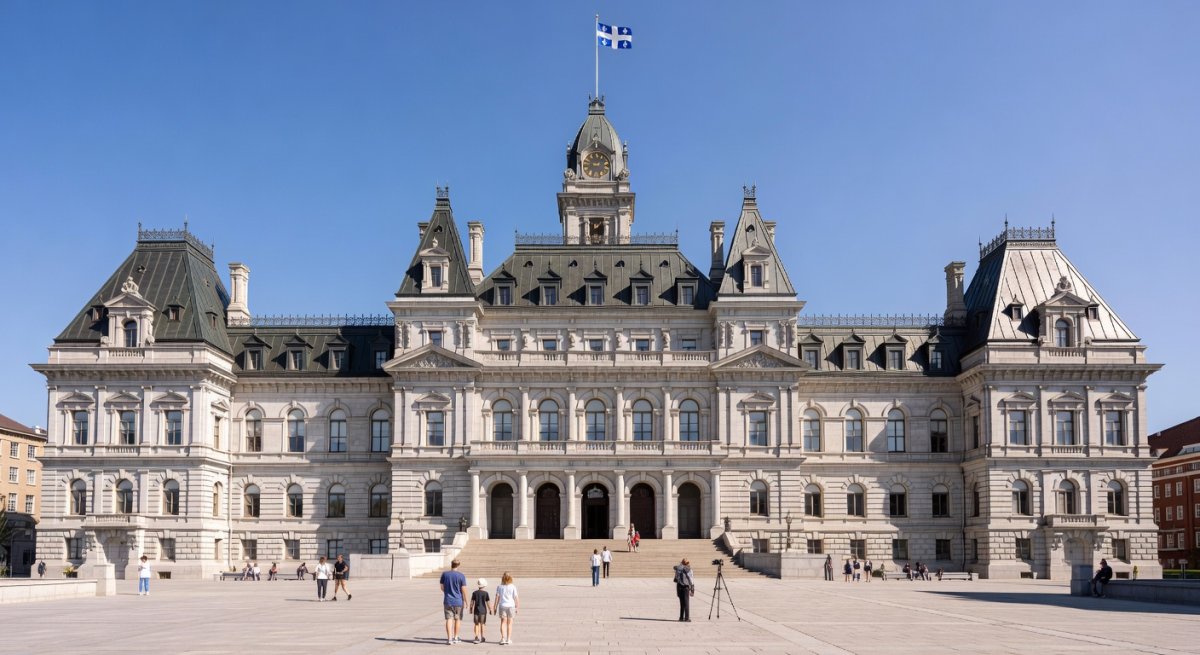
Quebec Introduces Expanded Language Requirements for Adult Learners
Quebec's government has tabled legislation that would extend key elements of the Charter of the French Language to adult education and vocational training programs across the province. The bill, known as Bill 8, was presented by French Language Minister Jean-Francois Roberge and targets students without eligibility certificates for English-language schooling.
The measure builds directly on existing rules that already limit access to English CEGEPs for many newcomers. Under the proposal, those same students would generally be directed toward French-language adult education options instead. Current students would remain unaffected because the changes would not take effect for two years.
Stated Goals of Strengthening French in Quebec
Jean-Francois Roberge framed the legislation as part of a broader plan to reverse the decline of the French language. He emphasised that the objective is to reinforce French usage without intending harm to English-language school boards. Government statements position the bill as a tool to encourage immigrants to integrate through French-language studies.
Education Minister Sonia Lebel reinforced this view, noting that newcomers to Quebec are expected to live, work and prosper in French. The approach aligns with long-standing provincial efforts to maintain French as the primary language of public life while recognising the role of education in language transmission.
Concerns Raised by English School Boards and Students
English-language institutions have expressed immediate unease about the potential effects on enrolment and student retention. Joe Ortona, president of the Quebec English School Boards Association, warned that many students might simply drop out rather than switch to French-language programs. He noted that the province already faces shortages in skilled trades and that losing these learners would worsen workforce gaps.
At an adult education centre in Montreal's Saint-Leonard district, some students described feeling singled out. Norman Kawodo, who arrived from Uganda six years ago, highlighted the contrast with her home country where multiple languages coexist without compulsion. She expressed surprise at the idea of mandatory language pathways for adult learners.
Scale of Potential Re-direction and Capacity Questions
Government figures indicate that roughly three-quarters of students currently in English-language adult education could become ineligible under the new rules. This shift could redirect an estimated 27,000 learners toward French-language programs, raising practical questions about absorption capacity within the existing French system.
Joe Ortona stated that English school boards had received no meaningful consultation during the development of the bill. He suggested that the minister had not fully considered the operational realities facing English boards when drafting the changes.
Opposition Calls for Hearings and Timing Scrutiny
The Quebec Liberals have requested formal parliamentary hearings on Bill 8. Liberal MNA Andre Fortin questioned the timing, observing that the proposal arrives late in the parliamentary session. He suggested the move appears designed more for political positioning ahead of an eventual campaign than for immediate legislative progress.
Critics argue that limited debate time reduces opportunities for stakeholders to provide input on implementation details, particularly around supports for students transitioning between language systems.
Broader Canadian Context and Federal-Provincial Language Dynamics
Language policy in Quebec has long intersected with federal commitments to official bilingualism and provincial jurisdiction over education. Bill 8 continues a pattern of provincial measures that seek to protect French while operating within Canada's constitutional framework that assigns education responsibilities to the provinces.
The changes also touch on immigration and workforce development, areas where federal and provincial governments share interests. With Canada relying on immigration to address labour shortages, the bill's impact on newcomer access to training programs carries implications for economic integration in Quebec and beyond.
Policy observers note that the two-year implementation window provides time for both systems to prepare, yet the absence of prior consultation has already created friction between the government and English boards. The National Assembly debate will likely focus on balancing language preservation goals with practical access to vocational education.
Tags: Quebec politics, Bill 8, French language, adult education, immigration, English school boards, National Assembly
By Alex Thompson, Staff Writer
This article was produced with AI-assisted research and editorial support. Reporting is based on sources cited in the article.
What's Your Reaction?
 Like
0
Like
0
 Dislike
0
Dislike
0
 Love
0
Love
0
 Funny
0
Funny
0
 Wow
0
Wow
0
 Sad
0
Sad
0
 Angry
0
Angry
0

Canada Correspondent at Global1.News. Based in Toronto, covering Canadian politics, energy, trade, and US-Canada relations. Provides the Canadian perspective on North American and global affairs.















Comments (0)