
Thailand Halves Visa-Free Stay to 30 Days for Tourists
Cabinet Overhauls Thailand's Tourist Visa System The Thai Cabinet convened on Tuesday, July 14, 2026, in Bangkok and approved the halving of the tourist visa-free period for most nationalities. Deputy government spokeswoman Ploythalay Laksameesaengchan delivered the official announcement from Government House on the same day. The 60-day visa-free entry previously available to citizens of 93 countries has been revoked effective after publication in the Royal Gazette. Cabinet members cited repeate
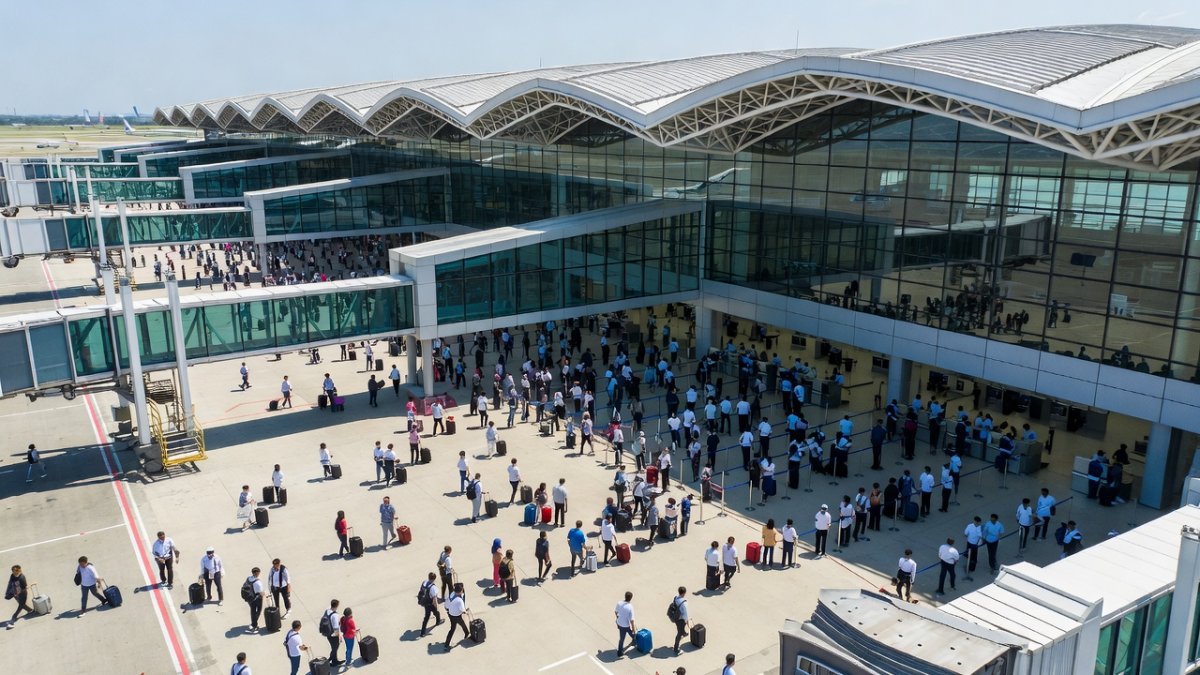
Cabinet Overhauls Thailand's Tourist Visa System
The Thai Cabinet convened on Tuesday, July 14, 2026, in Bangkok and approved the halving of the tourist visa-free period for most nationalities.
Deputy government spokeswoman Ploythalay Laksameesaengchan delivered the official announcement from Government House on the same day.
The 60-day visa-free entry previously available to citizens of 93 countries has been revoked effective after publication in the Royal Gazette.
Cabinet members cited repeated abuse of the 60-day scheme, violations of Thai immigration laws, and risks to national security as the primary reasons for the change.
Foreign nationals already inside Thailand before the new rules take effect retain their original 60-day permission until it expires.
The decision reverses the July 2024 policy that had been introduced to accelerate post-pandemic tourism recovery across the kingdom.
Tourism accounts for approximately 12 percent of Thailand's GDP, making the adjustment a direct intervention in the national economy.
59 Countries Face Shorter Stays as 60-Day Era Ends
Fifty-nine countries will now receive a standard 30-day visa-free entry instead of the previous 60 days.
The shortened period applies uniformly to these 59 nations beginning 15 days after the Royal Gazette publishes the revised regulations.
Travelers who arrived in Bangkok, Phuket, or Chiang Mai under the old rules before the cutoff date keep their full original stay allowance.
Airlines operating routes to Suvarnabhumi and Don Mueang airports must update boarding procedures within the 15-day window.
Travel agencies in Pattaya and Hat Yai have already begun revising package itineraries to align with the new 30-day limit.
The Department of Local Administration in each province will coordinate with immigration offices to enforce the shorter stays at land borders.
Border officials at the Thai-Lao Friendship Bridge in Nong Khai received updated training materials on July 14, 2026, to handle the transition.
Visitors planning extended stays in Ayutthaya or Krabi must now apply for visa extensions or alternative entry categories in advance.
India Gains Visa-Free Access in Bid to Restore Tourist Numbers
India joins the group of countries receiving 30-day visa-free entry, replacing the previous visa-on-arrival requirement.
Tourism and Sports Minister Surasak Phancharoenworakul confirmed that Indian tourist arrivals dropped nearly 20 percent after visa-on-arrival rules were imposed earlier in 2026.
Indian visitors currently stay an average of 7.2 days per trip, limiting spending in markets such as Khao San Road and Phuket's Patong Beach.
Minister Surasak stated that the 30-day visa-free privilege aims to reverse the decline and position Thailand as a preferred destination for Indian travelers.
India represents one of the fastest-growing source markets for Thai tourism, with direct flights increasing between Delhi and Bangkok throughout 2025.
The Tourism Authority of Thailand will launch targeted promotions in Mumbai and Chennai to highlight the new 30-day access.
Hotel operators in Chiang Mai's old city expect longer average stays from Indian families once the visa-free rule begins.
Street vendors near the Grand Palace in Bangkok anticipate increased sales of souvenirs during the upcoming high season.
Six Nations Receive Expanded Privileges
Bulgaria, Croatia, Cyprus, Malta, and the Maldives join India in receiving the new 30-day visa-free entry.
These five countries previously operated under visa-on-arrival or other restricted categories before the July 14, 2026, Cabinet decision.
All 27 European Union member countries now enjoy equal visa privileges, ending previous disparities among EU nationals.
Seychelles and Mauritius receive a 15-day visa-free period under the revised framework.
Azerbaijan, Belarus, and Serbia gain expanded visa-on-arrival access at major entry points including Phuket International Airport.
The equal treatment for all 27 EU countries simplifies processing at immigration counters in Suvarnabhumi Airport's Terminal 1.
Diplomatic missions in Bangkok, including those of Malta and Cyprus, welcomed the move as a step toward smoother people-to-people exchanges.
Tour operators in Samui and Krabi have begun marketing 30-day packages to travelers from these six nations.
Strengthened Border Security Through Digital Tracking
Security agencies will expand the Thailand Digital Arrival Card system to improve background screening of all incoming visitors.
The TDAC platform will increase data sharing among the Royal Thai Police, immigration bureaus, and the Ministry of Foreign Affairs.
Cabinet identified national security concerns as a key factor behind the decision to shorten the visa-free window.
Enhanced screening protocols will apply at land crossings in Mae Sai and at ferry terminals in Trat province.
The system upgrade addresses gaps that allowed repeated short-term entries under the former 60-day scheme.
Officials at the Department of Local Administration in border provinces received new TDAC integration guidelines on July 14, 2026.
Airlines must collect additional passenger data during check-in to feed into the strengthened digital platform.
Thai authorities expect the improved tracking to reduce overstays while maintaining smooth entry for genuine tourists.
Impact on Thailand's Tourism Communities
Small hotels along Khao San Road in Bangkok face shorter guest cycles once the 30-day limit replaces the previous 60-day allowance.
Tour guides in Chiang Mai's temple districts anticipate adjustments to multi-week itineraries that previously relied on extended visa-free stays.
Street vendors in Pattaya's Walking Street report concerns that fewer long-stay visitors will reduce daily sales of food and handicrafts.
Phuket's beach communities, including those near Kata and Karon, depend heavily on repeat European and Indian guests who may now shorten their visits.
The balance between national security priorities and economic recovery remains central for operators in the Isaan region near Udon Thani airport.
Local tourism associations in Ayutthaya plan meetings with the Tourism Authority of Thailand to discuss mitigation strategies.
Buddhist temple administrators in Nakhon Pathom expect fewer extended cultural tours from visitors adjusting to the new 30-day cap.
Small guesthouses in Krabi's Railay Beach area are preparing flexible booking policies to accommodate the policy shift.
Regional Implications for ASEAN Tourism
Thailand's adjustment positions the kingdom against competing destinations such as Vietnam, Malaysia, Indonesia, and Cambodia in the regional tourism market.
Vietnam continues to offer 45-day visa-free entry for several nationalities, creating direct competition for Indian and European travelers.
Malaysia's longer visa-free periods for ASEAN citizens may attract some regional tourists who previously chose Thailand for extended stays.
Indonesia's focus on digital nomad visas in Bali could draw longer-term visitors away from Chiang Mai and Phuket.
Cambodia's e-visa system remains simpler for some nationalities, prompting Thai officials to monitor cross-border booking trends.
The 30-day visa-free grant to India aims to secure a larger share of that growing market against offers from Singapore and Malaysia.
ASEAN tourism integration discussions scheduled for late 2026 will likely address how Thailand's changes affect overall regional visitor flows.
Thai diplomats at the Ministry of Foreign Affairs will coordinate with ASEAN counterparts to maintain balanced competition across the bloc.
What to Watch For
The revised visa rules take effect 15 days after publication in the Royal Gazette, giving airlines and agencies time to update systems.
Visa-run operators at the Thai-Cambodian border in Aranyaprathet must revise their service offerings under the shorter 30-day framework.
Further adjustments may follow if Indian tourist numbers do not recover within the first quarter after implementation.
Border-run activities at the Thai-Malaysian crossing in Sadao will face stricter monitoring through the expanded TDAC system.
Travel agencies in Hat Yai are preparing client advisories on the new 30-day limit for the upcoming Songkran period in 2027.
Officials will review overstays and security data six months after the rules begin to determine whether additional tweaks are required.
Hotel associations in Samui will track average length of stay statistics to assess economic impact on local businesses.
By Ann Srisawat, Staff Writer
This article was produced with AI-assisted research and editorial support. Reporting is based on sources cited in the article.
What's Your Reaction?
 Like
0
Like
0
 Dislike
0
Dislike
0
 Love
0
Love
0
 Funny
0
Funny
0
 Wow
0
Wow
0
 Sad
0
Sad
0
 Angry
0
Angry
0

Southeast Asia Correspondent at Global1.News. Based in Bangkok, covering Thai and Southeast Asian politics, economy, technology, and culture. Deep regional perspective on one of the world's most dynamic regions.















Comments (0)