
Iran threatens to block more trade routes as US launches fresh strikes
In a recent BBC News report, Iran's Revolutionary Guards have threatened to block additional trade routes in the Middle East, as the United States launched a fresh wave of precision strikes on Iranian military targets. The escalation marks a significant deterioration in the already fragile security landscape surrounding the Strait of Hormuz, with both sides signalling they are prepared to expand the conflict beyond the vital waterway. Iran threatens to block more trade routes as US launches f...
In a recent BBC News report, Iran's Revolutionary Guards have threatened to block additional trade routes in the Middle East, as the United States launched a fresh wave of precision strikes on Iranian military targets. The escalation marks a significant deterioration in the already fragile security landscape surrounding the Strait of Hormuz, with both sides signalling they are prepared to expand the conflict beyond the vital waterway.
Iran threatens to block more trade routes as US launches fresh strikes
London —“ 15 July 2026 —” Iran has threatened to block additional oil and gas export routes beyond the Strait of Hormuz, as the United States escalates its military campaign with coordinated drone, air, and naval strikes targeting Iranian coastal defences and missile infrastructure. The confrontation, now in its fourth consecutive day, has pushed both countries past the terms of last month's collapsed ceasefire agreement.
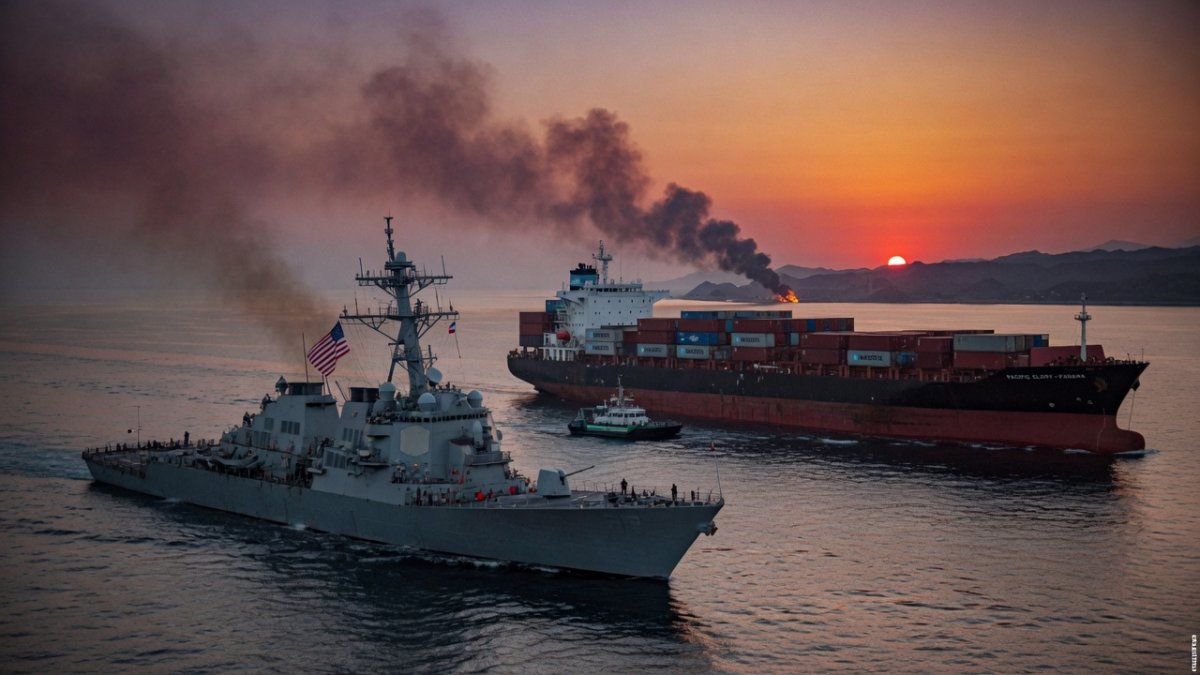
Fresh Strikes on Iranian Military Targets
In response, Iran's state-run broadcast service reported that the country's army had carried out its own retaliatory strikes against US targets in Jordan, Kuwait, and Bahrain. While the extent of damage from these reported attacks remains unverified, US allies in the region confirmed they had intercepted drones and missiles launched from Iranian territory. The exchange of fire marks the fourth consecutive day of direct hostilities between the two countries, following the collapse of last month's ceasefire arrangement. Centcom officials emphasized that the strikes focused exclusively on military assets and avoided civilian infrastructure, though Iranian authorities described the action as an unprovoked escalation that violated international norms governing maritime security.
Regional observers noted that Greater Tunb Island serves as a critical node for Iranian coastal defence networks, housing radar installations and missile batteries capable of threatening vessels transiting the narrow Strait of Hormuz. The operation's timing, just hours after the naval blockade was reinstated, suggests a deliberate effort by US forces to neutralize immediate threats to commercial shipping lanes. US allies including those in the Gulf Cooperation Council expressed support for the defensive posture while urging restraint to prevent wider regional involvement by additional state actors.
Iran's Escalated Threat —” Beyond the Strait
Iran's Revolutionary Guard Corps commanders issued an unprecedented warning that the Strait of Hormuz would remain shut until the United States ended its acts of aggression. The IRGC further stated that energy exports will be for everyone or for no one, signalling intent to close other regional oil and gas export channels if hostilities continue. This broadening of threats marks a departure from previous Iranian rhetoric focused solely on the Strait of Hormuz and raises concerns about potential disruption to additional maritime chokepoints vital to global energy flows.
Analysts suggest this strategic calculus reflects Iran's assessment that conventional pressure on Hormuz alone may prove insufficient against sustained US naval presence. The IRGC statement explicitly referenced alternative routes including the Bab el-Mandeb strait and the Suez Canal, as well as pipelines crossing Saudi Arabian territory. Such warnings carry implications for energy security across multiple continents, particularly for importers reliant on steady Gulf supplies. Russia's perspective on any energy blockade centers on its role as an alternative supplier capable of filling gaps in European and Asian markets during periods of Gulf instability.
The IRGC position underscores Iran's determination to link its own energy export capacity to that of its regional adversaries, creating a zero-sum dynamic. Commanders framed the threat as a response to the renewed blockade and recent strikes, arguing that selective restrictions on Iranian exports justify reciprocal measures against all parties. This approach risks drawing additional regional actors into the confrontation and complicates diplomatic efforts by third parties seeking de-escalation.
Naval Blockade Returns —” The Collapsed MoU
The United States reimposed a naval blockade on Iranian ports Tuesday evening, reversing the terms of a memorandum of understanding signed last month between Washington and Tehran. That MoU had been intended to end months of conflict by lifting previous restrictions on vessel movements to and from Iranian facilities. The Strait of Hormuz dispute emerged as the central point of contention that ultimately undermined the agreement, leading to the blockade's swift reinstatement.
Under the renewed blockade, US naval forces are positioned to stop and inspect vessels transiting to and from Iranian ports, effectively halting most commercial traffic. This measure directly constrains Iran's ability to export oil and import critical goods, placing immediate strain on an economy already facing sanctions. Iranian authorities condemned the action as a violation of the prior understanding and vowed to resist what they described as economic strangulation.
The collapse of the MoU highlights the fragility of negotiated pauses in hostilities when core strategic interests such as control over maritime passages remain unresolved. Iranian officials have indicated that continued enforcement of the blockade will prompt further retaliatory measures beyond the current exchange of strikes. The situation leaves limited room for immediate diplomatic revival without significant concessions from both sides on the status of the strait.
Trump's Escalating Rhetoric
President Donald Trump vowed to strike Iran's bridges and power plants next week if Iran did not return to talks. In an interview on Special Report with Bret Baier, Trump stated he would save the energy targets for last but ultimately hit energy targets if necessary. He reversed his earlier threat of a 20 percent toll on Strait of Hormuz cargo shipping, instead emphasizing massive trade and investment deals with Gulf states as the preferred path forward.
The shift in approach follows previous warnings in April that drew condemnation from UN human rights chief Volker Türk over potential war crimes implications of targeting civilian infrastructure. Trump framed the new threats as leverage to force negotiations while avoiding immediate damage to energy facilities that could further spike global prices. This calibrated escalation reflects an attempt to maintain pressure without immediately triggering the most severe economic consequences.
Trump's statements also referenced the possibility of expanded operations if Iranian forces continue launching missiles toward US allies. The rhetoric has prompted concern among European and Asian partners about the trajectory of US policy and its impact on energy markets. Volker Türk reiterated calls for all parties to adhere to international humanitarian law when considering strikes on dual-use infrastructure.
Global Economic Shockwaves
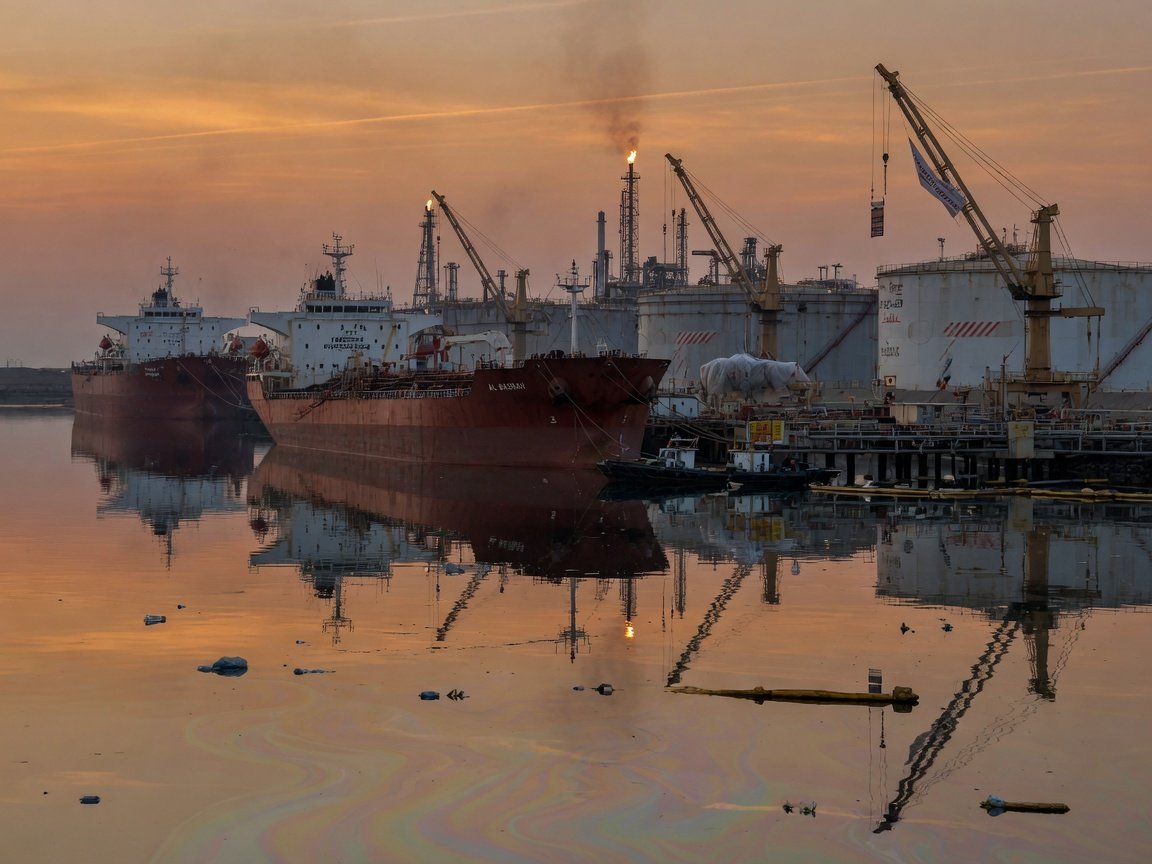
Oil prices surged as tanker traffic through Hormuz virtually stalled, with one report citing a 92 percent decline in vessels passing through the strait. Roughly 20 million barrels of oil per day, representing approximately 20 percent of global consumption, normally transit this route. Insurance costs for remaining voyages have risen sharply, further deterring commercial operators from attempting passage.
The disruption affects European economies still dependent on Gulf crude supplies as well as major Asian importers including China, India, and Japan. Russia's position as an alternative energy supplier gains strategic relevance during the crisis, allowing Moscow to increase deliveries to markets facing shortfalls. European Union officials have begun contingency planning for potential shortages while monitoring developments through diplomatic channels.
Longer-term effects include accelerated efforts by some nations to diversify supply sources and invest in alternative energy infrastructure. The sudden contraction in Hormuz traffic demonstrates the vulnerability of global energy markets to even brief interruptions at critical chokepoints. Central banks in oil-importing countries are already assessing the inflationary risks posed by sustained higher prices.
Analysis —” A Dangerous New Phase
This escalation introduces a dangerous new phase in which both the United States and Iran have demonstrated willingness to target military assets directly while threatening broader economic disruption. The involvement of additional potential routes beyond the Strait of Hormuz expands the geographic scope of possible conflict and increases the number of stakeholders with interests at stake. Russia and China have positioned themselves diplomatically to urge restraint while preparing for market opportunities arising from any prolonged instability.
The likelihood of further escalation remains high absent a clear off-ramp, yet the economic costs already visible may create incentives for renewed negotiations. Global energy chokepoints such as the Bab el-Mandeb strait and Suez Canal represent single points of failure whose disruption would compound existing pressures on supply chains. Oil-dependent economies worldwide face difficult choices between short-term price spikes and longer-term strategic adjustments to reduce exposure.
Forward-looking assessments suggest that sustained closure of Hormuz traffic would force rapid realignment of energy trade patterns, benefiting suppliers outside the Gulf region. The current trajectory underscores how quickly localized disputes can threaten systemic stability in interconnected energy markets. Continued monitoring of both military movements and diplomatic signals will be essential in the coming days to determine whether this phase leads to wider confrontation or managed de-escalation.
By Irina Volkov, Staff Writer
This article was produced with AI-assisted research and editorial support. Reporting is based on sources cited in the article.
What's Your Reaction?
 Like
0
Like
0
 Dislike
0
Dislike
0
 Love
0
Love
0
 Funny
0
Funny
0
 Wow
0
Wow
0
 Sad
0
Sad
0
 Angry
0
Angry
0
Russia/Eastern Europe Correspondent at Global1.News. Covering Russian politics, energy, security, and the shifting dynamics of the post-Soviet space. Provides clear-eyed analysis on one of the world's most opaque regions.










Comments (0)