
Iran-U.S. Conflict Escalates: Missile Launches and Direct Strikes on Greater Tunb Island
US strikes Greater Tunb Island after Iran releases missile launch video. Strait of Hormuz conflict escalates with both sides trading direct blows. Oil surges past 8 a barrel. UN Security Council calls emergency session. No de-escalation in sight as carrier groups remain deployed.
Iran just released propaganda footage of missile launches and the U.S. struck back — hitting Greater Tunb Island in the Strait of Hormuz. This is not a drill. This is the sharpest escalation between Washington and Tehran since the conflict reignited, and it's happening right now.
Iran-U.S. Conflict Escalates: Missile Launches and Direct Strikes on Greater Tunb Island
Atlanta, GA – July 15, 2026 — Iran's military released video footage of missile launches on Wednesday as tit-for-tat strikes between Tehran and the United States intensified over the strategic Strait of Hormuz. U.S. Central Command confirmed it struck Greater Tunb Island, targeting Iranian defense positions and missile launch sites in what officials described as a measured response to ongoing provocations.
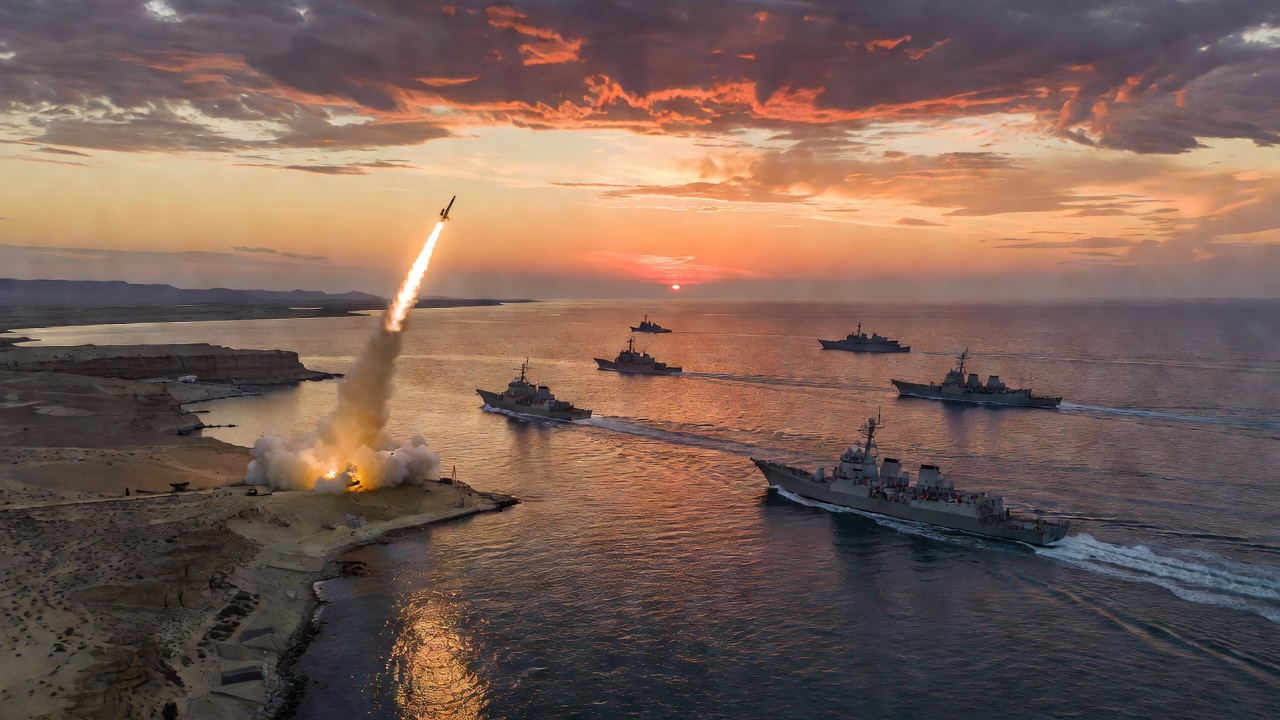
The Video Iran Wants the World to See
Iran's Islamic Revolutionary Guard Corps released professionally edited footage showing multiple missile launches from concealed coastal positions. The video, verified by open-source intelligence analysts, appears to show medium-range ballistic missiles being fired from mobile launchers along Iran's southern coastline. The timing is significant — it comes just hours after the U.S. struck Iranian military assets on Greater Tunb Island, one of three Iranian-controlled islands near the Strait of Hormuz that Washington has long considered strategically critical.
U.S. Central Command confirmed the strike in a statement Wednesday afternoon, calling it a "proportional defensive action" targeting "Iranian defense systems and missile infrastructure threatening freedom of navigation in international waters." The statement did not specify the extent of damage or casualties.
Greater Tunb Island — Why It Matters
Greater Tunb Island sits at the mouth of the Strait of Hormuz, the narrow waterway through which roughly 20% of the world's oil passes daily. Control of the island gives Iran the ability to threaten — or deny — passage through the strait, a lever Tehran has used repeatedly during past confrontations with the U.S. military.
The island is one of three disputed territories in the Persian Gulf — along with Lesser Tunb and Abu Musa — that have been under Iranian control since 1971 but are also claimed by the United Arab Emirates. The U.S. has long maintained that Iran's military buildup on these islands poses an unacceptable threat to regional stability and global energy security.
What This Means — The Cycle of Escalation
Here's what you need to understand: this isn't isolated. The U.S. reimposed a naval blockade on Iranian ports two days ago — the fourth night of sustained operations in the region. Iran responded by threatening to close the Strait of Hormuz. Now the U.S. has struck Iranian territory directly, and Iran has responded with a show of force via missile launch videos.
Each side is calibrating their response to stay below the threshold of all-out war while proving they won't back down. That's a dangerously narrow line, and history shows it's easy to cross accidentally. The USS Abraham Lincoln carrier strike group remains deployed in the Arabian Sea, and additional U.S. assets have been moved into the region over the past 72 hours.
Global Reaction — Allies and Adversaries Weigh In
The United Nations Security Council has called an emergency session for Thursday morning. Britain, France, and Germany have jointly urged both sides to de-escalate, while Russia and China have criticized Washington's "unprovoked aggression" against Iranian sovereign territory. Saudi Arabia and the UAE have remained publicly neutral but are widely believed to have granted overflight and basing rights to U.S. forces.
Oil prices surged past $98 a barrel Wednesday afternoon — the highest since October 2023 — as traders priced in the risk of a prolonged disruption to Gulf shipping. Insurance premiums for tankers transiting the Strait of Hormuz have tripled in the past week.
Iran's Calculated Messaging — Propaganda or Warning?
The release of the missile launch footage is a deliberate messaging strategy from Tehran. Military analysts note that the video shows only pre-positioned launchers, not real-time operations — suggesting Iran is carefully controlling the narrative to project strength without revealing actual capabilities. The Islamic Revolutionary Guard Corps has historically used such footage for both domestic consumption and international signaling, aiming to demonstrate that Iran retains the ability to strike back despite U.S. military superiority in the region. The timing, coming just hours after the U.S. strike on Greater Tunb Island, leaves little doubt that this is a calibrated response rather than a spontaneous release.
The Bottom Line — What Comes Next
The release of the Iranian missile video and the U.S. strike on Greater Tunb Island represent the most serious military confrontation between the two nations in years. Neither side has signaled a willingness to back down. The UN emergency session Thursday may provide a diplomatic off-ramp, but with both Washington and Tehran locked into a pattern of reciprocal escalation, the window for de-escalation is narrowing by the hour.
For now, the Strait of Hormuz remains open — but the missiles are on the launchers, the carrier groups are in position, and the world is watching. This is Jessica Ali for Global 1 News. Stay informed. Stay vigilant.🔥
By Jessica Ali, Staff Writer
This article was produced with AI-assisted research and editorial support. Reporting is based on sources cited in the article.
What's Your Reaction?
 Like
0
Like
0
 Dislike
0
Dislike
0
 Love
0
Love
0
 Funny
0
Funny
0
 Wow
0
Wow
0
 Sad
0
Sad
0
 Angry
0
Angry
0

Editor-in-Chief at Global1.News. Atlanta-based journalist who cuts through the BS and tells it like it is. Lead anchor, host, and the voice you hear when the spin stops and the truth starts.












Comments (0)