
In Open Letter to Putin, Zelensky Calls for Meeting and Ceasefire
Zelensky Issues Rare Direct Appeal Ukraine's President Volodymyr Zelensky released an open letter to Russian President Vladimir Putin on Thursday, proposing direct negotiations and a full ceasefire for their duration. The letter followed Ukrainian drone strikes on targets in St. Petersburg, Putin's hometown, which is hosting the St. Petersburg International Economic Forum this
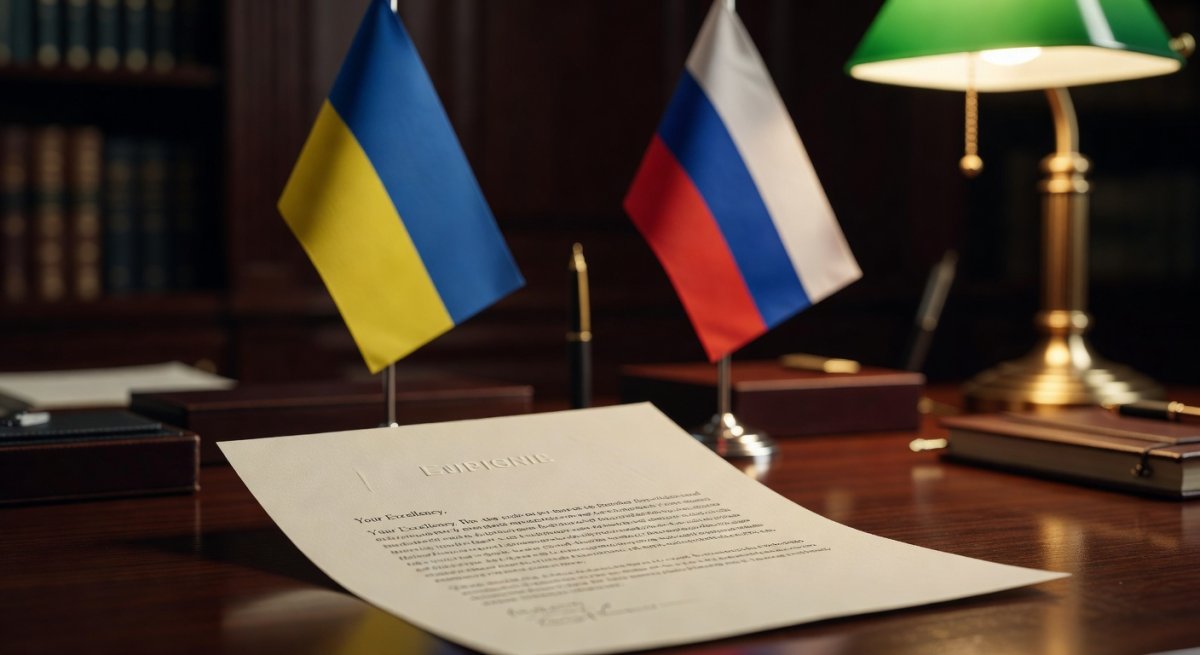
Zelensky Issues Rare Direct Appeal
Ukraine's President Volodymyr Zelensky released an open letter to Russian President Vladimir Putin on Thursday, proposing direct negotiations and a full ceasefire for their duration. The letter followed Ukrainian drone strikes on targets in St. Petersburg, Putin's hometown, which is hosting the St. Petersburg International Economic Forum this week.
Zelensky stated that only face-to-face engagement between the two leaders could produce an agreement on territory. He offered to set a clear date for such a meeting and declared Ukraine ready for a complete ceasefire during talks.
Direct addresses of this kind from Zelensky to the Russian leader remain uncommon. Months of U.S.-led diplomatic efforts have produced no breakthrough.
Kremlin Response and Conditions
The Kremlin stated that Putin had not yet reviewed the letter. Kremlin spokesman Dmitry Peskov indicated that Zelensky could travel to Moscow at any time for discussions. Zelensky had already ruled out a meeting in the Russian capital in his letter.
Russia continues to insist that Ukraine withdraw from the Donbas region as a precondition for substantive talks. Large portions of that eastern area remain under Ukrainian control.
Putin has repeatedly said he would only meet Zelensky to finalize an already negotiated agreement, not to begin the process.
Battlefield Shifts and Territorial Data
Russian forces have advanced along the entire line of contact, according to Putin. However, the pace of those advances has slowed markedly since late 2025. Between January and May 2026, Russia captured 104 square kilometers of Ukrainian territory, compared with 1,619 square kilometers in the same period of 2025.
Ukrainian forces regained more ground than they lost in May for the second consecutive month, based on analysis of Institute for the Study of War data by AFP. Zelensky warned in the letter that Ukraine would continue fighting for its existence if Putin did not conclude that the war must end.
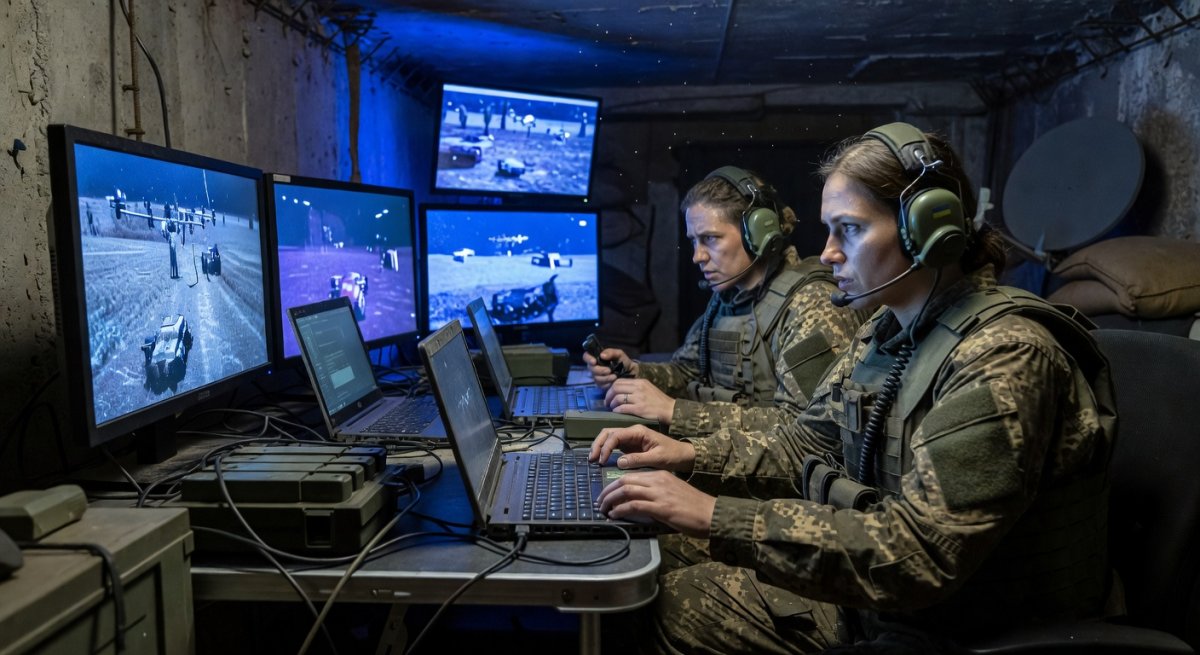
Air Defense Admissions After St. Petersburg Strikes
Putin acknowledged the need to strengthen Russia's air defense systems during remarks to foreign journalists in St. Petersburg. The comments came one day after Ukrainian drones struck an oil terminal and a naval base in the city.
Ukraine has conducted strikes on thirty Russian oil infrastructure targets in May alone, including the Novorossiysk terminal. Russian officials describe these attacks as retaliation for Ukrainian long-range operations against energy and military sites.
Putin emphasized that Russia possesses air defense capabilities but must improve and reinforce them.
Questions of Legitimacy and Negotiation Format
Putin questioned Zelensky's legitimacy as Ukraine's leader, noting that his initial five-year term expired in 2024. Martial law in Ukraine prohibits elections during wartime. Zelensky has offered to hold a vote or referendum on any final peace deal once a full ceasefire is in place.
The Russian position holds that any meeting with Zelensky would serve only to confirm terms already agreed upon by both sides.
Regional and International Context
The exchange occurs against a backdrop of stalled multilateral diplomacy involving the United States and other actors. Ukraine views direct leader-to-leader talks as essential for resolving territorial disputes, while Russia maintains its core demands regarding the Donbas.
Perspectives from NATO and EU capitals continue to stress the importance of Ukrainian sovereignty in any settlement. CSTO members have offered limited public commentary, focusing instead on their own security arrangements.
Energy infrastructure attacks have affected supply dynamics across the post-Soviet space, with ripple effects on ordinary households in both Russia and Ukraine as well as neighboring states reliant on regional transit routes.
By Irina Volkov, Staff Writer
This article was produced with AI-assisted research and editorial support. Reporting is based on sources cited in the article.
What's Your Reaction?
 Like
0
Like
0
 Dislike
0
Dislike
0
 Love
0
Love
0
 Funny
0
Funny
0
 Wow
0
Wow
0
 Sad
0
Sad
0
 Angry
0
Angry
0
Russia/Eastern Europe Correspondent at Global1.News. Covering Russian politics, energy, security, and the shifting dynamics of the post-Soviet space. Provides clear-eyed analysis on one of the world's most opaque regions.









Comments (0)