
Qatar's Strategic Gift Reshapes US-Gulf Relations Under Trump
**Keywords:** Qatar, Trump, Air Force One, Boeing, NATO, Turkey, 2017 blockade, US-Qatar relations, Gulf diplomacy, Emir Tamim, Erdoğan, Saudi Arabia, UAE, Iran, GCC, OPEC+ Qatar's Strategic Gift Reshapes US-Gulf Relations Under Trump Regional Framing and Geopolitical Context The unveiling of the new Air Force One by President Trump represents far more than a domestic aviation
Regional Framing and Geopolitical Context
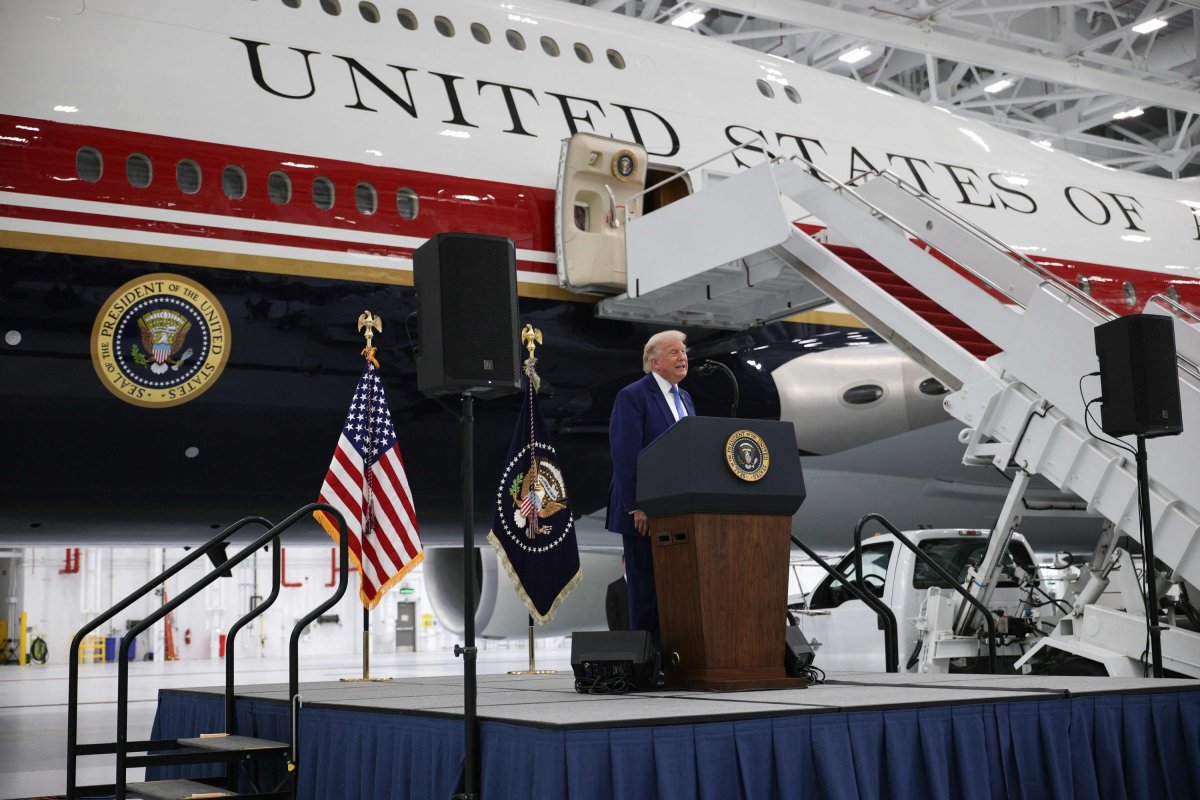
The unveiling of the new Air Force One by President Trump represents far more than a domestic aviation upgrade. It highlights Qatar's calculated approach to strengthening ties with Washington amid ongoing Gulf rivalries. The aircraft, originally a luxury Boeing 747 from Qatar, now serves as a bridge plane until Boeing delivers the VC-25Bs in 2028. This development places Qatar at the center of discussions about how smaller Gulf states navigate relationships with the United States while facing pressure from larger neighbors such as Saudi Arabia and the UAE. The story unfolds against a backdrop of shifting alliances where energy resources and security partnerships define influence across the region.
Qatari Diplomacy Since the 2017 Blockade
Qatar's decision to provide the aircraft reflects a sustained diplomatic strategy that gained momentum after the 2017 blockade imposed by Saudi Arabia, the UAE, and others. By offering the jet, Qatar demonstrated its capacity to deliver tangible assets that address immediate US needs during delays in Boeing production. President Trump noted that he approached the emir of Qatar directly for the plane, underscoring a personal channel that bypasses traditional bureaucratic caution. This move aligns with Qatar's broader efforts to maintain open lines with American leadership even as GCC cohesion remains strained. The gift positions Qatar as a reliable partner willing to extend practical support when other regional actors focus on different priorities.
Implications for US-Gulf Relations
Acceptance of the Qatari aircraft deepens the pattern of close US-Gulf security cooperation while raising questions about foreign gifts. Trump emphasized that the country must be represented properly and that a normal president might avoid such arrangements. The formal acceptance last year, despite ethics concerns, illustrates how Washington values operational flexibility from partners like Qatar. This relationship stands in contrast to more transactional dynamics sometimes seen with Saudi Arabia or the UAE. The plane's modifications, kept under $400 million and focused on rigorous security standards, show that core US requirements remain paramount even when foreign hardware enters the presidential fleet.
Turkey-NATO Ties and the Ankara Summit
Trump confirmed the new aircraft will fly him to the NATO summit in Ankara next month, directly linking the Qatari gift to Turkey's role within the alliance. Ankara serves as a critical hub for NATO operations in a volatile region, and the choice of venue highlights Turkey's strategic importance under President Erdoğan. Qatar's contribution indirectly supports this transatlantic connection by ensuring the US president travels in a secure, upgraded platform. The symbolism of an American flag on the tail and the presidential seal on the boarding side reinforces US presence at a moment when NATO coordination with Gulf partners faces tests from multiple directions, including Iranian activities.
Energy Security and OPEC+ Considerations
While the aircraft itself carries no direct energy cargo, the timing of its introduction intersects with ongoing OPEC+ deliberations that involve Qatar alongside Saudi Arabia and other producers. Stable US-Qatari ties help anchor broader energy market confidence, especially as global supply chains adjust to geopolitical pressures. The plane's role as a temporary solution until 2028 underscores the need for reliable partnerships that extend beyond immediate fuel transactions. In this context, Qatar's gesture supports the kind of steady diplomatic environment that benefits energy security discussions involving multiple Gulf states and external powers.
Arms Dynamics and Security Modifications
The Air Force's emphasis on disciplined engineering and retention of the previous head-of-state interior layout reveals how the Qatari jet integrates into existing US military aviation standards. Security upgrades costing less than $400 million demonstrate measured investment rather than unchecked expenditure. This approach contrasts with larger arms packages often associated with Saudi Arabia or the UAE, yet it achieves similar goals of interoperability. Both the Qatari aircraft and the existing VC-25As will remain available, allowing the Presidential Airlift Group to select platforms based on mission needs. Such flexibility strengthens US operational resilience in an era of complex regional threats.
Future Prospects and Regional Competition
Trump indicated he would not retain the Qatari jet after leaving office, planning instead to donate it to a future presidential library. This commitment addresses lingering concerns about permanent foreign influence. Looking ahead, the delayed Boeing deliveries create space for continued Qatari engagement with Washington, potentially influencing how Saudi Arabia and the UAE calibrate their own outreach. Iran watches these developments closely as part of wider Gulf competition. The flyover planned for July 4 celebrations further embeds the aircraft in American public symbolism, amplifying Qatar's indirect visibility on the global stage.
Symbolism of Design and Leadership Preferences
Trump described the navy blue underbelly, red stripe, and bold American flag as matching his taste, marking a departure from the Kennedy-era robin's egg blue. This aesthetic choice carries diplomatic weight by projecting strength during international travel, including the upcoming trip to China for the APEC summit. The dramatic unveiling at Andrews Air Force Base, accompanied by "God Bless the USA," reinforced the personal imprint on the project. In Middle East terms, such visible personalization of the gift from Qatar signals a willingness to embrace unconventional partnerships that other GCC members have approached more cautiously.
By Malik Hassan, Staff Writer
This article was produced with AI-assisted research and editorial support. Reporting is based on sources cited in the article.
What's Your Reaction?
 Like
0
Like
0
 Dislike
0
Dislike
0
 Love
0
Love
0
 Funny
0
Funny
0
 Wow
0
Wow
0
 Sad
0
Sad
0
 Angry
0
Angry
0

Middle East Correspondent at Global1.News. Based in Beirut, covering politics, conflict, energy, and society across the Middle East. Brings context and depth to a region often reduced to headlines.










Comments (0)