
Pressure Mounts on Keir Starmer as Cabinet Allies Urge Leadership Exit Timetable
The countdown on Sir Keir Starmer's premiership has begun in earnest. After Andy Burnham's commanding victory in the Makerfield by-election on Friday, cabinet ministers are now telling the Prime Minister privately that he has until the end of the weekend to set out a timetable for his departure. The question is no longer whether Starmer will go, but when — and how orderly the t
The countdown on Sir Keir Starmer's premiership has begun in earnest. After Andy Burnham's commanding victory in the Makerfield by-election on Friday, cabinet ministers are now telling the Prime Minister privately that he has until the end of the weekend to set out a timetable for his departure. The question is no longer whether Starmer will go, but when — and how orderly the transition will be.
Starmer Faces Cabinet Revolt After Burnham By-Election Win
London, UK – 20 June 2026 — The political earthquake that has been building beneath Westminster for months finally struck on Friday when Andy Burnham won the Makerfield by-election with 55 per cent of the vote, securing 24,927 ballots against Reform UK's 35 per cent share. Turnout reached 58.8 per cent, with 45,510 votes cast, six percentage points higher than the general election — a sign that disillusioned Labour supporters had not stayed home, but had turned out to send a message.
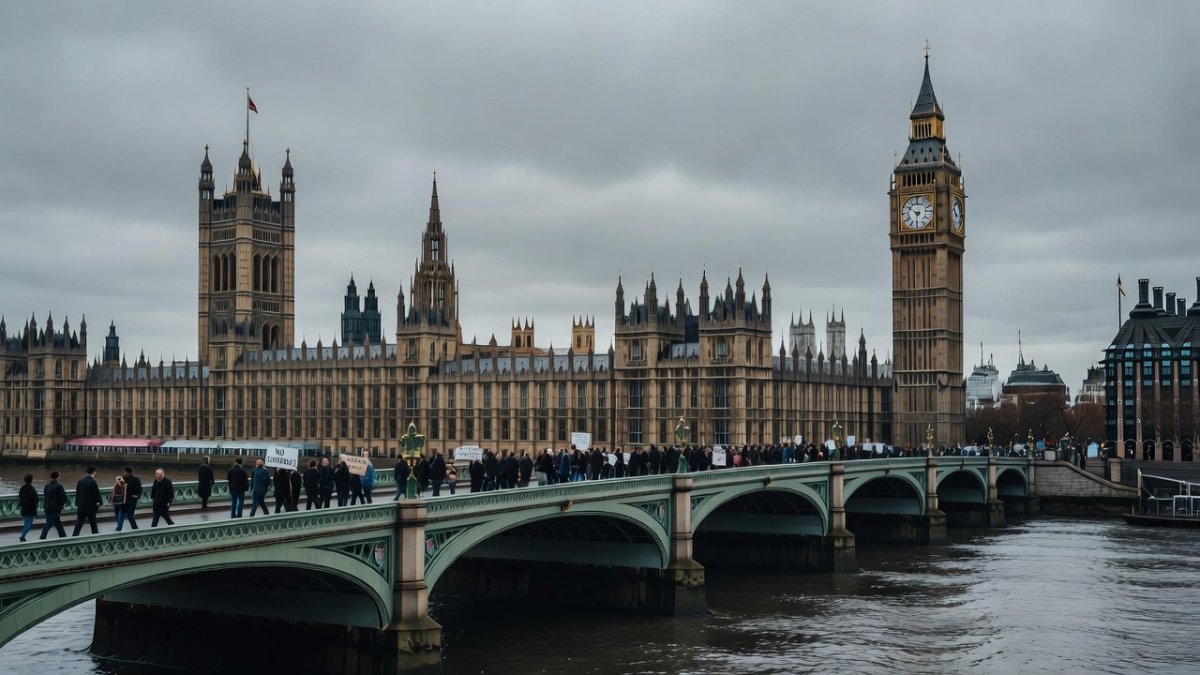
The Makerfield Earthquake
Makerfield is no ordinary constituency. Nestled in Greater Manchester between Wigan, Ashton-in-Makerfield and a string of former pit villages, it has been a Labour stronghold since its creation in 1918. Voters here once returned cabinet ministers as their MP. On Friday, they returned a man who wants to be prime minister — and made crystal clear that they are prepared to abandon Labour if the party does not change course.
Residents in Ashton-in-Makerfield have voiced frustration over stalled regeneration projects funded through the Levelling Up Fund. Local traders report that high street footfall has declined noticeably since 2024, with families citing rising energy costs and limited transport links to Manchester city centre as daily burdens. The six-point rise in turnout underscores how disaffected voters in these communities mobilised against the government rather than staying at home.
The Cabinet Turns
Transport Secretary Heidi Alexander telephoned Sir Keir on the evening of the by-election to advise him to set out an exit timetable, the BBC has confirmed. Climate Change Secretary Ed Miliband and Home Secretary Shabana Mahmood had already made similar representations in private conversations last month. Foreign Secretary Yvette Cooper has also pressed for a departure plan, according to reports in the i and the Observer. At least two further cabinet ministers are understood to have communicated similar views.
The pressure follows the resignations of Defence Secretary John Healey and Armed Forces Minister Al Carns on 11 June over military funding disputes. Their departures have left the government visibly weakened ahead of a crucial weekend at Chequers, the Prime Minister's country residence in Buckinghamshire, where Sir Keir is war-gaming his next moves with a small circle of loyal advisers.
Officials at the Ministry of Defence have described the funding impasse as a direct threat to equipment modernisation programmes. Service personnel based at barracks across the North West now face uncertainty over recruitment targets and training budgets, with families in Wigan expressing concern that further cuts could affect local regiments with historic ties to the area.
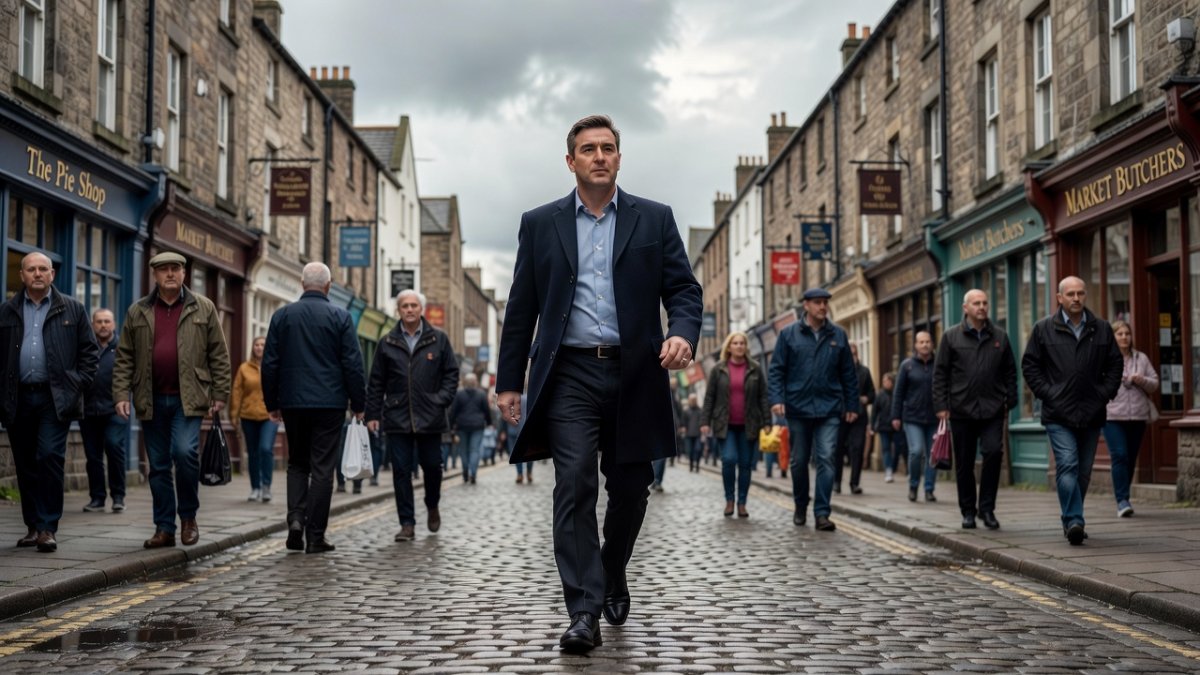
The Numbers Game
Approximately 100 Labour MPs are now openly calling for Sir Keir to resign, according to Sky News and the BBC. Sources indicate that up to 200 would be prepared to sign nomination papers for Andy Burnham. Cabinet allies have given the Prime Minister until the end of the weekend to announce a timetable for his departure.
The BBC reported on Saturday that "talk of Sir Keir Starmer fighting on is fading" and that "his exit seems more likely as the weekend goes on." Labour lost more than 1,400 seats in last month's local elections, the worst performance for a governing party at that level in decades, further eroding the Prime Minister's authority within the parliamentary party.
These figures reflect a collapse in support across metropolitan boroughs in Greater Manchester and beyond. Council leaders in neighbouring authorities have warned that the loss of central government backing could delay infrastructure schemes already approved by the Department for Levelling Up, Housing and Communities.
What Labour MPs Are Saying
Backbenchers from the 2024 intake have begun to coordinate through private WhatsApp groups, with several citing the Makerfield result as the final straw. MPs representing seats in the North West have highlighted how Reform UK's 35 per cent share threatens their own majorities in 2029. One northern MP described the mood as "terminal" during a meeting at Portcullis House on Friday evening.
Those who served under Gordon Brown alongside Andy Burnham argue that his return would restore credibility with trade unions and local government leaders. Discussions have focused on the need for an accelerated timetable to avoid a prolonged vacuum that could affect Treasury decisions on public sector pay awards due in the autumn.
Burnham's Path to Number 10
Andy Burnham, Mayor of Greater Manchester since 2017, is expected to travel to London on Monday to meet Labour MPs and begin the process of building a parliamentary base. He previously served as MP for Leigh from 2001 to 2017 and held the posts of Culture Secretary and Health Secretary under Gordon Brown. His victory in Makerfield — the seat neighbouring his former constituency — gives him a route back into Westminster.
His long-standing profile in northern England and record of winning successive mayoral contests position him as the most credible alternative to Starmer. Burnham's team has begun informal discussions with MPs about a swift transition. Allies argue that a drawn-out contest would damage the party's chances of holding the government together.
Greater Manchester Combined Authority staff have already prepared briefing papers on devolution deals that could be accelerated under a Burnham premiership. These include expanded powers over bus franchising and housing targets that directly affect residents in Wigan and Bolton.
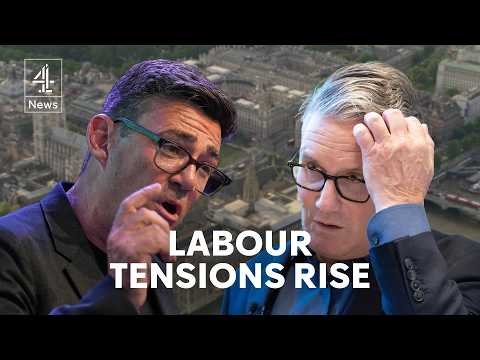
The Political Landscape — What Burnham Would Bring
Burnham represents a very different strand of Labour politics to Starmer. A Brownite by instinct, he has been a vocal critic of austerity and has positioned Greater Manchester as a counterweight to Westminster orthodoxy. His mayoral record includes introducing a London-style bus franchising system, investing in affordable housing and maintaining a more interventionist economic approach.
His leadership would likely signal a shift to the left on economic policy, with greater emphasis on public ownership, regional devolution and social spending. However, the fiscal constraints facing any incoming prime minister — high debt, low growth, pressure on public services — would limit room for manoeuvre regardless of who holds the keys to Number 10.
Policy advisers at the Greater Manchester Combined Authority have modelled scenarios showing how increased regional investment could reduce NHS waiting lists in the North West, where current figures exceed national averages in several specialties.
The Fourcast Factor — Channel 4 News Analysis
Channel 4 News has tracked the erosion of Labour support through its constituency panels since the 2024 general election. The Makerfield result aligns with patterns observed in focus groups conducted in former Red Wall seats, where voters cite stagnant wages and visible decline in high streets as primary concerns. The six-point turnout increase signals that abstention has given way to active protest voting.
Analysis of the 24,927 ballots secured by Burnham shows strong consolidation among traditional Labour supporters alongside limited crossover from Reform UK. This suggests that any national leadership change must address both economic insecurity and cultural disconnection if the party is to retain northern heartlands.
Scotland, Wales and Northern Ireland View
Scottish Labour figures have watched the Westminster drama with caution, noting that any leadership transition could affect funding negotiations at the Scotland Office. Welsh Government ministers have emphasised the need for continuity on shared prosperity funding, while parties in Northern Ireland have highlighted risks to the Windsor Framework if UK political instability deepens.
Communities in the North East of England, already facing similar economic pressures to Makerfield, fear that further distraction in London will delay investment decisions at the Department for Business and Trade. Local authorities in Yorkshire have echoed these concerns, warning of knock-on effects for transport projects linking Leeds and Manchester.
The International Dimension
Diplomatic sources in Brussels and Washington have registered the instability, with European partners concerned about delays to UK participation in joint defence procurement following the resignations of John Healey and Al Carns. The Foreign Office under Yvette Cooper has sought to reassure allies that core commitments remain unchanged during the transition period.
Trade negotiations with non-EU partners could face renewed scrutiny if a change of prime minister alters the Treasury's approach to regulatory alignment. Business groups in the Midlands have expressed particular anxiety over potential disruption to automotive supply chains.
The South of England Reaction
While the drama unfolds in Westminster and the North, the implications for southern England are equally significant. Conservative-held seats in the Home Counties, the South East and South West that Labour won in 2024 are watching nervously. If Burnham shifts the party leftwards, those gains could prove fragile. Labour MPs in marginal seats from Milton Keynes to Southampton have privately expressed concern that a Burnham leadership might alienate the centrist voters who delivered the 2024 landslide.
Residents in these areas have benefited from targeted infrastructure spending announced in the 2025 budget. Any perception of a sharp leftward turn risks reviving Conservative organisation in seats where majorities remain modest.
What This Means for the UK
A change of Prime Minister would mark the seventh occupant of Downing Street in ten years — David Cameron, Theresa May, Boris Johnson, Liz Truss, Rishi Sunak, Keir Starmer and now potentially Andy Burnham — underscoring the prolonged instability in British politics. Public services across England would face further uncertainty. NHS England waiting lists remain above 6 million. The Department for Education faces funding pressures. The Treasury, under Rachel Reeves, would need to navigate a leadership transition while managing the public finances.
Constituencies in the North West, the Midlands and Yorkshire that delivered Labour majorities in 2024 are showing signs of renewed volatility. Voters in former industrial communities express frustration over the pace of economic recovery, housing costs and public service decline. The Reform UK vote of 35 per cent in Makerfield signals that Nigel Farage's party poses a serious threat to Labour in northern seats.
The Bottom Line — What Comes Next
The Observer has reported that Sir Keir is expected to resign on Monday and set out an orderly exit, possibly with a handover period to allow a leadership contest to take place before the summer recess. Should he do so, the Labour Party would need to organise a swift contest, with Burnham widely viewed as the frontrunner against a potentially fragmented field.
The coming days will determine whether the government can stabilise or whether the United Kingdom faces another prolonged period of political upheaval. For communities in Greater Manchester, the North East and beyond, the outcome will shape the direction of housing, transport, health and education policy for a generation.
One thing is certain: British politics has entered another chapter of uncertainty, and the consequences will be felt from the council estates of Makerfield to the corridors of Whitehall.
By Erica Thornton, Staff Writer
This article was produced with AI-assisted research and editorial support. Reporting is based on sources cited in the article.
What's Your Reaction?
 Like
0
Like
0
 Dislike
0
Dislike
0
 Love
0
Love
0
 Funny
0
Funny
0
 Wow
0
Wow
0
 Sad
0
Sad
0
 Angry
0
Angry
0

US Politics and Policy Correspondent at Global1.News. Based in Washington DC, covering American politics, policy, elections, and the courts. Knows how the system works and tells you what it actually means.













Comments (0)