
Politicians and Civilians Divided as Trump, Vance, and Iran's Ghalibaf Sign US-Iran MOU
In a recent i24NEWS English report titled "Politicians and civilians have mixed feelings over Trump's signed MOU with Iran," Israeli embassy officials confirmed to the network that the agreement had been finalized on June 15, 2026, even as details remained limited. The report highlighted immediate reactions from Jerusalem to Tel Aviv, where officials and residents weighed the i
In a recent i24NEWS English report titled "Politicians and civilians have mixed feelings over Trump's signed MOU with Iran," Israeli embassy officials confirmed to the network that the agreement had been finalized on June 15, 2026, even as details remained limited. The report highlighted immediate reactions from Jerusalem to Tel Aviv, where officials and residents weighed the implications of a deal reached between US President Donald Trump, Vice President JD Vance, and Iranian Parliament Speaker Mohammad Bagher Ghalibaf.
Politicians and Civilians Divided as Trump, Vance, and Iran's Ghalibaf Sign US-Iran MOU
Jerusalem, Israel — June 15, 2026 — The Memorandum of Understanding was signed digitally on June 15, 2026, without a physical ceremony in either Washington or Tehran, marking the first direct US-Iran agreement since the 2025 war. A senior US official confirmed the signing during a call with reporters and stated that the document includes a ceasefire on all fronts along with the lifting of the Strait of Hormuz blockade. No funds have been transferred to Iran under the terms of the MOU.
Trump stated that ships carrying oil are already moving out of the Strait of Hormuz following the agreement. Specific provisions of the MOU are scheduled for public release within 24 to 48 hours. A formal signing ceremony is planned for Friday at an undisclosed location.
The 2025 twelve-day war between the United States, Israel, and Iran forms the immediate backdrop. US forces alone reported striking 13,000 targets during that campaign. Deep distrust between Washington and Tehran has slowed every stage of the current negotiations.
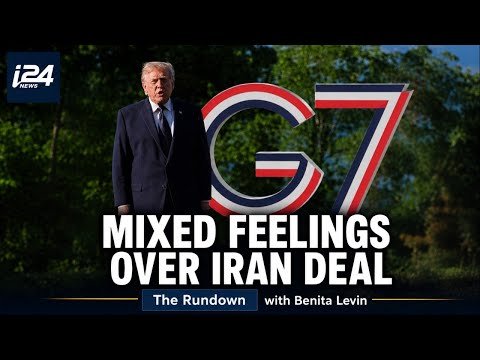
Israeli Government and Political Reactions
Prime Minister Benjamin Netanyahu issued a statement from the Prime Minister's Office in Jerusalem declaring that Iran will not obtain nuclear weapons as long as he remains in office. Netanyahu's government has issued few additional comments, with officials appearing reluctant to criticize the deal and risk straining relations with the Trump administration.
Defense Minister Israel Katz stated from the Kirya military headquarters in Tel Aviv that the Israel Defense Forces will not withdraw from southern Lebanon despite the ceasefire provisions. Several Israeli ministers described the MOU as bad and insufficient to guarantee Israel's security.
Naftali Bennett, leader of the Together list formed by the merger of his party with Yair Lapid's opposition forces, explicitly criticized the agreement in a statement released from his office in Ra'anana. Opposition leaders argued that the MOU fails to achieve Israel's core war objectives against Iranian nuclear and proxy threats.
Public Sentiment in Israel
Residents in Tel Aviv expressed relief that the threat of immediate Iranian missile strikes had receded, citing the weekend threats issued by Tehran against Israeli cities. At the same time, many voiced skepticism that the MOU would constrain Iran's nuclear program or its support for Hezbollah and Hamas.
In Jerusalem, civilians interviewed near the Knesset described the agreement as a temporary pause rather than a lasting solution. Some pointed to the continued presence of Iranian-backed forces in Syria and Lebanon as evidence that core security threats remain unaddressed.
The Iranian diaspora community in Israel also showed divided reactions, with some families originally from Tehran welcoming any reduction in hostilities while others recalled personal losses from the 2025 conflict and questioned whether the MOU would prevent future attacks.
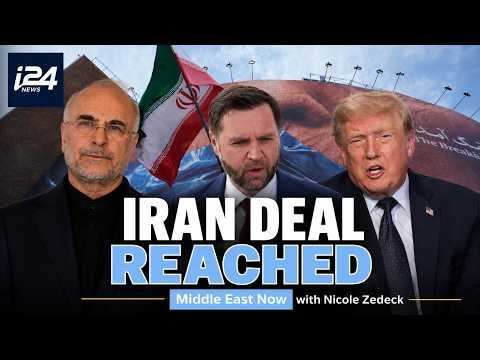
Broader Middle East Regional Implications
The lifting of the Strait of Hormuz blockade directly affects shipping lanes used by vessels traveling between the Persian Gulf and the Indian Ocean. Israeli security officials in the IDF's Southern Command noted that reduced tensions in the waterway could ease pressure on energy markets that influence Israel's own economic stability.
Hezbollah positions in southern Lebanon remain a central concern for the IDF, which continues operations near the Litani River. The MOU does not alter Israel's stated policy of maintaining a buffer zone to prevent rocket fire into northern Israeli communities such as Kiryat Shmona and Metula.
Palestinian Authority officials in Ramallah have so far offered no public comment on the agreement. Hamas leaders in Gaza have maintained silence, though analysts in the Israeli Foreign Ministry expect the group to test whether the ceasefire extends to its own operations against Israeli targets.
International Reactions and What Comes Next
The European Union issued a statement from Brussels welcoming the ceasefire component while calling for verification mechanisms to ensure compliance with nuclear restrictions. The United Nations Security Council is expected to convene within days to discuss monitoring arrangements.
Israeli embassy officials in Washington told i24NEWS that further clarifications on the MOU's nuclear provisions are required before any formal Israeli endorsement. The Foreign Ministry in Jerusalem has scheduled consultations with US counterparts ahead of the Friday ceremony.
Details on inspection regimes and sanctions relief are scheduled for release within the next 48 hours. Both the US State Department and Iran's Foreign Ministry have indicated that additional bilateral talks will follow the formal ceremony.
Analysis: What This Means for Israel's Security
The MOU creates immediate diplomatic space for Israel but leaves unresolved the question of Iran's nuclear enrichment facilities at Natanz and Fordow. Netanyahu's insistence that Iran will not acquire nuclear weapons reflects ongoing assessments by the Mossad and IDF intelligence that Tehran retains the technical capacity to advance its program rapidly once sanctions pressure eases.
Defense Minister Katz's refusal to withdraw from southern Lebanon underscores the IDF's assessment that Hezbollah remains capable of launching thousands of rockets at Israeli population centers. The agreement does not address the estimated 150,000 rockets and missiles still positioned north of the border.
For Israeli civilians in the north and south, the MOU offers a potential reduction in daily alerts issued by the Home Front Command. Yet the divided public reaction in cities from Haifa to Beersheba shows that many residents view the deal as a pause rather than an end to the broader conflict with Iran and its proxies. The coming weeks will test whether the ceasefire holds and whether Israel can maintain its core security red lines without direct US backing for further strikes.
By Hannah Berg, Staff WriterThis article was produced with AI-assisted research and editorial support. Reporting is based on sources cited in the article.
What's Your Reaction?
 Like
0
Like
0
 Dislike
0
Dislike
0
 Love
0
Love
0
 Funny
0
Funny
0
 Wow
0
Wow
0
 Sad
0
Sad
0
 Angry
0
Angry
0
Israel Correspondent at Global1.News. Based in Tel Aviv, covering Israeli politics, security, technology, and society. Provides balanced, deeply-sourced reporting on one of the most closely-watched regions in the world.











Comments (0)