
France Warns Companies: Doing Business in Illegal Israeli Settlements Risks Violating International Law
France Issues Landmark Warning on Settlement Business France on Wednesday warned companies that doing business in illegal Israeli settlements in the Occupied Palestinian Territory could expose them to being found responsible for violations of international law, Anadolu reports. The Foreign Ministry issued updated guidance addressed to French companies, subsidiaries and citizens
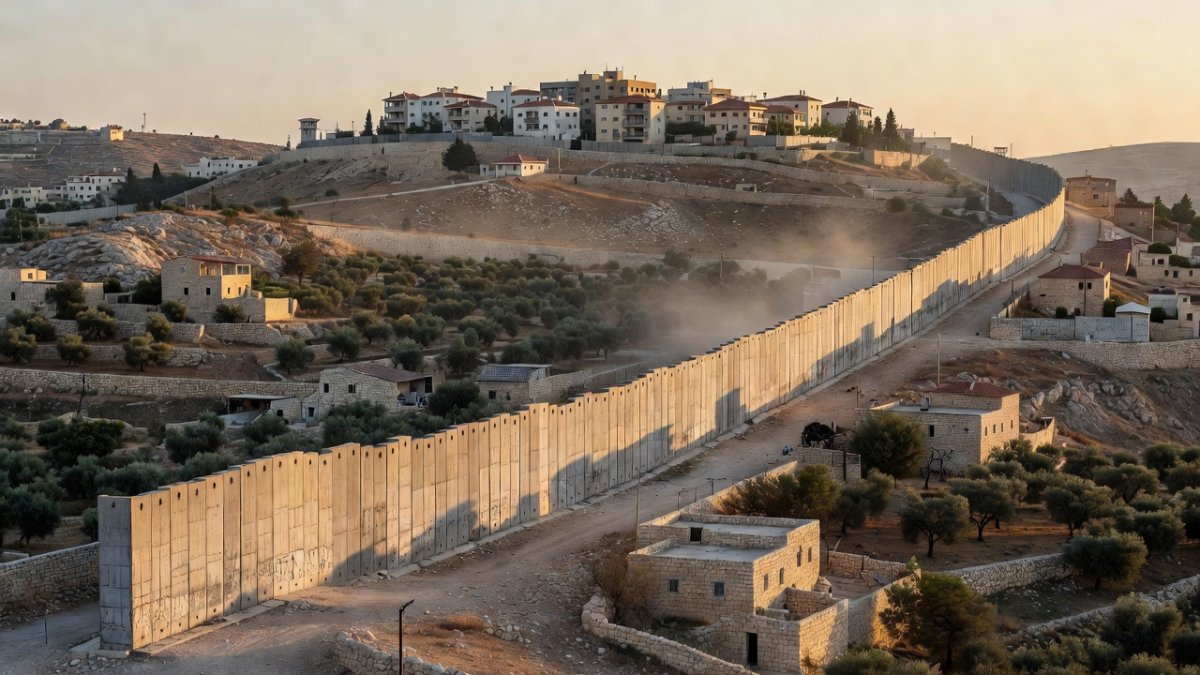
France Issues Landmark Warning on Settlement Business
France on Wednesday warned companies that doing business in illegal Israeli settlements in the Occupied Palestinian Territory could expose them to being found responsible for violations of international law, Anadolu reports. The Foreign Ministry issued updated guidance addressed to French companies, subsidiaries and citizens. In this guidance the ministry stated that companies engaged in such activities are exposed to significant legal, economic and reputational risks. This announcement marks a clear position from a major European power on the consequences of commercial involvement in settlements. The warning emphasizes that any engagement with settlements carries potential responsibility under international law. France's Foreign Ministry highlighted these risks in direct terms to ensure companies understand the implications of their operations. The guidance serves as an official reminder that activities in the Occupied Palestinian Territory linked to settlements may lead to findings of violations. By issuing this statement on Wednesday the ministry provided updated information to French entities operating abroad. The focus remains on the legal, economic and reputational exposure that companies face when involved in settlement-related business. This position from France underscores the importance of compliance with international standards for all commercial activities in the region.
The ministry's statement on Wednesday provides detailed direction to French companies and their subsidiaries. It addresses citizens as well, making clear that involvement in settlement activities brings notable risks. The warning covers a range of potential consequences including legal challenges and economic setbacks. Reputational damage is also listed as a key concern for any company engaged in these activities. France's approach reflects a commitment to informing its business community about the realities of operating in occupied areas. The guidance reiterates established positions while updating companies on current expectations. Companies are advised to consider these factors carefully before proceeding with any transactions or investments. The overall message is one of caution regarding settlement-related commerce in the Occupied Palestinian Territory.
Settlements Under International Law
The ministry reiterated France's position that Israeli settlements in the occupied West Bank, East Jerusalem and the occupied Golan Heights are illegal under international law and constitute an obstacle to achieving a two-state solution, citing UN Security Council resolutions and a 2024 advisory opinion by the International Court of Justice. This stance aligns with established international frameworks that address the status of settlements. France maintains that such settlements violate international law and hinder progress toward a two-state solution. The guidance references UN Security Council resolutions as part of the legal basis for this view. Additionally the 2024 advisory opinion by the International Court of Justice is cited to support the assessment of illegality. The ministry's statement connects these legal elements directly to the risks faced by companies. Settlements in the occupied West Bank, East Jerusalem and the occupied Golan Heights are described as obstacles in the path to a two-state solution. France's position remains consistent with these international legal sources. The warning to companies incorporates this legal context to illustrate why commercial activities may lead to responsibility for violations.
By citing UN Security Council resolutions and the 2024 advisory opinion the ministry provides a foundation for its guidance. The illegality of settlements under international law forms a central part of the updated advice to French companies. This position extends to the occupied West Bank, East Jerusalem and the occupied Golan Heights. The obstacle to a two-state solution is presented as a direct consequence of settlement activity. Companies are therefore informed that their involvement could intersect with these legal determinations. The ministry's reiteration of this stance serves to clarify the international law context for all addressed entities. French companies, subsidiaries and citizens receive this information as part of the broader warning about potential violations.
The Human Cost of Settlement Expansion
France on Wednesday warned companies that doing business in illegal Israeli settlements in the Occupied Palestinian Territory could expose them to being found responsible for violations of international law, Anadolu reports. The ministry's guidance addresses how commercial activities in settlements relate to the broader situation in the occupied areas. Companies engaged in such activities are exposed to significant legal, economic and reputational risks according to the Foreign Ministry statement. This warning connects directly to the reality faced by communities in the Occupied Palestinian Territory where settlement expansion occurs. The updated guidance to French companies, subsidiaries and citizens emphasizes the need to avoid activities that may contribute to violations. Financial transactions, investments, procurement and other commercial activities in or benefiting settlements are highlighted as areas of concern. Such activities could lead to disputes over land, water and natural resources as noted in the ministry's position. The human impact arises from the ongoing presence of settlements that France deems illegal under international law. The ministry's reference to UN Security Council resolutions and the 2024 advisory opinion underscores the legal framework affecting daily life in these areas. Companies are reminded that their operations may intersect with these conditions in the occupied West Bank, East Jerusalem and the occupied Golan Heights.
The warning issued on Wednesday draws attention to the consequences for Palestinian communities living under occupation. Settlement expansion creates conditions that affect access to resources and land. France's guidance makes clear that involvement in settlement business carries risks precisely because of the international law violations associated with these areas. The obstacle to a two-state solution mentioned in the ministry statement reflects the long-term effects on the population. Importers are also reminded of labeling requirements for products from occupied territories, which relates to transparency for consumers regarding the origins of goods. This aspect of the guidance supports awareness of how settlement activities influence the economic and social fabric of the Occupied Palestinian Territory. The overall position from France highlights the interconnected nature of commercial decisions and the lived experiences of those in the region.
Financial and Legal Risks for Companies
It said financial transactions, investments, procurement and other commercial activities in or benefiting settlements could lead to disputes over land, water and natural resources. The ministry warned that companies operating in the occupied West Bank and East Jerusalem could be included in a database maintained by the Office of the UN High Commissioner for Human Rights listing entities involved in settlement-related activities. France on Wednesday warned companies that doing business in illegal Israeli settlements in the Occupied Palestinian Territory could expose them to being found responsible for violations of international law, Anadolu reports. Companies engaged in such activities are exposed to significant legal, economic and reputational risks as stated by the Foreign Ministry. The guidance addresses French companies, subsidiaries and citizens directly on these matters. Financial transactions and investments in settlements are flagged for their potential to create disputes. Procurement activities that benefit settlements fall under the same category of concern. The UN Human Rights Office database serves as an additional point of reference for companies that may become listed due to their operations. This database focuses on entities involved in settlement-related activities in the occupied West Bank and East Jerusalem. The ministry's warning integrates these elements to provide a comprehensive view of the risks involved.
The updated guidance emphasizes that commercial activities in or benefiting settlements carry multiple layers of exposure. Legal risks arise from the potential for findings of international law violations. Economic risks include possible disputes over land, water and natural resources. Reputational risks stem from association with activities deemed illegal under international law. France's position cites UN Security Council resolutions and the 2024 advisory opinion by the International Court of Justice as supporting context. Companies are therefore advised to evaluate their involvement carefully to avoid these outcomes. The ministry's statement on Wednesday serves as an official channel for conveying this information to all relevant French entities.
Labeling Requirements and Consumer Awareness
France also reminded importers of their obligation to comply with applicable labeling requirements for products originating from territories occupied by Israel. This reminder forms part of the broader guidance issued on Wednesday regarding business in illegal Israeli settlements. The ministry's statement connects labeling obligations to the overall warning about legal, economic and reputational risks. Companies engaged in such activities are exposed to significant legal, economic and reputational risks according to the Foreign Ministry. Importers must ensure that products from the occupied territories meet the required standards for origin labeling. This obligation supports transparency in the marketplace for goods linked to the Occupied Palestinian Territory. The guidance addresses French companies, subsidiaries and citizens on this point as well. Compliance with labeling requirements helps distinguish products originating from settlements in the occupied West Bank, East Jerusalem and the occupied Golan Heights. France's position on the illegality of settlements under international law provides the backdrop for these reminders. The ministry cites UN Security Council resolutions and the 2024 advisory opinion by the International Court of Justice in its statement.
The reminder about labeling requirements reinforces the need for accurate information on product origins. Importers receive this direction as part of efforts to align commercial practices with international expectations. The warning issued by France on Wednesday encompasses both operational risks and these specific compliance duties. By highlighting labeling obligations the ministry supports consumer awareness regarding goods from occupied territories. This element of the guidance complements the warnings about financial transactions, investments and procurement activities that could lead to disputes over land, water and natural resources. Companies are thus informed of multiple avenues through which their activities may intersect with international law considerations.
A Growing European Consensus
France on Wednesday warned companies that doing business in illegal Israeli settlements in the Occupied Palestinian Territory could expose them to being found responsible for violations of international law, Anadolu reports. The ministry reiterated France's position that Israeli settlements in the occupied West Bank, East Jerusalem and the occupied Golan Heights are illegal under international law and constitute an obstacle to achieving a two-state solution, citing UN Security Council resolutions and a 2024 advisory opinion by the International Court of Justice. This announcement contributes to a wider pattern of European positions on settlement activities. The guidance to French companies, subsidiaries and citizens reflects a consistent approach across several nations regarding the risks of commercial involvement. Companies engaged in such activities are exposed to significant legal, economic and reputational risks as outlined in the Foreign Ministry statement. The reminder on labeling requirements for products from occupied territories aligns with similar measures in other European contexts. France's warning about potential inclusion in the UN Human Rights Office database further illustrates the shared concerns among European governments. The overall trend points toward greater scrutiny of business operations in the occupied areas.
The ministry's updated guidance on Wednesday reinforces the distinction between Israel proper and the occupied territories in commercial matters. Financial transactions, investments, procurement and other activities benefiting settlements are flagged for their potential consequences. This position from France joins existing European efforts to address the implications of settlement expansion. The legal framework referenced through UN Security Council resolutions and the 2024 advisory opinion supports these coordinated approaches. Companies receive clear information on how their decisions may lead to disputes over land, water and natural resources. The growing consensus emphasizes accountability for entities operating in the Occupied Palestinian Territory.
By Fatima Al-Rashid, Staff WriterThis article was produced with AI-assisted research and editorial support. Reporting is based on sources cited in the article.
What's Your Reaction?
 Like
0
Like
0
 Dislike
0
Dislike
0
 Love
0
Love
0
 Funny
0
Funny
0
 Wow
0
Wow
0
 Sad
0
Sad
0
 Angry
0
Angry
0

Gulf/MENA Correspondent at Global1.News. Based in Doha, covering Gulf politics, energy markets, diplomacy, and development across the Middle East and North Africa. Tracks the economic transformation of the Gulf states.













Comments (0)