
Oborne Urges Boycott of 2026 World Cup Over Gaza
Oborne Urges Boycott of 2026 World Cup Over Gaza META_DESCRIPTION: Peter Oborne argues in a Middle East Eye video that the United States-hosted 2026 FIFA World Cup should be boycotted due to US support for Israel's military campaign in Gaza and the occupied West Bank, echoing past anti-apartheid sporting protests. META_KEYWORDS: 2026 World Cup boycott, Peter Oborne, Gaza, Pales
In a recent Middle East Eye video, editor-in-chief Peter Oborne makes a direct case for boycotting the 2026 FIFA World Cup co-hosted by the United States, Canada and Mexico, citing American complicity in Israel's ongoing military operations in Gaza and the occupied West Bank.
Oborne Calls for Boycott of 2026 World Cup Over US Role in Gaza
Ramallah, Occupied West Bank – June 2026 — Families in the West Bank continue to navigate daily restrictions on movement and access to resources while international attention turns toward the upcoming global football tournament. Peter Oborne's argument, presented in the Middle East Eye video, centers on the contradiction of celebrating sport in a country that supplies Israel with extensive military assistance and has blocked multiple United Nations resolutions calling for a ceasefire.
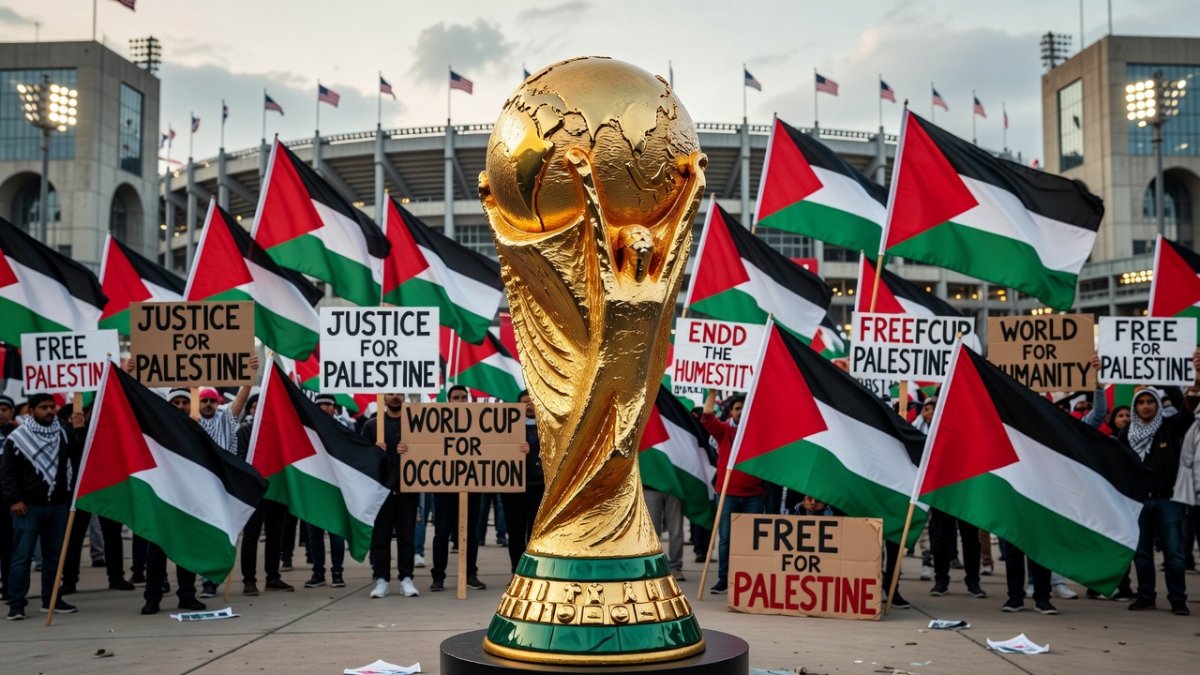
Oborne's Core Argument Presented in the Video
Oborne states that hosting the tournament across American cities while the United States continues to provide billions in military aid to Israel creates an unacceptable moral inconsistency. He notes that the US has used its veto power at the Security Council to prevent stronger international action on Gaza. The journalist draws on documented casualty figures and destruction in Gaza to support his position that participation would normalize policies widely criticized by human rights organizations.
Local observers in Ramallah point out that the tournament's scale, with 104 matches planned mostly on US soil, amplifies the visibility of this contradiction. Oborne emphasizes that sporting events have historically served as platforms for political statements when governments face sustained international pressure.
Historical Parallels to Sporting Boycotts Against Apartheid
Activists in the occupied territories frequently reference the successful sporting isolation of South Africa during apartheid. The exclusion of South African teams from international competitions contributed to internal and external pressure that helped end the system of racial segregation. Palestinian civil society groups argue that similar measures against the United States could highlight the human cost of sustained military support for Israel.
Community leaders in villages near Hebron describe how restrictions on land access and water resources have intensified in recent years. They see the proposed boycott as one tool among several that could shift public discourse in countries providing diplomatic cover. Figures from the BDS movement have issued statements supporting targeted cultural and sporting pressure without calling for blanket exclusion of athletes from the US, Canada or Mexico.
Scale of US Military Assistance to Israel
Official US records show annual military aid packages to Israel exceeding 3.8 billion dollars, including funding for precision-guided munitions used in Gaza operations. Congressional appropriations have continued without interruption despite repeated reports from UN agencies documenting civilian infrastructure damage. Oborne highlights that this assistance occurs alongside repeated vetoes of ceasefire resolutions at the Security Council.
Economists in Bethlehem note that prolonged conflict has disrupted tourism and agricultural exports that once supported many West Bank households. The combination of aid flows and diplomatic protection, they argue, sustains conditions that make daily life increasingly difficult for ordinary Palestinians.
Daily Realities for Families in the West Bank and Gaza
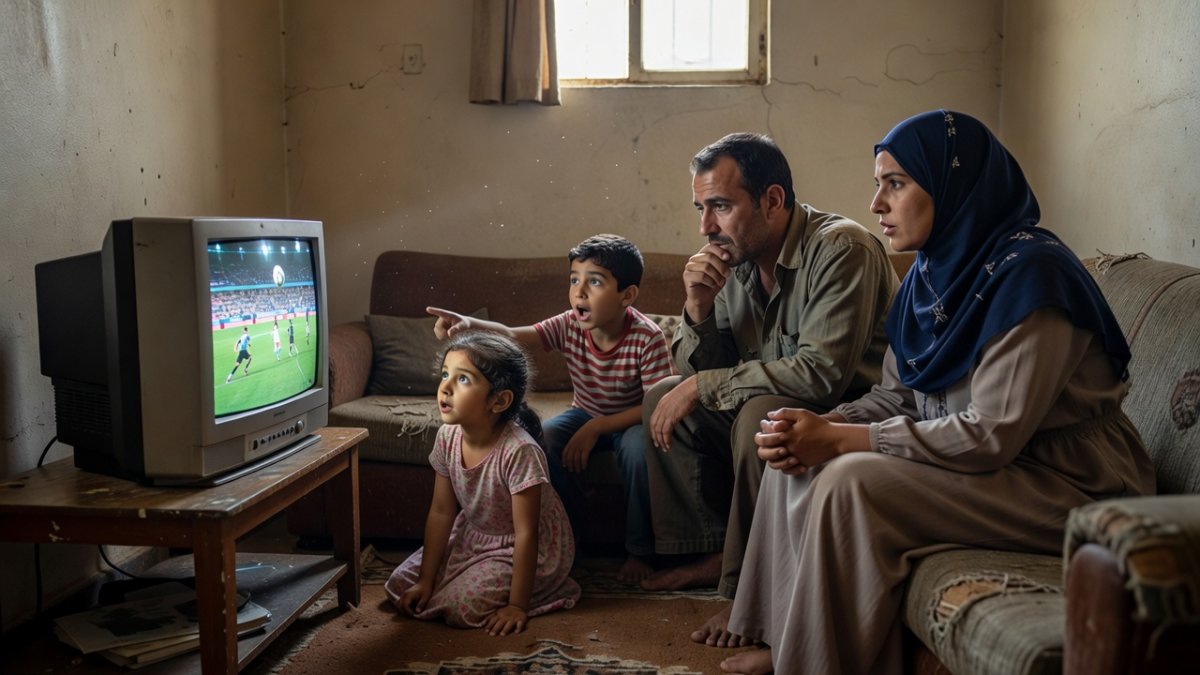
Residents in areas such as Nablus and Khan Younis describe interrupted schooling, limited medical access and frequent checkpoints that extend travel times for basic necessities. Mothers report that children experience heightened anxiety during periods of escalated military activity. These conditions form the backdrop against which calls for a World Cup boycott gain traction among local advocacy networks.
Health workers in Gaza hospitals have documented shortages of essential medicines and equipment, attributing part of the strain to the cumulative effects of blockade policies supported by US diplomatic positions. Oborne's video connects these documented hardships to the broader question of whether global sporting events should proceed without conditions.
Analysis and Implications for International Sport
The proposal to boycott the 2026 tournament raises questions about the relationship between international sporting bodies and the foreign policies of host nations. FIFA has historically maintained that politics should remain separate from football, yet past decisions on South Africa demonstrate that sustained campaigns can influence governance decisions. Palestinian civil society organizations continue to document specific cases of home demolitions and land confiscation that they link to the same military apparatus receiving US support.
Whether the boycott gains momentum will depend on coordination among European football associations, player unions and fan groups. Oborne suggests that early public discussion could encourage athletes and federations to consider the human consequences of participation. The debate also intersects with existing BDS campaigns targeting academic and cultural exchanges with institutions tied to Israeli settlement policies.
Communities across the occupied territories watch these developments closely, viewing any international pressure as potential leverage in negotiations over movement, resources and security arrangements that shape their daily existence.
By Fatima Al-Rashid, Staff Writer
This article was produced with AI-assisted research and editorial support. Reporting is based on sources cited in the article.
What's Your Reaction?
 Like
0
Like
0
 Dislike
0
Dislike
0
 Love
0
Love
0
 Funny
0
Funny
0
 Wow
0
Wow
0
 Sad
0
Sad
0
 Angry
0
Angry
0

Gulf/MENA Correspondent at Global1.News. Based in Doha, covering Gulf politics, energy markets, diplomacy, and development across the Middle East and North Africa. Tracks the economic transformation of the Gulf states.










Comments (0)