
North Korean Soldiers Captured in Ukraine Seek Defection to South Korea
**Keywords:** North Korean soldiers, Ukraine POWs, South Korea defection, Article 3 ROK Constitution, Geneva Conventions, Cho Hyun, Andrii Sybiha, inter-Korean relations, North Korean defectors, Kursk deployment, MOFA policy, humanitarian repatriation The protracted negotiations surrounding two North Korean soldiers captured by Ukrainian forces illustrate the intricate intersec
The protracted negotiations surrounding two North Korean soldiers captured by Ukrainian forces illustrate the intricate intersection of constitutional mandates, international humanitarian law, and the enduring division of the Korean Peninsula. This case, unfolding across multiple capitals, underscores how battlefield developments in Europe reverberate through Seoul’s foreign policy apparatus and its long-standing commitment to protecting individuals who share ethnic Korean lineage.
North Korean Soldiers Captured in Ukraine Pursue Relocation to South Korea Under Constitutional Protections
Seoul, South Korea — July 1, 2026
The Captured Soldiers and Their Plea
In early 2025, Ukrainian forces detained two North Korean soldiers deployed to Russia’s Kursk region as part of Pyongyang’s military support for Moscow. Identified by the call signs Rimoh, a 27-year-old sniper, and Baekmoh, a 22-year-old rifleman, the pair have consistently expressed their desire to relocate to South Korea rather than return to the Democratic People’s Republic of Korea. Their situation highlights the human dimension of North Korea’s overseas troop commitments, which have drawn international scrutiny for violating UN sanctions regimes.
These soldiers’ requests align with patterns observed among previous North Korean defectors who have sought protection in the South after exposure to external environments. Ukrainian authorities have held the men in accordance with Geneva Conventions protocols governing prisoners of war, creating a legal framework that prioritizes individual choice in repatriation decisions.
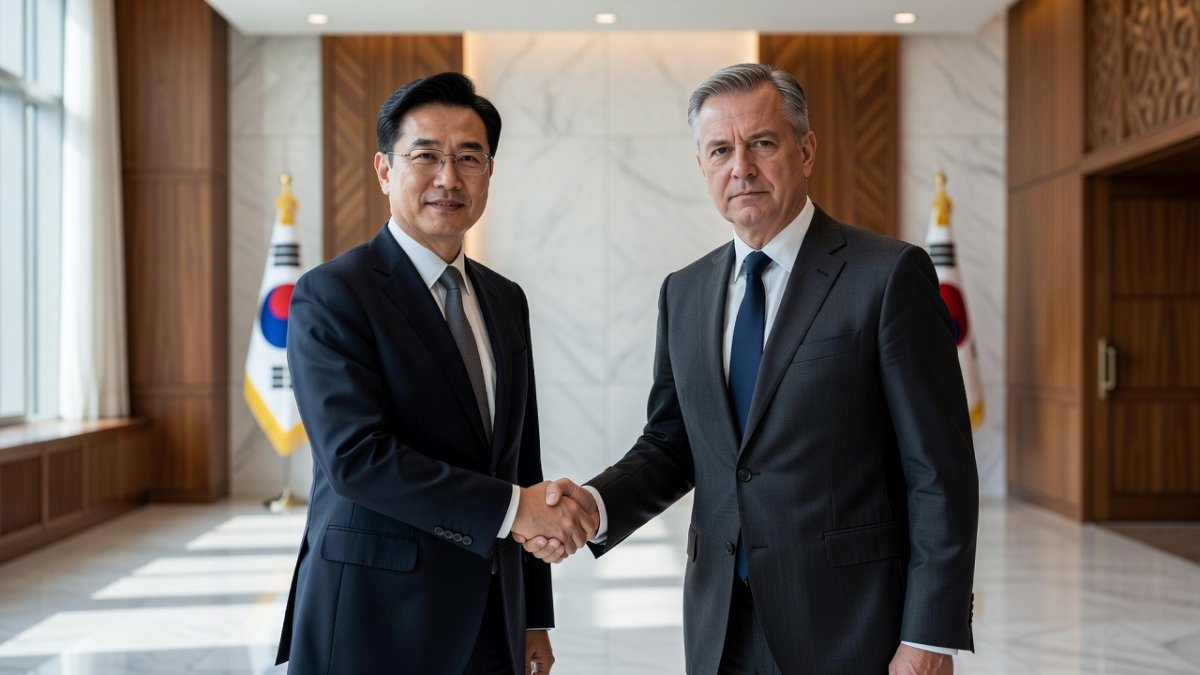
Seoul's Constitutional and Legal Obligations
Article 3 of the Republic of Korea Constitution establishes that the territory of the Republic of Korea encompasses the Korean Peninsula and its adjacent islands, thereby extending citizenship to all Koreans, including those residing in the North. This provision has historically guided South Korea’s approach to defectors, obligating the state to provide protection and resettlement support under the North Korean Defector Protection and Settlement Support Act. In the present case, this constitutional clause directly informs Seoul’s position that the captured soldiers qualify for relocation if they so choose.
Scholars of Korean constitutional law note that this framework creates both opportunities and diplomatic frictions when third countries hold North Korean nationals. The Ministry of Unification typically manages defector intake, yet the involvement of foreign governments introduces additional layers of coordination with international bodies.
The June 23 Policy Announcement
On June 23, 2026, South Korea’s Ministry of Foreign Affairs publicly stated that Seoul would accept all North Korean prisoners of war who wish to relocate to the South. This announcement formalized a policy stance that had been developing through internal deliberations, reflecting both humanitarian considerations and strategic signaling toward Pyongyang. The declaration drew upon existing legal precedents while acknowledging the unique circumstances created by the soldiers’ capture on Ukrainian territory.
Implementation of such policies requires careful sequencing, as past defector arrivals have demonstrated the need for thorough security screenings and resettlement planning. The Ministry of Foreign Affairs emphasized that any transfers would proceed only after verification of the individuals’ intentions and in coordination with relevant international partners.
Foreign Ministers Meet in Seoul
On June 30, 2026, Foreign Minister Cho Hyun hosted Ukrainian Foreign Minister Andrii Sybiha in Seoul during the first visit by a Ukrainian foreign minister to South Korea in eleven years. Their discussions addressed the repatriation question explicitly, with both sides agreeing that the matter should be resolved according to international law and humanitarian principles. The meeting produced a joint understanding that emphasized due process rather than immediate transfer, reflecting the complexities of coordinating among multiple state actors.
This bilateral engagement builds upon South Korea’s broader diplomatic outreach to Ukraine since 2022, including humanitarian assistance and coordination within multilateral forums. The eleven-year gap since the previous Ukrainian foreign ministerial visit underscores the significance of elevating the POW issue to the highest diplomatic levels.
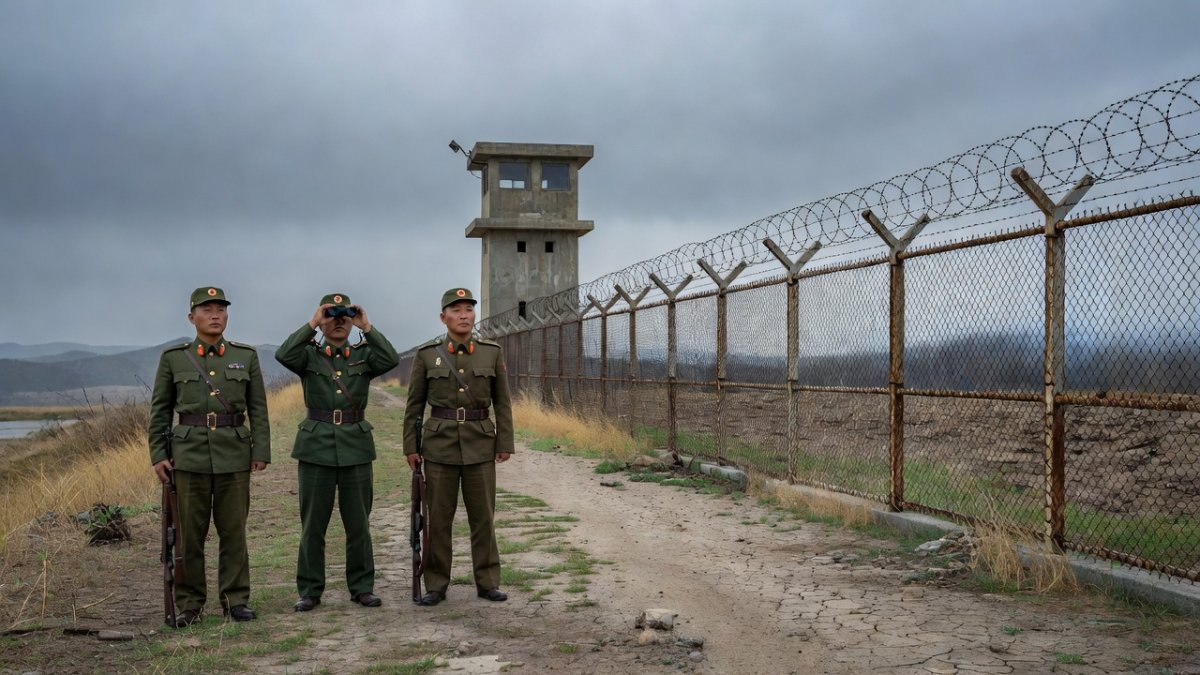
Diplomatic and Legal Hurdles
The process has extended over many months due to overlapping legal regimes, including the Geneva Conventions’ provisions on prisoner repatriation, Russian diplomatic representations, and the need for trilateral coordination among Seoul, Kyiv, and international organizations. Ukrainian authorities must balance their obligations toward prisoners with the practicalities of wartime logistics, while South Korean officials navigate domestic resettlement infrastructure and potential North Korean retaliation.
Historical precedents from earlier defection cases show that such matters rarely conclude swiftly. Inter-Korean relations remain sensitive to any perceived expansion of South Korea’s defector intake programs, and Pyongyang has previously characterized similar actions as hostile. The current negotiations therefore require calibrated messaging to avoid escalation on the peninsula while upholding humanitarian commitments.
Looking Ahead
Resolution of the soldiers’ status will likely depend on sustained diplomatic engagement and the establishment of secure transfer mechanisms acceptable to all parties. Should the men ultimately reach South Korea, their experiences could contribute to broader understanding of North Korean military operations abroad and inform future policy refinements regarding overseas defectors. The case continues to test the practical application of Article 3 in an era of complex multinational conflicts.
By Prof. David Park, Staff Writer
This article was produced with AI-assisted research and editorial support. Reporting is based on sources cited in the article.
What's Your Reaction?
 Like
0
Like
0
 Dislike
0
Dislike
0
 Love
0
Love
0
 Funny
0
Funny
0
 Wow
0
Wow
0
 Sad
0
Sad
0
 Angry
0
Angry
0
East Asia/Technology Correspondent at Global1.News. Seoul-based voice covering Korean politics, technology, business, and culture. Analyzes how technology and geopolitics intersect across East Asia.











Comments (0)