
NEET UG 2026 Re-Exam: From Paper Leak to June 21 Retest - A Crisis of Credibility in India's Medical Entrance System
On June 21, 2026, nearly 22.75 lakh medical aspirants across India will sit for the re-conducted NEET UG examination — a retest necessitated by one of the most significant examination integrity breaches in the country's educational history. The road from May 3 to June 21 has been marked by a CBI investigation, student protests, and at least six aspirant suicides. NEET UG 2026 R
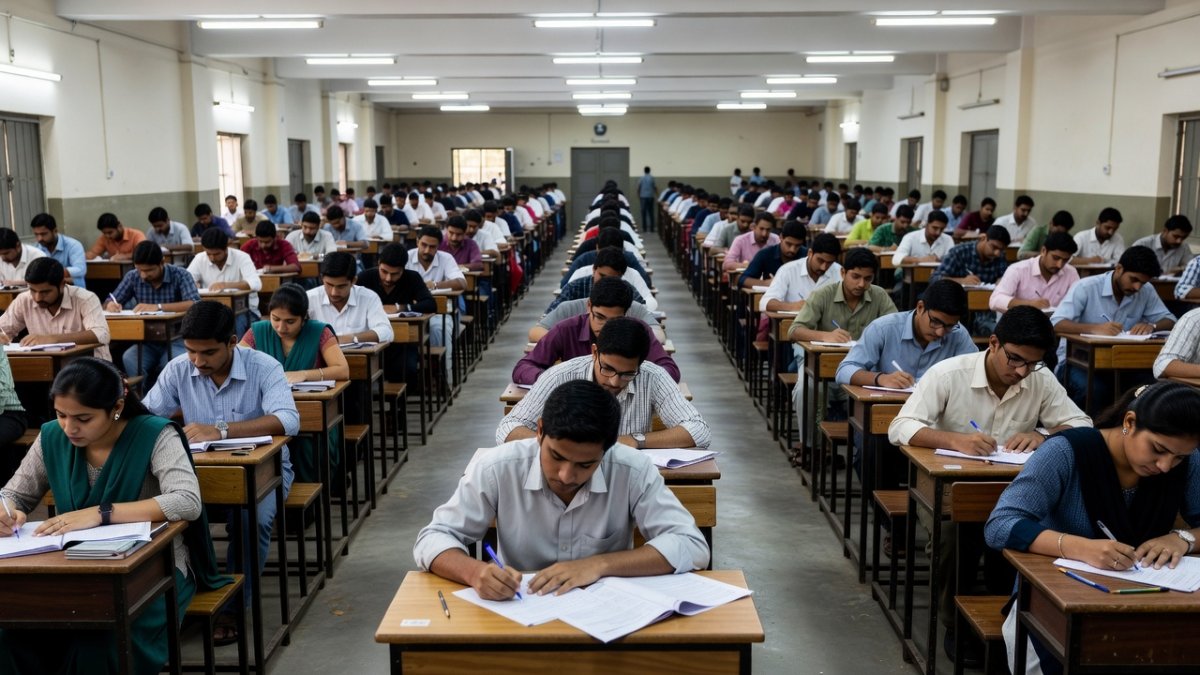
On June 21, 2026, nearly 22.75 lakh medical aspirants across India will sit for the re-conducted NEET UG examination — a retest necessitated by one of the most significant examination integrity breaches in the country's educational history. The road from May 3 to June 21 has been marked by a CBI investigation, student protests, and at least six aspirant suicides.
NEET UG 2026 Re-Exam: From Paper Leak to June 21 Retest — A Crisis of Credibility in India's Medical Entrance System
New Delhi, India – June 20, 2026 — When the National Testing Agency (NTA) conducted the NEET UG 2026 examination on May 3, 22,75,011 candidates had registered for the country's premier medical entrance test. Of these, 22,05,035 actually appeared. But within days, reports of a widespread paper leak began surfacing across multiple states — from Bihar to Rajasthan to Uttar Pradesh — triggering a chain of events that would lead to the exam's cancellation, a CBI investigation, and now, a high-stakes retest scheduled for tomorrow afternoon.
The Paper Leak: How It Unfolded
The original NEET UG 2026 examination was held on May 3 across 4,780 centres in 571 cities nationwide. Within 72 hours of the exam, social media platforms were flooded with screenshots of question papers that appeared to match the actual test paper. Students and parents alleged that question papers had been circulated hours before the exam in certain districts, particularly in Bihar's Patna and Muzaffarpur regions. The Ministry of Education, led by Union Minister Dharmendra Pradhan, admitted on May 12 that a breach had occurred, announcing the cancellation of the exam and the launch of a CBI probe into the leak. At least seven individuals were arrested in connection with the leak in the initial weeks of the investigation, with more arrests following as the CBI expanded its scope across state boundaries.
The Human Cost: Six Aspirant Suicides
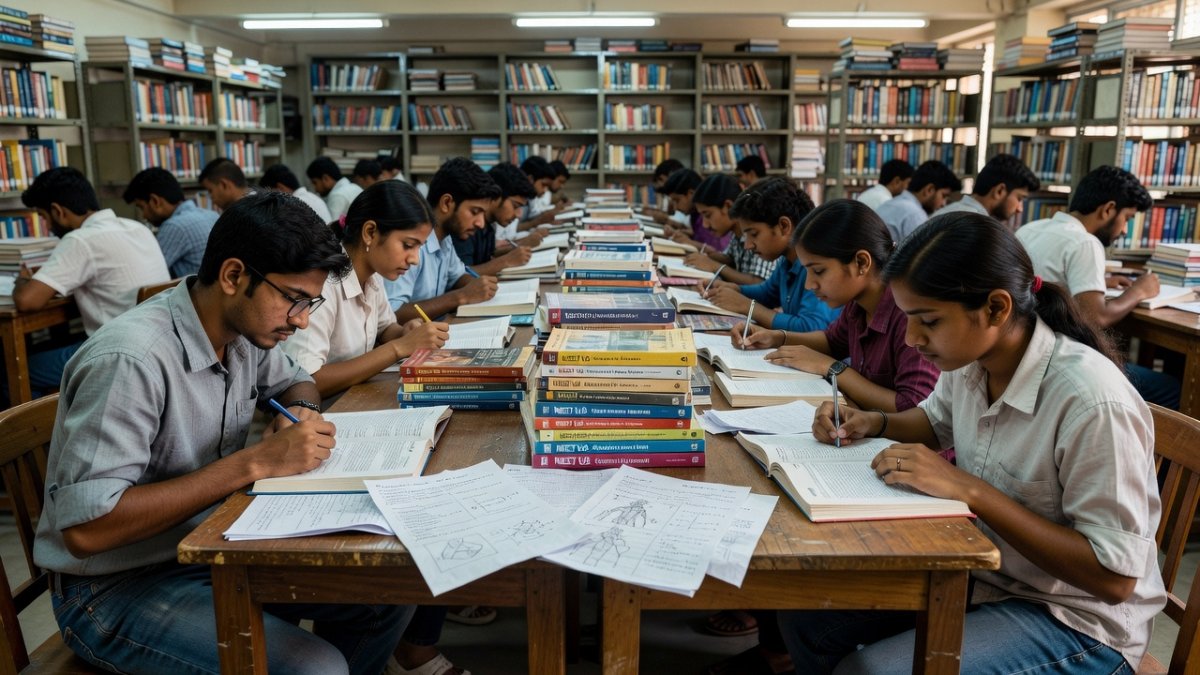
The fallout from the paper leak extended beyond administrative chaos. Between May 3 and June 10, at least six NEET UG aspirants, all of whom were high performers in their pre-exam mock tests, died by suicide — in Kota (Rajasthan), Sikar (Rajasthan), Jaunpur (Uttar Pradesh), Muzaffarpur (Bihar), Delhi, and Hyderabad (Telangana). Each case was linked by a common thread: students who had prepared rigorously for two or more years expressed despair over the compromised examination process. The Kota police documented three of these cases, with suicide notes citing "uncertainty over exam integrity" as a contributing factor. The Ministry of Education announced a mental health helpline on May 20, routing calls through the National Toll-Free Mental Health Helpline at 14416, but counselling infrastructure remains inadequate for the scale of distress — India has approximately 0.75 psychiatrists per 100,000 population, far below the WHO-recommended 1 per 100,000.
The NTA's Response: Security Overhaul and Logistical Challenges
In response to the crisis, the NTA implemented a series of security measures unprecedented for the medical entrance exam. Question papers for the June 21 retest are being transported under armed escort, with the Indian Air Force (IAF) providing aerial transport for question paper delivery to select states including Telangana, Andhra Pradesh, and the northeastern states. Each examination centre will have mandatory CCTV surveillance, metal detector screening, and at least two invigilators per 30-student room. The NTA has also barred candidates from carrying any electronic devices — including basic calculators and digital watches — into examination halls. Education Minister Dharmendra Pradhan confirmed on May 14 that the retest will be conducted free of charge, with no fresh registration required, and that students will receive an additional 15 minutes of examination time as compensation for the disruption. The exam will run from 2:00 PM to 5:15 PM in offline pen-and-paper mode, with admit cards released on June 14 through the official portal at neet.nta.nic.in.
From Pen-and-Paper to CBT: A Delayed Transition
A significant outcome of the NEET UG 2026 crisis may be the acceleration of the NTA's long-pending transition from pen-and-paper to computer-based testing (CBT). NTA officials confirmed to a parliamentary panel on June 8 that while the June 21 retest will remain in offline format, the agency has committed to shifting NEET UG to CBT mode from 2027 onwards. The panel, chaired by former Union Minister Digvijay Singh, noted in its interim report that pen-and-paper examinations remain "inherently vulnerable" to large-scale leaks due to the physical distribution chain — a chain that involves multiple intermediaries across thousands of kilometres. The transition to CBT, which the JEE Main has already adopted successfully, would eliminate physical paper transport and reduce the window for breaches. However, the panel also flagged concerns about digital infrastructure equity: 42% of India's rural government schools lack functional computer labs, raising questions about whether a CBT-based NEET would favour urban, better-equipped candidates.
What This Means for India's Medical Education Pipeline
The NEET UG 2026 episode strikes at the foundation of India's medical education system. NEET UG is the single gateway for approximately 1.08 lakh MBBS seats across 706 medical colleges in the country, including at premier institutions such as AIIMS (New Delhi, Jodhpur, Rishikesh, Bhubaneswar, among others), JIPMER (Puducherry), and state government medical colleges. A crisis of credibility in this examination system has cascading effects: delayed counselling timelines, compressed academic calendars, and — most critically — erosion of trust among students from economically weaker sections who invest disproportionately in preparation. The 27% OBC, 10% EWS, and 15% SC reservation quotas are meaningless if the examination itself is compromised. For the 22 lakh candidates and their families, the June 21 retest represents not just a second chance at a medical seat, but a test of whether India's examination system can be salvaged.
The Bottom Line
The NEET UG 2026 re-examination on June 21 represents the most significant stress test of India's examination security infrastructure since the 2018 NEET paper leak that affected 26 districts. With IAF involvement in logistics, CBI oversight, and the NTA's publicly stated transition to computer-based testing from 2027, the government has signalled that it recognises the gravity of the crisis. But for the six families who lost children in the aftermath, and for the 22 lakh aspirants walking into examination halls tomorrow, no amount of administrative overhaul can restore what was lost: the confidence that a nation's most important medical entrance exam is fair, secure, and worthy of their years of preparation.
— By Dr. Raj Patel, Staff Writer
This article was produced with AI-assisted research and editorial support. Reporting is based on sources cited in the article.
What's Your Reaction?
 Like
0
Like
0
 Dislike
0
Dislike
0
 Love
0
Love
0
 Funny
0
Funny
0
 Wow
0
Wow
0
 Sad
0
Sad
0
 Angry
0
Angry
0

India/South Asia Correspondent at Global1.News. Analytical voice with a background in science and health journalism. Based in New Delhi, covering Indian politics, education, healthcare, technology, and policy. Breaks down complex data into clear, actionable reporting.















Comments (0)