
Morocco’s Chikhates Get Their Due in Nabil Ayouch’s New Film
The Marrakech International Film Festival has long been a platform where Moroccan cinema meets the global stage, but the 2024 edition offered something truly special — a cinematic love letter to one of the country's most misunderstood yet culturally vital traditions. Nabil Ayouch's "Everybody Loves Touda" premiered at the festival to critical acclaim, placing the spotlight firm
The Marrakech International Film Festival has long been a platform where Moroccan cinema meets the global stage, but the 2024 edition offered something truly special — a cinematic love letter to one of the country's most misunderstood yet culturally vital traditions. Nabil Ayouch's "Everybody Loves Touda" premiered at the festival to critical acclaim, placing the spotlight firmly on the Chikhates, the female master singers of the ancient Aïta tradition. Part tribute and part cultural reclamation, the film is already sparking conversations across North Africa about gender, tradition, and the power of women's voices in Moroccan society.
"Everybody Loves Touda": Nabil Ayouch's Cinematic Tribute to Morocco's Chikhates Premieres at Marrakech Film Festival
Dakar, Senegal — The story of the Chikhates has never been easy to tell. These are women who sing of love and loss, of pleasure and pain, of colonial oppression and personal freedom — all while navigating a society that simultaneously celebrates their artistry and judges their visibility. Nabil Ayouch's "Everybody Loves Touda," which premiered at the 21st Marrakech International Film Festival in December 2024, takes on this complex legacy with the tenderness and fire it deserves.
The Chikhates: Morocco's Forgotten Feminist Tradition
The Chikhates, also known as Cheikhates, are the female master singers of Aïta music, a tradition rooted deeply in rural Moroccan life. Aïta, which means "cry" or "lament" in Arabic, emerged from the regions of Doukkala, Abda, and Chaouia, where women used their voices to express the full spectrum of human experience. Their performances feature raw, expressive vocals in Moroccan Arabic, known as Darija, often structured around call-and-response patterns that invite audiences to participate in the storytelling.
Traditional instruments anchor the sound: the bendir, a resonant frame drum that sets the rhythmic heartbeat, and the guembri, a three-string lute that weaves melodic threads through the laments. Themes range from love and betrayal to social injustice, migration, and spirituality, delivered with a directness that sometimes turns earthy. This boldness allowed the Chikhates to occupy an ambiguous social position — admired for their talent yet historically stigmatized by conservative society for singing publicly in mixed-gender settings.
Their art carried subversive power in patriarchal Morocco. The historical figure Kharboucha from the Abda region famously used Aïta songs to denounce French colonial tyranny and the complicity of local caids. She was imprisoned, tortured, and ultimately killed for her outspokenness, yet her story has been dramatized in film and stands as a lasting symbol of resistance through art. Such courage positioned the Chikhates as early voices of what has been described as "féminisme à l'état pur," a grassroots feminism that predates modern movements.
Long before organized feminist campaigns, these women publicly voiced their desires, criticized social norms, and claimed cultural power on their own terms. Their performances created spaces where women could lament personal and collective wounds while asserting dignity. This legacy of vernacular feminism continues to resonate, reminding audiences that the Chikhates were never merely entertainers but keepers of memory and agents of quiet defiance.
Today, their tradition reminds us that cultural power often resides with those who dare to speak plainly. The Chikhates transformed personal expression into communal catharsis, ensuring that Aïta remained a living archive of Moroccan women's realities across generations.
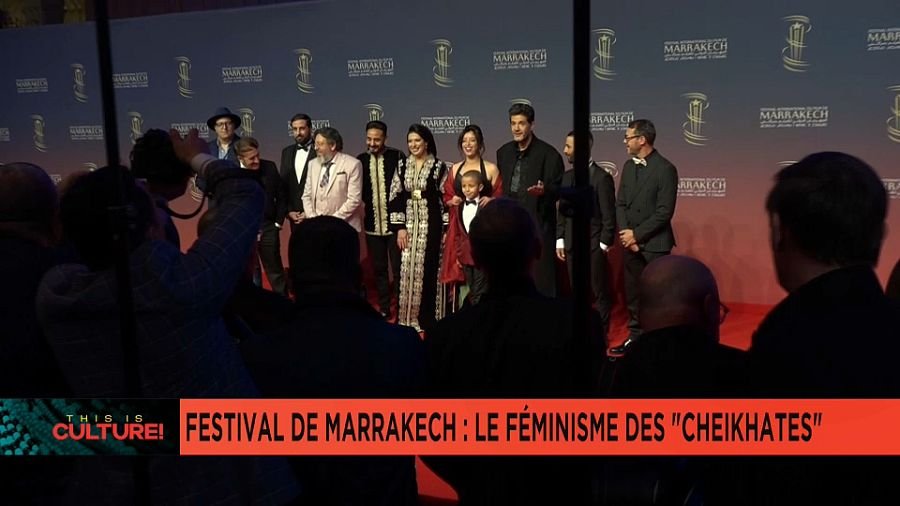
Nabil Ayouch's Journey to "Everybody Loves Touda"
Nabil Ayouch, the Moroccan-French filmmaker behind such acclaimed works as Horses of God (2012), Razzia (2017), and Much Loved (2015), has long woven Chikhates into his cinematic universe as secondary characters. Those earlier appearances hinted at a deeper fascination with these women whose voices carried both celebration and stigma. The decision to center an entire film on them marked a natural evolution in his storytelling.
The spark for "Everybody Loves Touda" (Tout le monde aime Touda / Fi Houb Touda) came when Ayouch discovered actress Nisrin Erradi in his wife Maryam Touzani's film Adam (2019). Erradi's presence on screen struck him immediately. He later reflected, "I found her remarkable. She had the strength of character and all the qualities I was looking for in the actress to play this role. She inspired me to write and awakened my desire to finally make a film dedicated to these incredibly courageous women, who are powerful in their expression, in their art of 'Aïta,' and who have played an important role in the country's history. This film is a way to pay tribute to them."
Ayouch approached the project with the same commitment to authenticity that defines his earlier films. He wanted to honor the Chikhates without reducing them to symbols, allowing their lived complexities to breathe on screen. The result is a narrative feature that blends fiction with cultural truth, avoiding the constraints of documentary while remaining faithful to the spirit of Aïta.
The film premiered at the 21st Marrakech International Film Festival in December 2024, an edition that showcased more than 70 films from 32 countries. Its release in Moroccan cinemas on December 11, 2024, brought the story directly to local audiences who have long lived alongside this tradition. The timing felt deliberate, arriving when conversations about women's roles in Moroccan culture were already gaining momentum.
Throughout the process, Ayouch remained grounded in the knowledge that he was not inventing these women but amplifying voices that had always existed. His journey reflects a broader desire among Moroccan filmmakers to reclaim narratives that once lived only in oral memory.
Nisrin Erradi's Transformative Performance as Touda
Nisrin Erradi approached the role of Touda with total commitment, declining other projects for two years to focus solely on mastering the character. She immersed herself in the world of the Chikhates, studying their vocal techniques, physical presence, and emotional resilience. The preparation demanded both technical precision and deep emotional excavation.
Erradi has spoken openly about her connection to the material. "At my core, I am a strong woman, and I love playing characters like that. The chikhates are strong women who need someone to tell their stories. I think I did justice to the role of a chikhate, amplifying their voices to be heard around the world." Her performance captures the tension between public admiration and private judgment that defines the Chikhates' existence.
Leaving the character behind proved unexpectedly difficult. Touda stayed with her long after filming wrapped, a testament to how fully Erradi inhabited the role. The film remains a narrative feature, a drama rather than a documentary, yet Erradi's work grounds the story in lived cultural reality that feels documentary-adjacent in its authenticity.
This performance marks a milestone for Moroccan actresses portraying culturally significant figures. Erradi brings nuance to a woman who must navigate desire, danger, and dignity simultaneously. Her portrayal ensures that Touda emerges not as an archetype but as a fully realized human being whose voice carries the weight of generations.
Audiences have responded to the honesty Erradi brings to the screen. Her willingness to sit with discomfort and joy alike mirrors the Chikhates' own refusal to sanitize their art for external approval.
Aïta Music and Its Place in Morocco's Cultural Renaissance
Aïta functions as living oral storytelling, preserving histories that official records often overlook. The call-and-response vocal style creates dialogue between singer and audience, turning each performance into a shared act of remembrance. Lyrics address love, betrayal, social injustice, and spiritual longing with unflinching clarity, making the genre both entertainment and archive.
The bendir and guembri remain central, their sounds evoking the rural landscapes where Aïta first took root. Contemporary revival efforts have brought renewed attention to the tradition through documentaries, academic study, and the emergence of all-female groups entering spaces once dominated by men. "Everybody Loves Touda" participates in this renaissance by carrying Aïta to international audiences who might otherwise never encounter it.
Similar dynamics appear across North Africa. Algerian Raï and Moroccan Gnawa traditions have also seen women pushing boundaries within historically male musical forms. These parallel movements suggest a regional awakening in which female artists reclaim space within cultural expressions long associated with resistance and resilience.
African cinema has increasingly turned toward such marginalized figures, reclaiming their stories on the continent's own terms. Senegalese films exploring griottes and Malian works examining traditional female singers demonstrate a shared impulse to honor women whose art sustained communities through difficult times. The Chikhates fit naturally into this growing cinematic conversation.
The genre's revival signals more than nostalgia. It reflects active cultural reclamation, where younger artists and filmmakers recognize the Chikhates as vital links between past struggles and present possibilities.
A Senegalese Lens: Parallels Across West Africa
In Senegal, the tradition of female praise singers known as griottes or géwél shares striking similarities with the Chikhates. These women command respect through oral tradition while navigating complex social positions that blend admiration with constraint. Both traditions position women as keepers of memory who must balance artistic freedom against societal expectations.
Youssou N'Dour's Mbalax tradition carries its own lineage of powerful female vocalists who address women's lived realities. The themes in "Everybody Loves Touda" resonate with how artists across West Africa, from Baaba Maal's collaborators to Mali's Oumou Sangaré, have used music to confront issues of gender, justice, and cultural identity.
Cross-pollination between Moroccan and Senegalese cinema continues to grow. The Kourtrajmé film school established in Senegal by Nicolas Ayouch's collective has strengthened these ties, creating pathways for shared storytelling. African film festivals such as FESPACO in Ouagadougou and the Durban International Film Festival increasingly showcase works that center traditional female figures.
This Pan-African cinematic moment allows stories like that of the Chikhates to travel beyond national borders. Audiences in Dakar recognize familiar tensions in Touda's journey, even as the cultural details remain distinctly Moroccan.
What the Film Means for African Cinema
The Marrakech International Film Festival stands as one of the MENA region's largest cinematic events, and "Everybody Loves Touda" exemplifies a growing trend of African filmmakers returning to traditional cultural figures. The film contributes to a cinema of dignity that resists both Western exoticization and local conservative erasure.
By centering the Chikhates, Ayouch participates in a broader reclamation of narratives that have too often been told from outside the continent. The story honors women whose art served as resistance long before cameras arrived, ensuring their legacy reaches new generations on their own terms.
The 23rd edition of the festival, scheduled for November 20-28, 2026, will likely continue conversations sparked by this premiere. Films like "Everybody Loves Touda" set a tone for future programming that values cultural depth alongside cinematic craft.
African cinema's renaissance depends on such acts of reclamation. When filmmakers tell stories rooted in local realities with global resonance, they expand the possibilities for what the continent's screens can hold.
A New Chapter for the Chikhates
"Everybody Loves Touda" has opened a fresh chapter in how Moroccans and international audiences perceive the Chikhates. Nisrin Erradi's hope that their voices would be "heard around the world" is becoming reality as the film travels festivals and cinemas beyond North Africa. The Chikhates' ambiguous social position — admired yet stigmatized — receives nuanced treatment that honors their courage without romanticizing their struggles.
Upcoming projects focused on North African female performers suggest the momentum will continue. These efforts build on the foundation laid by Ayouch's film, creating space for multiple perspectives on traditions that have long deserved sustained attention.
African audiences can take away the power of telling one's own stories and the recognition that traditional art forms have always served as sites of feminist resistance. The Chikhates' example shows that cultural power often begins with women willing to sing what others prefer to silence.
The dignity of these women finally receives its cinematic due. For African women everywhere whose stories have waited to be told, "Everybody Loves Touda" offers both tribute and invitation — a reminder that voices once pushed to the margins can still shape the center.
By Amara Diop, Staff Writer
This article was produced with AI-assisted research and editorial support. Reporting is based on sources cited in the article.
What's Your Reaction?
 Like
0
Like
0
 Dislike
0
Dislike
0
 Love
0
Love
0
 Funny
0
Funny
0
 Wow
0
Wow
0
 Sad
0
Sad
0
 Angry
0
Angry
0

West Africa/Sahel Correspondent at Global1.News. Dakar-based journalist covering politics, security, climate, and development across Francophone and Anglophone West Africa. Tells the stories of a region undergoing profound transformation.














Comments (0)