
World Cup Opener Hit by Protests in Mexico City Amid CNTE Strike and Missing Persons Crisis
Protests Disrupt 2026 World Cup Opener in Mexico City Violent clashes outside Estadio Azteca on June 11, 2026, involved CNTE teachers and families of the disappeared during Mexico's 2-0 win over South Africa, highlighting deep social tensions under President Sheinbaum. World Cup Opener Marred by Protests The DW News video titled "World Cup opener hit by protests" at https://www
World Cup Opener Marred by Protests
The DW News video titled "World Cup opener hit by protests" at https://www.youtube.com/watch?v=Bc4Bc5kvJYI captured the immediate scenes of unrest outside Estadio Azteca on June 11, 2026, as Mexico hosted the opening match of the FIFA World Cup co-hosted by the United States, Mexico, and Canada with 48 teams competing through July 19.
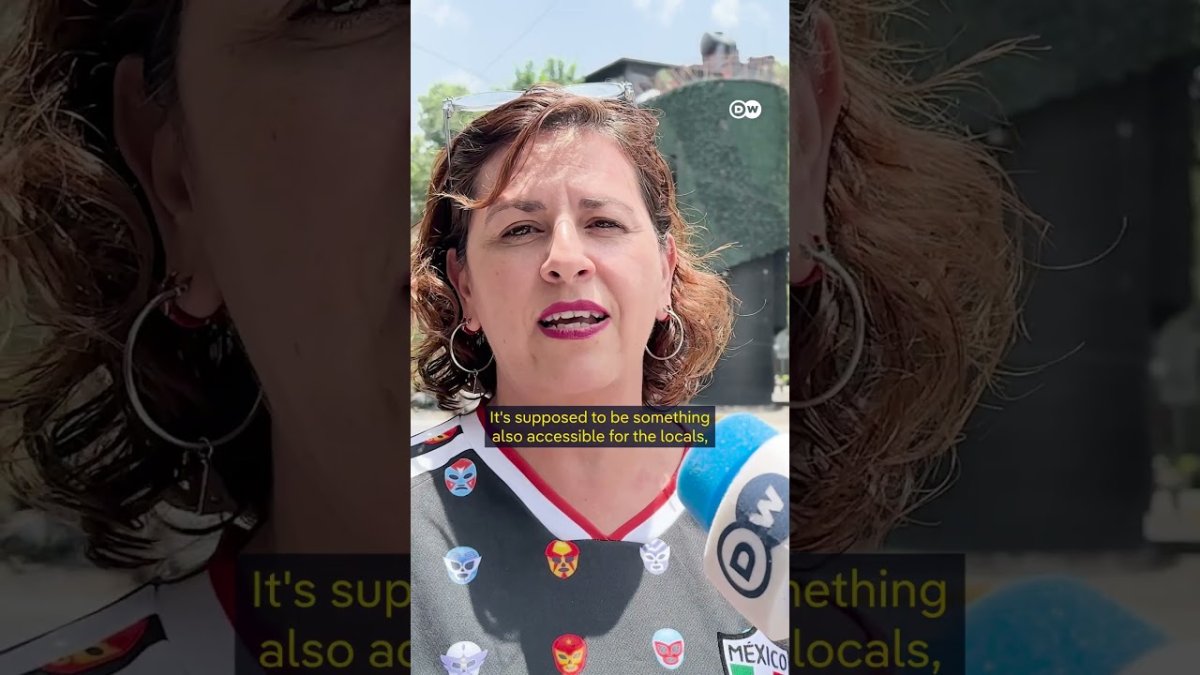
Mexico defeated South Africa 2-0 in the tournament's first game at the historic venue in the Tlalpan borough, marking the nation's third time hosting a World Cup opener after 1970 and 1986.
Protester groups gathered from early morning, drawing direct attention to longstanding grievances that overshadowed the cultural displays planned for the event.
Clashes Erupt Outside Estadio Azteca
Violent clashes broke out between riot police and multiple protester groups directly outside the stadium, with the Guardia Nacional deployed alongside local police forces using tear gas and rubber bullets to disperse crowds.
Amnesty International issued immediate calls for the protection of peaceful protesters amid the confrontations that unfolded in full view of arriving fans and media.
The Estadio Azteca, which has hosted World Cup matches since 1970, became the focal point of these tensions as security measures intensified around the perimeter.
Officers formed lines to prevent groups from advancing toward the entrances while demonstrators chanted demands tied to economic and human rights issues affecting communities nationwide.
CNTE Teachers Union Strike Demands
The CNTE, the National Coordinator of Education Workers, a powerful leftist teachers union based in Oaxaca and spread nationwide, had been on strike since June 1, demanding a salary increase, reversal of the 2007 ISSSTE pension reform, and better working conditions.
The strike lasted 20 days and ended around June 20, directly affecting teachers from rural communities and urban colonias who traveled to Mexico City to join the World Cup protests.
The 2007 ISSSTE law dismantled the solidarity-based pension scheme and shifted workers to individual accounts, leaving many educators with reduced retirement security that continues to fuel organized actions.
These teachers integrated their ongoing labor concerns into the demonstrations outside Estadio Azteca, linking education funding shortfalls to broader national priorities during the tournament.
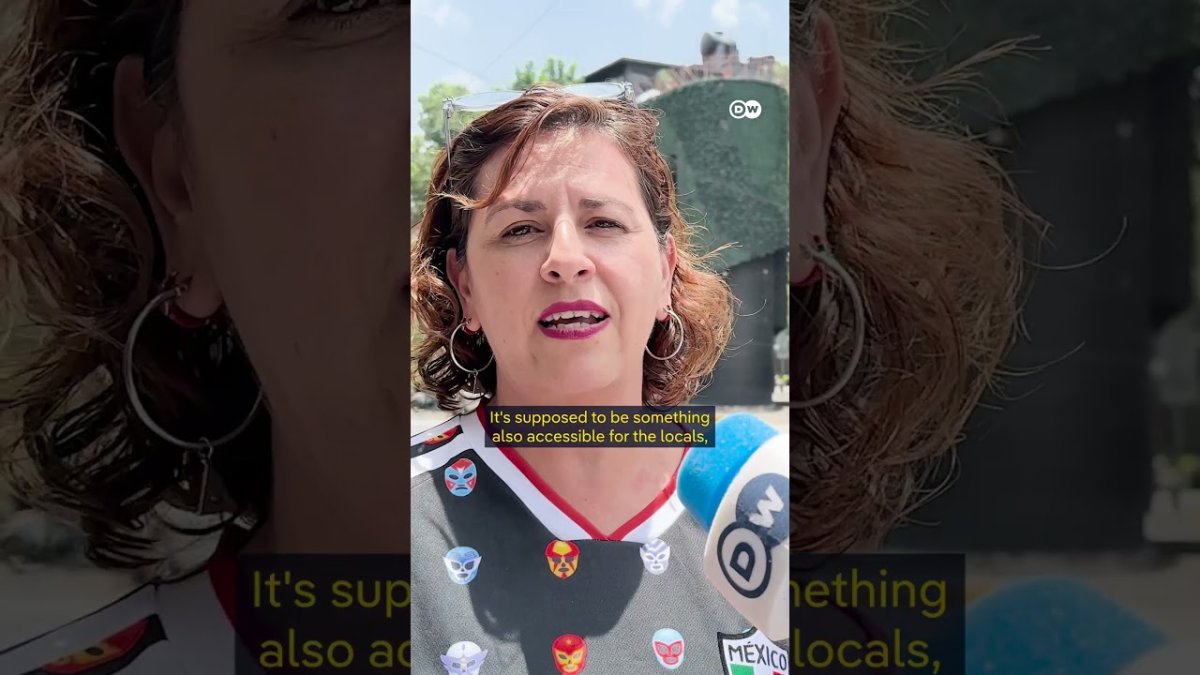
Voices of the Disappeared: Buscadoras Protest
Families of Mexico's over 133,000 disappeared persons, one of the highest rates globally, formed a visible presence among the protesters, with women's buscadoras searcher collectives from Guerrero, Jalisco, and other states leading searches for missing loved ones.
Over 100,000 people have gone missing in Mexico over two decades, many linked to organized crime and cartel violence that has devastated communities across multiple states.
Buscadoras have located mass graves and clandestine burial sites throughout the country, bringing personal testimonies of loss directly to the stadium area on opening day.
These mothers and relatives organized marches that intersected with the CNTE actions, emphasizing how the missing persons crisis intersects with daily life in both rural villages and city neighborhoods.
Sheinbaum Administration Faces Pressure
President Claudia Sheinbaum's administration, which succeeded Andrés Manuel López Obrador in 2024 and continues the Morena party's governance, came under direct pressure over the missing persons crisis and ongoing cartel violence during the World Cup events.
The deployment of the Guardia Nacional reflected official efforts to maintain order, yet critics highlighted the need for stronger protections for families seeking justice.
Sheinbaum's government coordinated security around the Zócalo in central Mexico City, which had been converted into a Fan Fest featuring mariachi performances and cultural displays intended to celebrate Mexican heritage.
Protesters noted that resources directed toward tournament security contrasted with insufficient support for investigations into disappearances affecting thousands of households.
Economic Toll on Local Communities
Small business owners operating taquerías and street vendors near Estadio Azteca lost significant revenue as clashes and security cordons restricted customer access on June 11 and surrounding days.
These vendors, many from nearby colonias in Tlalpan, depend on match-day crowds for income that supports extended families in a city where informal commerce remains central to daily survival.
The disruption extended beyond the stadium as road closures and protest activity affected transportation routes used by workers and residents commuting through the area.
Community members described how the combination of the teachers' strike and the disappeared persons demonstrations amplified existing economic strains tied to national policy decisions.
FIFA Monitors Situation Amid Global Spotlight
FIFA stated it was monitoring the situation as protests unfolded, with the organization acknowledging the co-hosted tournament's visibility while the events at Estadio Azteca drew international attention to Mexico's internal challenges.
The 48-team format and extended schedule through July 19 placed additional focus on host nation logistics, including how local authorities managed demonstrations alongside fan zones at the Zócalo.
International observers noted the presence of the Guardia Nacional and the use of crowd control measures as the match proceeded inside the stadium despite the external unrest.
Reports from the day emphasized that the protests connected directly to pension reforms, missing persons cases, and labor conditions that affect millions of Mexican citizens beyond the sports event.
Estadio Azteca's Historic Role in Mexican Soccer
The Estadio Azteca in the Tlalpan borough stands as a landmark that has hosted World Cup matches since 1970, serving as a symbol of Mexican soccer achievement during the 2026 opener.
Mexico's third hosting of an opening game reinforced national pride in the sport even as protesters highlighted social issues that persist alongside such celebrations.
Cultural elements planned for the Fan Fest at the Zócalo aimed to showcase mariachi traditions and regional displays, yet these were overshadowed by the demonstrations occurring simultaneously.
Residents in surrounding neighborhoods viewed the historic venue as a point of community identity, now intertwined with calls for policy changes on pensions, disappearances, and public security under the current administration.
Resolving the CNTE Teachers' Strike
In recent days, the CNTE strike concluded around June 20, 2026, following intensive talks with the Secretaria de Gobernacion and the Secretaria de Educacion Publica. Union leaders and federal officials reached agreements that addressed long-standing demands while restoring classroom routines across multiple states. This outcome reflects the Morena party's firm control of both the Camara de Diputados and the Senado, allowing coordinated legislative support for education policy.
CONEVAL data continues to show that teacher salaries have lost significant purchasing power over the past decade. Families in rural communities feel the impact most sharply, as inflation outpaces wage adjustments. Negotiators used these figures to press for targeted increases tied to regional living costs.
The 2007 ISSSTE reform, enacted under President Felipe Calderon, remains a point of contention. Teachers and other public-sector workers viewed the changes as an unwelcome shift toward privatization of the pension system. Current discussions revisited those concerns to prevent similar erosion of benefits in future contracts.
Confronting Mexico's Disappearances Crisis
Mexico's tally of more than 133,000 disappeared persons stretches across multiple administrations, beginning with the Felipe Calderon years and the launch of the war on drugs. Families continue to search for answers while state institutions struggle to close cases. Sheinbaum's administration announced a national search protocol and boosted funding for the Comision Nacional de Busqueda to coordinate efforts more effectively.
INEGI statistics place Mexico among the Latin American countries with the highest impunity rates for crimes such as forced disappearance. Many files remain unresolved years after initial reports, leaving relatives without closure. The new protocol aims to standardize investigations and improve inter-agency communication.
Buscadoras from Guerrero and Jalisco have located dozens of clandestine burial sites using only basic tools and determination. Their work highlights both the scale of the tragedy and the persistence of civil society when official channels fall short. Increased resources for the CNB are intended to complement these grassroots efforts.
Cultural Gatherings at the Zocalo Fan Fest
The Zocalo Fan Fest brought residents together with lucha libre exhibitions, taquerias, tortillerias, and live music from mariachi ensembles plus regional bands from Jalisco and Veracruz. Crowds enjoyed the familiar flavors and rhythms while following global sporting action. Organizers designed the event to celebrate Mexican traditions amid the excitement of international competition.
The World Cup stands as the most-watched sporting event on the planet, with the 2022 final drawing 1.5 billion viewers. Mexican fans at the Zocalo joined that worldwide audience, waving flags and sharing moments of collective pride. Such gatherings reinforce national identity even as the country addresses deeper social challenges.
By Rosa Martinez, Staff WriterThis article was produced with AI-assisted research and editorial support. Reporting is based on sources cited in the article.
What's Your Reaction?
 Like
0
Like
0
 Dislike
0
Dislike
0
 Love
0
Love
0
 Funny
0
Funny
0
 Wow
0
Wow
0
 Sad
0
Sad
0
 Angry
0
Angry
0
Latin America/Andes Correspondent at Global1.News. Based in Bogota, covering politics, environment, energy, and social movements across the Andean region. Passionate about environmental journalism and communities protecting their land.











Comments (0)