
Bangkok Shelter Urges Long-Term Commitment Amid Surge in Dog Adoptions
Bangkok's Prawet Animal Shelter blends Buddhist compassion with modern facilities and the BKK Adopter programme to tackle the capital's stray animal challenge.
In Bangkok's bustling Prawet district, the local animal shelter stands out as a beacon of compassion amid the capital's estimated 100,000 stray dogs, blending Buddhist principles of kindness with modern upgrades to improve welfare and adoptions. Recent 2024 improvements and the new BKK Adopter programme signal a shift toward proactive rehabilitation rather than mere quarantine. This approach not only eases neighbourhood tensions but also sets an example for humane stray management across Thailand and the wider ASEAN region.
Prawet Shelter Leads Bangkok Stray Animal Welfare Push
Bangkok, Thailand — Article continues...
In Thai communities, caring for stray animals often reflects the Buddhist principle of showing kindness to all living beings. The Prawet Animal Shelter in southeastern Bangkok continues this tradition by providing temporary homes for dogs and cats while promoting long-term responsibility among residents. Its work connects directly to daily life in the capital, where an estimated 100,000 stray dogs roam the streets.
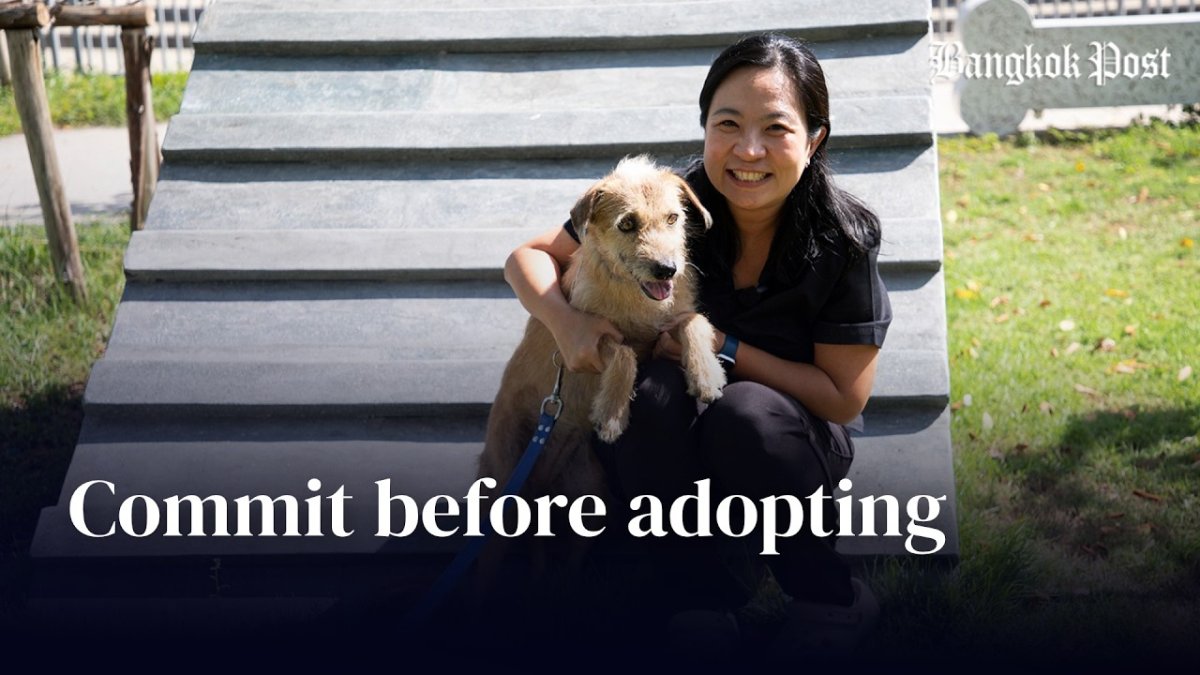
Three Decades of Service in Prawet District
The Prawet Animal Shelter opened in 1997 as a rabies quarantine facility on 13 rai of land enclosed by sound-dampening walls. It borders Samut Prakan province and now serves as a key site under the Bangkok Metropolitan Administration. Dr Pacharaorn Somboonvijitr leads the Dog Control and Shelter Subdivision within the Public Health Veterinarian Office Health Department. New facilities completed around 2024 improved animal welfare and expanded public outreach programs.
Established in 1997 as a modest rabies quarantine station on the Bangkok-Samut Prakan border, Prawet Animal Shelter has evolved into a cornerstone of the city's animal welfare network. The 13-rai facility now features sound-dampening concrete walls that reduce barking noise by nearly 40 percent, allowing nearby communities to coexist peacefully with the shelter's residents. Under the leadership of Dr Pacharaorn, the site has undergone transformative 2024 upgrades, including a new registration office, climate-controlled kennels, and shaded exercise lawns that accommodate up to 80 dogs at once.
These improvements align with the Bangkok Metropolitan Administration's broader strategy to manage an estimated 100,000 stray dogs citywide. By shifting from reactive quarantine to proactive rehabilitation and adoption, Prawet exemplifies how targeted infrastructure investment can ease pressure on overcrowded districts while promoting humane population control across the capital. The shelter's location near industrial zones also enables efficient collaboration with local veterinary clinics and volunteer networks, ensuring animals receive timely medical attention before integration into adoption programmes or community return initiatives.
Current Residents and Daily Care
The shelter currently houses about 200 dogs and 300 cats. Staff handle four main complaint categories: aggressive behaviour, rabies suspicion, road accidents, and abuse or abandonment. Animals receive sterilisation and vaccination during their temporary stays. Those needing further care transfer to a larger shelter in Uthai Thani province. The Bangkok Metropolitan Administration follows a capture-neuter-vaccinate-release approach for animals not adopted.
Currently home to roughly 200 dogs and 300 cats, Prawet receives animals through four primary complaint channels. Not every resident is immediately adoptable; many arrive with trauma that requires weeks of careful assessment. Staff employ structured training protocols teaching basic commands such as sit, stay, paw, and wait, transforming wary animals into confident companions. The shelter follows the internationally recognised Capture-Neuter-Vaccinate-Release approach, sterilising and vaccinating healthy strays before returning them to monitored territories. New arrivals suspected of rabies undergo a strict 14-day quarantine in isolated wards equipped with HEPA filtration. Aggressive dogs receive tailored behaviour modification sessions using positive reinforcement. These methodical practices have reduced euthanasia rates to under 5 percent annually, reflecting a compassionate model that prioritises rehabilitation over removal.
The BKK Adopter Programme
The BKK Adopter programme launched by the Bangkok Metropolitan Administration in early 2026 lists around 50 dogs and 30 cats available for adoption. Applicants must complete questionnaires and demonstrate adequate space and financial means to care for an animal. New regulations effective from January 2026 require microchipping and registration within 120 days of birth or 30 days of acquisition. Sterilised dogs receive an 'N' mark on their ears, while cats get tattooed numbers on their bellies.
Through the BKK Adopter Programme, 50 dogs and 30 cats including newborn litters with their mothers are currently available. Prospective families complete detailed questionnaires and undergo joint reviews with partner NGOs to verify adequate living space and financial readiness. Dr Anchalee notes that most adopters prefer puppies or kittens, yet trained adult dogs often prove more suitable for first-time owners because they already understand household routines. From January 2026, all adopted animals must be microchipped under new BMA regulations. Territorial adults unsuitable for home life follow a release-trap protocol, allowing them to return to familiar neighbourhoods under continued monitoring by community volunteers.
Buddhist Compassion and Thai Attitudes Toward Animals
Thai Buddhist teachings encourage merit-making through acts of kindness toward animals, a value visible in community efforts across Bangkok and the Isaan region. Dr Anchalee Thueansukhon, who has worked at the shelter for 15 years, notes that most adopters prefer puppies or kittens. She herself adopted a pet from the facility. This cultural outlook supports the shelter's emphasis on lifelong commitment rather than short-term placements.
Rooted in Buddhist principles of metta and karuna, caring for abandoned animals is viewed in Thailand as an act of making merit. Urban Bangkok residents increasingly embrace this compassionate outlook, contrasting with more utilitarian attitudes still found in parts of rural Isaan. Dr Anchalee, who adopted her own dog from Prawet, embodies this personal commitment. A noticeable cultural shift toward responsible pet ownership is underway, supported by school programmes and temple-led awareness campaigns. As one volunteer observed, 'Knowledge, space and money are needed to care for an animal until the end of its life,' a reminder that true compassion extends beyond initial rescue to lifelong stewardship.
What This Means for Thailand
Bangkok's stray animal population affects public health, tourism, and neighbourhood safety in districts such as Prawet. Successful adoption and sterilisation programs reduce future stray numbers while aligning with ASEAN goals for urban animal welfare standards. The new microchipping rules support Thailand's broader efforts to manage animal populations responsibly. These steps influence daily life for residents who encounter strays and shape how the country presents itself to regional visitors.
Thailand's approach to stray animal management offers valuable lessons for ASEAN neighbours facing similar challenges. While Bangkok's vaccination coverage has reached 85 percent in monitored districts, cities such as Hanoi, Manila, and Jakarta continue to report higher rabies incidence. Effective control in tourist hubs like Chiang Mai and Phuket directly supports Thailand's tourism economy. Public health gains from Prawet's CNVR programme align with the BMA's integrated urban management goals. Neighbouring countries are now studying Bangkok's microchipping mandate and adopter vetting model as they develop their own frameworks.
What to Watch For
Continued growth in the BKK Adopter programme will test whether more Bangkok residents commit to long-term pet care. Officials plan further outreach to address the preference for young animals over adult dogs and cats. Monitoring compliance with the 2026 microchipping regulations will show how effectively the city reduces its stray population over time.
By Ann Srisawat, Staff Writer
This article was produced with AI-assisted research and editorial support. Reporting is based on sources cited in the article.
What's Your Reaction?
 Like
0
Like
0
 Dislike
0
Dislike
0
 Love
0
Love
0
 Funny
0
Funny
0
 Wow
0
Wow
0
 Sad
0
Sad
0
 Angry
0
Angry
0

Southeast Asia Correspondent at Global1.News. Based in Bangkok, covering Thai and Southeast Asian politics, economy, technology, and culture. Deep regional perspective on one of the world's most dynamic regions.















Comments (0)