
Starship Flight 13: SpaceX Eyes Redemption After Flight 12 Failures and 47-Day Grounding
SpaceX launches Starship Flight 13 on July 16, 2026 carrying 20 Starlink V3 satellites after a 47-day grounding from the Flight 12 mishap. The suborbital test flight validates corrective actions on the V3 vehicle's booster re-ignition systems.
SpaceX prepares for Starship Flight 13 on July 16, 2026, as the company attempts to rebound from the setbacks that halted its program for nearly seven weeks. The launch carries the weight of regulatory approval, investor expectations, and the need to prove that corrective actions can restore reliable performance. This test flight will determine whether the Starship V3 configuration can advance toward its intended role in satellite deployment.
Starship Flight 13: SpaceX Eyes Redemption After Flight 12 Failures and 47-Day Grounding
Atlanta, GA – July 16, 2026 — SpaceX readies Booster 20 and Ship 40 for a July 16, 2026 liftoff that tests whether hardware and software fixes can overcome the propulsion failures that destroyed the previous vehicle. The 90-minute window opens at 5:45 PM CDT for a 6:45 PM EDT launch from Orbital Launch Pad 2 at Starbase, Texas, marking the second flight of the Starship V3 configuration. With no tower catch planned, the booster will target a controlled splashdown while the upper stage deploys demonstration satellites before reentry.
The Shadow of Flight 12's Engine Failures
Flight 12 on May 22, 2026 introduced stretched tanks, Raptor 3 engines, and a redesigned heat shield, yet five of the Super Heavy booster's 33 Raptor 3 engines failed to re-ignite for the boostback burn. The booster lost attitude control and tumbled into the Gulf of Mexico. The Starship upper stage lost one of its six Raptor engines after separation but still completed a suborbital trajectory that ended with reentry over the Indian Ocean. These outcomes forced immediate regulatory intervention and exposed vulnerabilities in descent operations.
The engine re-ignition failures during boostback directly triggered the subsequent FAA mishap declaration on May 27, illustrating how propulsion reliability under descent heating conditions governs the entire program cadence. Because five of 33 Raptor 3 engines could not restart, the vehicle could not execute the planned return profile, converting what was intended as a controlled test into an uncontrolled reentry and underscoring that heat effects on propulsion components remain the dominant risk factor for V3 hardware even after stretched-tank and engine upgrades.
FAA Investigation and Approved Corrective Actions
The FAA declared a mishap on May 27 and imposed a 47-day grounding that lasted until July 13. Investigators identified heat effects on propulsion system components during booster descent and erroneous engine alarm settings that blocked proper re-ignition. SpaceX completed four corrective actions focused on hardware and software configuration updates, all of which received FAA approval before Flight 13 could proceed. The swift closure of the investigation allows the program to resume, yet the grounding period highlighted how quickly technical issues can halt operations.
The 47-day interval between May 27 and July 13 compressed the window available to validate the four corrective actions before the July 16 launch date, demonstrating that regulatory timelines now directly dictate flight-test pacing. By confirming that both heat-induced component degradation and alarm-setting errors had been addressed through targeted updates, the FAA’s approval restored launch eligibility while simultaneously establishing a precedent that future V3 flights must demonstrate sustained propulsion performance under identical thermal loads.
Vehicle Configuration and Splashdown Plans
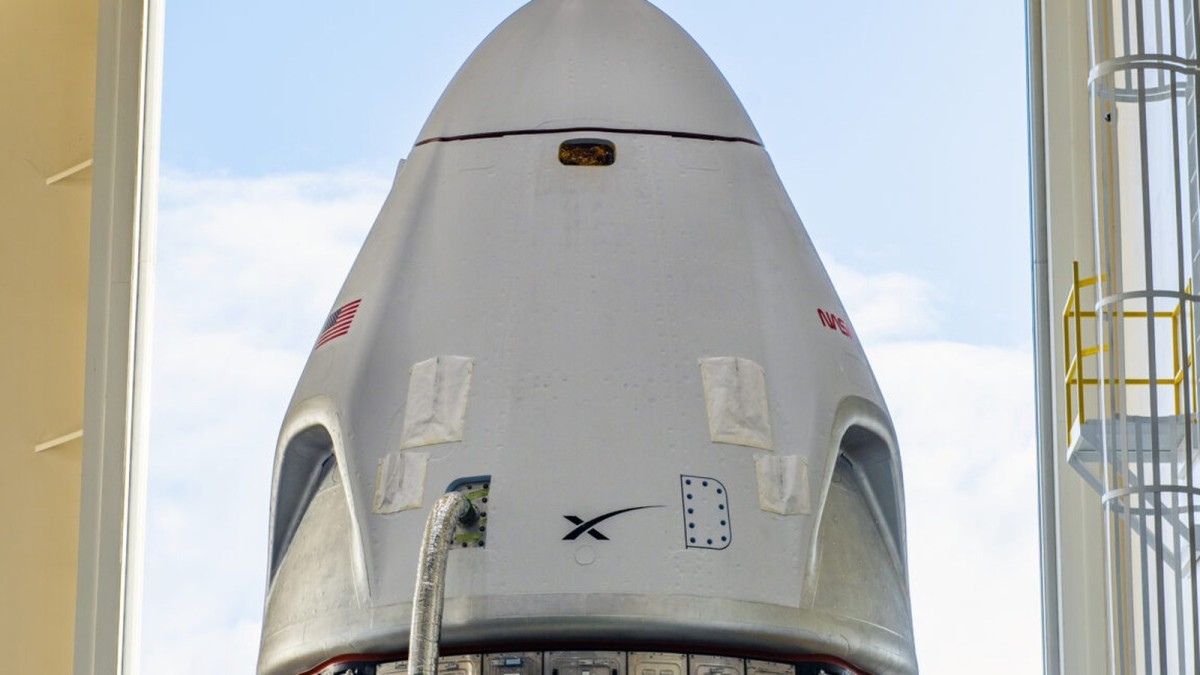
Booster 20 will fly with the updated Raptor 3 engines and redesigned heat shield elements carried over from the prior flight. Ship 40 serves as the upper stage and will follow a suborbital path rather than attempting orbital insertion. Because the mission avoids any tower catch attempt, the booster is scheduled for controlled splashdown in the Gulf of Mexico after separation. This conservative profile lets SpaceX validate propulsion fixes without adding the complexity of recovery hardware on this test.
Selecting Booster 20 and Ship 40 for the second V3 flight allows direct comparison of the same stretched-tank and Raptor 3 architecture that experienced the May 22 anomalies, isolating the effectiveness of the four corrective actions. The decision to forgo tower catch and instead execute controlled splashdown in the Gulf removes one variable from the test matrix, enabling focused data collection on re-ignition reliability and heat-shield behavior without the added structural loads of recovery hardware.
Starlink V3 Deployment Objectives
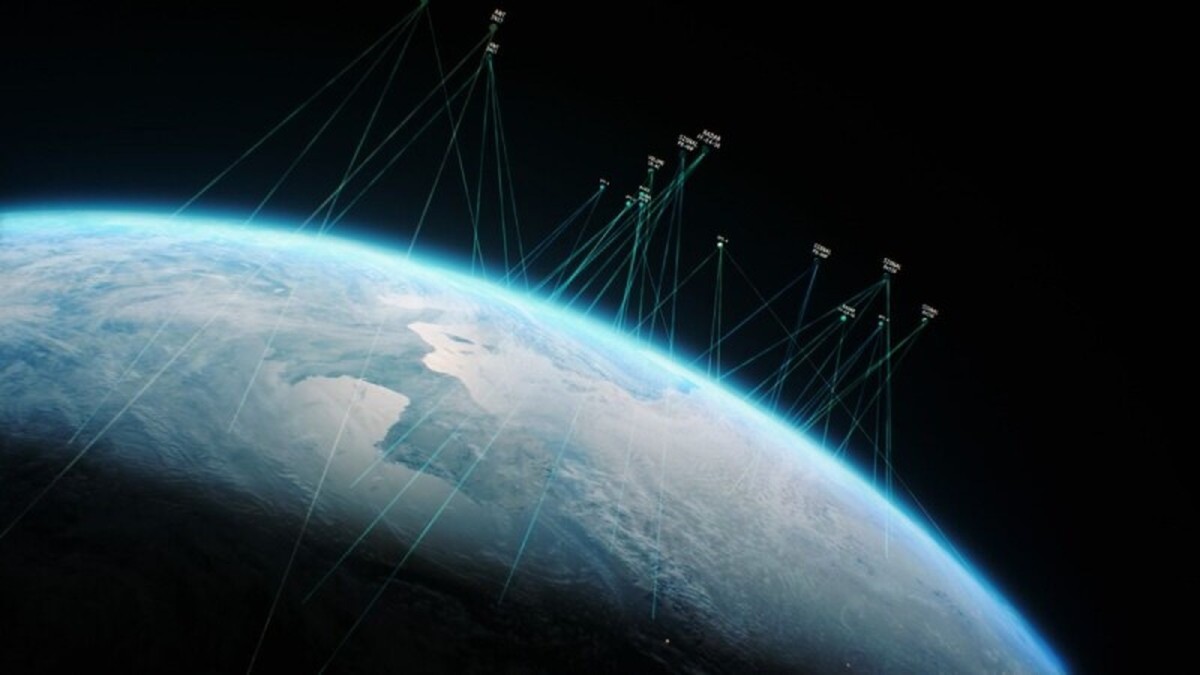
Approximately 20 minutes after launch, Ship 40 will release 20 Starlink V3 satellites that function as mass simulators and technology demonstrators. These satellites will not reach operational orbit because the flight remains suborbital. Six of the 20 satellites carry cameras intended for visual inspection of Ship 40 during flight, providing data on structural and thermal performance. Starlink V3 satellites feature extended solar arrays, larger antennas, and high-capacity laser inter-satellite links, making them too large for Falcon 9 fairings and dependent on Starship for future operational missions.
Releasing the 20 satellites as mass simulators rather than functional orbiters allows SpaceX to gather flight-environment data on the larger V3 bus without committing to an orbital insertion that the current suborbital trajectory cannot support. The six camera-equipped units will specifically document Ship 40’s structural and thermal response during the suborbital arc, supplying imagery that complements telemetry on the redesigned heat shield and Raptor 3 performance already flagged as critical after Flight 12.
From Orbital Filing to Suborbital Reality
The mission was originally filed as orbital with the FCC on April 6 but revised to suborbital following the results of Flight 12. First operational deployment of Starlink V3 satellites now awaits a fully orbital Starship mission expected by late 2026. The current test therefore serves as an incremental step that gathers flight data while the company prepares the more demanding orbital profile required for revenue-generating satellite missions.
The April 6 orbital filing assumed a trajectory that Flight 12’s engine failures rendered unachievable, forcing the downgrade to suborbital and thereby deferring any revenue-generating Starlink V3 operations until a successful orbital demonstration occurs. This revision preserves the late-2026 target for first operational deployment while converting Flight 13 into a controlled data-gathering exercise that validates propulsion fixes ahead of the higher-stakes orbital profile.
Public Markets and Development Costs
SpaceX went public on June 12, 2026 at a $1.8 trillion valuation, placing the 47-day grounding squarely in the first month of public trading. Investor concerns rose during the period when no Starship flights occurred. Over $15 billion has already been spent on Starship development across 12 test flights spanning three years, underscoring the financial stakes attached to each subsequent launch outcome.
The June 12 public listing at $1.8 trillion occurred only weeks after the May 22 failure, meaning the entire 47-day grounding unfolded under public-market scrutiny and amplified pressure to resume flights by the July 16 window. With more than $15 billion already expended across the prior 12 flights, each additional day of grounding represented continued burn rate against a valuation that investors now tie directly to the cadence of V3 milestones leading to late-2026 operational capability.
What This Means
Flight 13 represents a narrow window to demonstrate that the four FAA-approved fixes have resolved the specific heat and alarm issues identified after Flight 12. Success would ease regulatory pressure and reassure public-market investors that the $1.8 trillion valuation rests on achievable technical milestones rather than repeated delays. A second failure, however, could extend scrutiny and push the timeline for operational Starlink V3 deployments further into 2027. The suborbital profile limits immediate satellite revenue but supplies critical data on the redesigned heat shield and Raptor 3 performance under reentry conditions. Ultimately, the flight tests whether SpaceX can convert lessons from a 47-day grounding into consistent progress toward the late-2026 goal of fully orbital Starlink V3 missions.
By proving the corrective actions restore reliable boostback ignition and thermal protection, Flight 13 can reset the regulatory baseline that has already consumed seven weeks and directly influences the remaining calendar to late 2026. Conversely, any recurrence of the propulsion anomalies would compound both the $15 billion development cost and investor expectations tied to the $1.8 trillion valuation, potentially shifting the first revenue-generating Starlink V3 mission beyond the currently projected window.
By Jessica Ali, Staff Writer
This article was produced with AI-assisted research and editorial support. Reporting is based on sources cited in the article.
What's Your Reaction?
 Like
0
Like
0
 Dislike
0
Dislike
0
 Love
0
Love
0
 Funny
0
Funny
0
 Wow
0
Wow
0
 Sad
0
Sad
0
 Angry
0
Angry
0

Editor-in-Chief at Global1.News. Atlanta-based journalist who cuts through the BS and tells it like it is. Lead anchor, host, and the voice you hear when the spin stops and the truth starts.













Comments (0)